WSU research
Wazzu keeps WSU research in one place: 24 stories so far. The section currently leads with “At the Fair, WSU Serves Up a Century of Washington Farm History”, “WSU scientists dig in to save honey bees from the brink”, and “Washington wine didn't happen by accident. Cougs helped build it”. The Washington State Fair runs for a few weeks each fall, but WSU's booth there runs for a century. Honey bees are having a rough go of it, and WSU has people on the ground trying to change that. The unofficial read for people who left Pullman and stayed Cougs. The list below is every WSU research story on Wazzu, newest first.

At the Fair, WSU Serves Up a Century of Washington Farm History
The Washington State Fair runs for a few weeks each fall, but WSU's booth there runs for a century. That is the kind of fact that stops you mid-bite into a scone. The university is serving up a hundred years of Washington farm history at the fair this year, and it is exactly the right thing to do. Pullman is a farm town. The whole Palouse is. WSU started as an agricultural college, and that work still pays the bills in ways most people never see. So standing at the fair and telling that story, how the research from our ag programs shaped what grows in this state, how it keeps farms running, how it puts food on tables, is not nostalgia. It is the truth. This is the kind of coverage that matters. Not every WSU story has to be about a game or a grant number. Sometimes it is about a booth at the fair where a family can learn why Washington apples taste the way they do. That is the university showing up for the people who pay for it. If you want to see how that same practical, roll-up-your-sleeves thinking shows up in other places, read our piece on President Betsy Cantwell talking about AI. She says WSU's job is making it useful, not flashy. Same instinct, different century. Go Cougs.
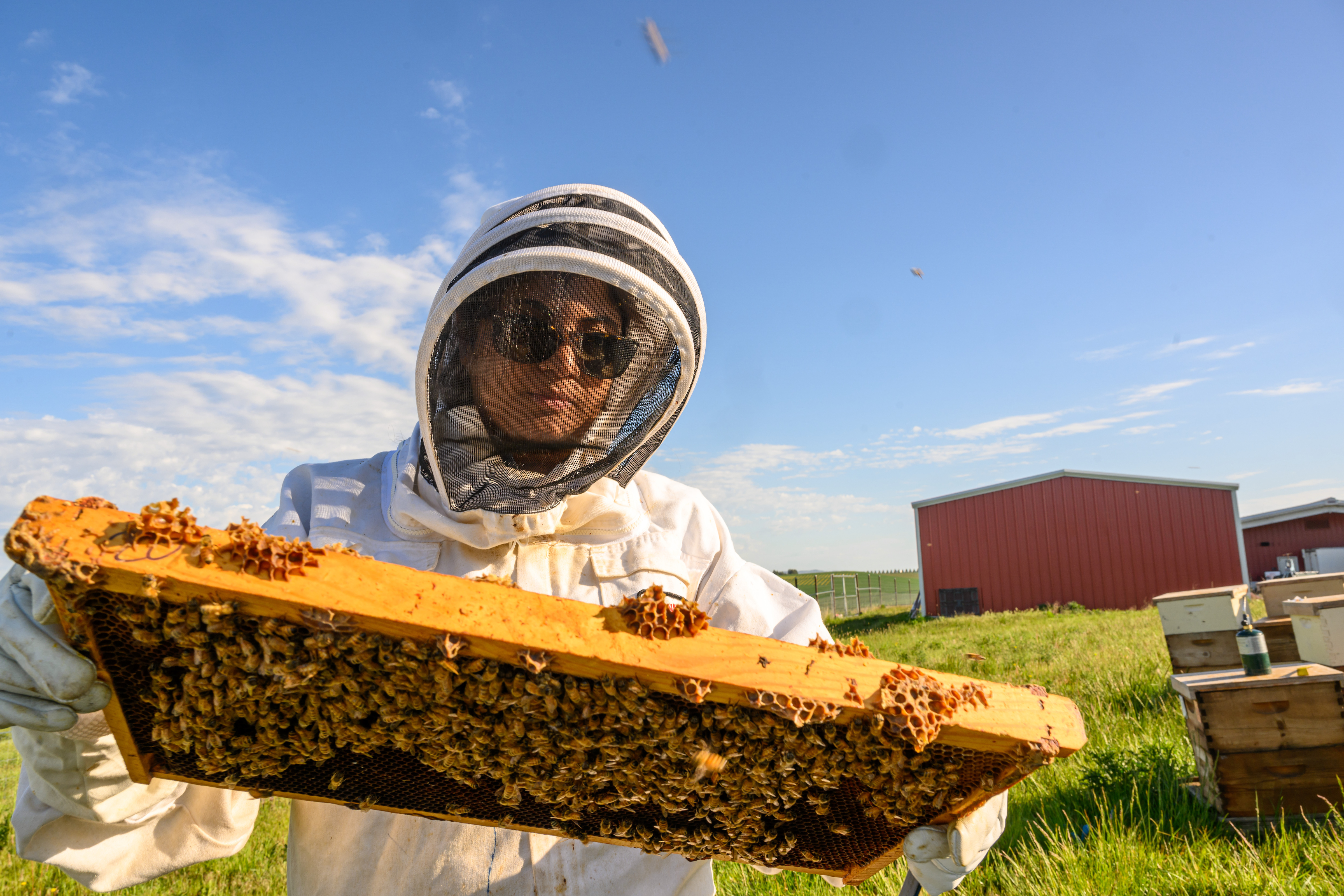
WSU scientists dig in to save honey bees from the brink
Honey bees are having a rough go of it, and WSU has people on the ground trying to change that. Scientists at the university are digging in to figure out how to keep these little pollinators from sliding further toward the brink. It's not just about honey, though that's a nice perk. It's about the crops they pollinate and the food chain that leans on them. When the bees struggle, we all feel it eventually. The threats are piling up: pests, disease, habitat loss, the usual modern mess. WSU's approach isn't a single silver bullet. It's a lot of patient, unglamorous lab work and field research. That's the kind of thing Pullman does well. Nobody's clapping for it on a highlight reel, but it matters. This is the same university that's quietly helping rural schools swap diesel for solar and putting first-gen nursing students through the wringer with a purpose. WSU doesn't always grab the biggest headlines, but the work coming out of the Palouse tends to outlast the news cycle. The bee research fits right in. It's practical, it's urgent, and it's the kind of problem that doesn't solve itself. We'll be watching what they find. And if you want a reminder of how WSU keeps showing up in unexpected places, check out the piece on rural schools going solar. It's the same stubborn, useful energy. Go Cougs.
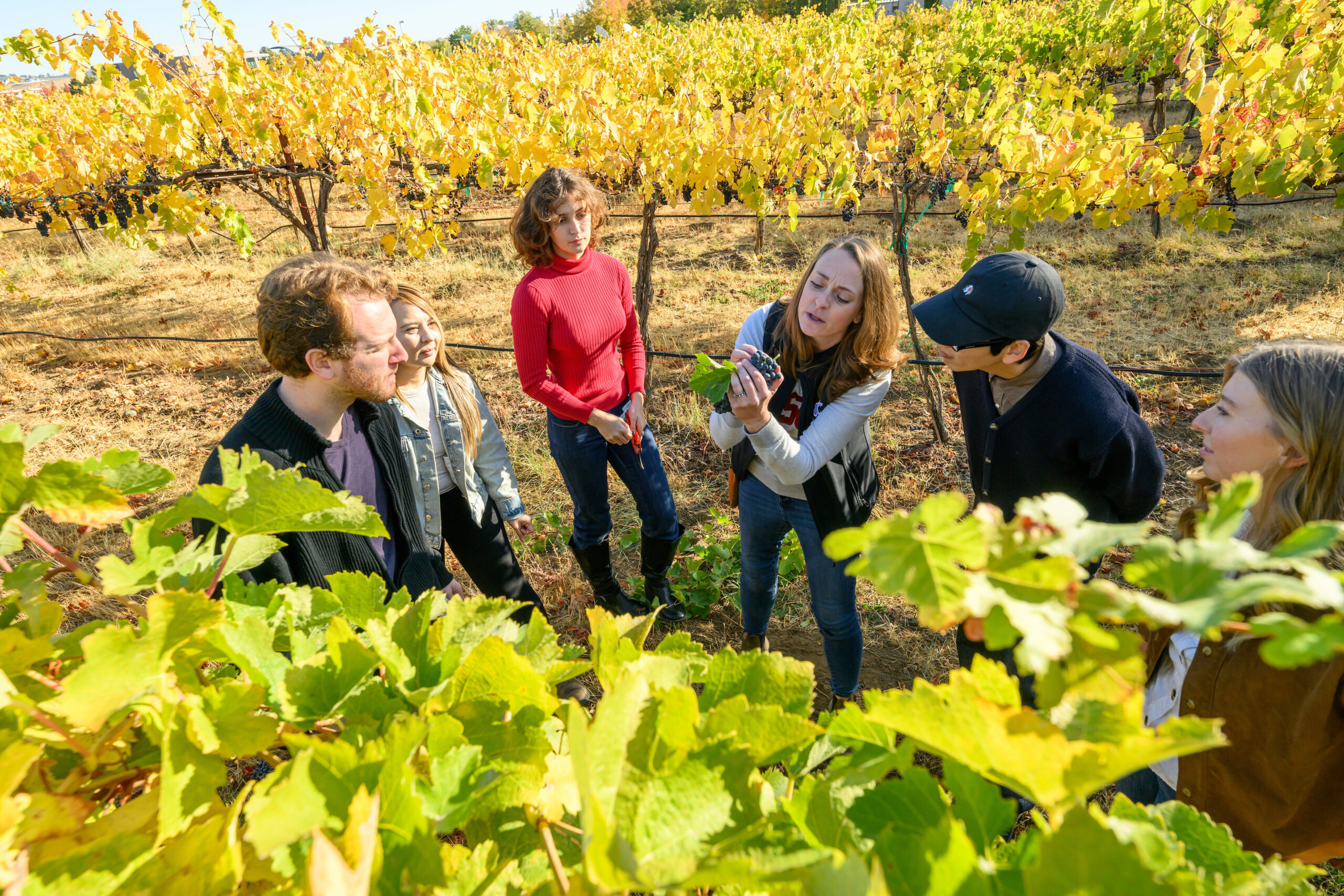
Washington wine didn't happen by accident. Cougs helped build it
You don't have to dig deep into Washington wine country to taste the Cougar in the glass. That's because WSU didn't just show up to the harvest, it helped plant the roots. For decades, the university has worked shoulder-to-shoulder with growers and producers across the state, turning what could have stayed a scrappy regional hobby into an economic powerhouse. That's not luck, and it's not happenstance. It's the result of patient, hands-on work in the vineyards and the labs, the kind of quiet persistence that doesn't make for flashy headlines but sure makes for a good bottle. The wine industry here doesn't owe everything to Pullman, but it owes a lot. And it's worth saying plainly: Cougs built this, and we're not shy about it. The same spirit that drives our ag research, the kind that makes the Palouse a little smarter every season, shows up in the vines. If you want to see how that same practical innovation plays out elsewhere, our piece on WSU's smarter corn fields is worth a click. But today, raise a glass to the growers, the researchers, and the decades of grit that made Washington wine a name you actually hear outside the state. It didn't happen by accident. It happened because Cougs showed up, got their hands dirty, and stayed. Go Cougs.
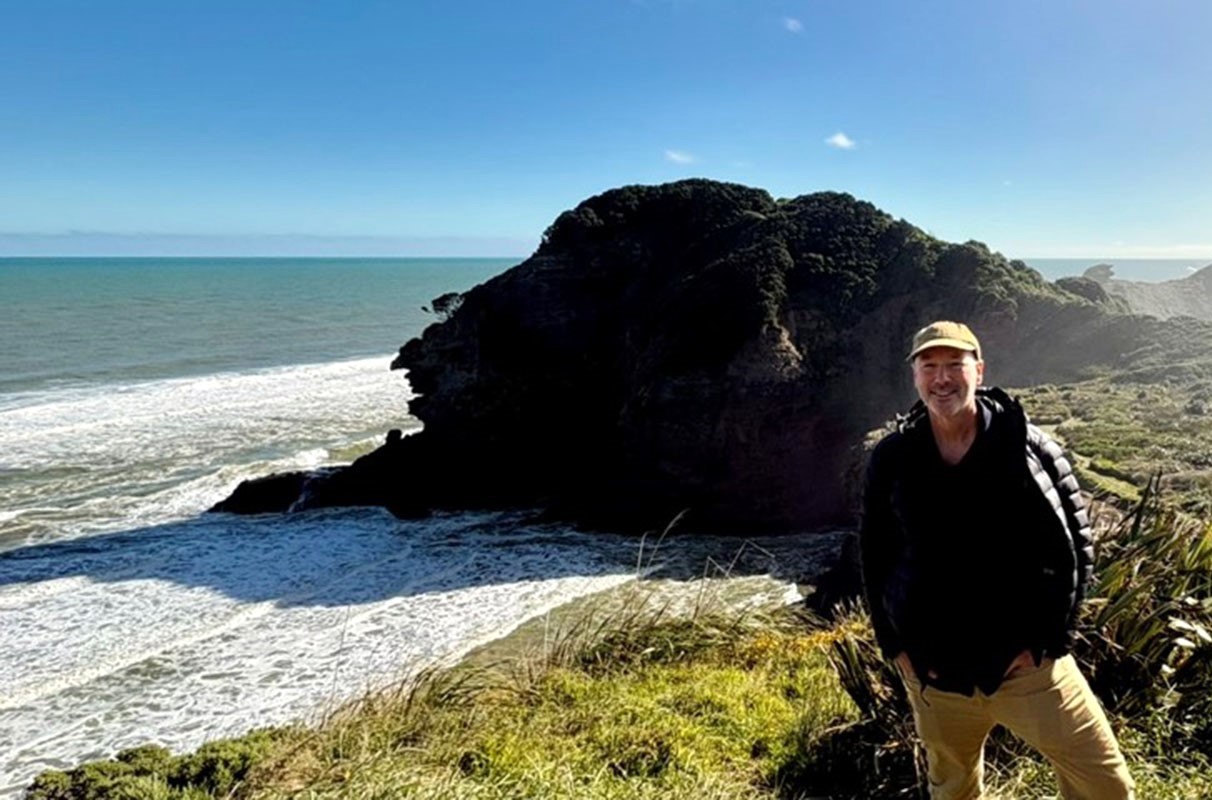
WSU study maps where stopping our coastal mess matters most
You know that feeling when you look at a sprawling mess and wonder where to even start cleaning it up? WSU researchers just answered that question for our coastal waters. A new study led by Washington State scientists has mapped exactly where cutting down human-caused nutrient pollution, think fertilizer runoff and sewage, would actually make the biggest difference along the coast. Not every spot is equal. Some places just swallow the pollution without much harm. Others are tipping points where a little cleanup goes a long way. The team found the hotspots where stopping the mess matters most. This is the kind of work that makes you proud to be a Coug. It is practical. It is specific. It gives policymakers and local communities a real target instead of just shouting at the ocean. And it comes out of Pullman, a town that is 300 miles from the nearest saltwater, which is exactly the kind of scrappy, smart problem-solving you expect from Washington State. If you like seeing WSU research that actually changes things, check out that piece on the Pullman lab targeting endometriosis with a nanoparticle. Same energy. Same Cougs doing work that matters in the real world. Go Cougs.
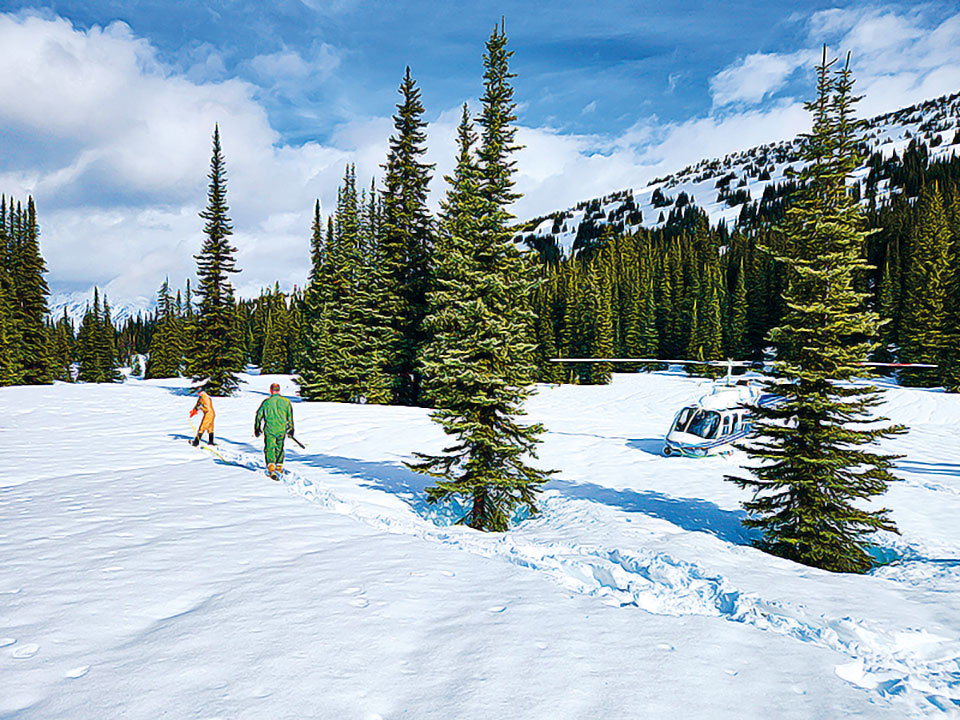
Coug researchers bet AI can crack the snowpack riddle for NW farms
Snowpack is a multibillion-dollar bet for Northwest farms, and WSU researchers are putting their chips on AI to finally crack the riddle. That's the headline, and it's the kind of work that makes you proud to be a Coug even when you're miles from the Palouse. Every spring, farmers across the region hold their breath waiting to see how much water will actually come down from the mountains. The stakes are enormous, irrigation, crops, entire livelihoods hang on a number that's notoriously hard to predict. Now a team of Coug scientists is training machine learning models on decades of snow data, hoping to give growers a reliable forecast instead of a prayer. It's not flashy work. There's no stadium roar. But this is exactly the kind of problem a land-grant university should be solving: real people, real water, real money. If you want to see another side of how WSU research digs into the hard stuff, check out our piece on how Coug researchers are taking on the nightmares PTSD leaves behind. Same institution, different kind of darkness. But both stories remind you why Pullman matters long after you've left. Go Cougs.
Tanzanian dogs stay safer with WSU's smarter shot schedule
You know what's worse than a sick dog? A sick dog you thought was fine. For three years, WSU researchers ran a smarter vaccination schedule in Tanzania, and the results are pretty clear: annual campaigns aren't cutting it. The new approach kept more dogs protected against disease, which matters when those dogs live alongside people. It's not flashy. It's a shot schedule. But it works. This is the kind of work that makes you proud to be a Coug. Not because it's headline-grabbing, but because it's practical. WSU went to Tanzania, did the study, and found a way to keep more dogs safe without asking for more resources. That's the Palouse way: figure out what works, then do it. If you want another example of WSU researchers getting their hands dirty, check out "WSU digs into Alaska dirt and finds soil warming faster than we thought." Different continent, same stubborn curiosity. The point is, our people are out there, not sitting in an office guessing. So next time you're walking your dog on the Palouse, maybe think about the Cougs in Tanzania who made a few more pups safer. It's a small thing. But small things add up. Go Cougs.

A letter that found a Coug you never knew you needed
A letter from Barbara A. Petite x'76 landed in our mailbox, and she's right: Catherine Roberts Frasier is a Coug we never knew we needed. The Spring 2026 magazine pulled her story out of the archives, and Barbara calls it exactly what it is, proof that this alumni magazine is the best one out there. We agree. That kind of digging, that kind of pride in the people who built this place, is why we keep turning pages. Jeff Hardesty '97 English, Ed., '18 EdD chimed in too, remembering Gay Selby's truthisms about superintendent-board relationships. The Spring 2026 issue honored Selby, and Jeff says those lessons still ring in his ears daily. That's the kind of impact that doesn't fade when you leave Pullman. It follows you. And while we're on the subject of research that matters, a new WSU study on cannabis ads shows how they're shaping young adults' ideas about sex and intimacy. It's the same sharp curiosity that unearthed Frasier's story, just applied to what's happening right now. We don't stretch stories here. We don't have to. The real ones are good enough. Go Cougs.
A baby's skin microbes might tip off Coug researchers to early allergies
That tiny human smell? It's more than just cute. Turns out, the microscopic ecosystem living on a baby's skin might be telling us something important long before that first sneeze or rash appears. WSU researchers found that the microbes on infants could tip us off to early allergies before they ever take hold. That's the kind of work that makes you proud to be a Coug, not just because it's smart, but because it's useful. We're talking about catching something early enough that maybe, just maybe, you can do something about it before your kid is miserable every spring. Pullman punches above its weight in this stuff, and it's worth paying attention to. If you want to see how that same kind of sharp, practical science plays out in other corners, check out our coverage of the WSU-led coastal pollution study. Different problem, same Coug instinct: find the place where your effort actually matters. This allergy work is still early, but it's the kind of lead that makes you feel like we're finally getting ahead of something. Go Cougs.

WSU's corn fields got smarter, and the AI didn't even need a Palouse sunrise
There's something almost poetic about a corn field that doesn't need a perfect Palouse sunrise to do its job. Washington State's AgWeatherNet has been out there quietly collecting data, and now the AI is taking that information and turning it into something farmers and ranchers can actually use. Automation, insights, better decisions, all coming out of the same ground we walked on. That's the part that gets me. This isn't some far-off tech hub story. This is WSU doing what WSU does: solving real problems for real people who work the land. The system has been around, feeding weather data into the machine, but now the machine is smart enough to talk back. It's not just telling you it's dry; it's helping you figure out what to do about it. You don't have to be a farmer to appreciate that. You just have to know how hard that work is, and how much a little foresight can save a season. The fact that this is coming out of Pullman, from the same university that taught us to think critically and show up early, makes it feel like home. It's easy to get caught up in scores and Saturdays. But this is the other side of Wazzu, the part that doesn't make the highlight reel but keeps the lights on. Smart corn, smarter systems, and a university that refuses to stay in the lab when it can help the field. Go Cougs.
Pullman lab aims nanoparticle at endometriosis, human trials in sight
A Pullman lab has a nanoparticle aimed directly at endometriosis, and human trials are actually in sight. That is not a headline you read every day. For the roughly one in ten women who deal with this condition, treatment has mostly meant managing symptoms or surgery. This is different. The therapy uses a nanoparticle to deliver drugs straight to the disease site instead of flooding the whole body. That is the kind of targeted work that makes you stop and think about what is happening in those labs on the hill. We have covered a few WSU studies lately, and they share a theme: researchers here are not afraid to ask simple, stubborn questions. Our piece on the weed placebo trial showed that sometimes what you believe matters as much as what you inhale. That one is worth a read if you missed it. Back to the nanoparticle. The researchers are hoping to move toward human trials. That is a big step, and it means the work has passed some serious hurdles already. Pullman is not a place that chases headlines. It is a place where people solve problems that nobody else has cracked yet. This story is still early, but it is the kind of news that makes a Coug proud to say they came from here. Go Cougs.

WSU study finds the right tone makes AI fact-checks actually stick
Not everyone wants a robot to talk to them like a robot. WSU just proved it with a study on AI fact-checks. Turns out, the tone matters as much as the truth. Some people want neutral, no-nonsense corrections. Others need a little empathy before they'll actually listen. That's not soft stuff, that's strategy. If you're trying to correct bad info, the delivery is half the battle. WSU researchers found that matching the tone to the person makes the fact-check stick. Neutral for the logic-first crowd. Empathetic for the folks who need to feel heard before they'll reconsider. It's obvious when you think about it, but it's the kind of obvious that nobody bothered to prove until now. This is classic WSU work. Practical. Grounded. Not chasing headlines, just solving real problems. It fits right alongside the kind of research we've been covering, like that study on Tanzanian dogs staying safer with a smarter shot schedule. Different subject, same ethos: test the assumption, prove what works, and put it to use. The takeaway here is simple. Facts alone don't change minds. The right tone does. Go Cougs.
WSU puts AI to work on human health, no hype required
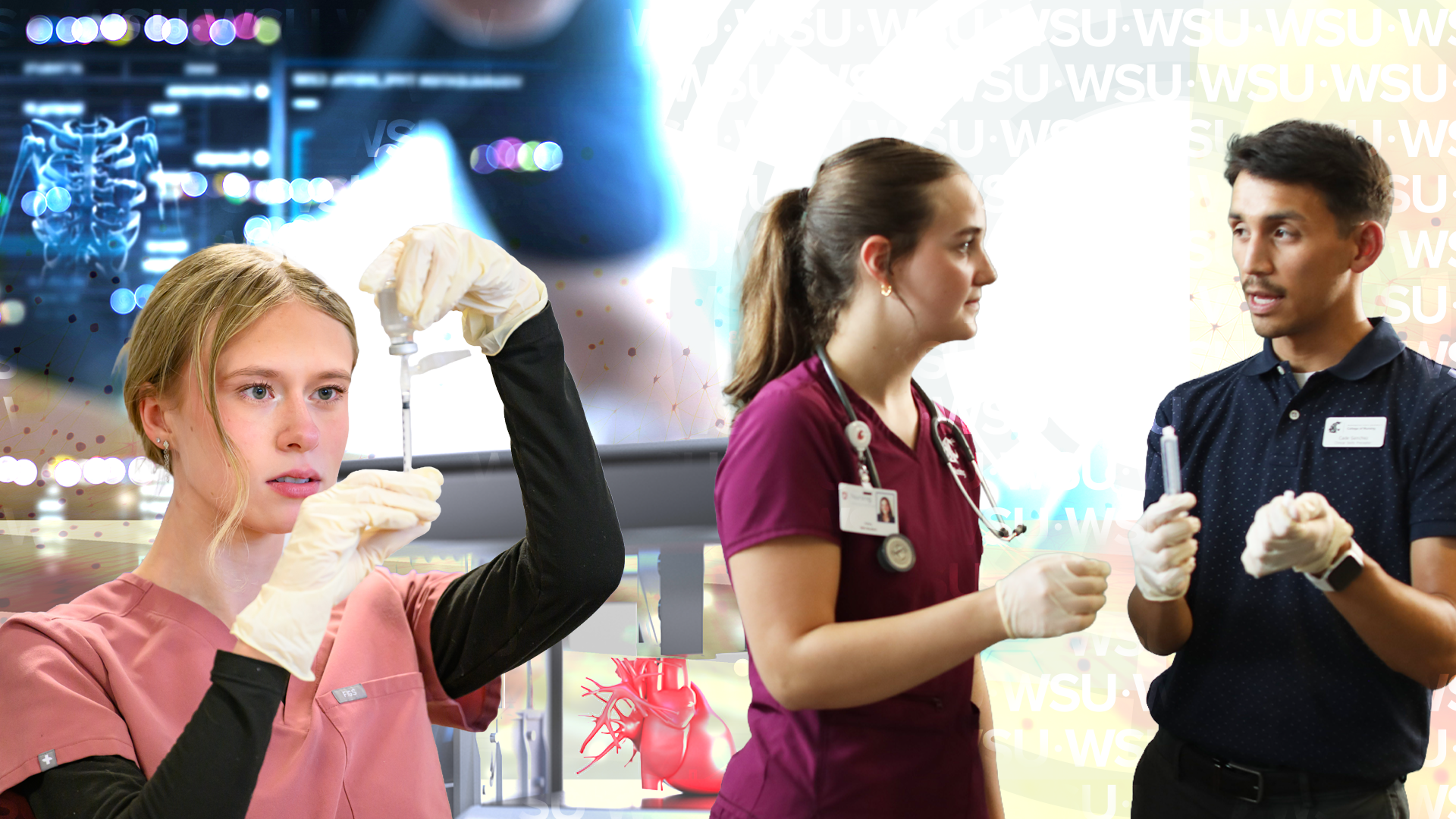
WSU just dropped a new AI project, and for once, nobody is trying to sell you a flying car. The university is putting artificial intelligence to work on human health, and the pitch is refreshingly simple: make people better, not just buzzwords. True to the land-grant mission, they're also aiming this tech at health equity and outreach. That means the same algorithms that can spot a disease pattern might also help a rural clinic reach patients who don't have broadband. That's Pullman thinking, solve the problem where it lives. We've seen this kind of grounded innovation before. If you read our piece on the Cosmic Crisp® apple, you know how one crop changed the economy around here. That same no-nonsense, Coug-built approach is alive in the AgWeatherNet system, where AI turns farm data into real action without needing a postcard sunrise to make it work. Now it's health's turn. No hype. Just WSU doing what it does: take a tool, point it at a real need, and let the results speak. This is the kind of story you text a friend who still brags about the Cougs. It's not flashy. It's useful. And it's ours. Go Cougs.
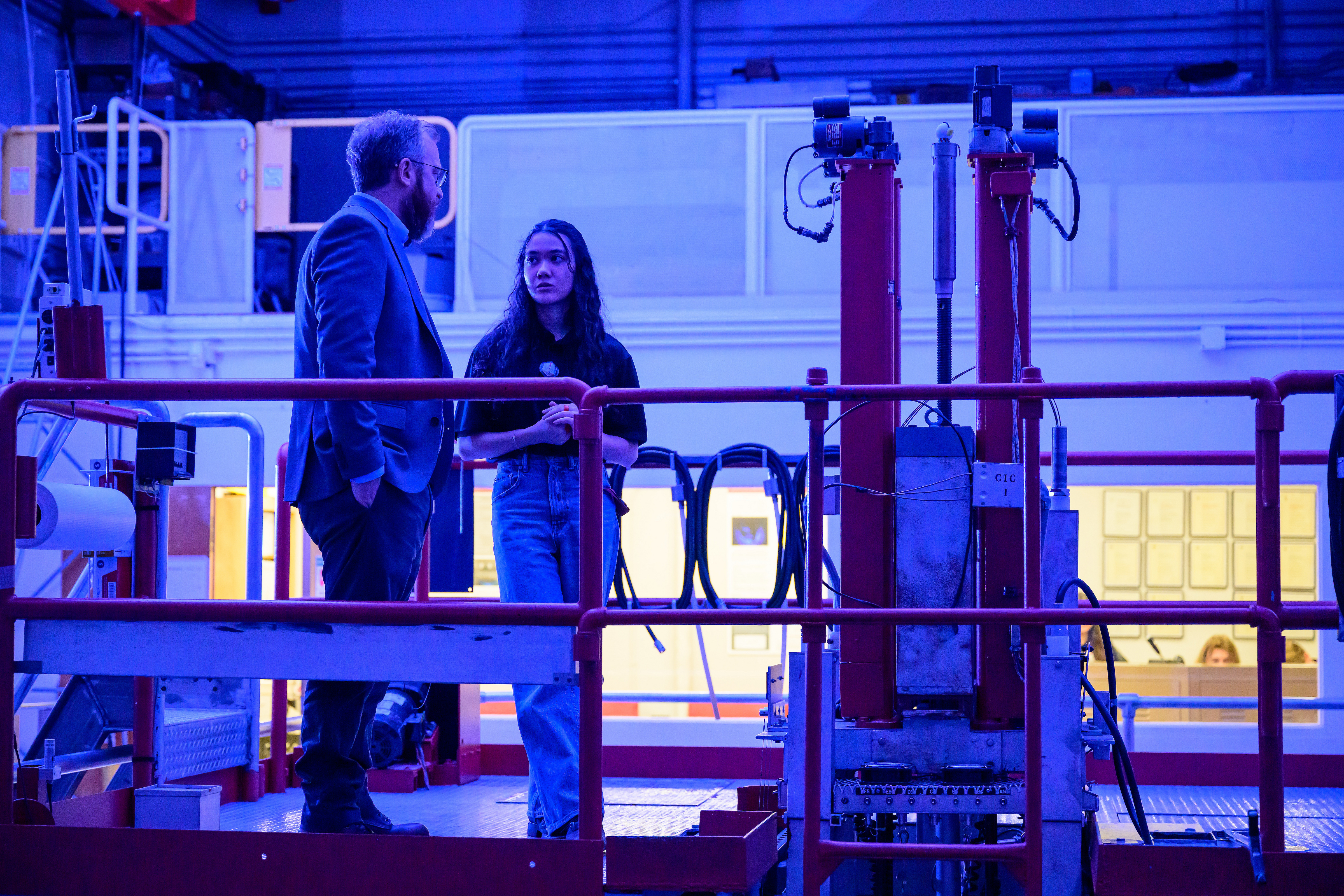
WSU's old reactor know-how is writing the next chapter
The old WSU nuclear reactor in the basement of the Dodgen Research Facility hasn't been critical since the early 2000s, but its brain trust never really left the building. Now that brain trust is writing the next chapter. Washington State University is stepping back into the nuclear conversation, this time with the kind of know-how you only get from decades of hands-on work. The reactor may be shut down, but the expertise isn't. WSU will help shape what comes next for nuclear energy, building on a foundation most schools can't claim. This isn't a flashy pivot. It's a return to something Pullman has always done well: work that matters, quietly, and then suddenly everyone notices. It fits a pattern across this university. The WSU College of Nursing just reported that nearly half its students are first-generation, and they're built different. That's not a coincidence. WSU pulls from communities that show up ready to work, whether it's in a hospital or a research lab. The nuclear story deserves your attention. It's not about nostalgia for the old reactor. It's about what that experience makes possible now. When the country needs answers on clean energy, WSU already has the people who know the questions. Go Cougs.

New WSU study: Cannabis ads are shaping how young adults think about sex
A new WSU study found that cannabis ads are doing exactly what you'd expect: shaping how young adults think about sex. The research suggests these advertisements, which link weed with intimacy and romance, are influencing people's intentions to use the drug before sex. That has real implications for sexual decision-making and consent. It's not a shocker, but it's good to have the data. WSU researchers are asking the kind of questions that matter in the real world, not just in a lab. This isn't the only Coug research looking at how everyday stuff affects our bodies. Another recent WSU study found that the microscopic organisms on a baby's skin might tip off researchers to early allergies. Two different studies, same instinct: pay attention to what's really going on beneath the surface. As for the cannabis-and-sex study, we all know advertising works. That's why companies spend billions on it. But when the product being sold can mess with your judgment in intimate situations, the stakes get higher. The study doesn't tell you what to do. It just lays out what's happening. Read it, think about it, and maybe look twice at the next ad that makes a joint look like a love potion. Go Cougs.
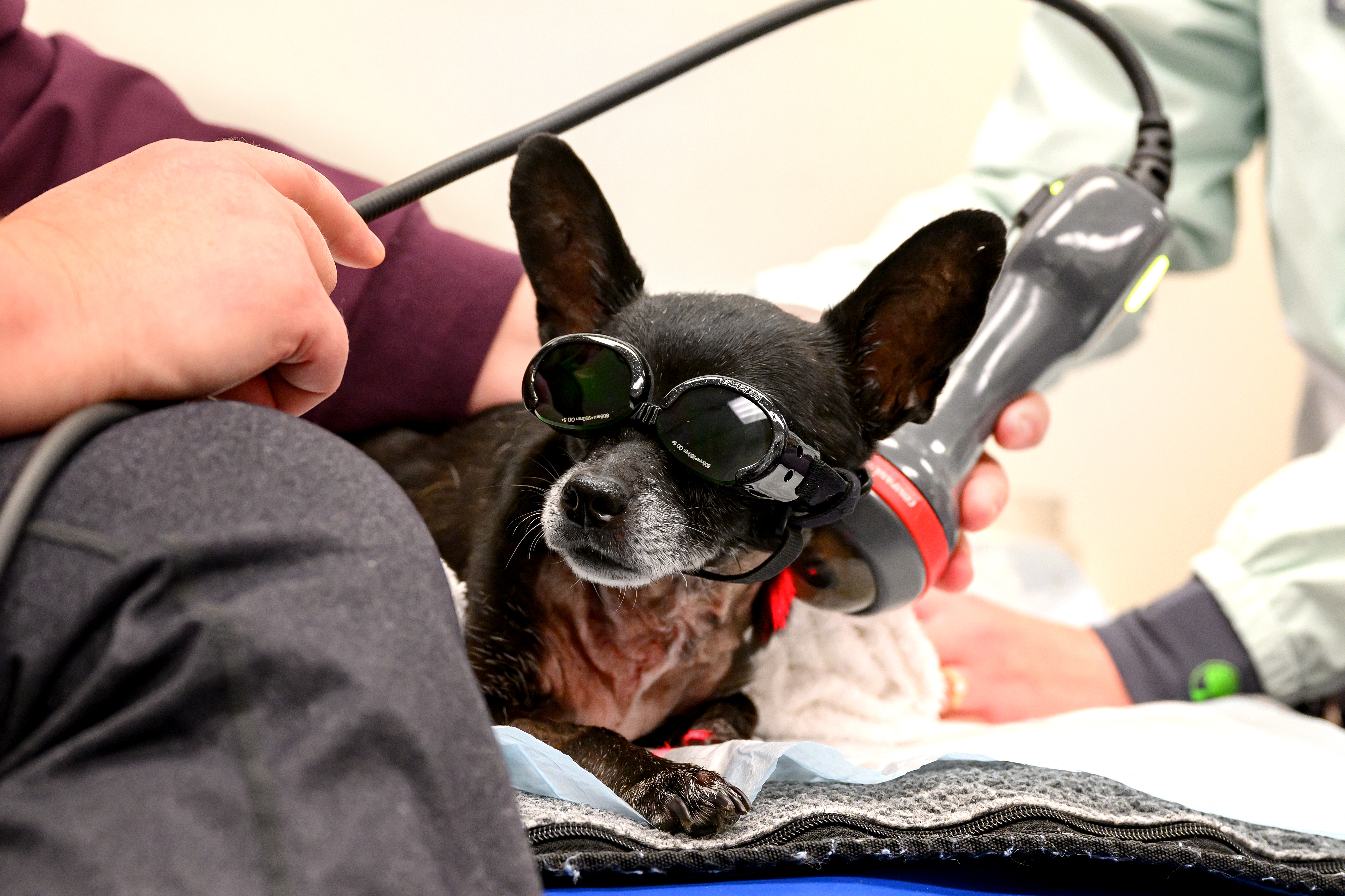
WSU's vet hospital treats animals from emergency to rehab and home again
Your dog ate something it shouldn't have. Your cat took a bad fall. The horse colicked at midnight. Where do you go? For a lot of us, the answer has always been the WSU Veterinary Teaching Hospital. It's not just an emergency room for the Palouse's four-legged residents. It's the whole deal, from the moment an animal rolls in scared and hurting, through surgery and treatment, all the way to the day it goes home. That continuum of care matters. It means the same team that stabilized your pet knows what happened in the middle of the night, and they're the ones guiding the recovery. It's a level of trust you can't fake. This is the kind of work Washington State does quietly, year after year, without a lot of fanfare. The same place patching up a ranch dog is training the next generation of veterinarians. It's practical. It's necessary. And it's pure Pullman. If you want to see another side of that same WSU grit, we've got a story about our scientists digging in to save honey bees from the brink. Same university. Different species. Same stubborn refusal to let things die. Go Cougs.
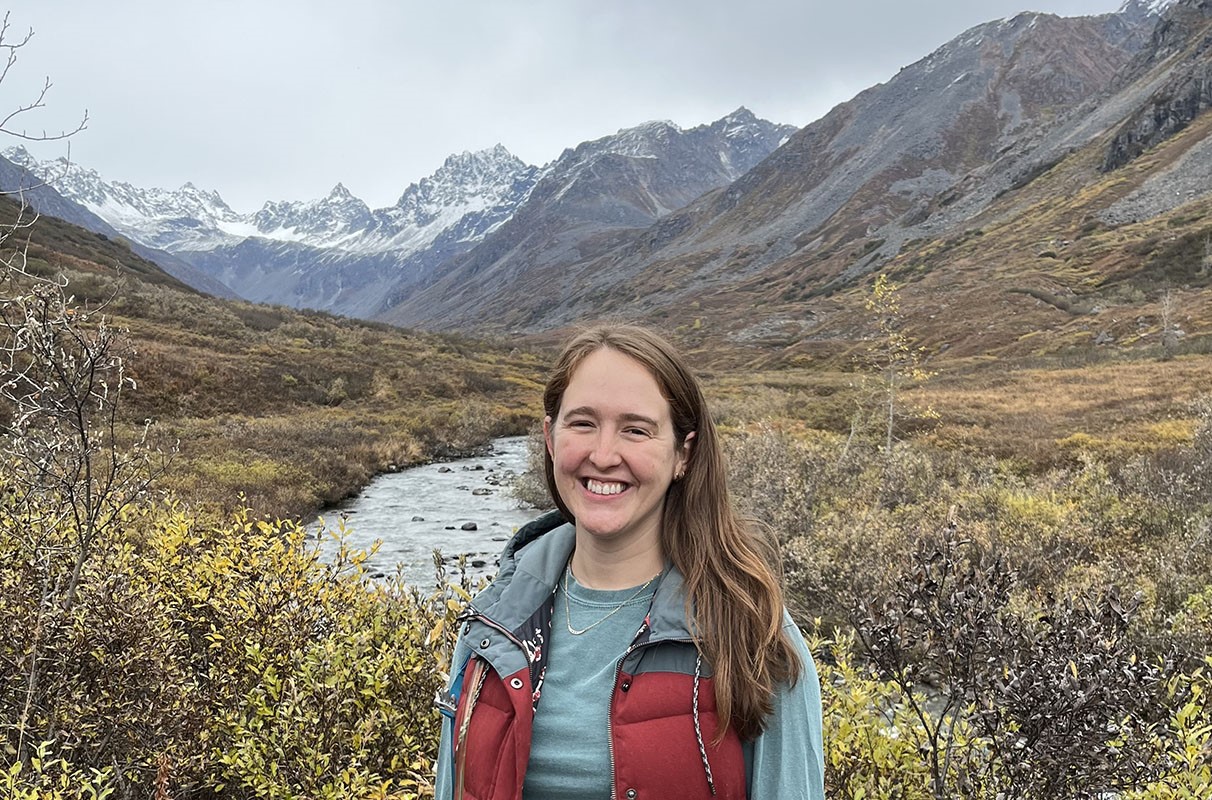
WSU digs into Alaska dirt and finds soil warming faster than we thought
Alaska is warming faster than most of the planet. That much we knew. But WSU researchers just dropped a number that should make you sit up straighter in your chair: the soil up there is heating up even quicker than we thought. That dirt isn't just frozen ground. It holds more carbon than all the trees on Earth combined. When it thaws, that carbon doesn't stay put. It becomes methane and CO2, which makes the planet warmer, which thaws more soil. You see the loop. This is the kind of work that doesn't make a highlight reel, but it matters more than most touchdowns. WSU has been digging into Alaska for years, and this latest research confirms what some of us feared: the permafrost timeline is tighter than we hoped. It's not a future problem. It's happening now. If you want to see how WSU scientists do this kind of gritty, ground-level work, check out our piece on how they're fighting to save honey bees from collapse. Same stubborn attention to detail. Same refusal to look away from a hard problem. Pullman is a long way from the Yukon, but the science coming out of this place reaches every frozen corner of the map. That's worth a pause. Go Cougs.
AI Scans the Wild in Days, Not Months, and Pullman Helped Build It
Wildlife cameras catch everything, a lynx slipping through a creek bed, a bear scratching a tree, a herd of elk moving at dusk. Then somebody has to sort through the thousands of photos. That used to take months. Now it takes days, and Pullman helped build the tool that made it happen. WSU researchers trained artificial intelligence to scan trail-camera images and identify species in a fraction of the time. That is not a small efficiency gain. It is the difference between a biologist getting a report before the snow melts or after the grant runs out. Faster data means faster decisions about habitat, migration, and fire recovery. The kind of work that actually keeps wild places wild. This is the same kind of applied thinking that shows up in our other coverage, like the Coug researchers betting AI can crack the snowpack riddle for Northwest farms. That story digs into how machine learning is taking on a multibillion-dollar question for agriculture. Same instinct. Different problem. Both built by people who know what happens when you wait too long for an answer. Pullman does not always get credit for the tech coming out of it. This one deserves some. A tool that speeds up conservation work by months? That is worth a text to a friend. Go Cougs.
WSU researchers take on the nightmares PTSD leaves behind
Nightmares from PTSD don't just mess with your sleep. They rewrite how you see the world when your eyes are open. WSU researchers are digging into that, trying to figure out how to treat the specific kind of terror that keeps replaying in someone's head long after the trauma is over. This isn't about bad dreams you shake off over coffee. This is the kind that leaves you afraid to close your eyes. The work matters because too many treatments treat PTSD like a single lump of symptoms. Nightmares are their own beast. They have their own triggers, their own damage, and they need their own solutions. WSU is stepping into that gap, and honestly, it's the kind of research that makes you proud to be a Coug. Not because of a scoreboard. Because somebody in Pullman is trying to give people their nights back. If this sounds like the same university that opened a clinic in a Spokane elementary school hallway, it is. That story ran here too, and it fits. WSU keeps finding ways to meet people where they actually live. That's the land-grant mission with its sleeves rolled up. So yeah, read up on the nightmare research. Then think about what it means to be a school that takes on both a proper tailgate and a proper medical problem. Go Cougs.
Your diploma is still a Coug, even if you haven't set foot on campus since 2003
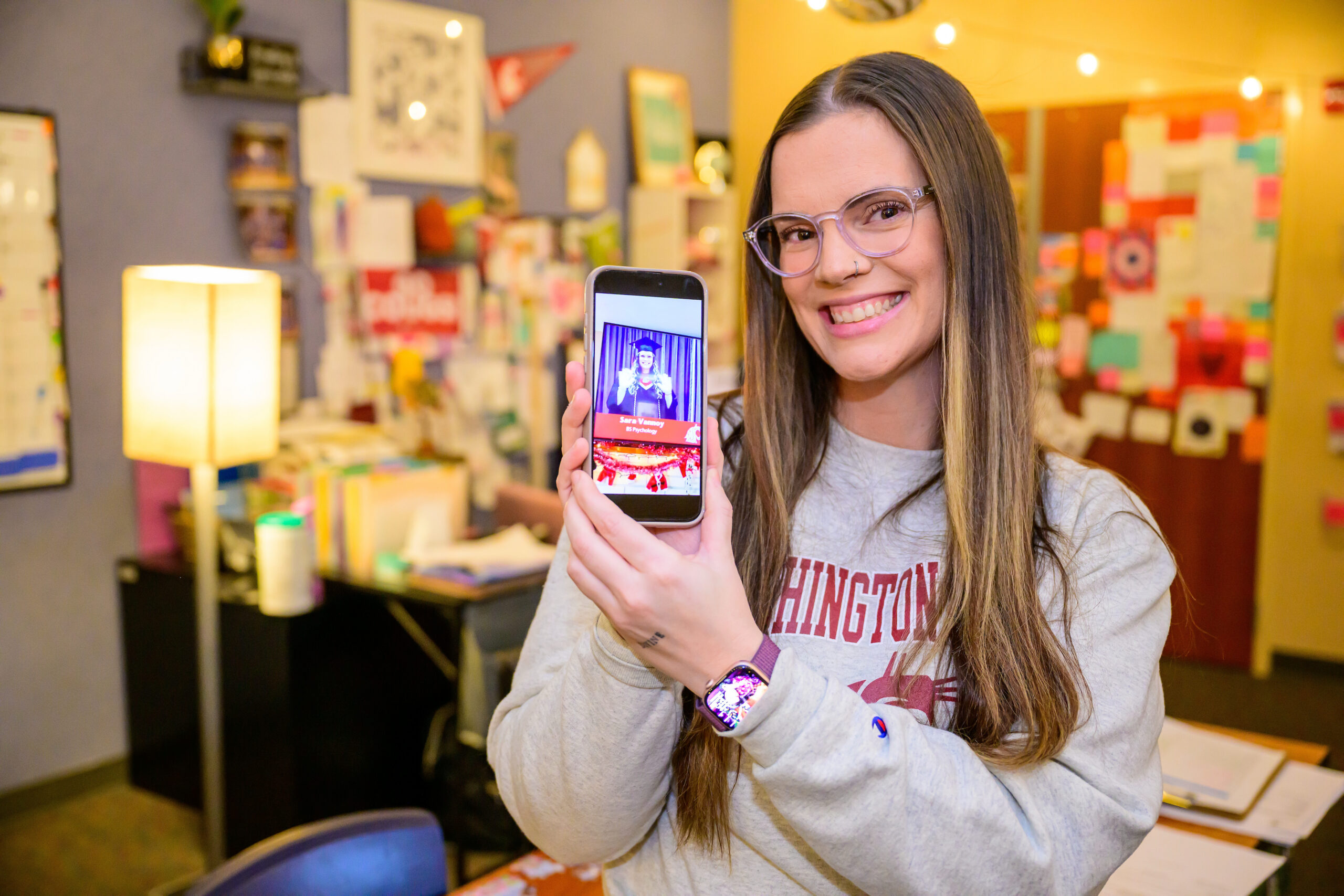
Your diploma is still a Coug, even if you haven't set foot on campus since 2003. The WSU Global Campus just got ranked among the top online programs in the nation by U.S. News & World Report, in multiple categories. That's not a surprise to anyone who's ever tried to finish a degree while working a full shift or raising kids. WSU built this thing for people who don't have the luxury of quitting life to go back to school. It's easy to forget that Pullman isn't the only place Cougs are made. Thousands of us earned the same degree from a kitchen table or a library computer. This ranking says the university hasn't forgotten you either. The same rigor, the same faculty, the same land-grant mission, just delivered to wherever you are. WSU has always been good at showing up where it matters. The same practical drive that put the Cosmic Crisp® in your grocery store and helped build Washington's wine industry is what makes the Global Campus work. It's not flashy. It's just effective. If you've been thinking about finishing what you started, or you know someone who should, this is your sign. The university earned the recognition. You earned the degree. Go Cougs.
Your smartphone pics just helped WSU track grass genetics
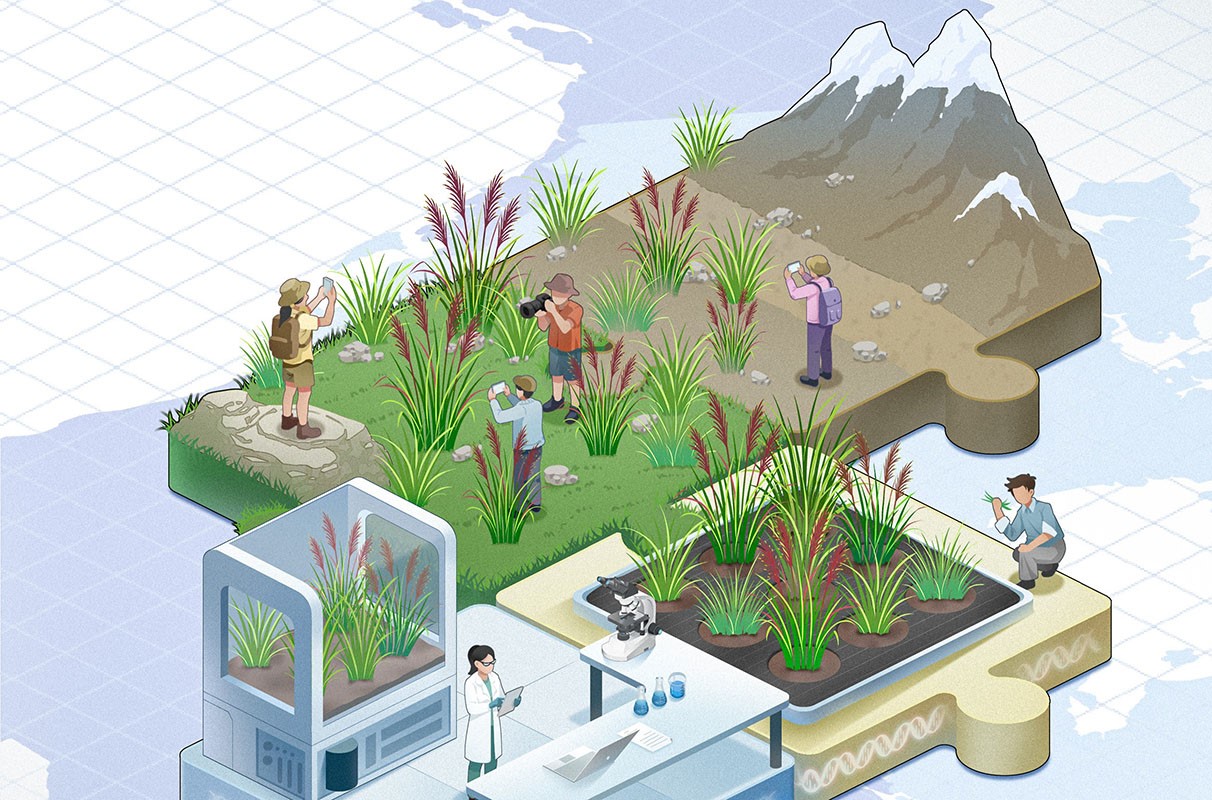
You took a picture of a pretty field on a hike, and somewhere in a lab on the Palouse, a scientist just used it to map grass genes. That is not a joke. WSU researchers took genetic data from switchgrass fields and cross-referenced it with photos posted by nature lovers, your smartphone pics, essentially, to track how flowering times change with the seasons. It is the kind of work that sounds too simple to be real science, but it is real, and it is clever. Switchgrass matters for bioenergy, but tracking its bloom across the country takes boots on the ground or, in this case, cameras in pockets. The researchers figured out that the public already had the data they needed. They just had to ask. This is the kind of story that makes you proud to be a Coug. It is not flashy. It is not a football highlight. It is a bunch of people looking at the world differently and sharing what they find. WSU does that a lot. If you want to see more of that same stubborn, practical problem-solving, check out our piece on how rural schools are swapping diesel for sun, the whole town breathes easier when the bus fleet goes solar. Same spirit, different field. Go Cougs.
WSU study: hedgehog virus jumps to cats but spares humans
A hedgehog sneezes in a Pullman lab, and a cat somewhere else catches something. That is not a joke. That is a new WSU study tracking how a virus common in hedgehogs made the jump into domestic cats. The good news for us two-legged types: it does not appear to pose much of a threat to humans. The research team figured out the mechanism of the crossover, which is the kind of science that sounds dry until you realize it means we understand a little better how diseases move between species. Hedgehogs are not exactly rare around here, and cats are everywhere. So knowing this one is not coming for us is a relief. But it is also a reminder that the animal world is always talking to itself, and sometimes we are just eavesdropping. If you want to see where else WSU researchers are poking at real-world problems, check out the piece on the Pullman lab aiming a nanoparticle at endometriosis. That one is closer to human trials. Different disease, same stubborn refusal to let a hard problem sit. Go Cougs.
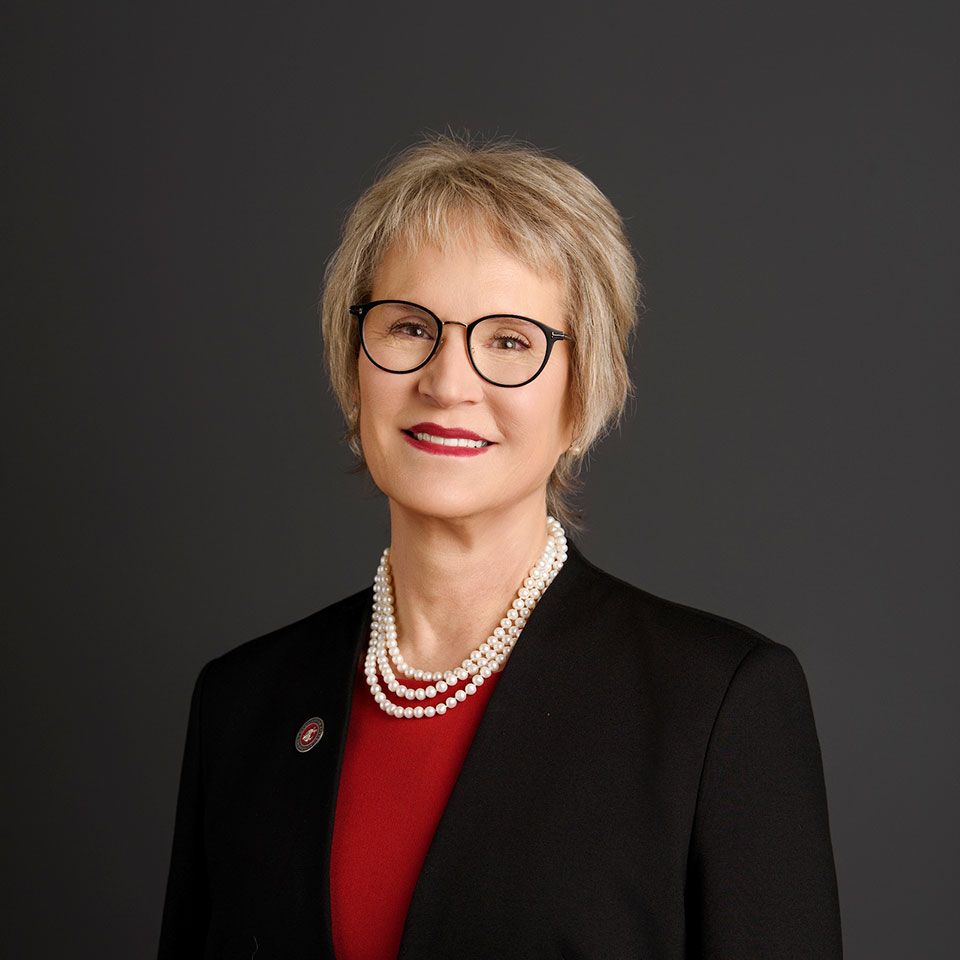
Cantwell on AI: WSU's job is making it useful, not just flashy
Betsy Cantwell walked into the AI conversation and did what a Coug president should do: she asked what it's actually for. While the rest of the world chases the flashiest demo or the biggest headline, Cantwell says WSU's job is making artificial intelligence useful. Not impressive. Useful. That distinction matters, and it sounds like Pullman. She's talking about AI that serves the people who grow our food, treat our patients, and teach our kids. Not another chatbot that writes poetry. This is the kind of thinking that keeps a land-grant university honest. You don't need a billion-dollar lab to ask the right question: does this thing work for the people who need it most? Cantwell seems to think the answer starts with application, not hype. It fits neatly alongside the kind of work we see around here. Take the new WSU study on cannabis ads and how they shape what young adults think about sex. That's not flashy either. It's a researcher looking at a real thing in the real world and telling us what it means. That's the same muscle Cantwell is flexing. We don't need to pretend WSU is Stanford. We never have. What we need is a president who knows the difference between a demo and a difference. Go Cougs.
Pullman researchers test your weed placebo theory: turns out, maybe
So you bought the expensive weed, convinced the fancy terpene profile was melting your stress away. Pullman researchers just called your bluff. In a human trial, participants reported the same levels of stress reduction whether they vaped real cannabis or a placebo. Same relief. Same chill. The only difference was in their heads. Let that sink in before you text your buddy who swears by the $60 eighth. This is the kind of work that makes you proud to be a Coug, even when it busts your bubble. WSU researchers aren't afraid to ask the uncomfortable questions, and they do it with real science. No hype. No marketing spin. Just a clean result that tells us more about how our brains work than we might want to admit. It also fits right alongside other WSU studies that prove good research doesn't need a flashy headline. If you liked our piece on how the right tone makes AI fact-checks actually stick, you'll appreciate this one too. Same honest approach. Same willingness to follow the data where it leads. So next time you roll one up for stress, know this: the ritual might matter more than the plant. That is not a bad thing. It just means you are paying for the experience, not the chemistry. And honestly, that is still a pretty good deal. Go Cougs.
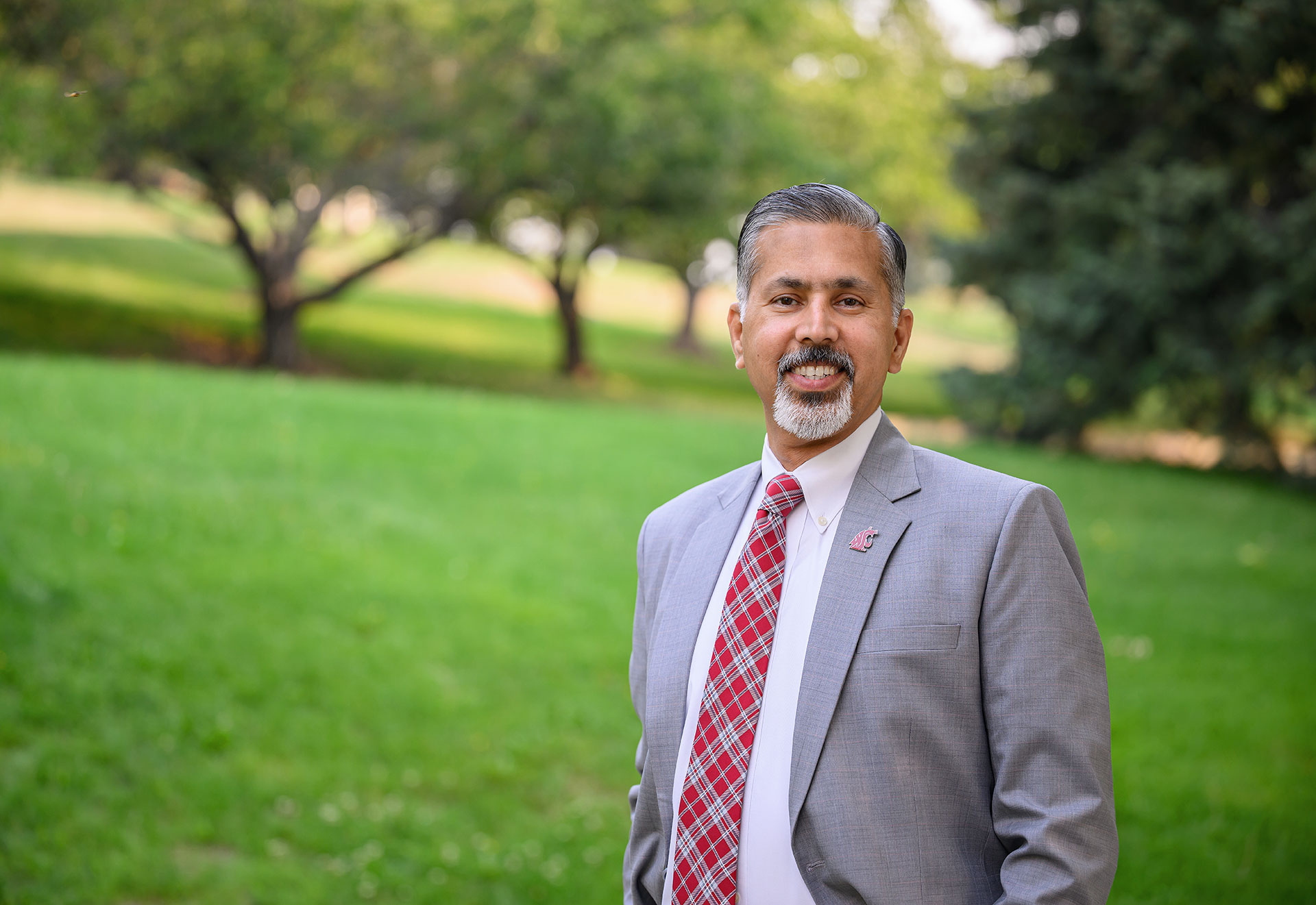
Dean Khosla Makes the Case That Land-Grant Still Means Something
Dean Khosla says the land-grant mission still means something. Not as a dusty plaque on a wall. As a real, working promise. The Cashup Davis Family Endowed Dean of WSU's College of Agricultural, Human, and Natural Resource Sciences wrote an essay making that case, and it lands hard because he's not selling nostalgia. He's talking about what a university owes the place it sits in. That matters here. Pullman isn't a backdrop. It's the point. When a dean of a college with "Agricultural" in its name says land-grant still counts, he's not defending history. He's drawing a line from the research plots to the dinner table to the rural clinic. We see that same thread in our piece on WSU taking health care into a Spokane elementary school hallway. It's not a theory. It's a hallway. Khosla's essay is worth your time because it doesn't pretend the work is easy or that the mission is finished. It just says it's still ours. That's a take you can text a friend in Seattle, Spokane, or wherever the Palouse wind blew you. Go Cougs.