Washington State University
Washington State University at Wazzu is a file of 25 stories. The newest of them: “Kamie Ethridge and the Cougs break down 2026 WBB at Media Day”, “Coug Women Hold Steady at No. 13, Still Top of the West”, and “WSU hoops heads to Everett for a November neutral-court game”. Kamie Ethridge stood at the podium at Media Day and talked about the 2026 team like someone who has seen enough to know what she has. No. The unofficial read for people who left Pullman and stayed Cougs. The list below is every Washington State University story on Wazzu, newest first.
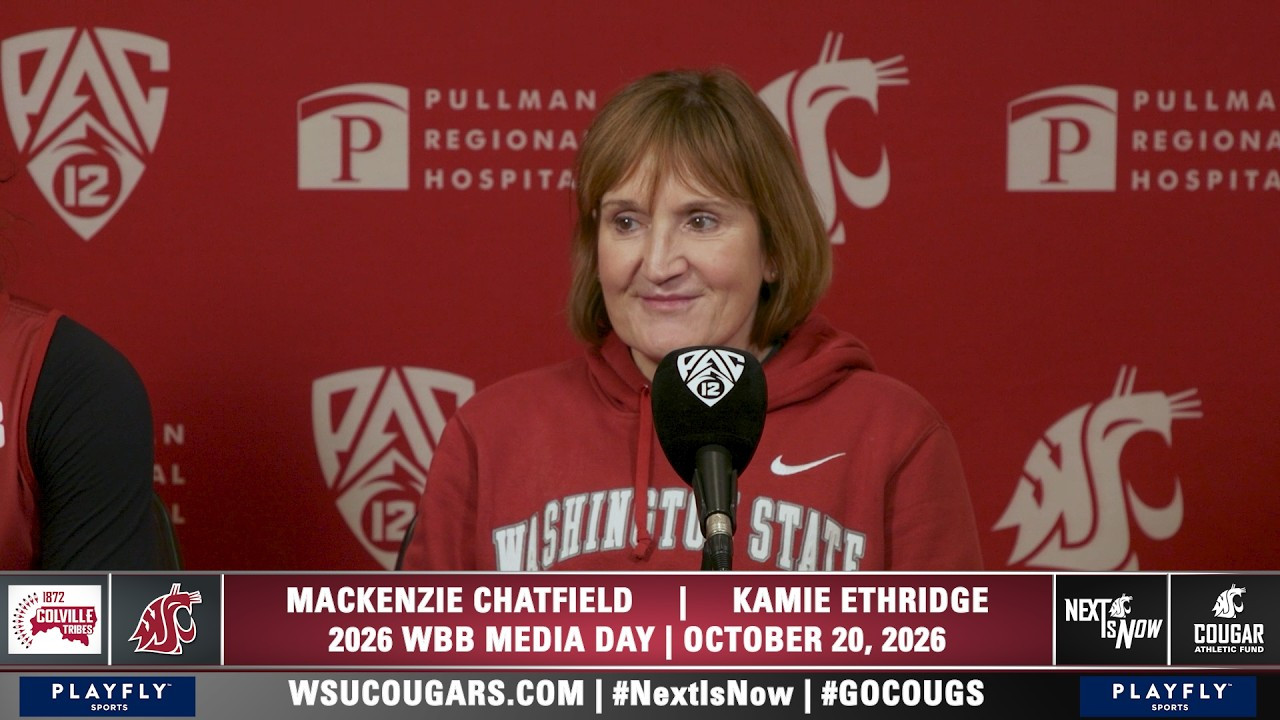
Kamie Ethridge and the Cougs break down 2026 WBB at Media Day
Kamie Ethridge stood at the podium at Media Day and talked about the 2026 team like someone who has seen enough to know what she has. That is the part that sticks. Not the hype. The honesty. She broke down where the Coug women are, and where they need to go, and she did not waste words doing it. This is a team that has earned the right to be direct. They have held steady at No. 13 in the national rankings, still the top of the West. That is not an accident. That is a program that has built something real in Pullman, the kind of thing you feel when you walk into Beasley and see the same faces in the stands year after year. Ethridge is not selling anything. She is telling you what she sees. That is the difference between a press conference and a conversation with another Coug. If you want to stay in the weeds on where this program sits nationally, we have you covered with "Coug Women Hold Steady at No. 13, Still Top of the West." It is a good companion piece for a long winter afternoon. For now, take Ethridge at her word. This team is not done. Go Cougs.
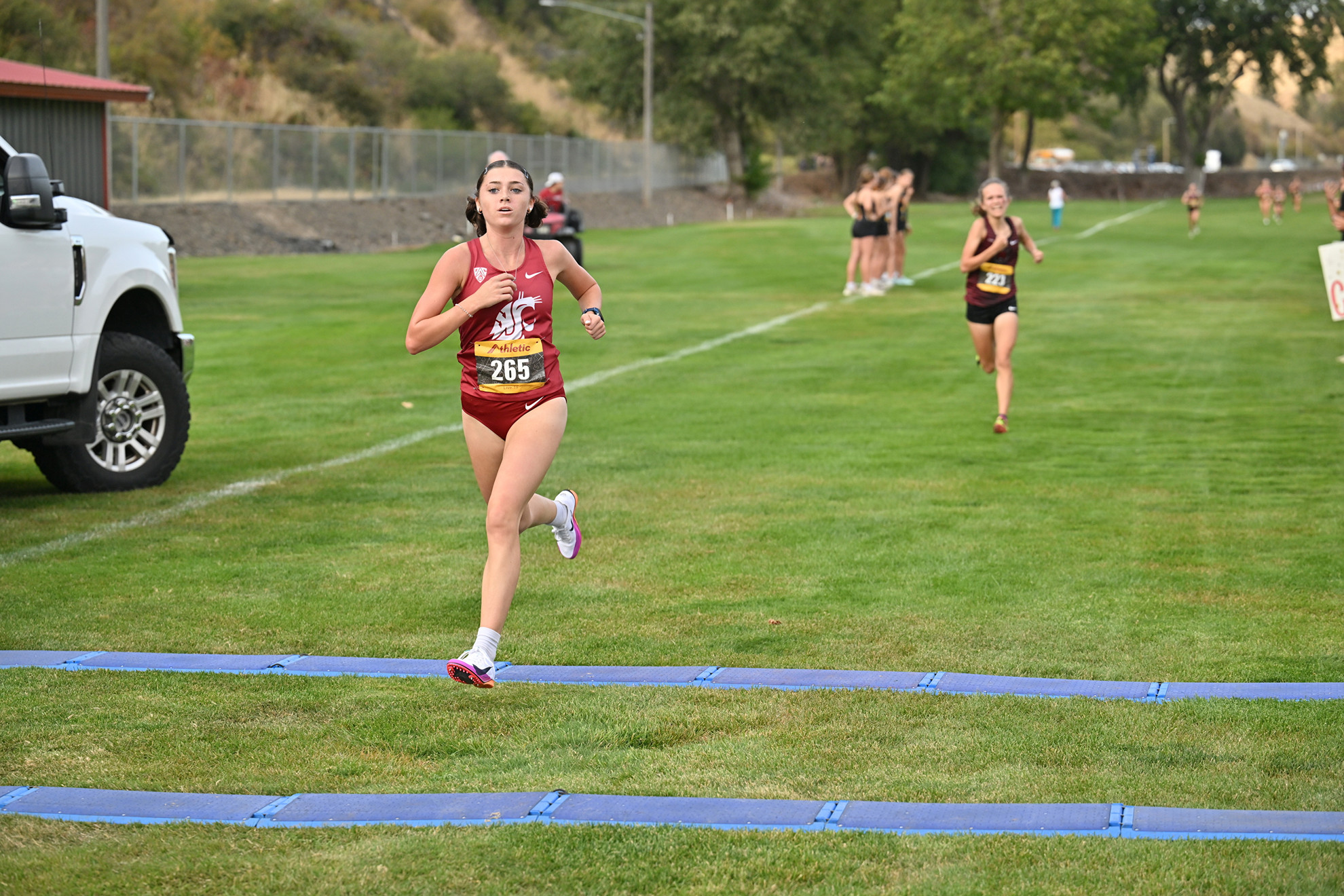
Coug Women Hold Steady at No. 13, Still Top of the West
No. 13 in the country, and still the top-ranked program west of the Mississippi. That is where the Cougar women sit in the latest national poll, and it is a spot that feels earned. Not flashy, not lucky. Just steady. While other programs wobble and reshuffle, WSU's women's team keeps proving that consistency is its own kind of flex. There is no drama here, just results. Being the best in the West means something when the West includes Stanford, Oregon, and UCLA. It means Pullman is on the map for more than just football talk. If you want to dig into how the rest of Cougar sports is shaping up, Kirby Moore broke down Boise State week on the Cougar Football Hour. That is worth a listen. But for now, the women have given us a reason to hold the phone and just be proud. No asterisks. No caveats. Just a ranking that says what we already knew: this program is built right. Go Cougs.
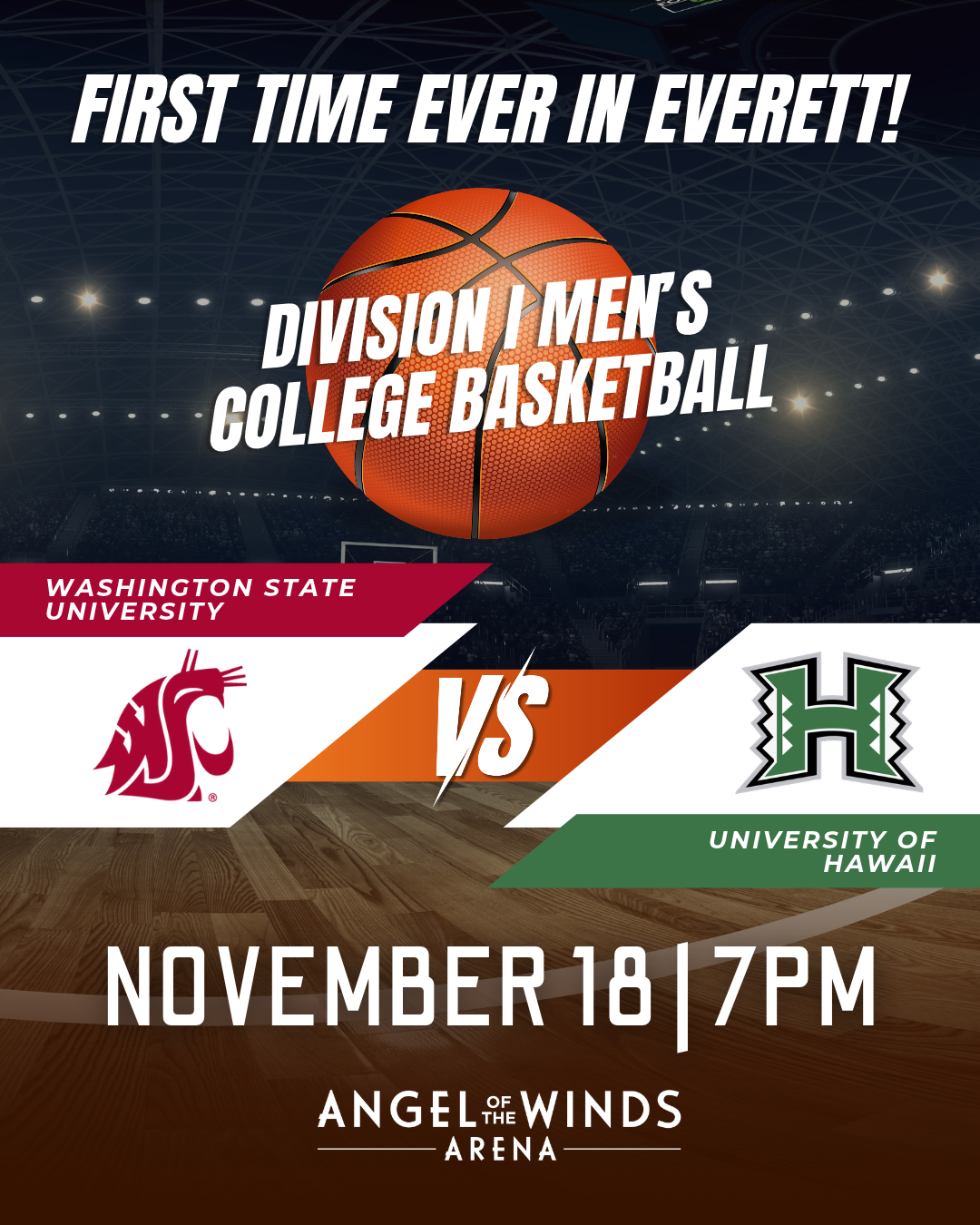
WSU hoops heads to Everett for a November neutral-court game
Everett is getting a real November treat. WSU hoops is bringing a neutral-court game to the city, and it's exactly the kind of matchup that makes you want to clear a Tuesday night. No home-court advantage, no familiar rafters, just basketball, plain and simple. Cougs in the stands will have to bring their own noise. This is a smart move. Pullman is home, but the program has alumni scattered everywhere. Everett is a good halfway point, a place where the Palouse feels close enough and the city feels far enough. Neutral-court games have a different energy. It's not hostile, but it's not cozy either. You have to earn every call. If you've been following the team through the early season, you already know the kind of intensity that's showing up. The roster is taking shape, and if you want to see how that work translates away from Beasley, this is the game to watch. For more on how the Cougs are building that identity, check out our coverage of fall ball and the early roster talk in "Riley and the roster speak, fall ball is next." It's good context for what you'll see in Everett. Mark the calendar. Bring a friend who forgot what Pullman feels like. And remember, when the ball goes up, it's just you, the Coug next to you, and the game. Go Cougs.
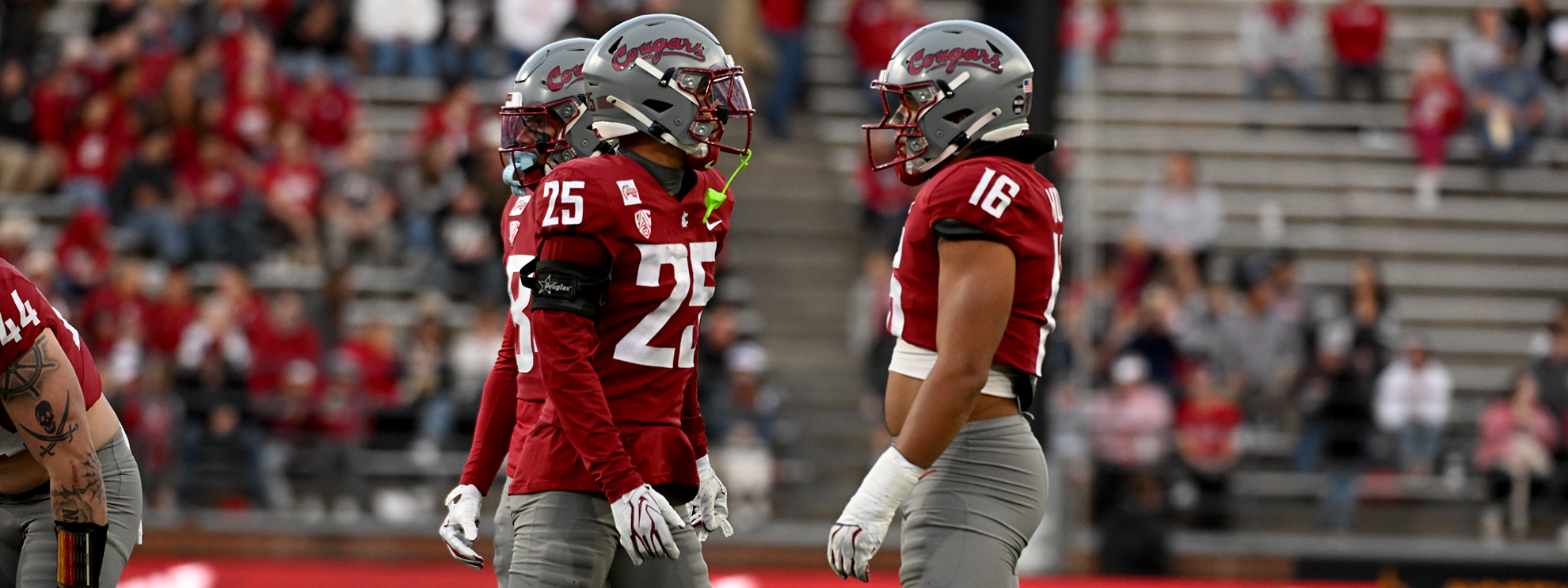
Hall of Fame Weekend Gets a Top-25 Test for the Cougs
The Cougs are about to find out exactly where they stand, and they're doing it in front of a packed house of alumni. Hall of Fame Weekend is already a special return to Pullman, but this year it comes with a top-25 test attached. That changes the feel of the whole thing. We know the women's team is sitting pretty at No. 13, still the top dog out West. If you missed that update, go find "Coug Women Hold Steady at No. 13, Still Top of the West" on the site. It pairs well with the weekend ahead. The men's side is the one with something to prove here. A ranked opponent coming to town during a weekend built for nostalgia? That is the kind of pressure that either breaks a team or shows you what it's made of. It is easy to get swept up in the pageantry of the Hall of Fame ceremonies. The stories, the faces, the memories. But the guys on the floor have to lock in and play their game, not the one the visitors want to play. A win here means more than a notch on the schedule. It says the program is back in the conversation. This is the kind of weekend that reminds you why you keep coming back to the Palouse. The town, the people, the big game under the lights. Go Cougs.
WSU study says pass the bong, not the breastmilk, new moms
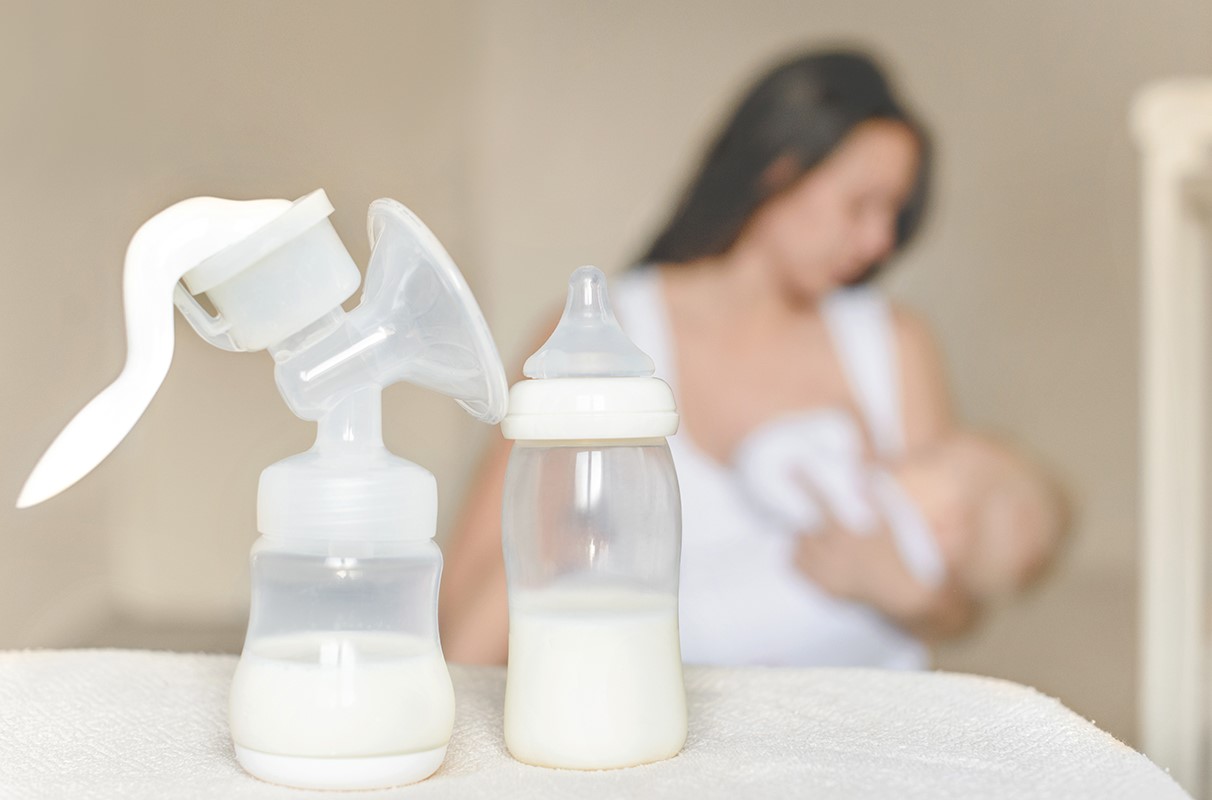
If you're a new mom who also happens to enjoy cannabis, a new WSU study has some advice: pass the bong, not the breastmilk. The researchers aren't out here saying weed is fine for babies. They're saying we don't actually know what happens when it gets into breastmilk, and that's the problem. The study calls for more research on how cannabis use during breastfeeding affects infant health. Right now, the science hasn't caught up to the reality that plenty of moms use it. That gap matters. It's the kind of real-world question that doesn't get the same attention as the football field, but it matters just as much to Coug families. And speaking of focus, if you missed it, we also published a piece on Keith Brown deleting social media to lock in on WSU's defense. Different kind of discipline, same respect for tuning out what doesn't serve you. This cannabis-and-breastfeeding study isn't a recommendation. It's a heads-up. Moms deserve real answers, not just a shrug. WSU is asking the question. That's the Coug way, look at the thing nobody wants to stare at and say, "We should probably figure this out." Go Cougs.
Jane LaRiviere on Gonzaga Week and what's next for WSU rowing
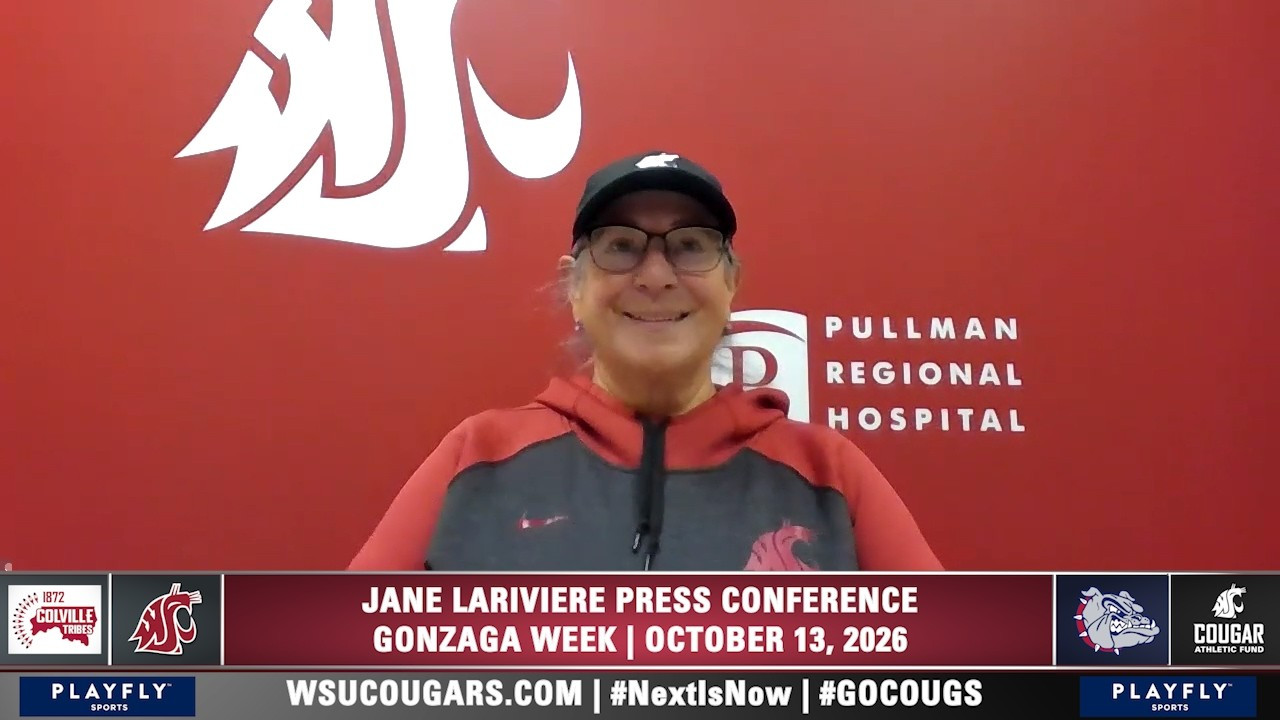
Jane LaRiviere doesn't sugarcoat Gonzaga Week. She knows what it means for WSU rowing, and she's not shy about saying this is the kind of test that tells you what you're made of. The Cougs have been putting in the work on the Snake River, and now they get to see if that translates against a program that doesn't take days off. LaRiviere is the kind of coach who will tell you the scoreboard matters, but she'll also tell you the process matters more. That's a good thing, because Gonzaga doesn't roll over. What comes next for WSU rowing is the part that should get Cougs paying attention. This isn't a one-week blip. LaRiviere is building something that lasts, and the depth she's talking about suggests the program is past the point of hoping for a good race. They expect to be in it. If you're looking for more on what's ahead for Cougar sports, our piece on Korey Schroeder behind the mic for Boise State and Fresno State gives you a different look at what game week prep sounds like from the booth. Two sports, same kind of focus. For now, the oars are in the water and Gonzaga is on the schedule. That's enough. Go Cougs.
Schweitzer and WSU team up to tackle wildfire research, no fluff
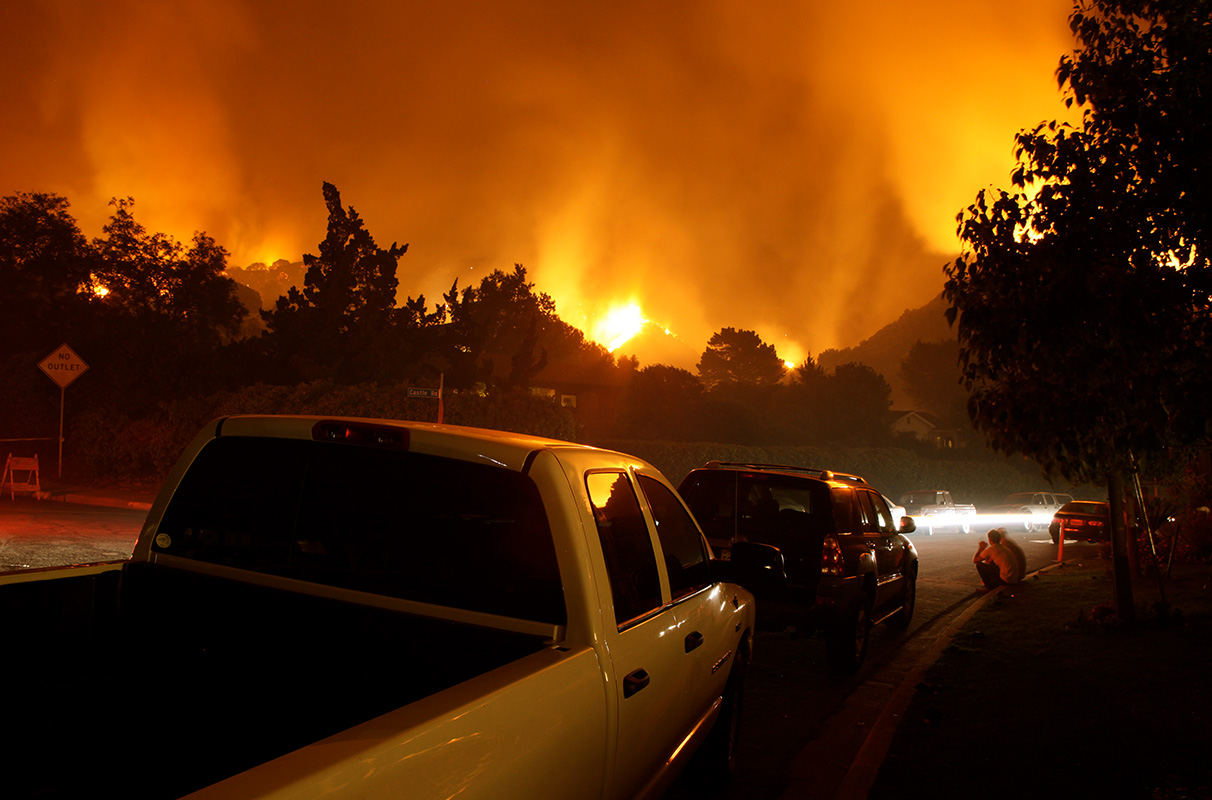
Wildfire season used to mean watching the Palouse turn orange from a safe distance. Now it means something closer to home, and Washington State is done waiting for the smoke to clear. The university just teamed up with Schweitzer on a wildfire research partnership, and the pitch is refreshingly direct: no fluff, just figuring out what the hell we actually need to know before the next big one hits. The deal is built around aligning research with what communities and industry are already screaming about. That's the smart part. Too often these partnerships start with a lab's curiosity and work backwards. Here, they're starting with the ground truth. If you've spent a summer in the Palouse, you know the drill: the wind shifts, the air gets thick, and suddenly everyone's checking the nearest evacuation zone. This is about getting ahead of that. It's not the kind of headline that jumps off the sports page, but it's the kind of work that keeps the town standing when the grid goes quiet. And if you want to see what focus looks like on the field, Moore taking over the playcalls this week is the same energy. Different stakes, same principle. You identify the problem, you stop dancing around it, and you fix it. Go Cougs.
The Coug who built the NBA Summer League from scratch
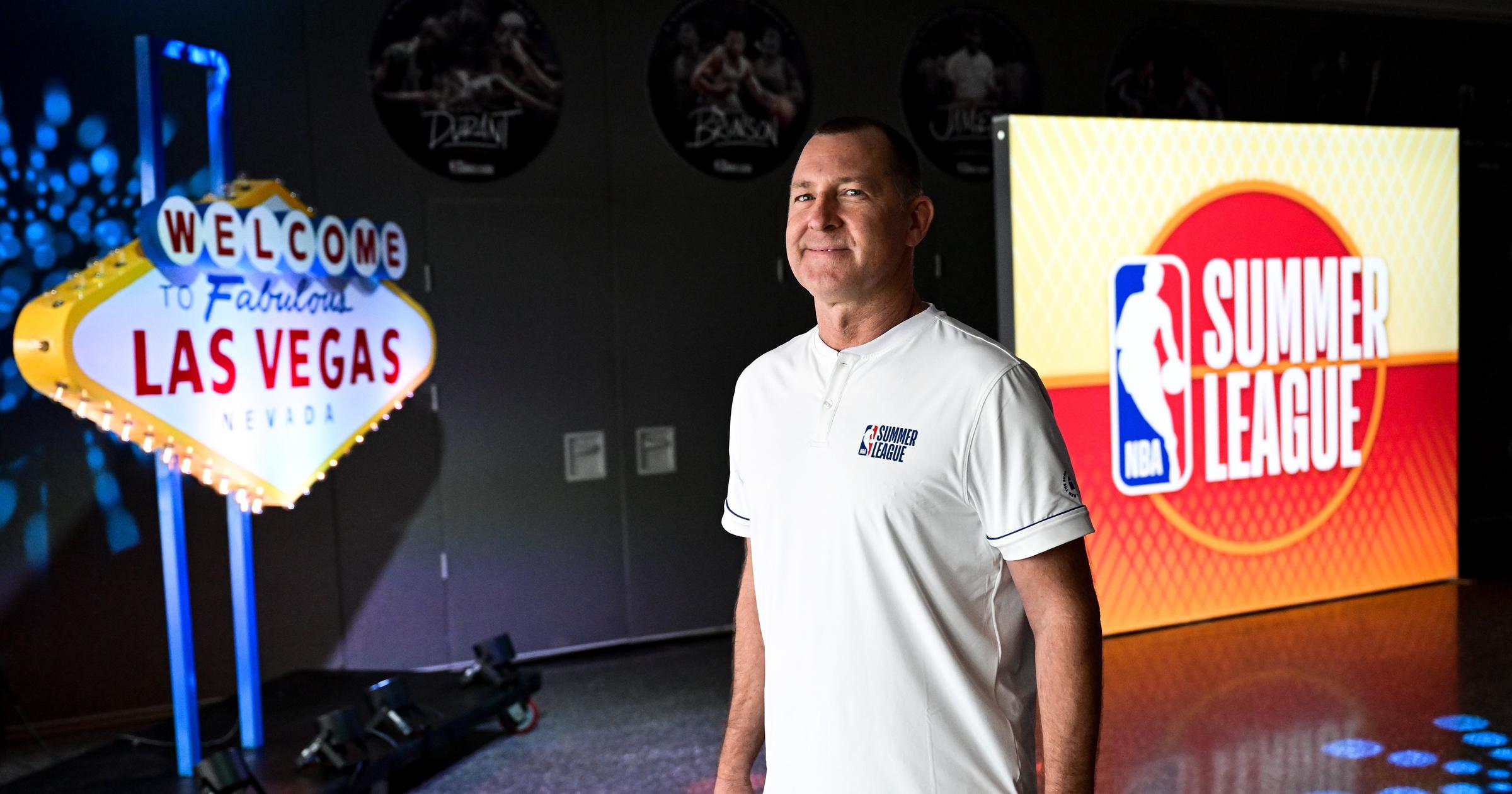
Albert Hall's day at NBA Summer League starts with a 6:30 a.m. wakeup and doesn't end until well past midnight. In between, he's handling medical emergencies, confiscating fake tickets, meeting with an NBA owner who wants court time for his kid, and schmoozing at the Palms without eating dinner. That's just night five. Hall, a Tacoma native and 1991 WSU Murrow grad, built this thing from scratch with Warren LeGarie. Twenty-two years ago, they had six teams, a box of fliers, and inflatable people in the stands to make it look full. Now it's the NBA's "31st franchise," drawing 156,000 fans and setting TV records. Hall's path from Pullman to Vegas is pure Coug. He took a casino job in Lake Tahoe for the skiing, then worked for the Sonics, where George Karl sent him to pick up a guy in a Hawaiian shirt. That guy was LeGarie. They've been partners ever since. Hall still gets back to Pullman for football games and has been helping new hoops coach David Riley connect with the NBA world. He even hosted a group of Coug fans in Vegas this summer, covering tickets and hotels in exchange for NIL support. That's the kind of loyalty you don't forget. If you want more on Riley's roster moves, check our story on Mohamed Sankhe. Go Cougs.
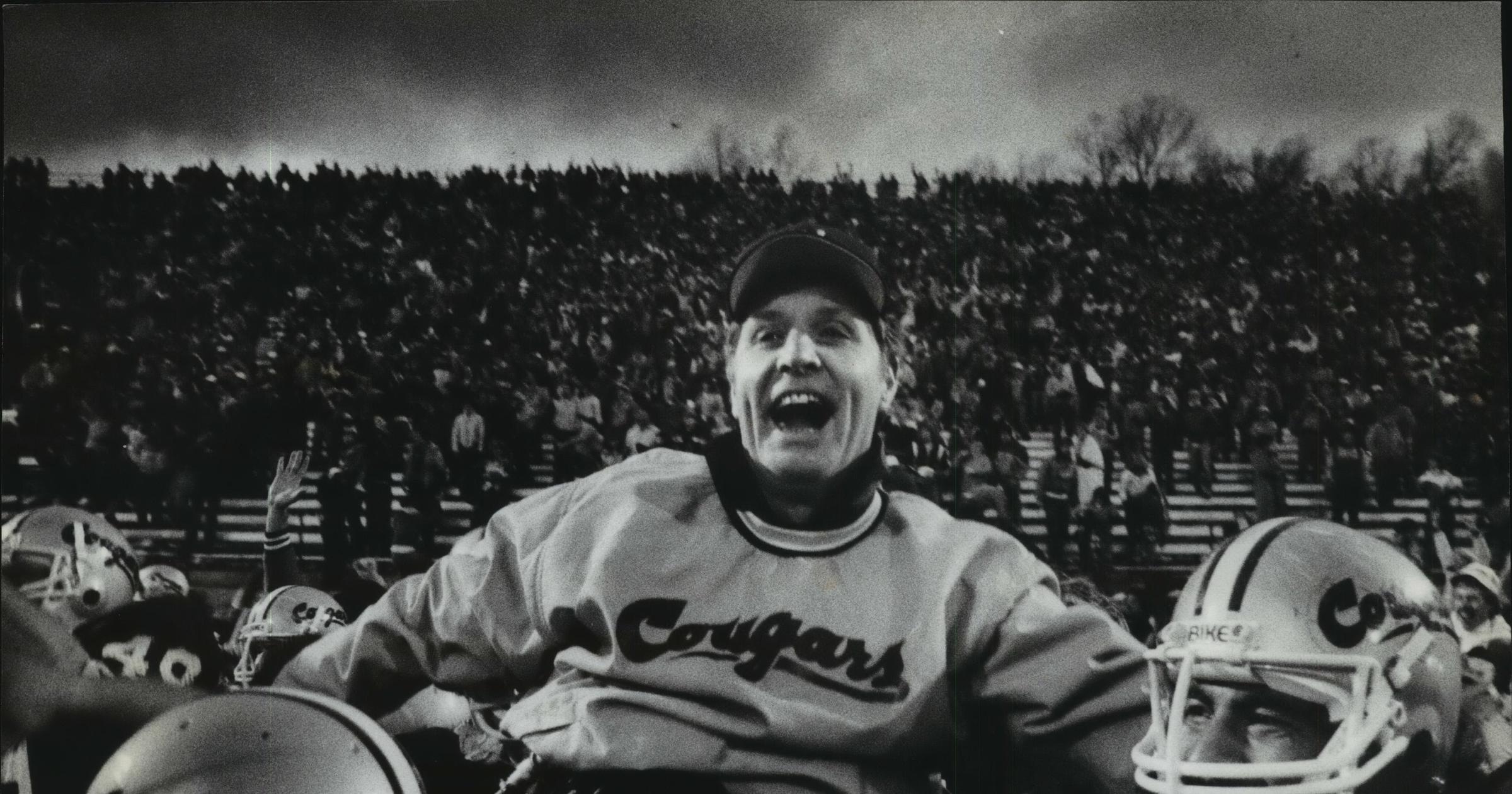
Jim Walden brought the Cougs to a bowl after 50 years: gone at 88
Jim Walden walked into Pullman in 1978 and told a program that hadn't seen a bowl game since 1931 to get ready. He delivered. The 1981 Holiday Bowl ended a 50-year drought, and he did it with a style that made him unforgettable long after the final whistle. Walden died Thursday in Coeur d'Alene at 88, and if you're a Coug of a certain age, you can probably still hear his voice, first from the sideline, then from the broadcast booth next to Bob Robertson for 11 seasons. He went 44-52-4 at WSU, which doesn't sound like much until you remember what he was working with. Two Pac-10 Coach of the Year awards. Apple Cup wins in 1982, 1983, and 1985, including a 21-20 snow game in Seattle where the Huskies were heavy favorites and Don James called himself a "2,000-word underdog" just to get a jab in. Walden coached Jack Thompson and Mark Rypien, Rueben Mayes and Keith Millard. He coached the kind of players who made Pullman matter. He left for Iowa State, came back to the Palouse to call games, and never stopped being a Coug. The athletic department called him a "great Coug who deeply loved Washington State." That's the truth. If you want to know what one coach can mean to a place that doesn't get many second chances, start with Jim Walden. Go Cougs.
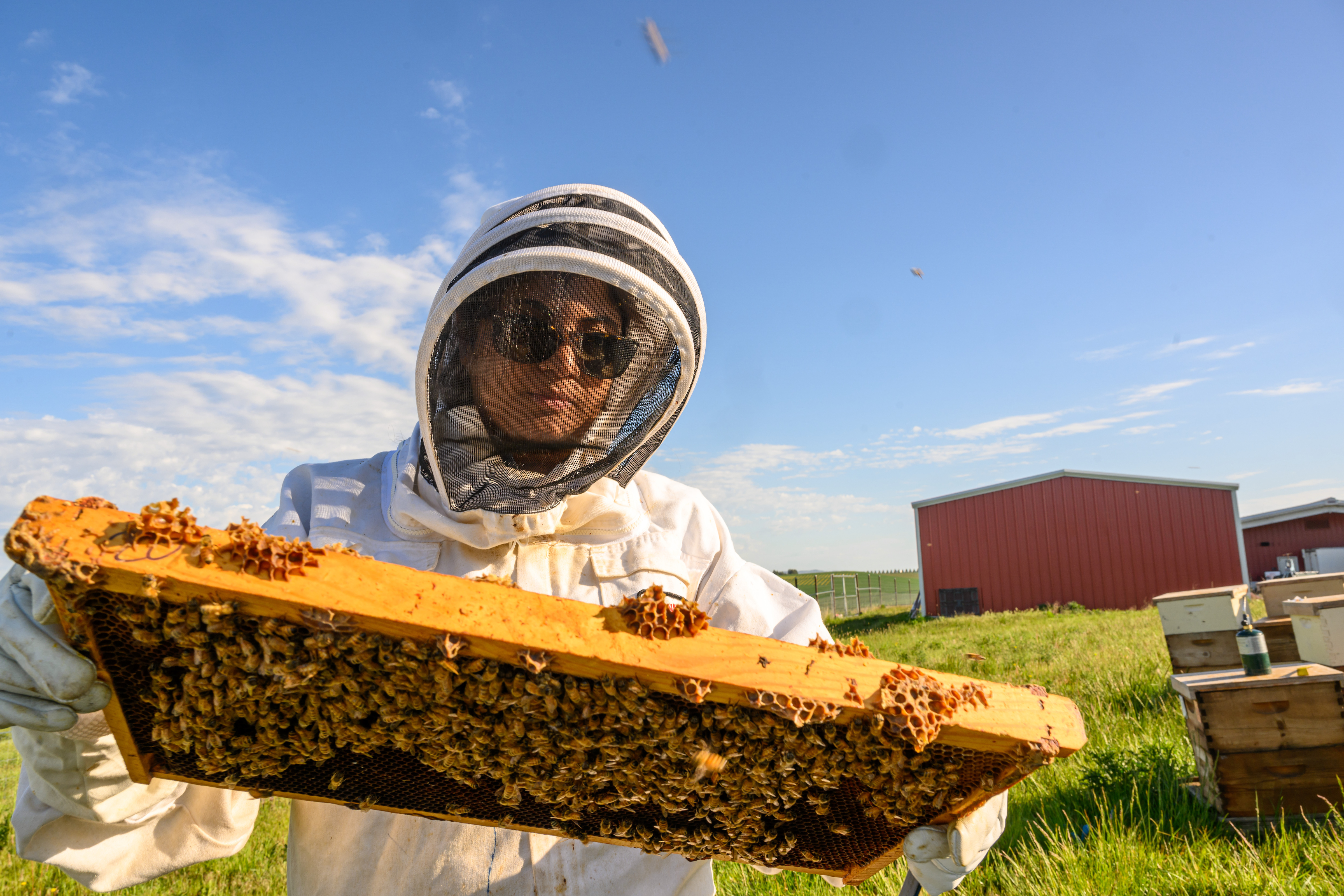
WSU scientists dig in to save honey bees from the brink
Honey bees are having a rough go of it, and WSU has people on the ground trying to change that. Scientists at the university are digging in to figure out how to keep these little pollinators from sliding further toward the brink. It's not just about honey, though that's a nice perk. It's about the crops they pollinate and the food chain that leans on them. When the bees struggle, we all feel it eventually. The threats are piling up: pests, disease, habitat loss, the usual modern mess. WSU's approach isn't a single silver bullet. It's a lot of patient, unglamorous lab work and field research. That's the kind of thing Pullman does well. Nobody's clapping for it on a highlight reel, but it matters. This is the same university that's quietly helping rural schools swap diesel for solar and putting first-gen nursing students through the wringer with a purpose. WSU doesn't always grab the biggest headlines, but the work coming out of the Palouse tends to outlast the news cycle. The bee research fits right in. It's practical, it's urgent, and it's the kind of problem that doesn't solve itself. We'll be watching what they find. And if you want a reminder of how WSU keeps showing up in unexpected places, check out the piece on rural schools going solar. It's the same stubborn, useful energy. Go Cougs.
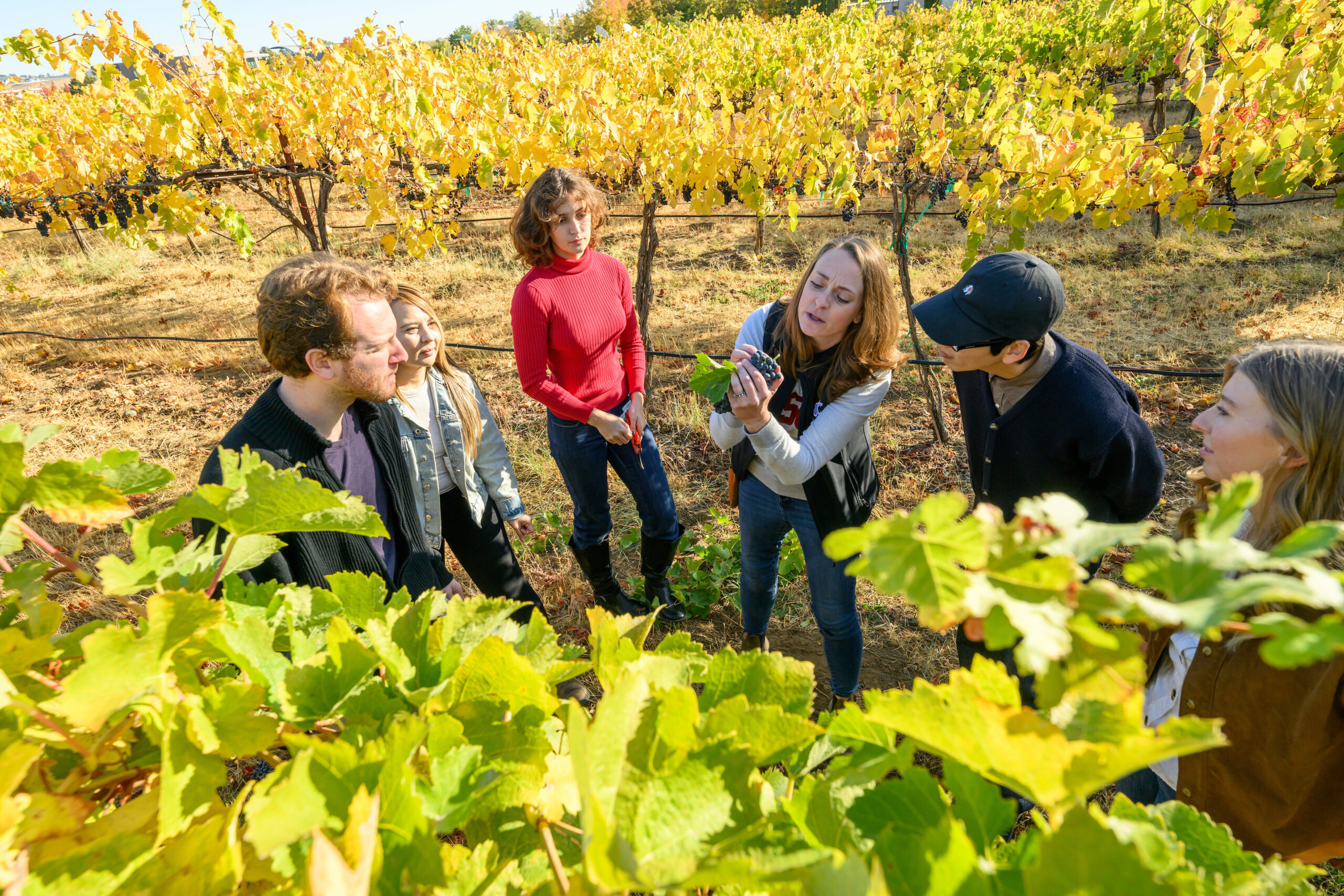
Washington wine didn't happen by accident. Cougs helped build it
You don't have to dig deep into Washington wine country to taste the Cougar in the glass. That's because WSU didn't just show up to the harvest, it helped plant the roots. For decades, the university has worked shoulder-to-shoulder with growers and producers across the state, turning what could have stayed a scrappy regional hobby into an economic powerhouse. That's not luck, and it's not happenstance. It's the result of patient, hands-on work in the vineyards and the labs, the kind of quiet persistence that doesn't make for flashy headlines but sure makes for a good bottle. The wine industry here doesn't owe everything to Pullman, but it owes a lot. And it's worth saying plainly: Cougs built this, and we're not shy about it. The same spirit that drives our ag research, the kind that makes the Palouse a little smarter every season, shows up in the vines. If you want to see how that same practical innovation plays out elsewhere, our piece on WSU's smarter corn fields is worth a click. But today, raise a glass to the growers, the researchers, and the decades of grit that made Washington wine a name you actually hear outside the state. It didn't happen by accident. It happened because Cougs showed up, got their hands dirty, and stayed. Go Cougs.
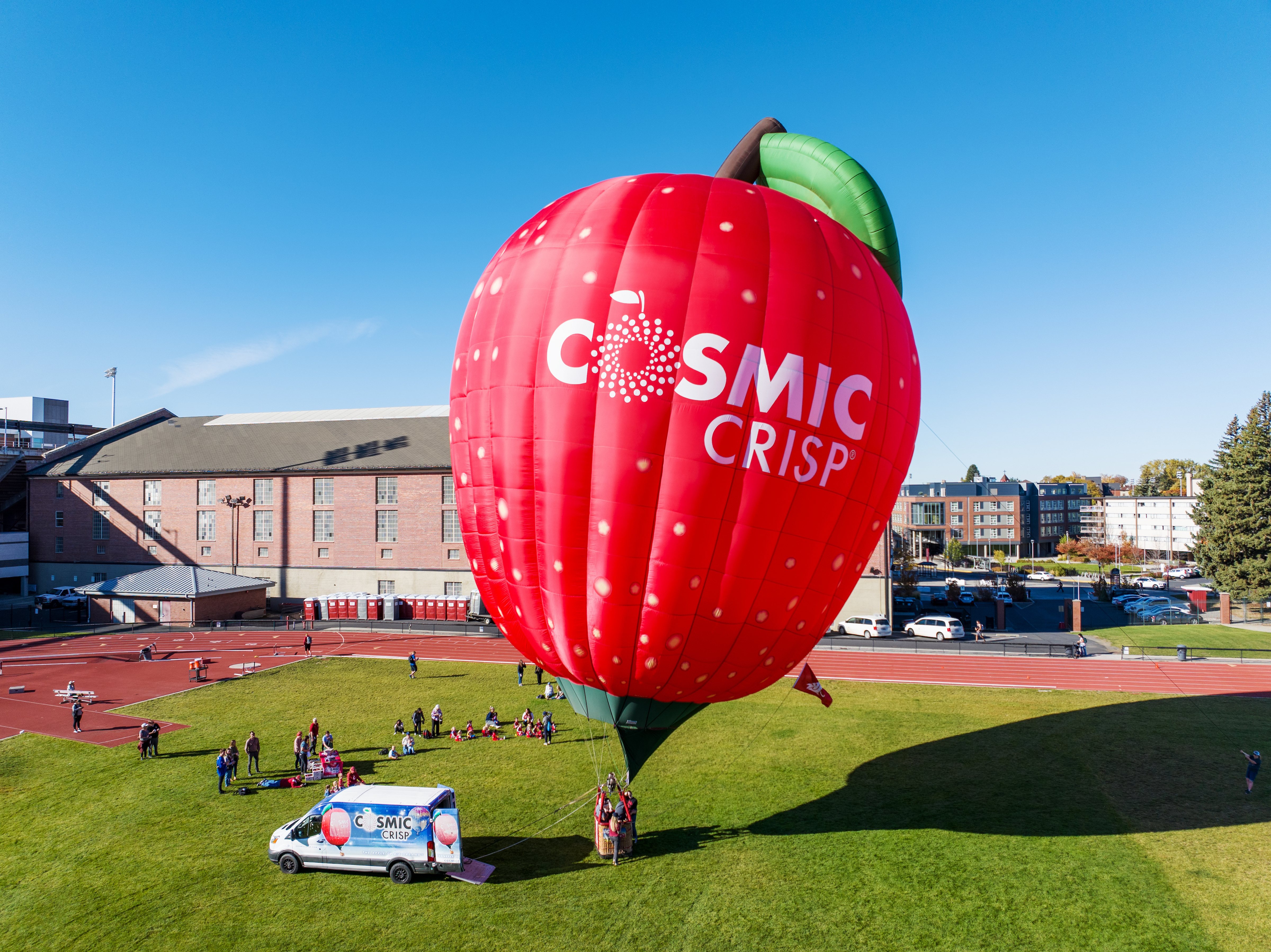
The apple that changed Pullman's economy is finally in your grocery store
The Cosmic Crisp® didn't just show up in the produce aisle. It took Washington State University researchers decades to get it there, and now the apple that helped change Pullman's economic fortunes is sitting in your grocery store like it's no big deal. It is a big deal. This is the apple that was literally bred to be the apple: firm, sweet, slow to brown, and built to last in storage without turning into sad mush by Thanksgiving. That kind of work doesn't happen by accident, and it doesn't happen without a land-grant university digging into the messy, unglamorous business of agriculture. Pullman has always been a farm town at heart, and the Cosmic Crisp is proof that the Palouse isn't just wheat fields and wind. It's where the future of the orchard industry got planted, one cross-pollination at a time. The economic impact is the part worth sitting up for. This isn't a novelty apple for fancy grocery stores. It's a crop that was designed to give Washington growers a new revenue stream, one that could compete with the big names and keep money flowing into the state's rural communities. You don't have to be a farmer to feel that. You just have to live here. It's the same kind of groundwork that built the state's wine industry, the one Cougs helped grow one vineyard at a time.

Tanzanian dogs stay safer with WSU's smarter shot schedule
You know what's worse than a sick dog? A sick dog you thought was fine. For three years, WSU researchers ran a smarter vaccination schedule in Tanzania, and the results are pretty clear: annual campaigns aren't cutting it. The new approach kept more dogs protected against disease, which matters when those dogs live alongside people. It's not flashy. It's a shot schedule. But it works. This is the kind of work that makes you proud to be a Coug. Not because it's headline-grabbing, but because it's practical. WSU went to Tanzania, did the study, and found a way to keep more dogs safe without asking for more resources. That's the Palouse way: figure out what works, then do it. If you want another example of WSU researchers getting their hands dirty, check out "WSU digs into Alaska dirt and finds soil warming faster than we thought." Different continent, same stubborn curiosity. The point is, our people are out there, not sitting in an office guessing. So next time you're walking your dog on the Palouse, maybe think about the Cougs in Tanzania who made a few more pups safer. It's a small thing. But small things add up. Go Cougs.
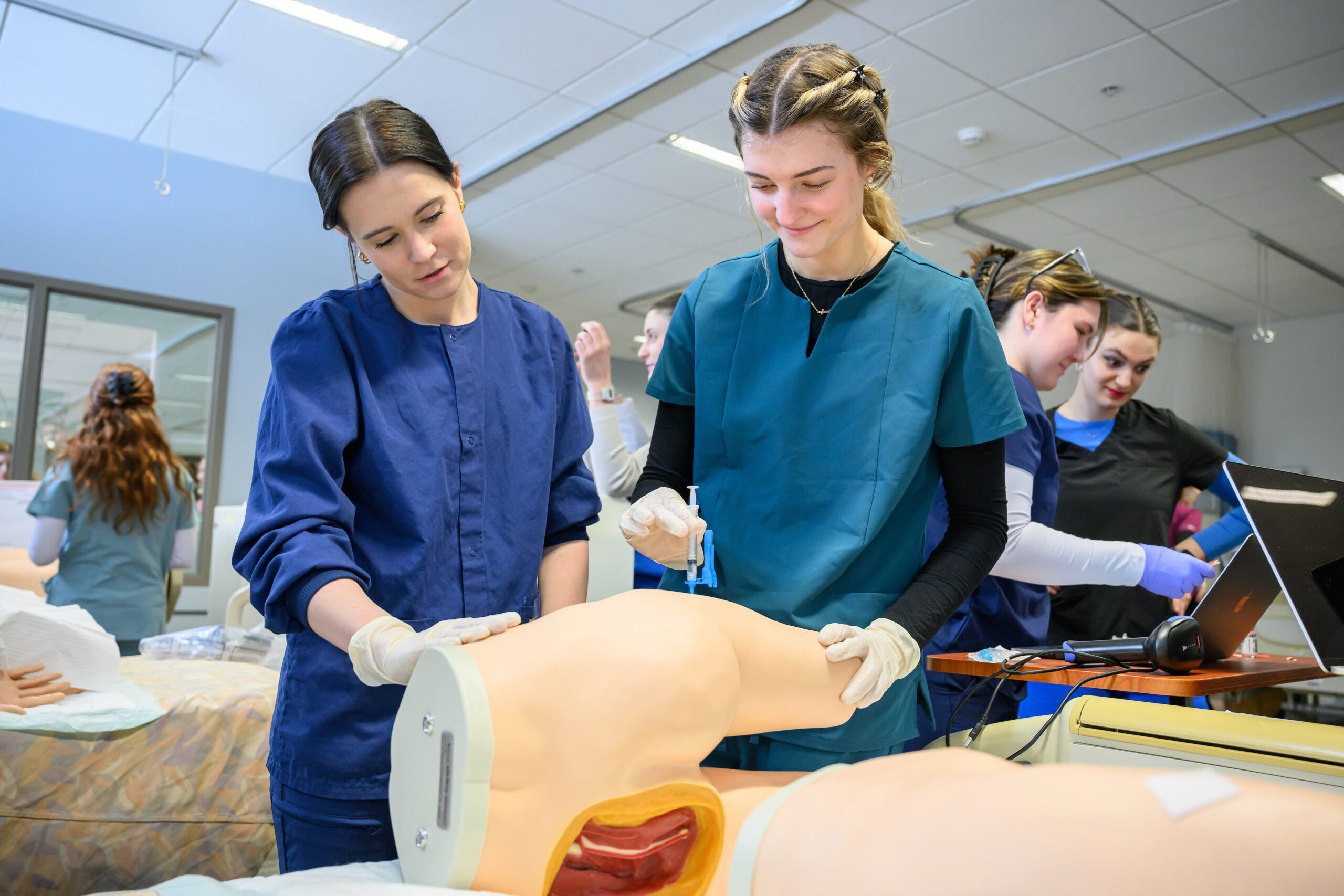
Nearly half the nursing students at WSU are first-gen and they're built different
Nearly half the nursing students at WSU are first-gen, and they're built different. That's not just a nice stat for a brochure. It means the College of Nursing now holds the highest percentage of first-generation students at the entire university. Think about that for a second. These are students walking into one of the toughest programs on campus without a parent who already knows the ropes. No one at home can tell them how to pick a clinical rotation or what to say in a lecture hall. They figure it out anyway. That kind of grit is pure Coug. It's the same stubbornness that gets a kid from a small town through organic chemistry at 8 a.m. and then back to a part-time job. WSU has always been a place where hard work matters more than where you came from, and this data proves it's still true. The university isn't just admitting first-gen students, it's graduating them as nurses. That matters in a state that needs more rural healthcare workers, and it matters in Pullman, where a lot of these students will stay and serve. If you want to see how WSU keeps showing up for people who show up for themselves, check out our story on the Global Campus rankings. Same mission, different zip code. Go Cougs.

WSU's corn fields got smarter, and the AI didn't even need a Palouse sunrise
There's something almost poetic about a corn field that doesn't need a perfect Palouse sunrise to do its job. Washington State's AgWeatherNet has been out there quietly collecting data, and now the AI is taking that information and turning it into something farmers and ranchers can actually use. Automation, insights, better decisions, all coming out of the same ground we walked on. That's the part that gets me. This isn't some far-off tech hub story. This is WSU doing what WSU does: solving real problems for real people who work the land. The system has been around, feeding weather data into the machine, but now the machine is smart enough to talk back. It's not just telling you it's dry; it's helping you figure out what to do about it. You don't have to be a farmer to appreciate that. You just have to know how hard that work is, and how much a little foresight can save a season. The fact that this is coming out of Pullman, from the same university that taught us to think critically and show up early, makes it feel like home. It's easy to get caught up in scores and Saturdays. But this is the other side of Wazzu, the part that doesn't make the highlight reel but keeps the lights on. Smart corn, smarter systems, and a university that refuses to stay in the lab when it can help the field. Go Cougs.
Pullman lab aims nanoparticle at endometriosis, human trials in sight
A Pullman lab has a nanoparticle aimed directly at endometriosis, and human trials are actually in sight. That is not a headline you read every day. For the roughly one in ten women who deal with this condition, treatment has mostly meant managing symptoms or surgery. This is different. The therapy uses a nanoparticle to deliver drugs straight to the disease site instead of flooding the whole body. That is the kind of targeted work that makes you stop and think about what is happening in those labs on the hill. We have covered a few WSU studies lately, and they share a theme: researchers here are not afraid to ask simple, stubborn questions. Our piece on the weed placebo trial showed that sometimes what you believe matters as much as what you inhale. That one is worth a read if you missed it. Back to the nanoparticle. The researchers are hoping to move toward human trials. That is a big step, and it means the work has passed some serious hurdles already. Pullman is not a place that chases headlines. It is a place where people solve problems that nobody else has cracked yet. This story is still early, but it is the kind of news that makes a Coug proud to say they came from here. Go Cougs.
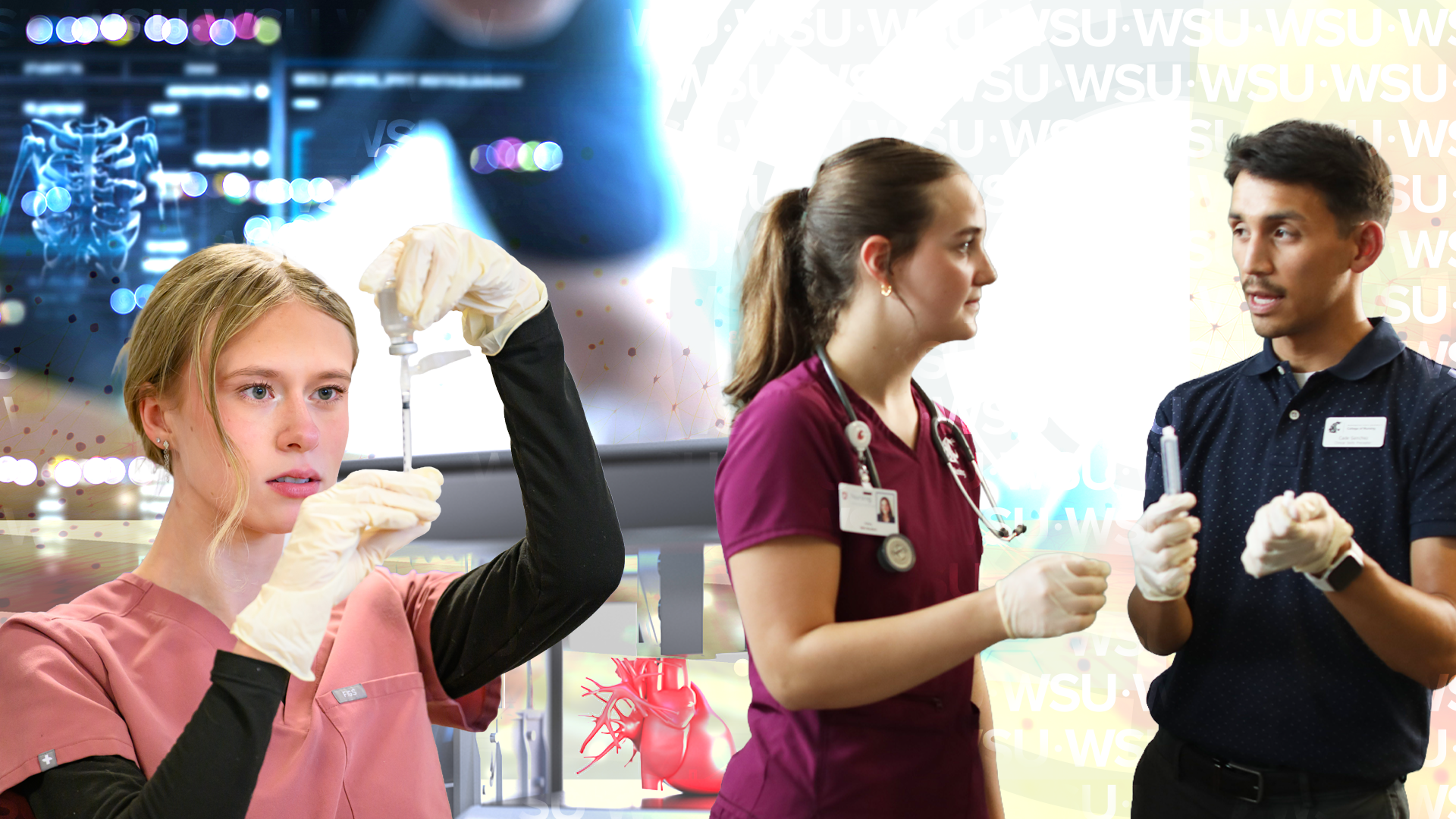
WSU puts AI to work on human health, no hype required
WSU just dropped a new AI project, and for once, nobody is trying to sell you a flying car. The university is putting artificial intelligence to work on human health, and the pitch is refreshingly simple: make people better, not just buzzwords. True to the land-grant mission, they're also aiming this tech at health equity and outreach. That means the same algorithms that can spot a disease pattern might also help a rural clinic reach patients who don't have broadband. That's Pullman thinking, solve the problem where it lives. We've seen this kind of grounded innovation before. If you read our piece on the Cosmic Crisp® apple, you know how one crop changed the economy around here. That same no-nonsense, Coug-built approach is alive in the AgWeatherNet system, where AI turns farm data into real action without needing a postcard sunrise to make it work. Now it's health's turn. No hype. Just WSU doing what it does: take a tool, point it at a real need, and let the results speak. This is the kind of story you text a friend who still brags about the Cougs. It's not flashy. It's useful. And it's ours. Go Cougs.

BECU pod goes behind the scenes with two WSU athletics staffers
BECU's latest pod isn't another highlight reel. It takes you behind the desk with two WSU athletics staffers, the people who keep things running while the rest of us watch the scoreboard. That's the kind of content I actually want to hear. Pullman works because of the people who stay late, answer emails at odd hours, and figure out how to get 85 guys on a bus. This pod gives them the mic. We don't always get to see that side. Most of the coverage is about the players, the coaches, the final play. This one is about the operation. It's a reminder that Cougar athletics doesn't run on talent alone. It runs on people who treat it like a calling, not a job. I'm glad BECU is telling that story. If you want more from this week's Cougar coverage, check out "Kirby Moore breaks down Fresno State tape on this week's Cougar Football Hour." It pairs well with this pod. One looks at the game plan. The other looks at the people making the plan possible. Go Cougs.
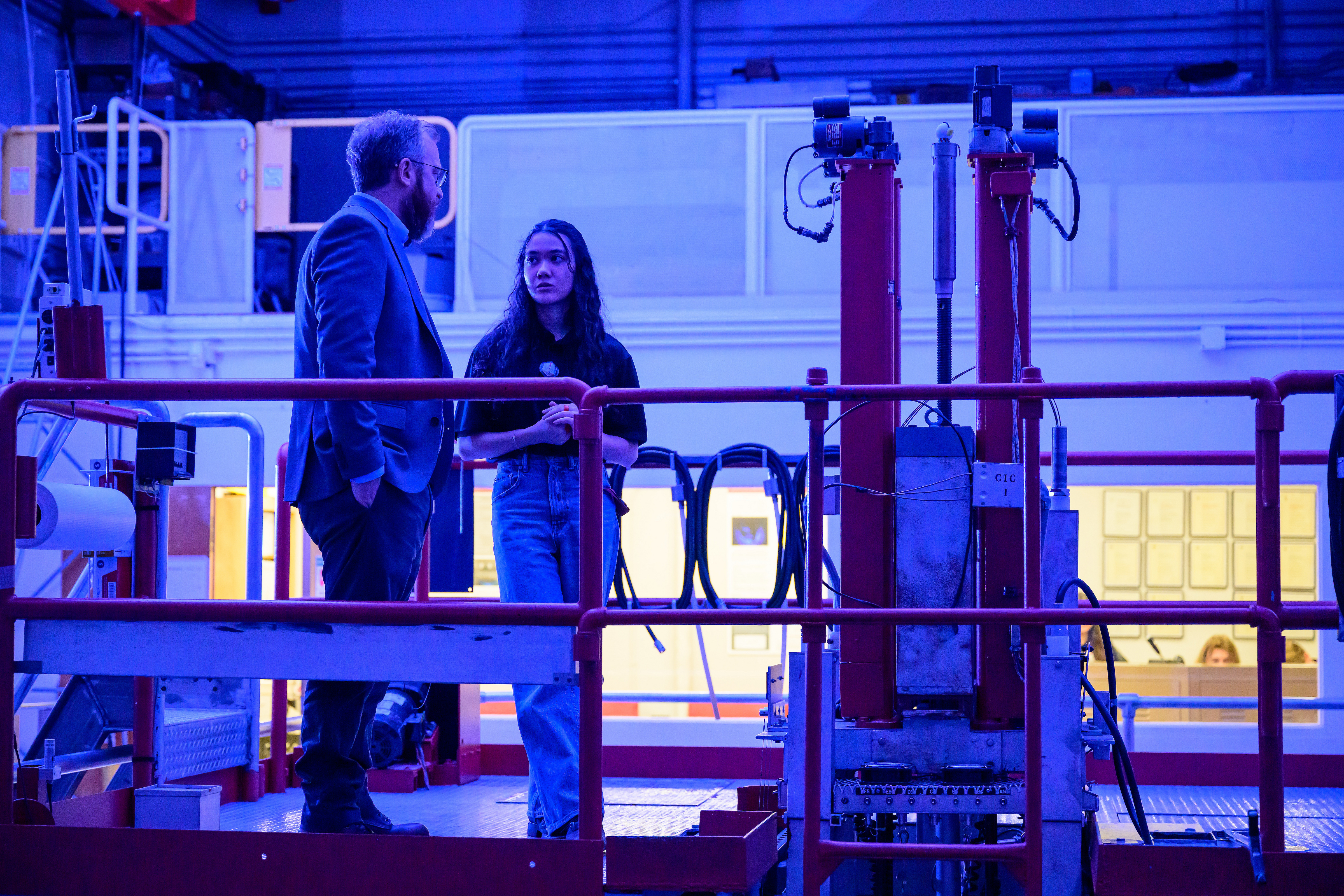
WSU's old reactor know-how is writing the next chapter
The old WSU nuclear reactor in the basement of the Dodgen Research Facility hasn't been critical since the early 2000s, but its brain trust never really left the building. Now that brain trust is writing the next chapter. Washington State University is stepping back into the nuclear conversation, this time with the kind of know-how you only get from decades of hands-on work. The reactor may be shut down, but the expertise isn't. WSU will help shape what comes next for nuclear energy, building on a foundation most schools can't claim. This isn't a flashy pivot. It's a return to something Pullman has always done well: work that matters, quietly, and then suddenly everyone notices. It fits a pattern across this university. The WSU College of Nursing just reported that nearly half its students are first-generation, and they're built different. That's not a coincidence. WSU pulls from communities that show up ready to work, whether it's in a hospital or a research lab. The nuclear story deserves your attention. It's not about nostalgia for the old reactor. It's about what that experience makes possible now. When the country needs answers on clean energy, WSU already has the people who know the questions. Go Cougs.
AI Scans the Wild in Days, Not Months, and Pullman Helped Build It
Wildlife cameras catch everything, a lynx slipping through a creek bed, a bear scratching a tree, a herd of elk moving at dusk. Then somebody has to sort through the thousands of photos. That used to take months. Now it takes days, and Pullman helped build the tool that made it happen. WSU researchers trained artificial intelligence to scan trail-camera images and identify species in a fraction of the time. That is not a small efficiency gain. It is the difference between a biologist getting a report before the snow melts or after the grant runs out. Faster data means faster decisions about habitat, migration, and fire recovery. The kind of work that actually keeps wild places wild. This is the same kind of applied thinking that shows up in our other coverage, like the Coug researchers betting AI can crack the snowpack riddle for Northwest farms. That story digs into how machine learning is taking on a multibillion-dollar question for agriculture. Same instinct. Different problem. Both built by people who know what happens when you wait too long for an answer. Pullman does not always get credit for the tech coming out of it. This one deserves some. A tool that speeds up conservation work by months? That is worth a text to a friend. Go Cougs.
Your diploma is still a Coug, even if you haven't set foot on campus since 2003
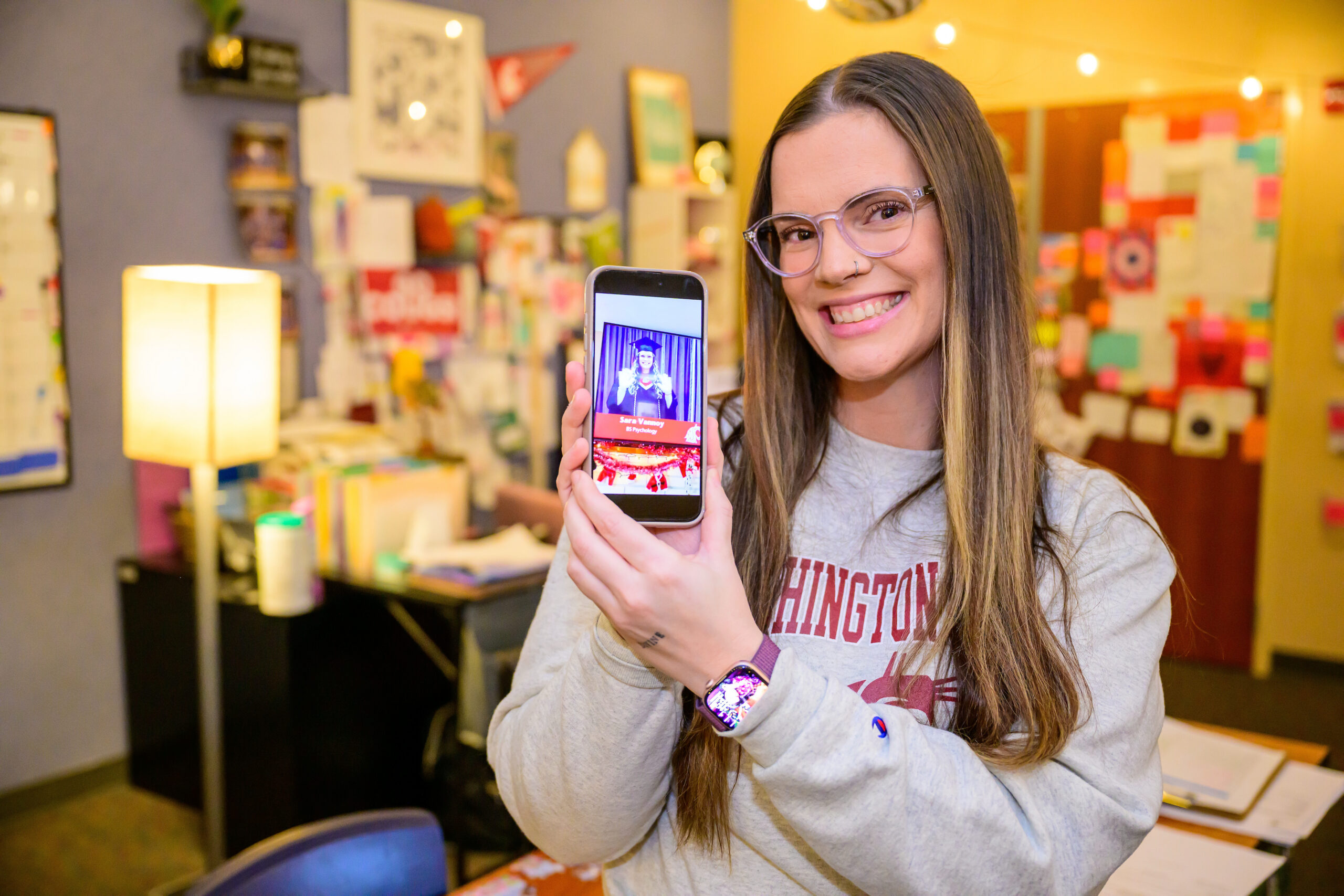
Your diploma is still a Coug, even if you haven't set foot on campus since 2003. The WSU Global Campus just got ranked among the top online programs in the nation by U.S. News & World Report, in multiple categories. That's not a surprise to anyone who's ever tried to finish a degree while working a full shift or raising kids. WSU built this thing for people who don't have the luxury of quitting life to go back to school. It's easy to forget that Pullman isn't the only place Cougs are made. Thousands of us earned the same degree from a kitchen table or a library computer. This ranking says the university hasn't forgotten you either. The same rigor, the same faculty, the same land-grant mission, just delivered to wherever you are. WSU has always been good at showing up where it matters. The same practical drive that put the Cosmic Crisp® in your grocery store and helped build Washington's wine industry is what makes the Global Campus work. It's not flashy. It's just effective. If you've been thinking about finishing what you started, or you know someone who should, this is your sign. The university earned the recognition. You earned the degree. Go Cougs.
For the Leaupepetele brothers, Sunday dinner looks a lot different now
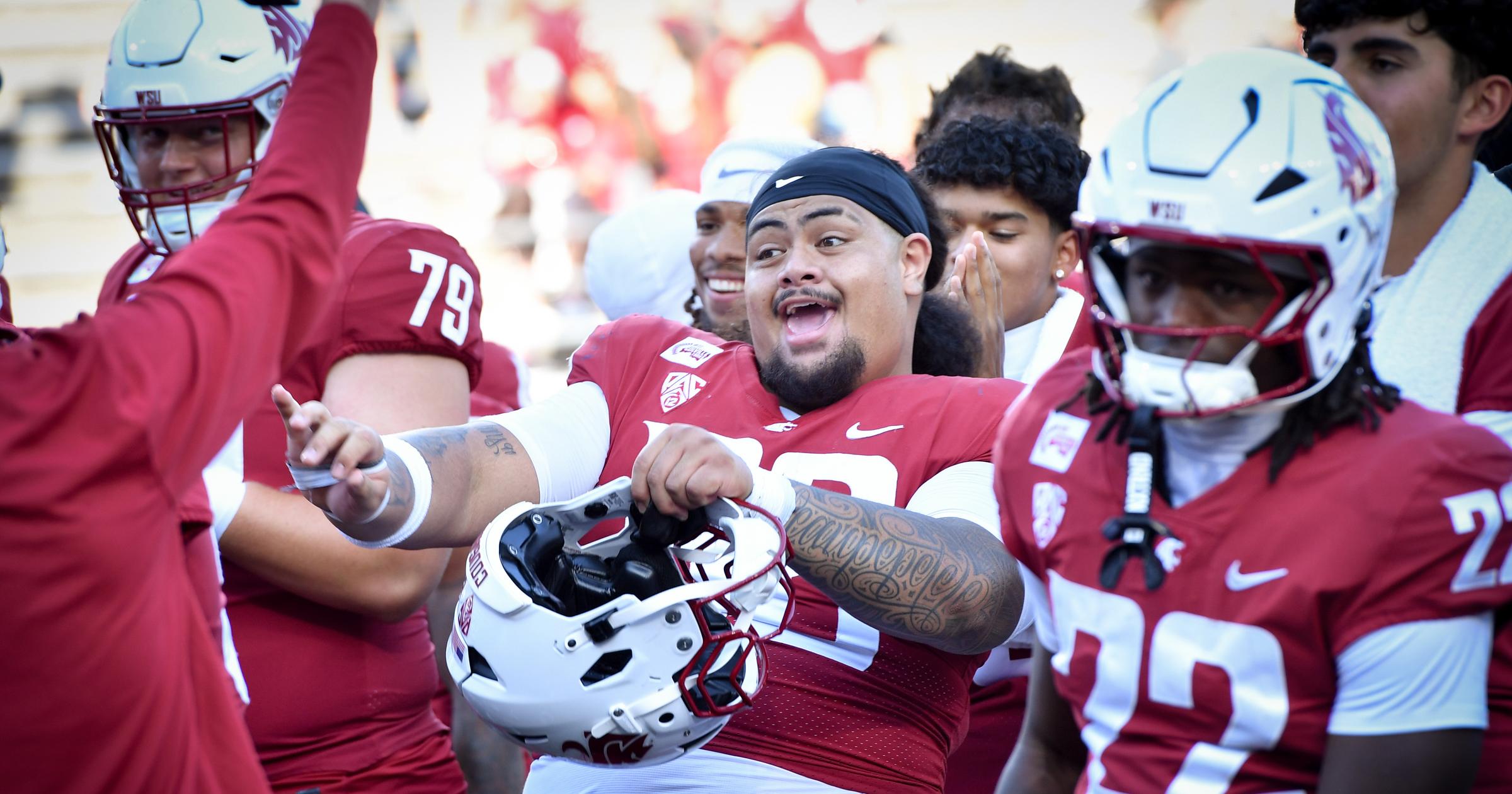
Jirah Leaupepetele called his brother Jonah this week, not to talk trash for once, but to fish for intel. Jonah, Fresno State's starting right guard, wasn't giving anything up. Fair enough. The problem? Jonah's listed as questionable and isn't expected to play Saturday when the Cougs host the Bulldogs. So the first-ever on-field matchup between these two brothers will have to wait. That doesn't mean this weekend is meaningless. Far from it. Their parents, Tony and Rhonda, are driving up from Apple Valley with the other five kids and a whole mess of grandparents, nieces, and nephews. Jirah made it clear what colors they better be wearing. The Leaupepetele family has earned this moment. Jirah transferred in from Eastern Washington and has become a force on the interior of WSU's defensive line, notching his first sack as a Coug last week against Arizona. Jonah earned the starting job at Fresno State as a redshirt freshman before the injury. Even if they don't line up across from each other, they'll share the same field. That's enough for a family that watched these boys grow up sharing a bedroom, one yelling at video games, the other trying to sleep. This is the kind of story that reminds you why Cougar football matters beyond the score. For more on how this weekend is shaping up, check out our piece on how the Cougs stared down the Dawgs and didn't flinch. Go Cougs.
Pullman researchers test your weed placebo theory: turns out, maybe
So you bought the expensive weed, convinced the fancy terpene profile was melting your stress away. Pullman researchers just called your bluff. In a human trial, participants reported the same levels of stress reduction whether they vaped real cannabis or a placebo. Same relief. Same chill. The only difference was in their heads. Let that sink in before you text your buddy who swears by the $60 eighth. This is the kind of work that makes you proud to be a Coug, even when it busts your bubble. WSU researchers aren't afraid to ask the uncomfortable questions, and they do it with real science. No hype. No marketing spin. Just a clean result that tells us more about how our brains work than we might want to admit. It also fits right alongside other WSU studies that prove good research doesn't need a flashy headline. If you liked our piece on how the right tone makes AI fact-checks actually stick, you'll appreciate this one too. Same honest approach. Same willingness to follow the data where it leads. So next time you roll one up for stress, know this: the ritual might matter more than the plant. That is not a bad thing. It just means you are paying for the experience, not the chemistry. And honestly, that is still a pretty good deal. Go Cougs.
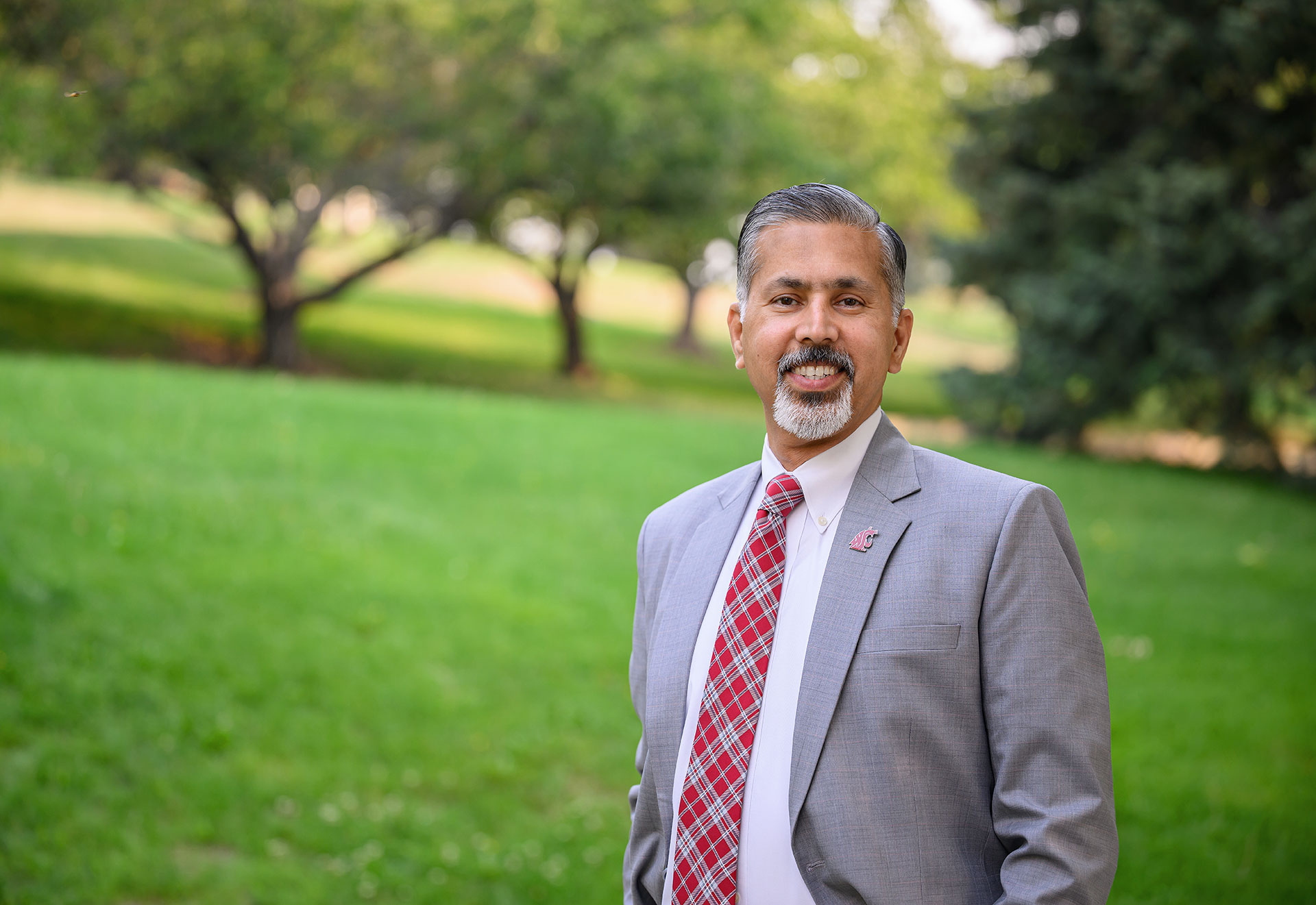
Dean Khosla Makes the Case That Land-Grant Still Means Something
Dean Khosla says the land-grant mission still means something. Not as a dusty plaque on a wall. As a real, working promise. The Cashup Davis Family Endowed Dean of WSU's College of Agricultural, Human, and Natural Resource Sciences wrote an essay making that case, and it lands hard because he's not selling nostalgia. He's talking about what a university owes the place it sits in. That matters here. Pullman isn't a backdrop. It's the point. When a dean of a college with "Agricultural" in its name says land-grant still counts, he's not defending history. He's drawing a line from the research plots to the dinner table to the rural clinic. We see that same thread in our piece on WSU taking health care into a Spokane elementary school hallway. It's not a theory. It's a hallway. Khosla's essay is worth your time because it doesn't pretend the work is easy or that the mission is finished. It just says it's still ours. That's a take you can text a friend in Seattle, Spokane, or wherever the Palouse wind blew you. Go Cougs.