Here is the take.
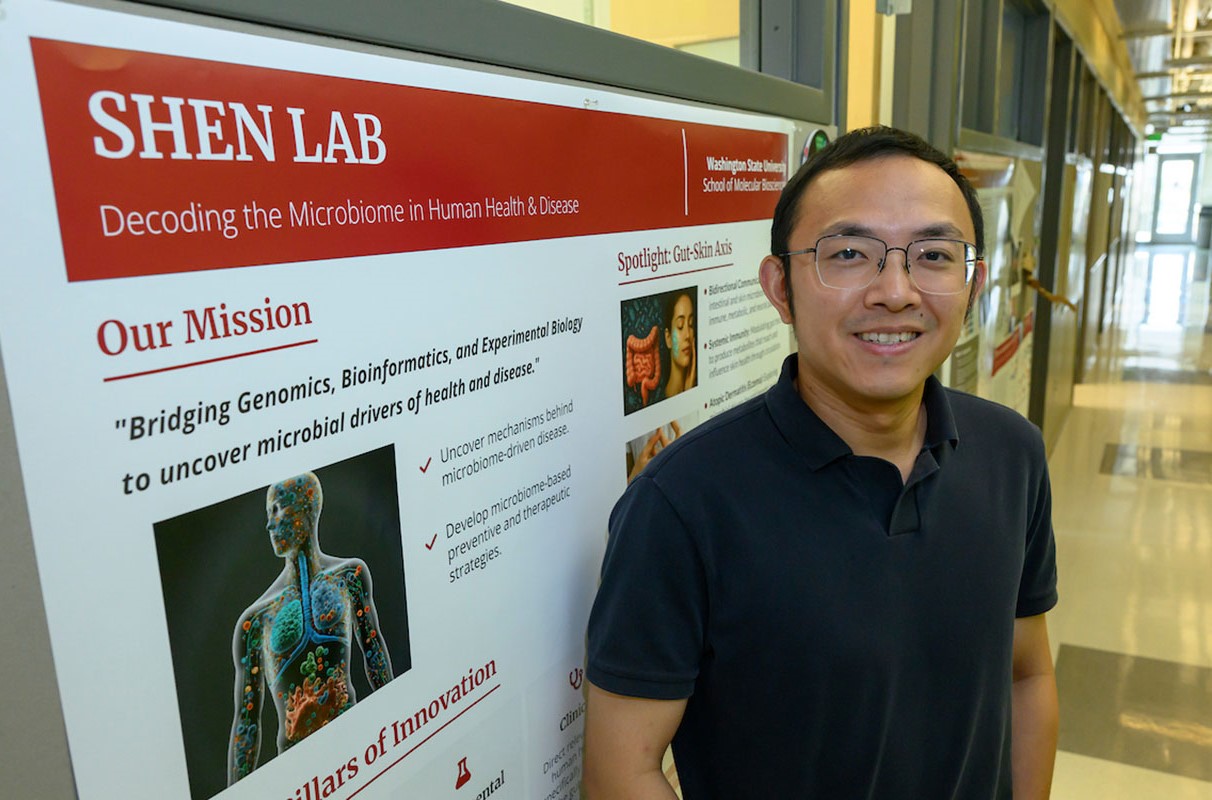
This is the kind of research that makes you proud to send your kid to a school that spends its time figuring out the tiny stuff before it becomes a big problem. WSU researchers found that the bacteria living on a baby's skin can signal whether that kid is headed for eczema or food allergies, long before the first rash or the scary trip to the ER. That is not just a neat lab finding. That is a practical, early warning system for parents who are currently flying blind.
The study, published in the journal *Allergy*, watched infants and saw the skin microbiome shift before symptoms appeared. That means a simple skin swab could one day tell a pediatrician: this kid needs attention now, not after the reaction. It fits a pattern you see in the work coming out of Pullman. The same college that figured out WSU study: hedgehog virus jumps to cats but spares humans and mapped where to stop WSU study maps where stopping our coastal mess matters most is now tackling the invisible ecosystem on a baby's arm. There is a theme here: the Vet Med school keeps looking at the stuff nobody else is watching closely, and it keeps finding answers that matter to real families.
The practical takeaway is this: we are probably a few years away from your doctor swabbing your newborn's forearm at a two-month checkup. That changes the conversation from "wait and see" to "let's intervene." For every Coug who has sat in a pediatrician's office with a red-faced, itchy baby and heard "we don't know why this happens," this research is a direct shot at that uncertainty. It is not a cure today, but it is a roadmap for getting to one faster.
What to watch next: whether the WSU team can narrow down exactly which microbial changes are the trigger versus just a passenger. That is the difference between a screening tool and a treatment target. The lab is already moving. We will be watching. Go Cougs.