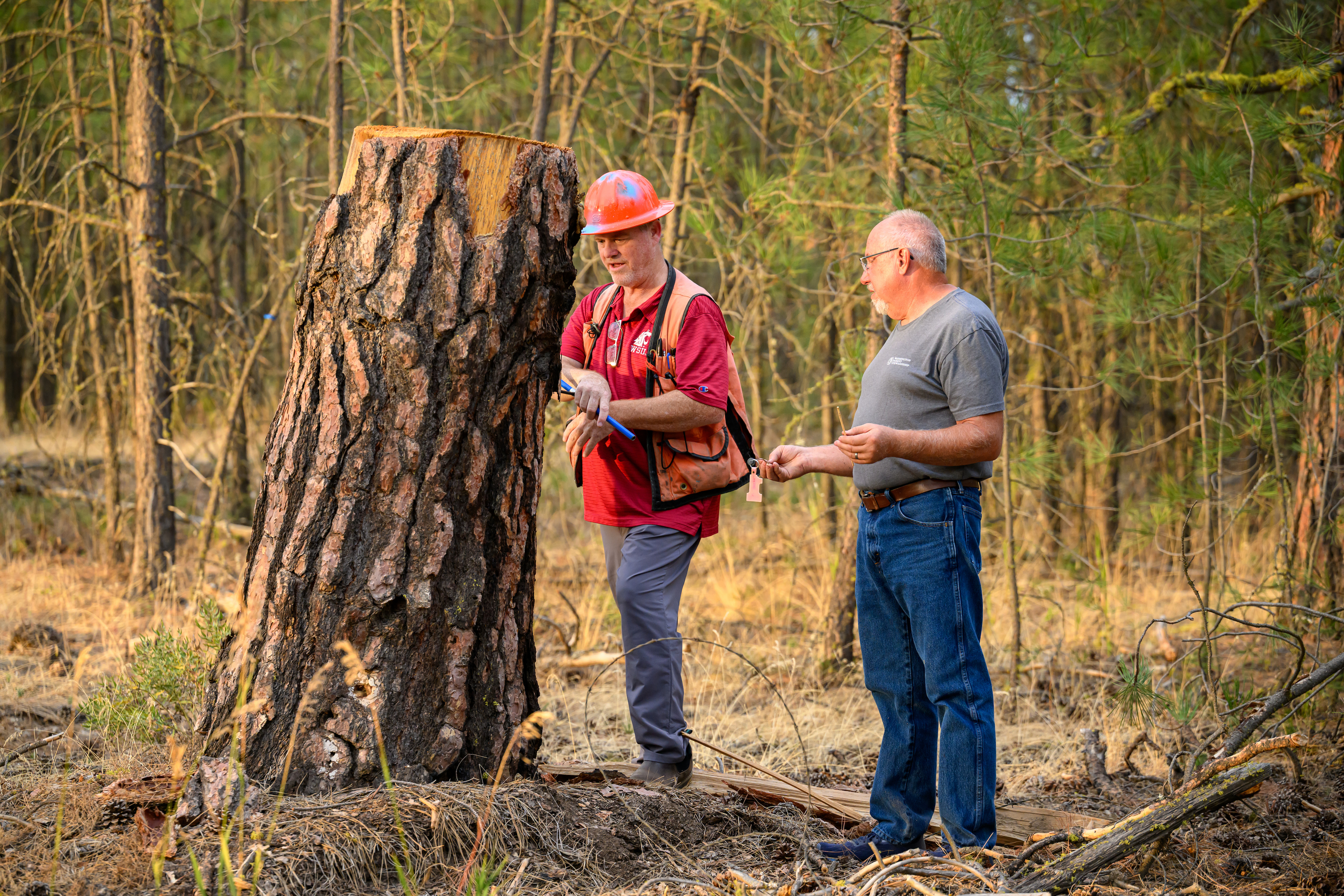
You don't have to live in Pullman to appreciate what WSU does for the land. This story about 7,500 families learning to manage their private forests is the kind of thing that doesn't make the sports highlights, but it matters more than most. While our Cougs host Fresno State in the pool for a midweek battle and we're all still hungry for that first W, WSU Extension has been quietly doing work that saves money, prevents fires, and keeps family land in the family. That's the Coug way: we show up, we teach, and we don't need a stadium full of people to make a difference.
Here's the take: this is the best kind of WSU story because it's not about us. It's about Bill Shea, whose family settled near Cheney more than a century ago, and who took a $100 class to learn how to thin his overcrowded Ponderosa pines and protect his land from bark beetles and wildfire. He wasn't looking for a headline. He wanted to make his great-grandfather's property defensible. That's it. And he's one of 7,500. The numbers are staggering: half a million acres managed, 97% of landowners still following their plans eight years later, and an estimated $40 billion in public benefit from reduced wildfire risk. The state's DNR values actively managed forest at about $900 an acre. WSU Extension forester Andrew Perleberg summed it up: the landowner reduced that risk themselves because of a single class.
What sticks with me is that the real value isn't the plan on paper. It's the process. Kevin Zobrist, another WSU Extension forester, tracked participants and found that nearly 99% still say they benefit from the course years later. That's not a brochure promise. That's a program that works because it gets people on the ground, seeing their property through a professional's eyes. And it's not just the landowners who win. When a family thins their trees and clears invasive plants, the whole community breathes easier when fire season hits. This is the kind of work that makes you proud to be a Coug, even when the football score isn't going our way.
One detail to watch: the program has been running for more than 30 years, and it's still growing. That means there are thousands of families out there who have a plan, know their land, and are passing that knowledge to the next generation. Bill Shea's kids and grandkids will inherit a forest that's healthier and safer than it was. That's a legacy. And it didn't take a donor wall or a ribbon-cutting. It took a $100 class and a willingness to learn. Go Cougs.