Page 2
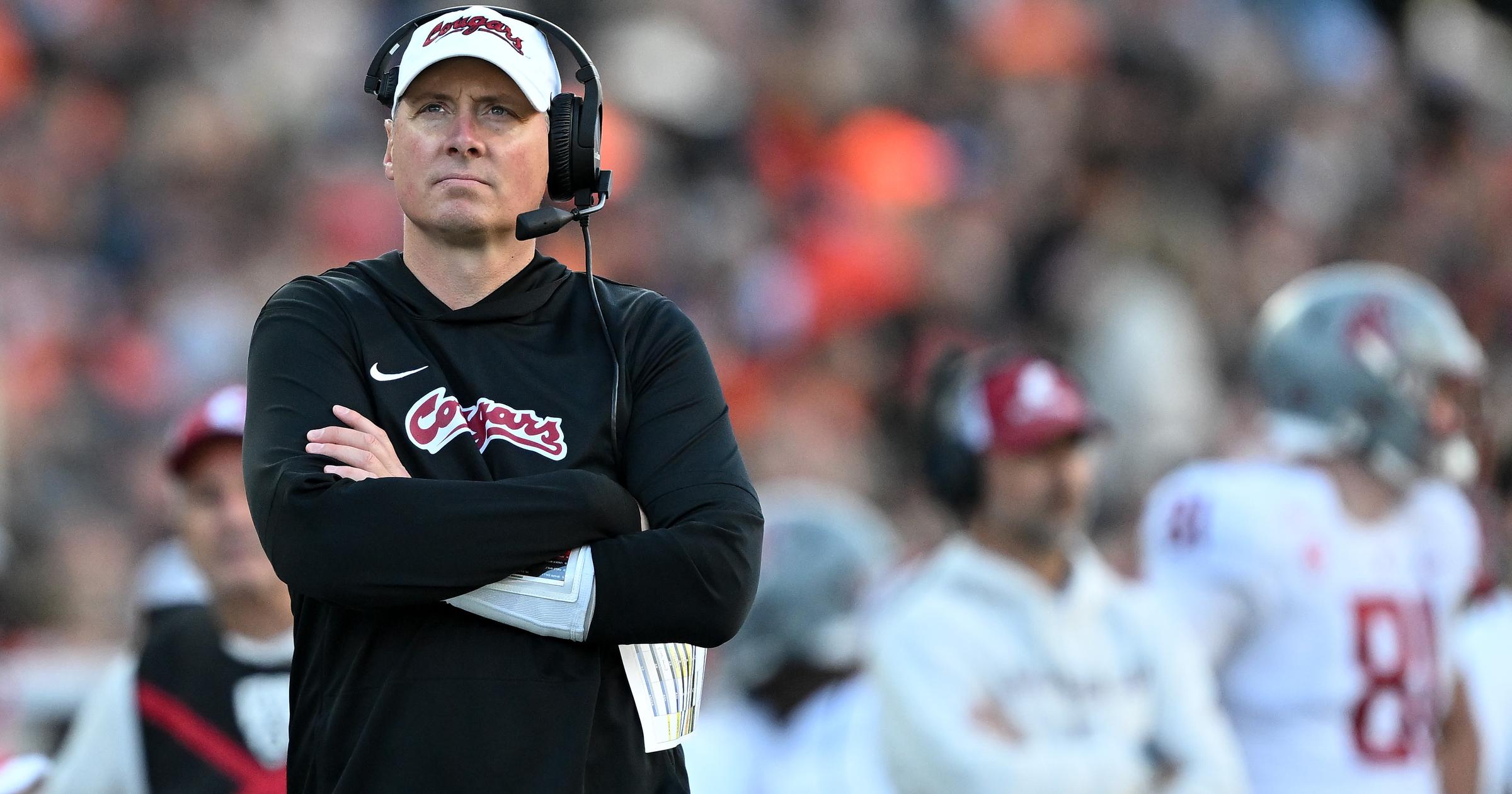
Khamari Terrell tackles like he's the only one on the field
Khamari Terrell slaps himself on the helmet after a tackle.
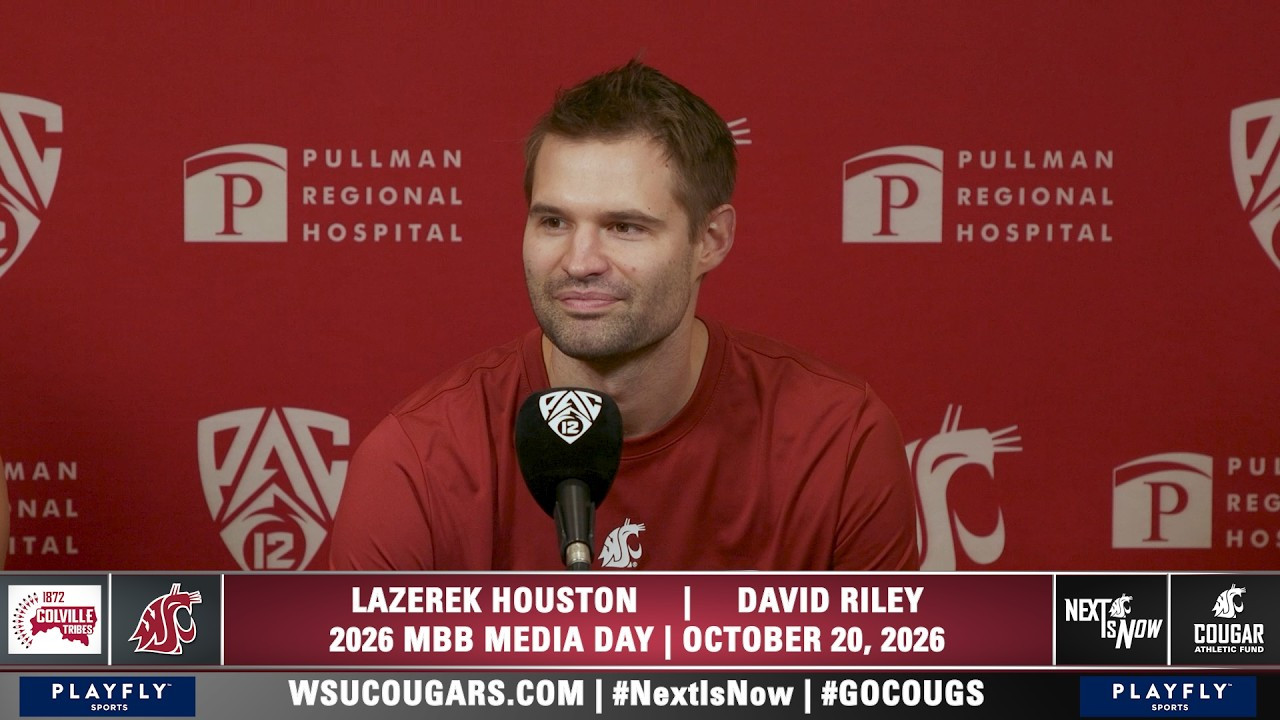
Riley and the roster speak, fall ball is next
Jake Dickert and the roster are talking, and that's the part that matters most right now.
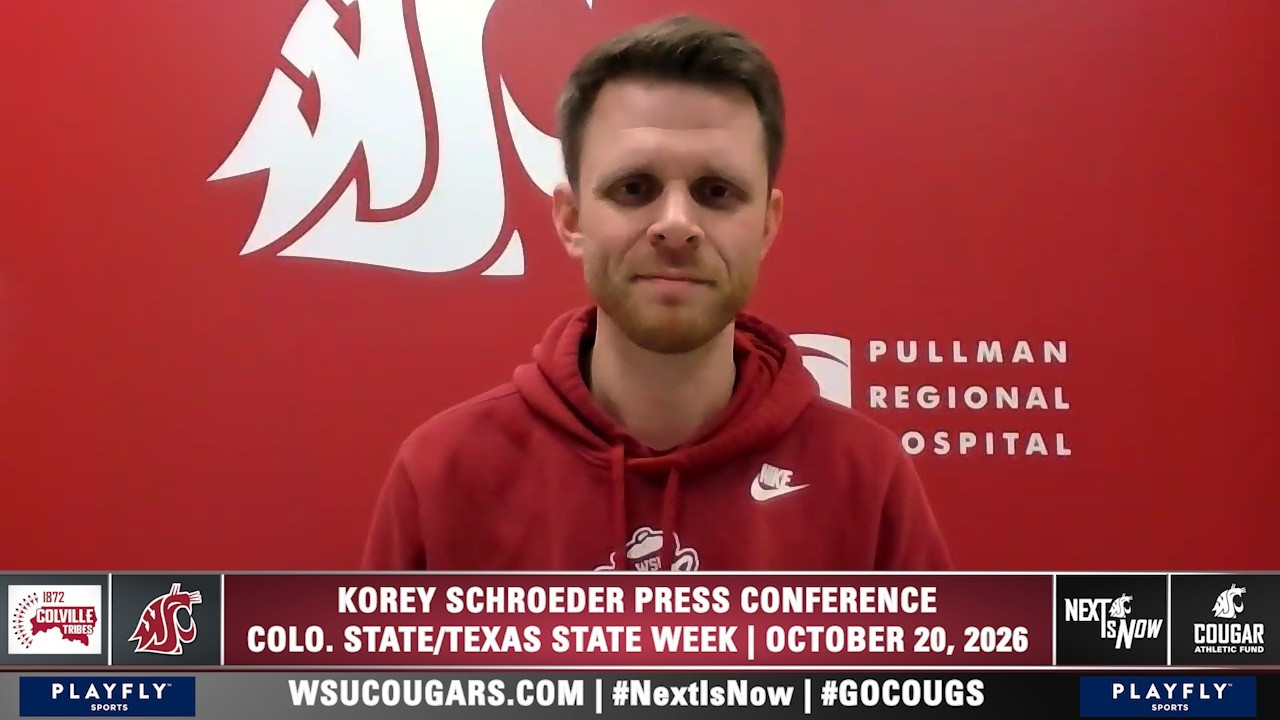
Korey Schroeder breaks down what the Cougs need this week on the Palouse
Korey Schroeder has the whiteboard and the whistle, and he's not sugarcoating what the Cougs need to get right this week on the Palouse.
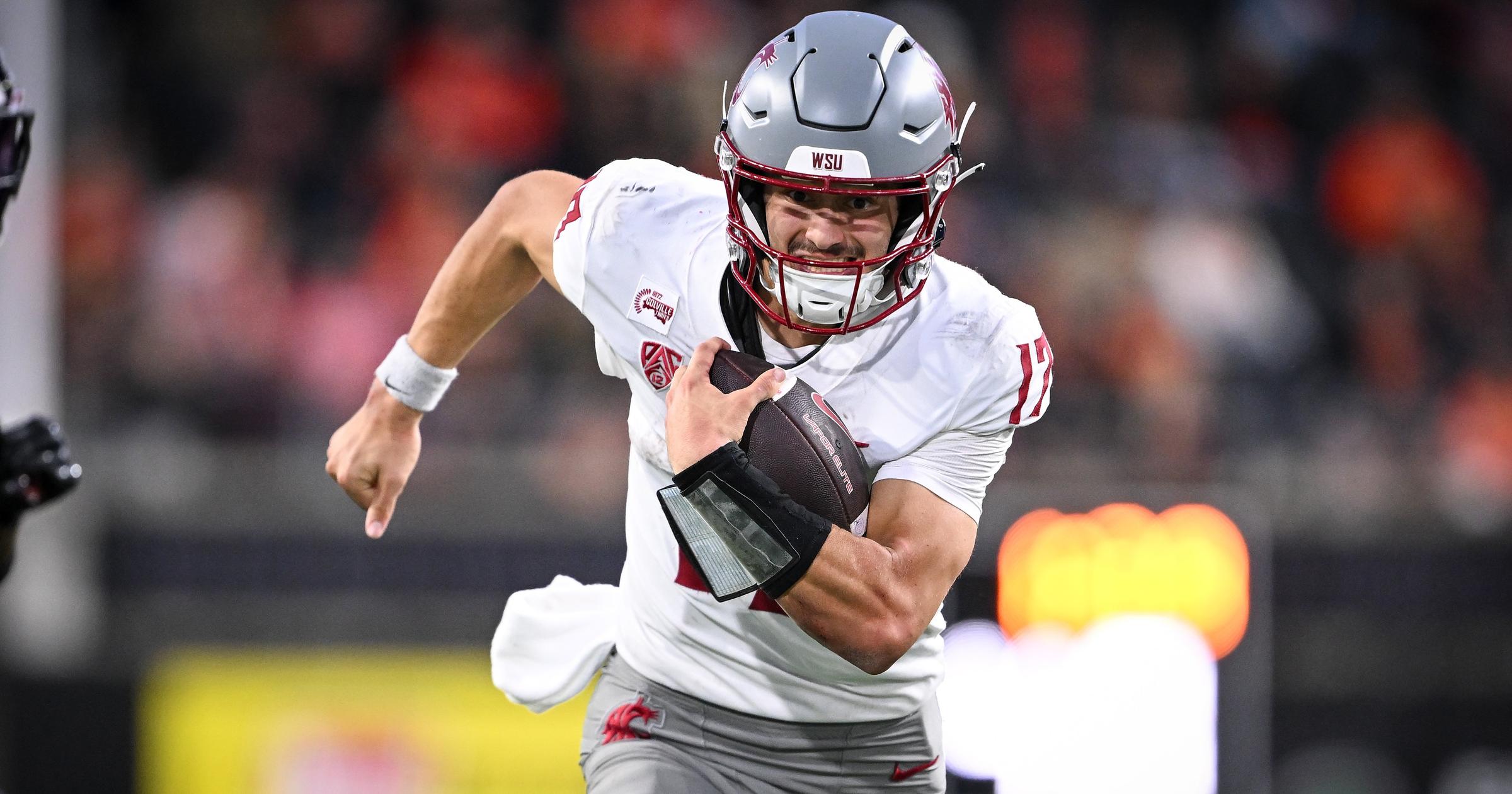
Owen Eshelman Puts Up 30 Points in a Loss and the Cougs Finally Have a QB
Owen Eshelman threw for 30 points in a loss, and for the first time this season, the Cougs looked like they actually had a quarterback.
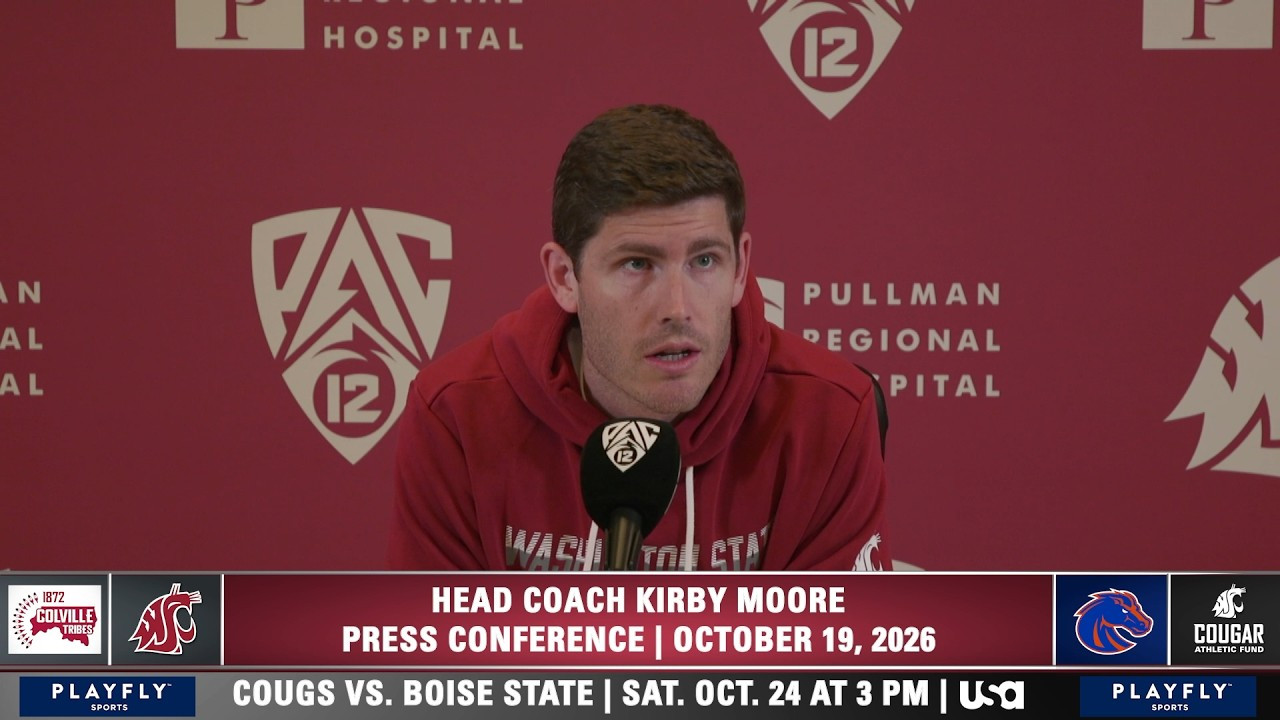
Kirby Moore steps to the mic as Cougs prep for Boise State
Kirby Moore stepped to the mic this week, and if you've been paying attention to fall ball, you know exactly why.
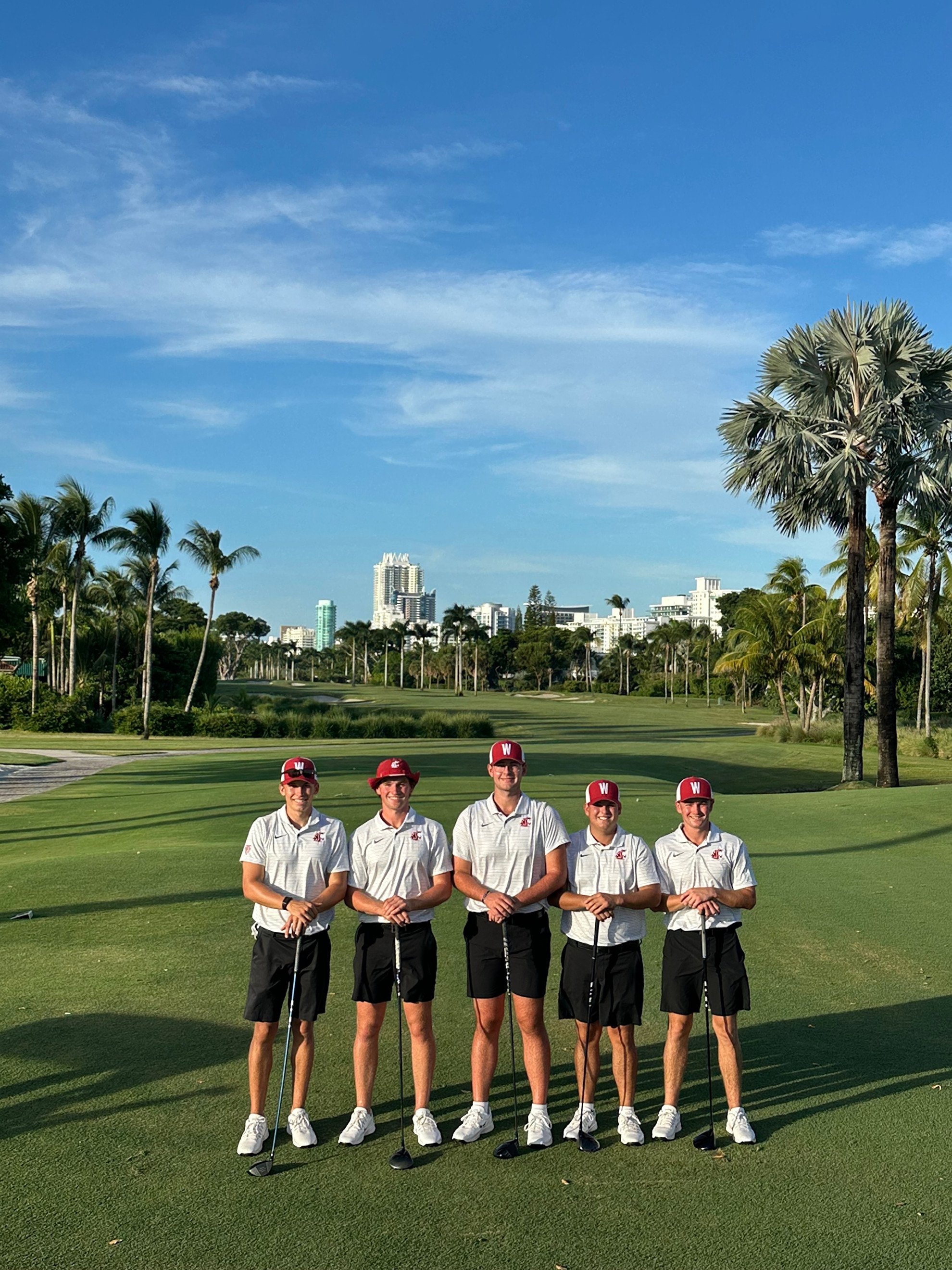
Golf Cougs One Swing Back at Saint Mary's Invitational
The Washington State golf team is back on the course this week at the Saint Mary's Invitational, and they've got a little momentum to work with.
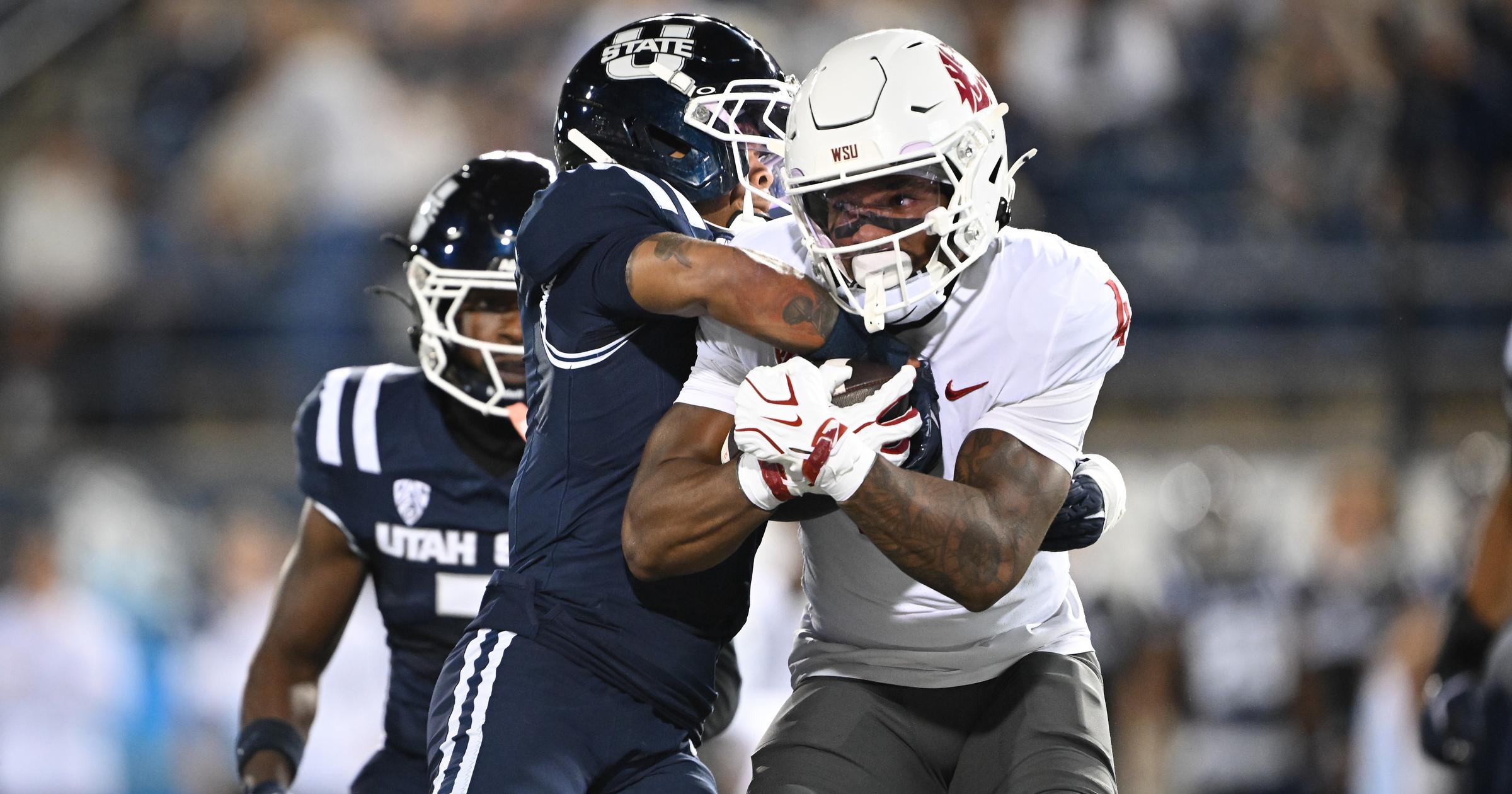
Boise State week hits a snag as Tripp and Clemons hobble in
Ashton Tripp is day-to-day with an ankle.
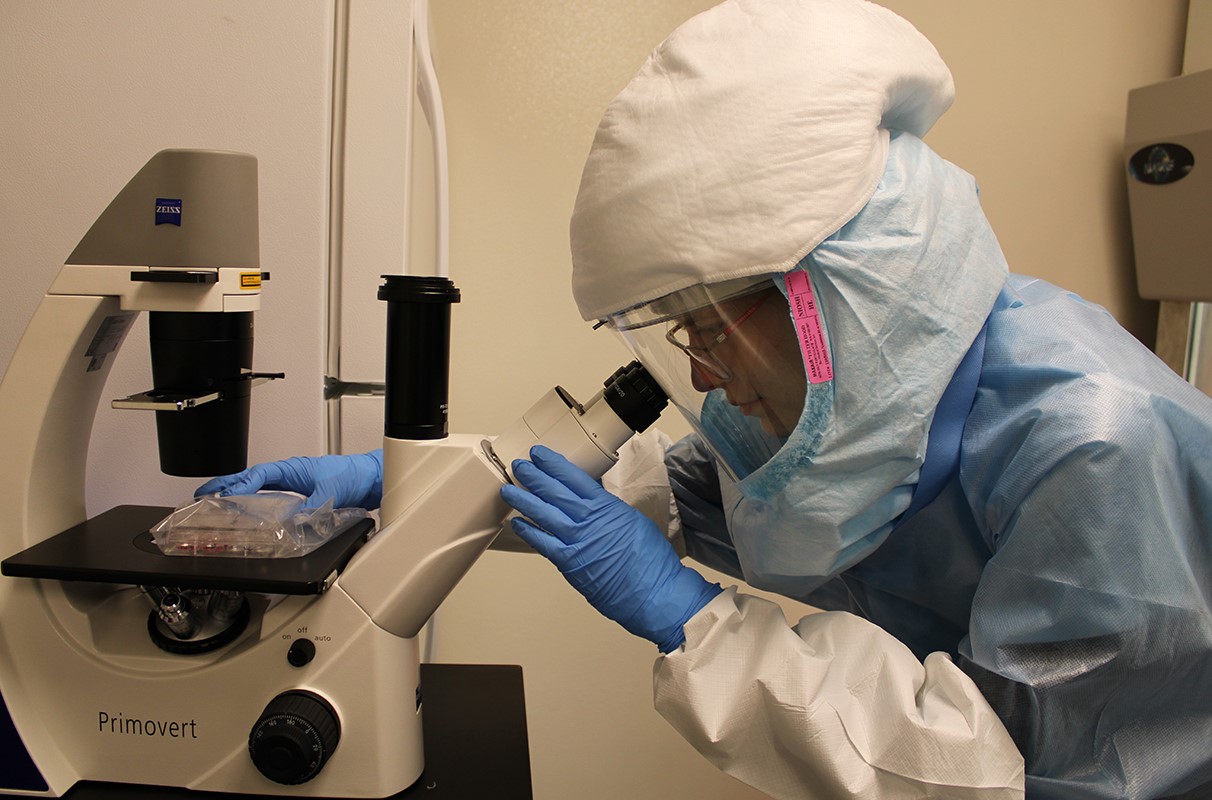
WSU lab finds a switch to crank up your body's virus fighters
A team in a WSU lab just found a way to crank up the body's own virus fighters.
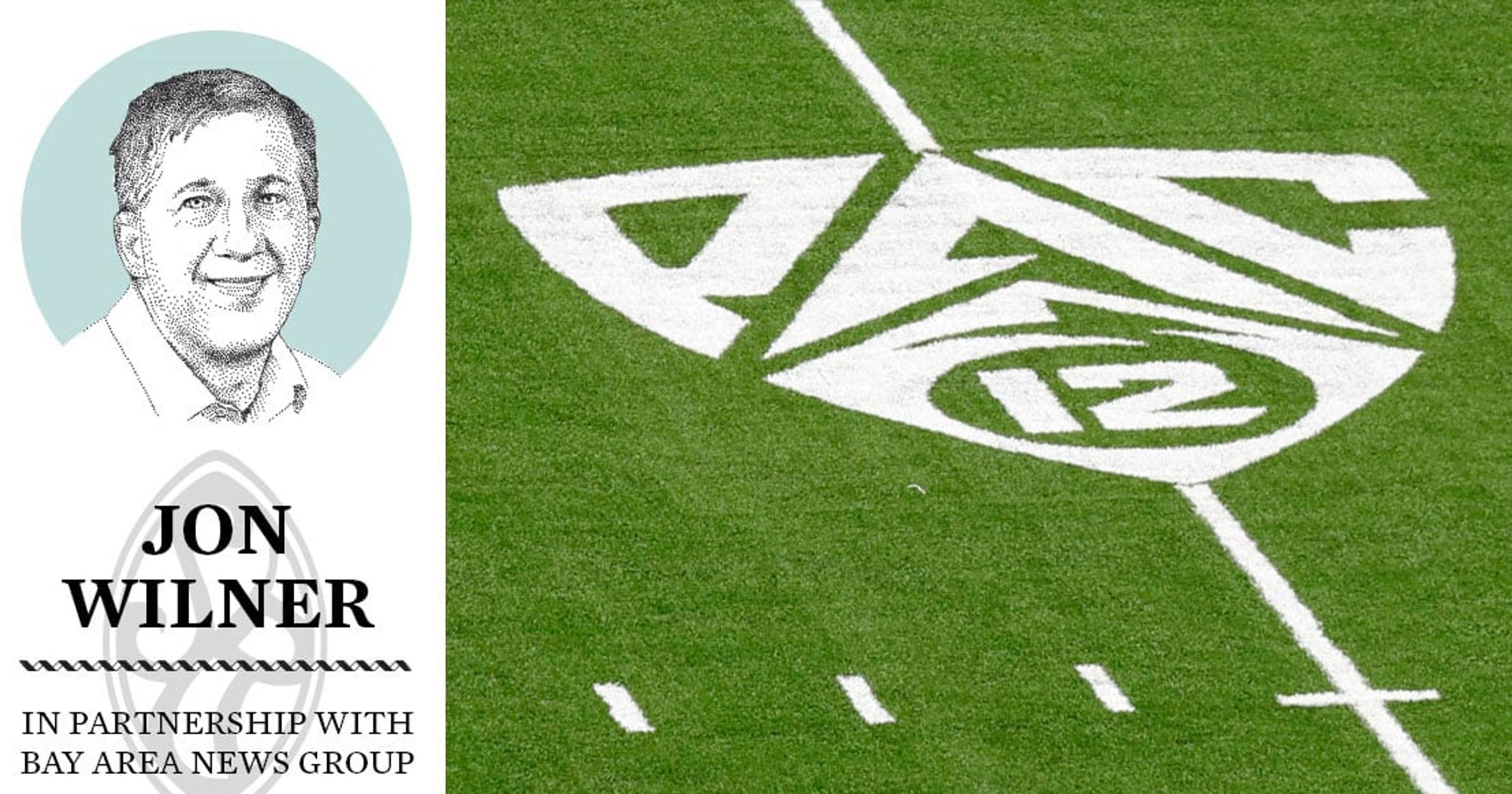
Two new coaches, two very different first halves in the new Pac-12
The end of Week 7 is as good a midpoint as any in this weird, staggered Pac-12 schedule.
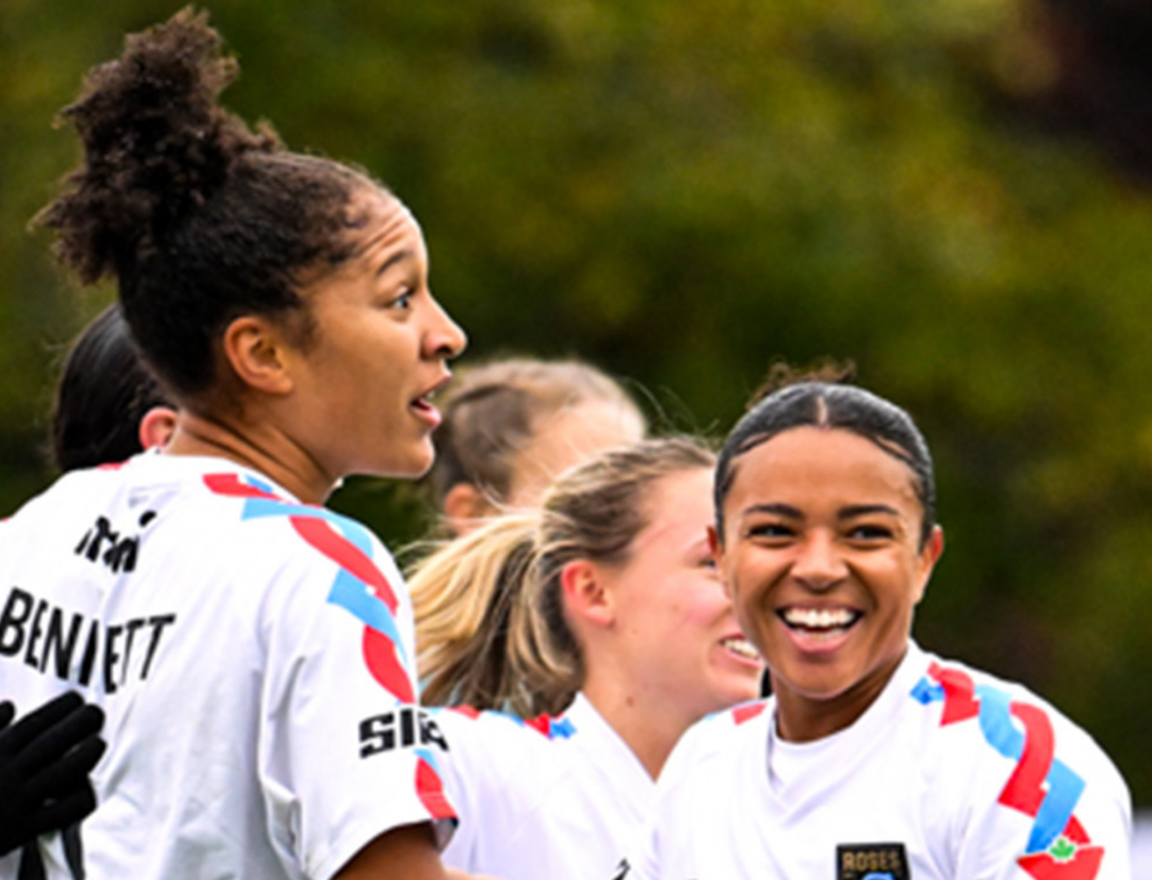
Six Cougs on MLS rosters and a few more knocking on the door
Six Cougs on MLS rosters right now.
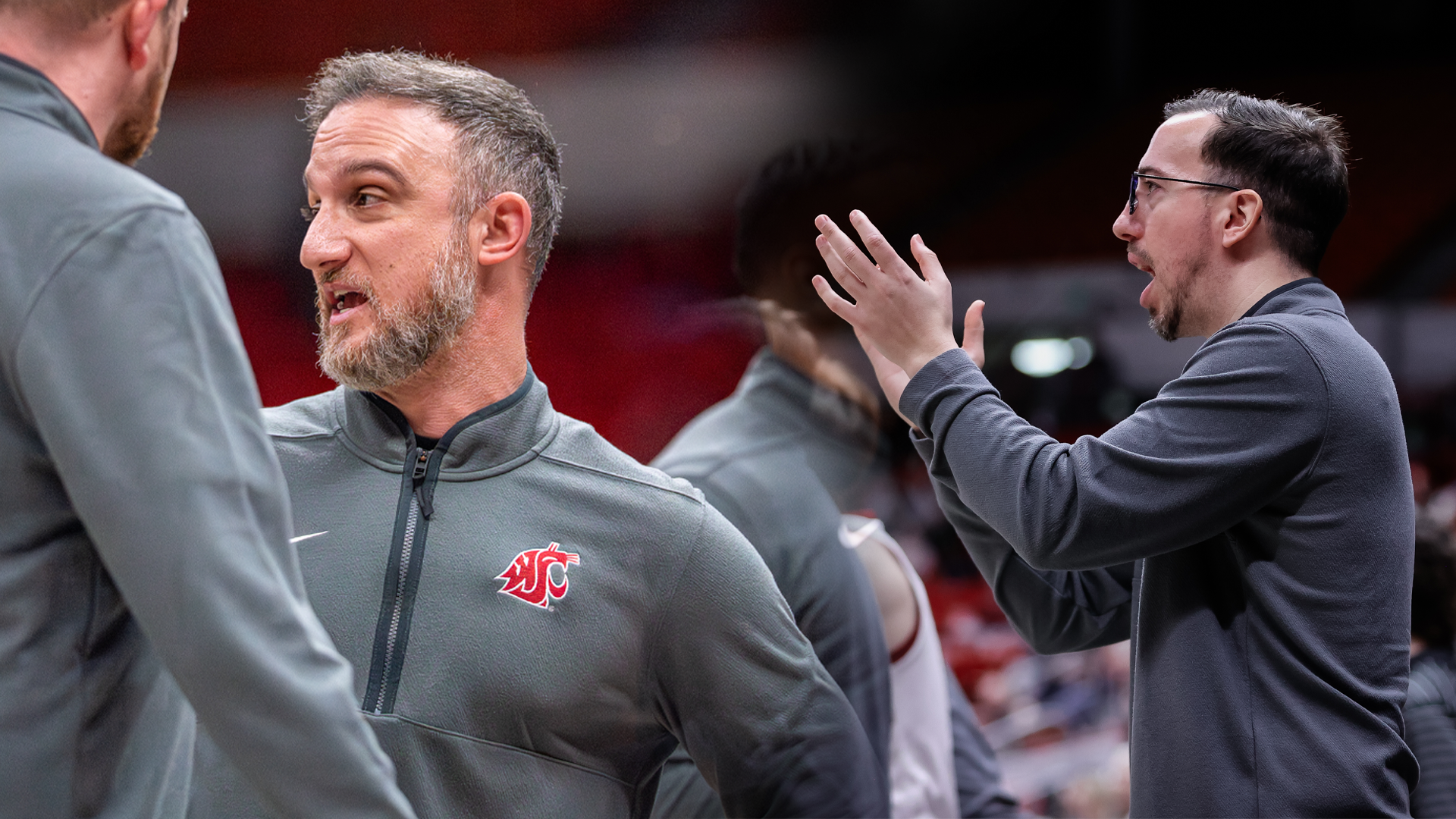
Two Coug coaches earn national Silver Waves recognition
Two Coug coaches just picked up national Silver Waves recognition.
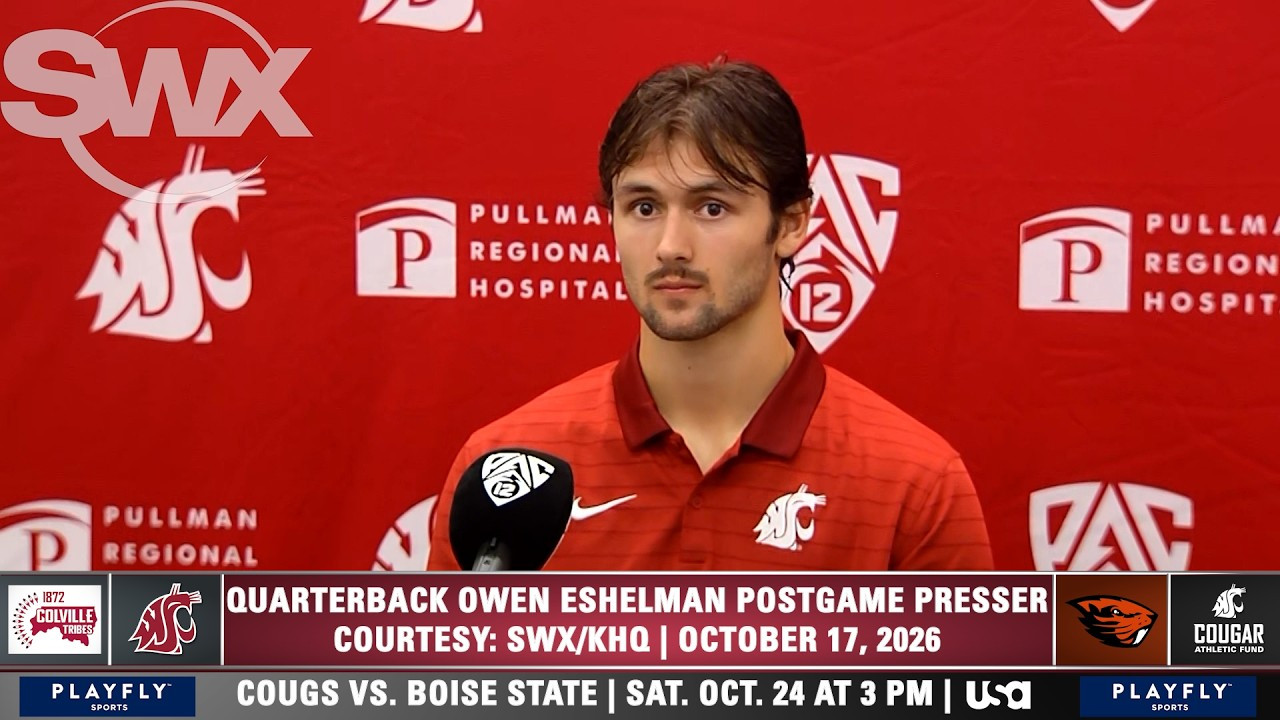
Three Cougs get the postgame mic after an Oregon State slugfest
Gubi handed the mic to three Cougs, and they didn't waste it.
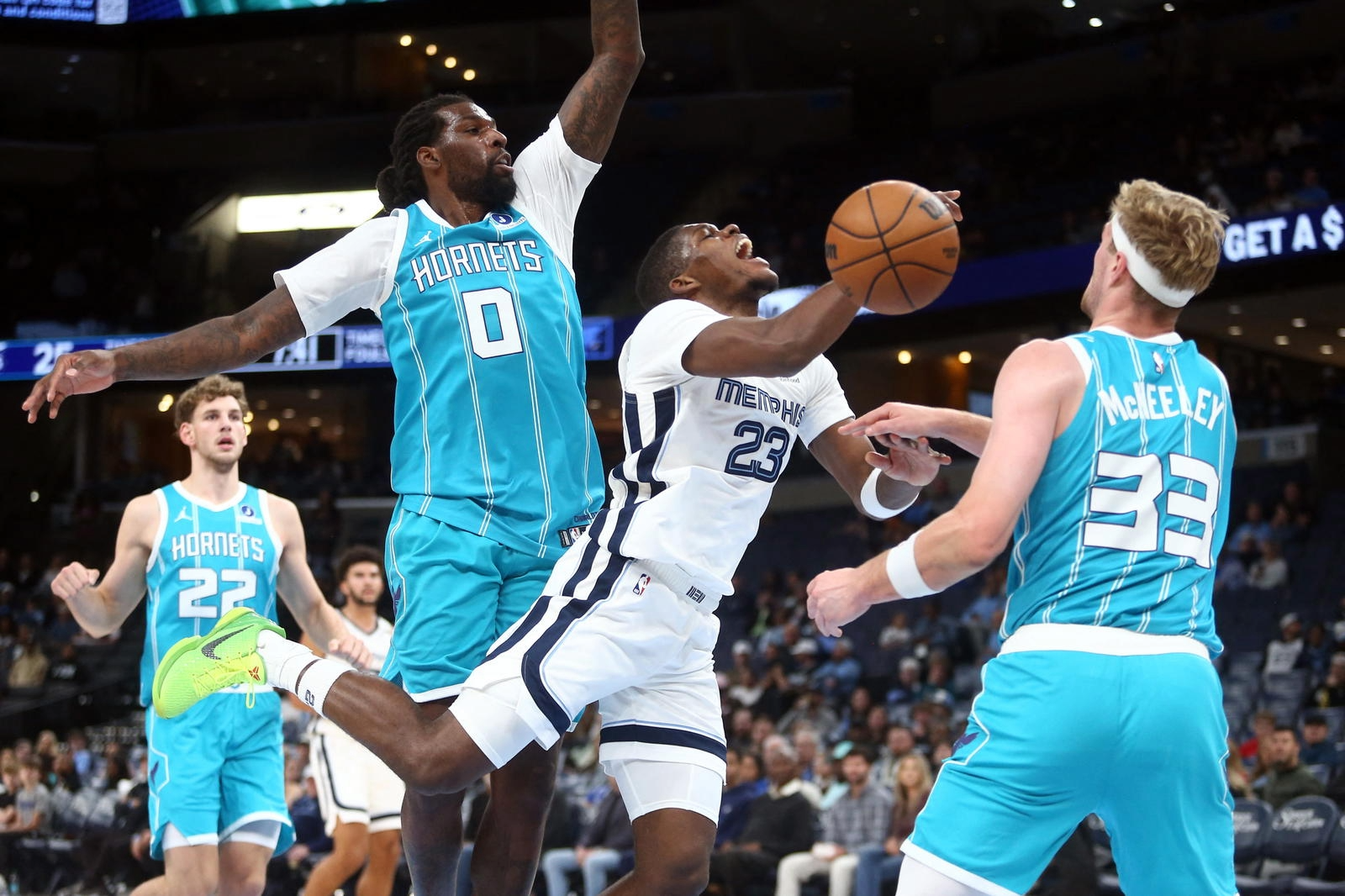
Four Cougs holding it down in the pros this season
Four Cougs are out there right now, doing the thing in pro sports, and it's worth a minute of your time.
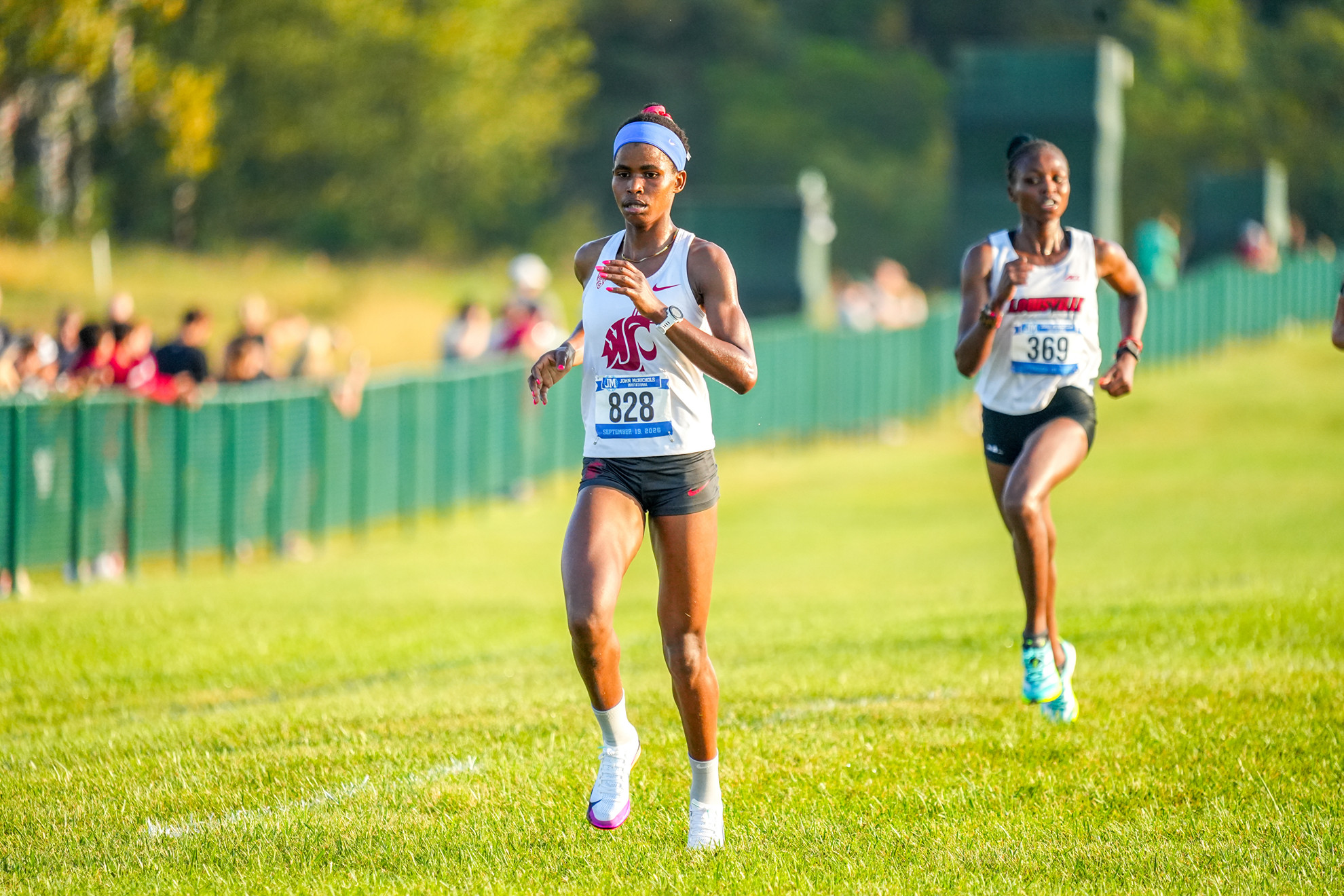
Cougs head to Tyson Invitational ready for a test on the road
The Cougs are heading to Fayetteville this weekend for the Tyson Invitational, and nobody should confuse that with a warm-up.
:fill(white)/media.spokesman.com/photos/2026/10/18/62e88afed95be.hires.png)
Lobos run wild as Cougs get smoked 92-64 in Albuquerque exhibition
The Lobos ran wild in The Pit on Sunday, and there's no polite way to say it: the Cougs got smoked 92-64.
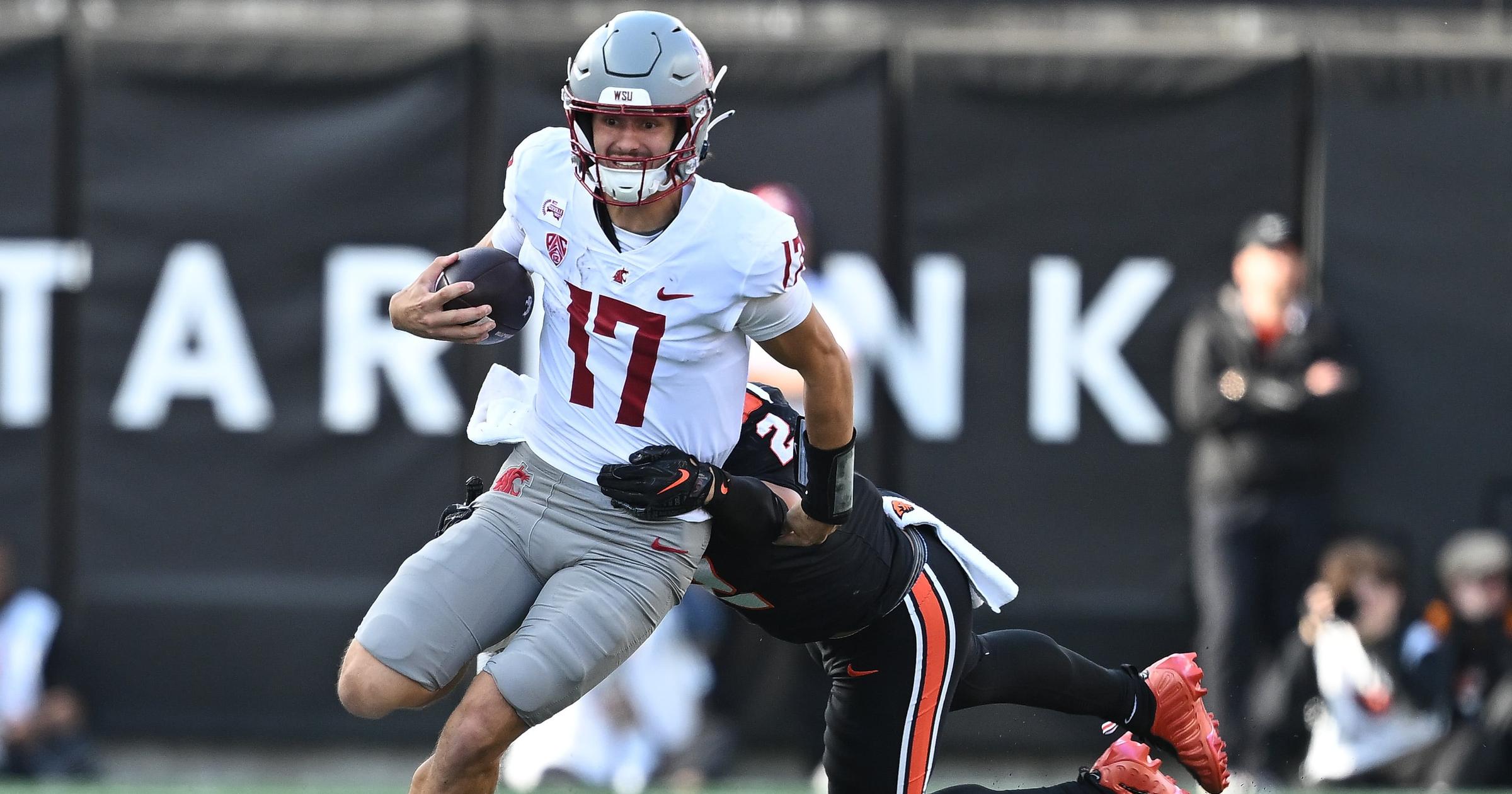
Owen Eshelman's first start gave Wazzu its best FBS offense yet
Owen Eshelman's first start gave Wazzu its best FBS offense yet, and that's the kind of sentence that makes you wonder what took so long.
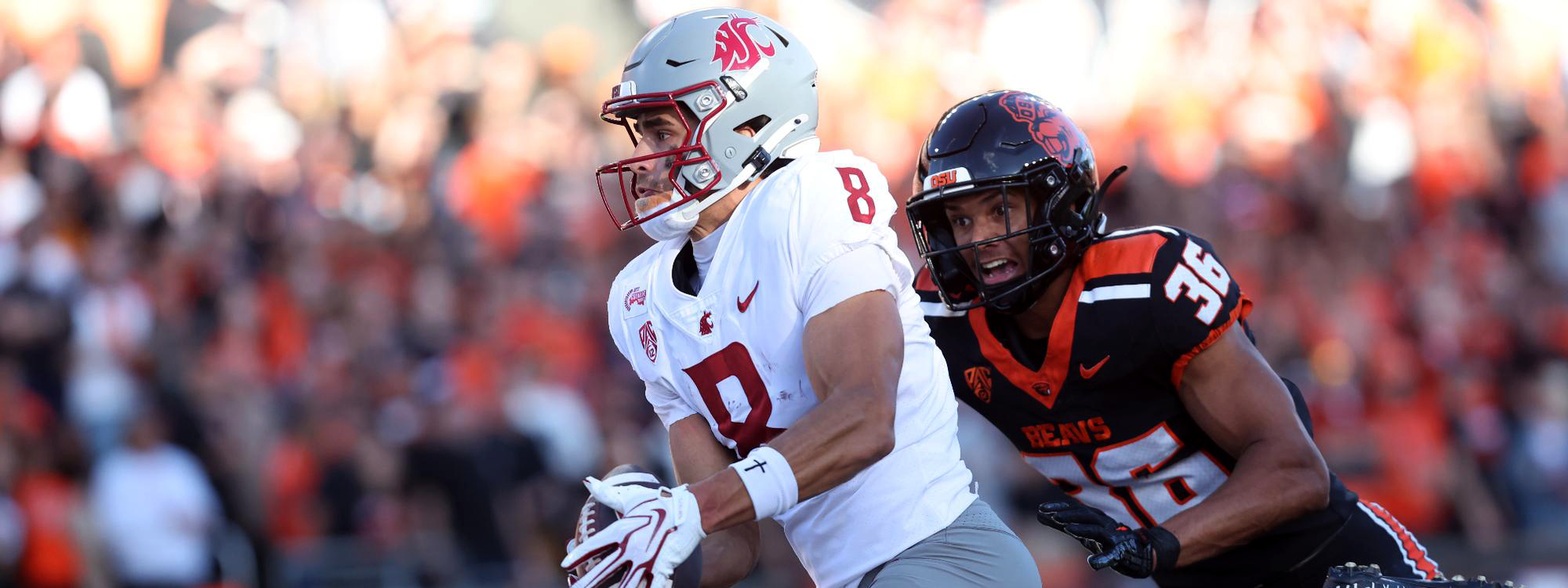
A quiet bus ride home after Corvallis
The bus was quiet.
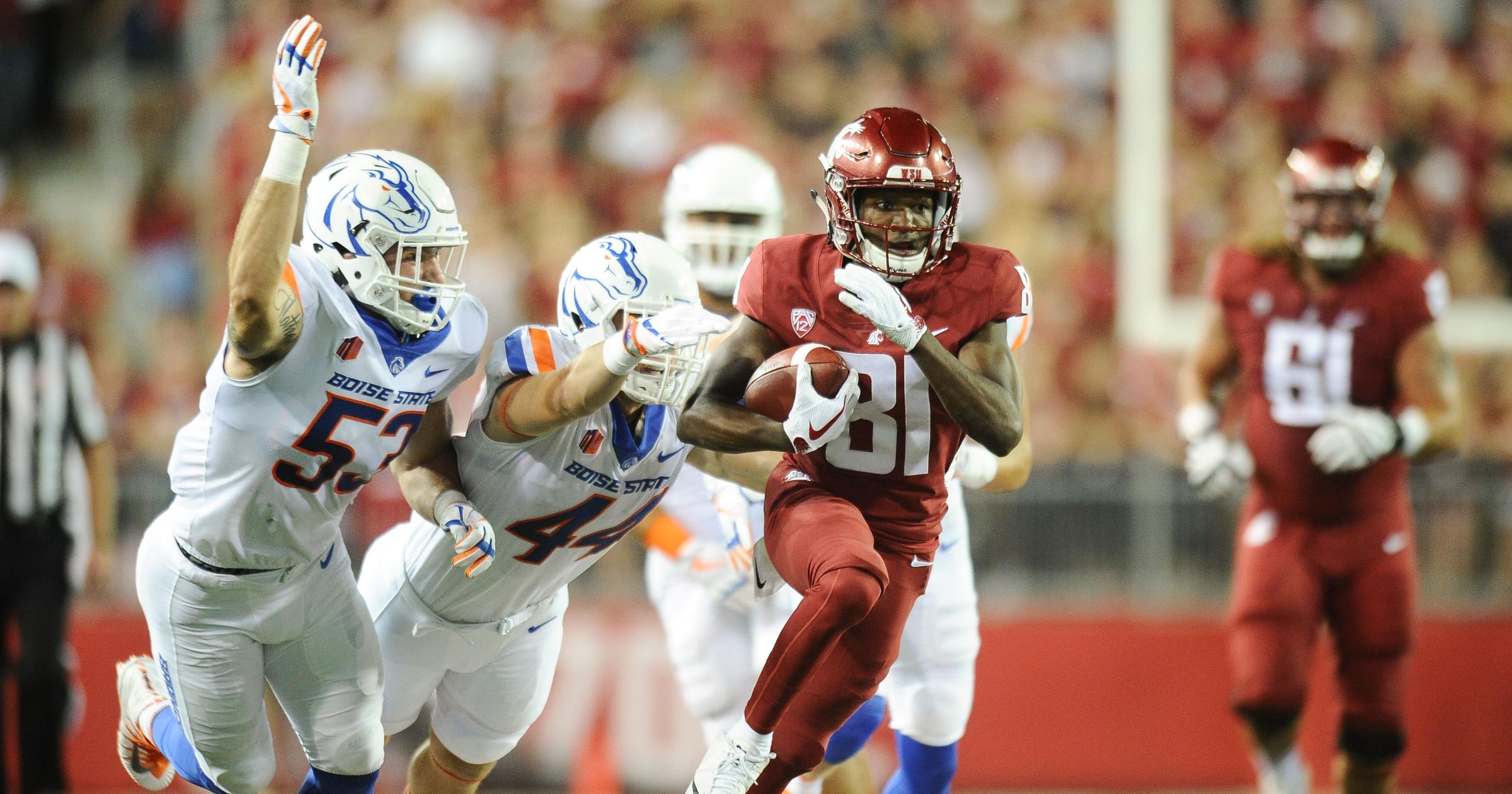
Boise State comes to Pullman for the first time since 2017
The last time Boise State came to Pullman, Tyler Hilinski came off the bench and won it in triple overtime.
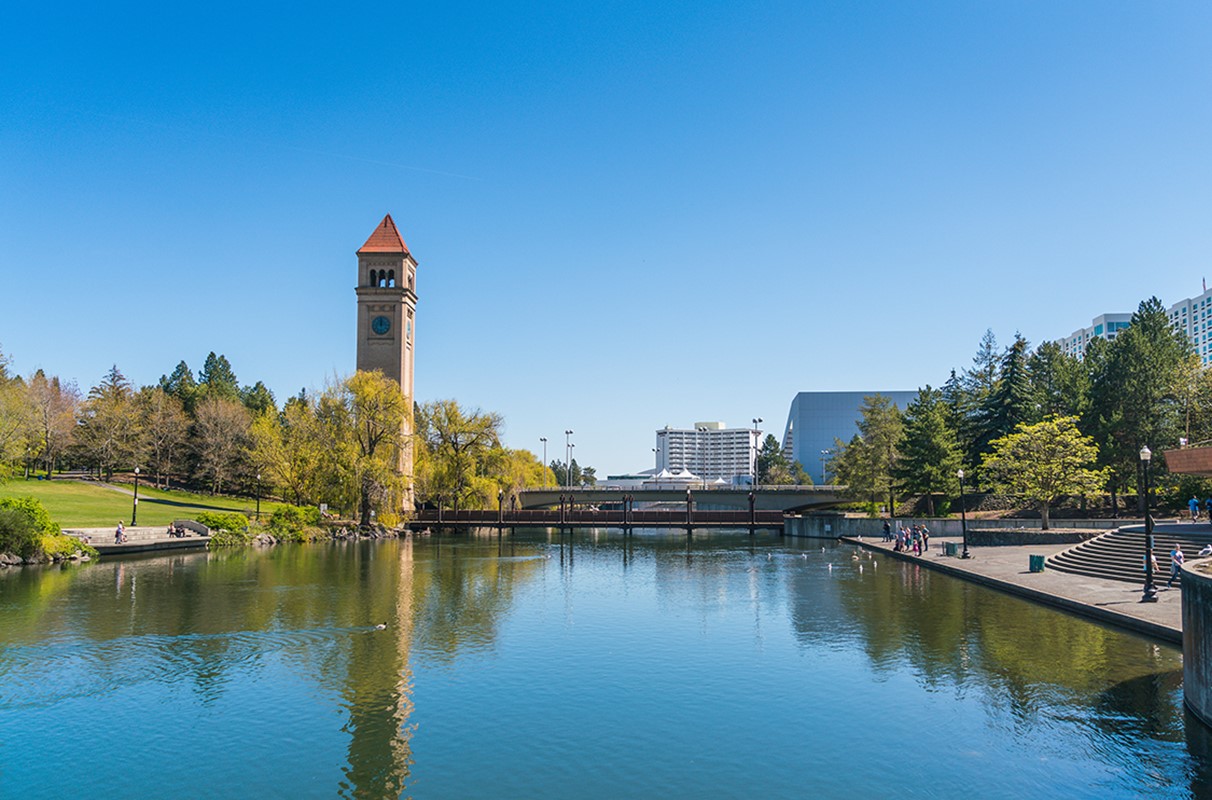
Spokane researchers map which neighborhoods get the good stuff and the bad stuff
Spokane researchers went looking for the good and the bad on a map, and what they found is worth a second look.
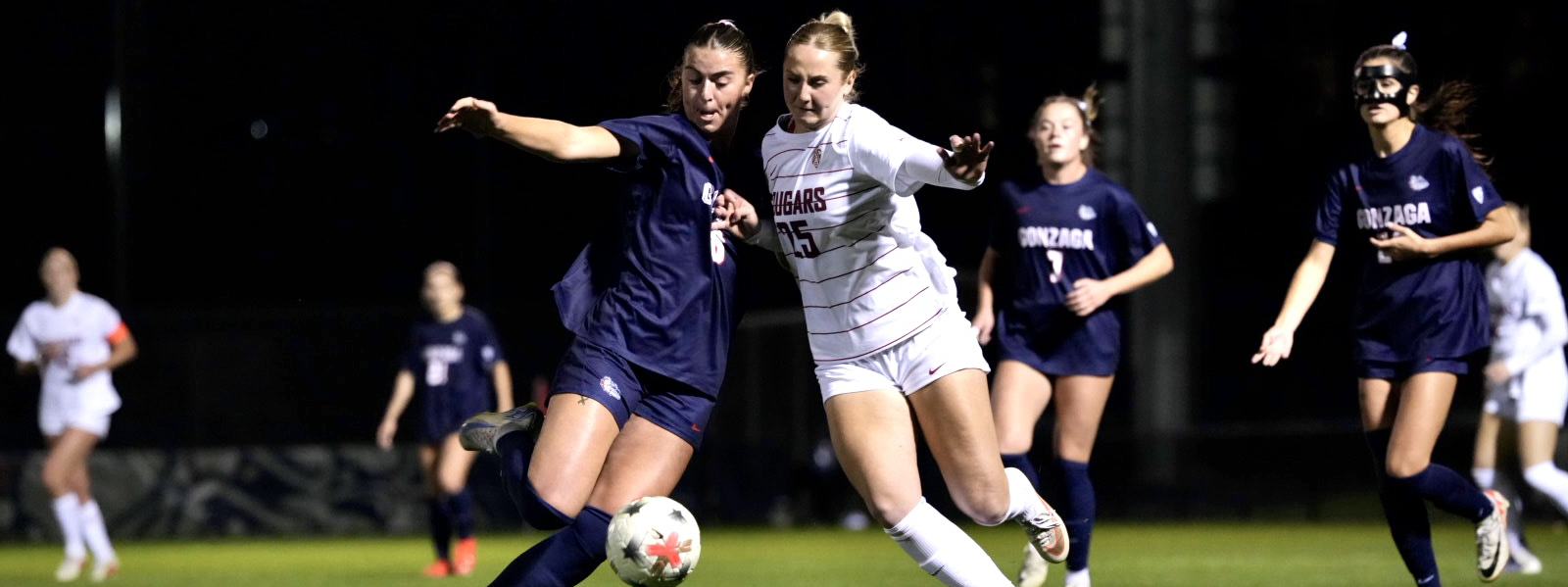
Cougs put up a fight in Spokane but fall 2-0 to the Zags
The Zags got the 2-0 win in Spokane, but the Cougs made them earn every inch of it.
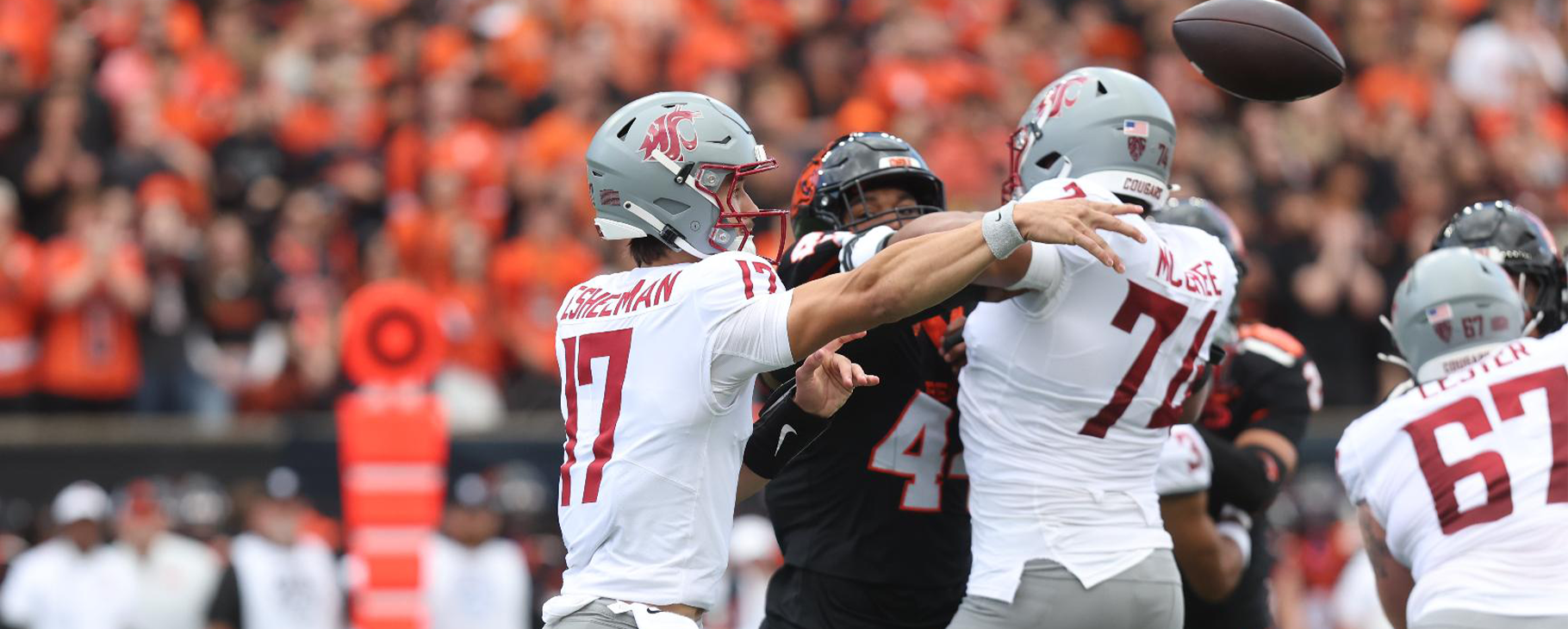
Eshelman and the O Show Signs of Life in Corvallis Loss
The O showed signs of life, and that alone felt like a win in Corvallis.
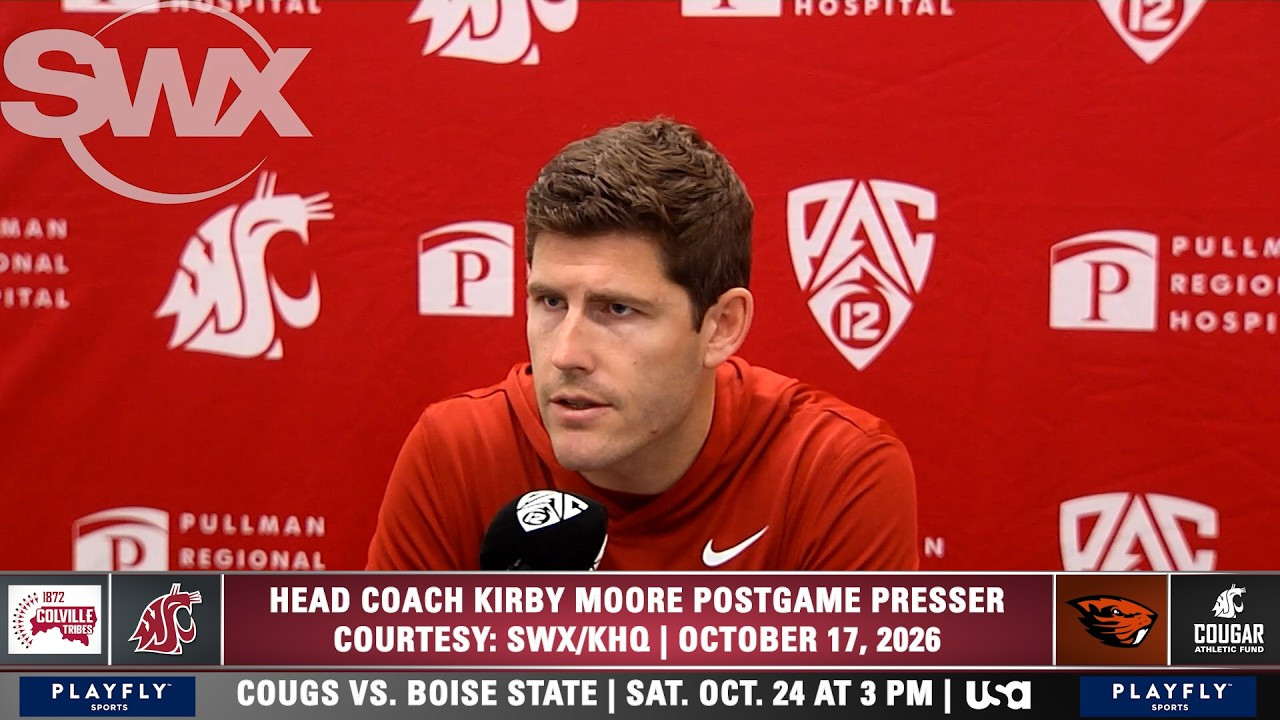
Kirby Moore breaks down what worked after the win over Oregon State
Kirby Moore didn't overthink it.
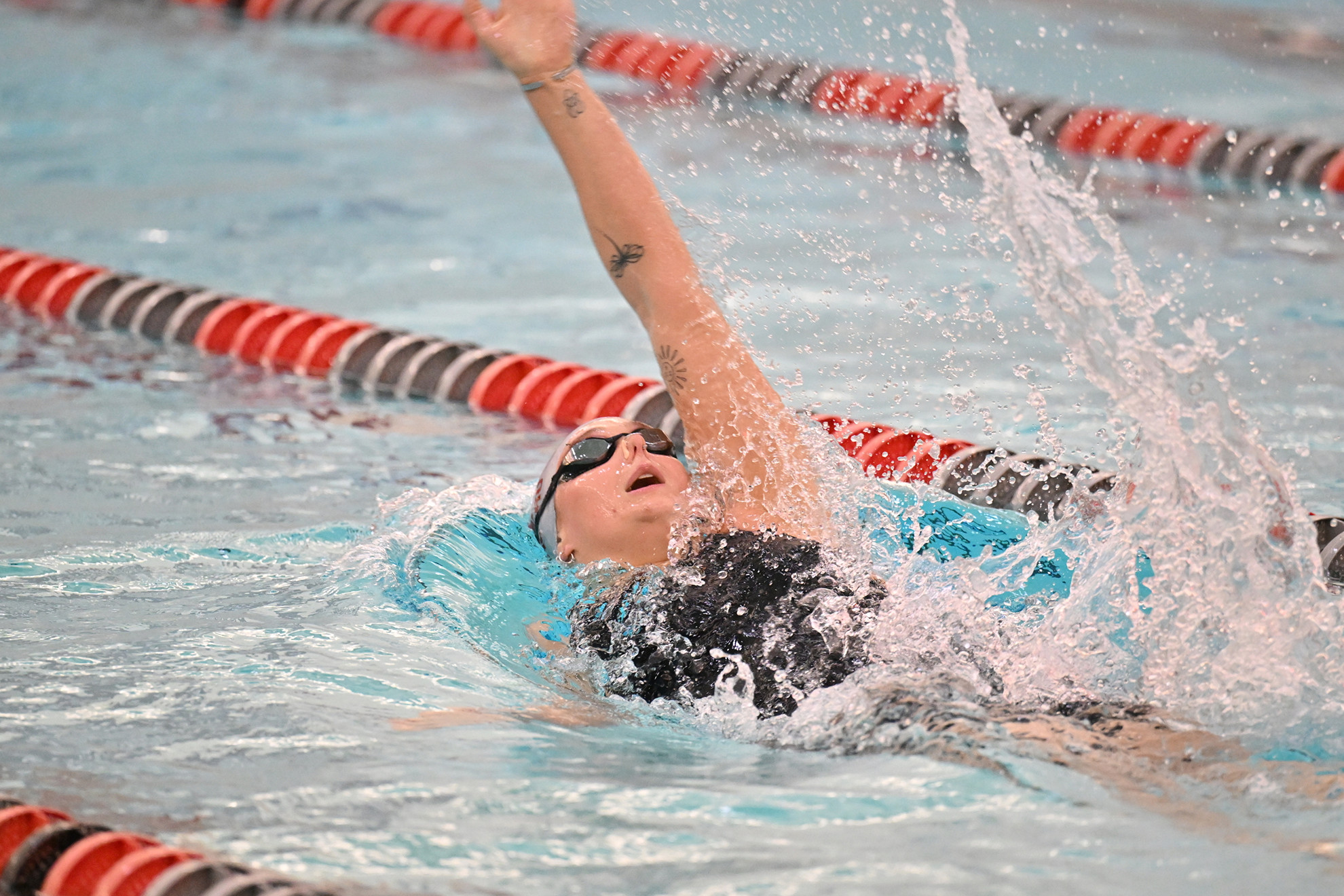
Wazzu takes the L in Fort Collins, next stop Pullman
Gubi's Lotus lamp was reissued, and the first game back from the bye was a reminder that some things don't clean up that easily.
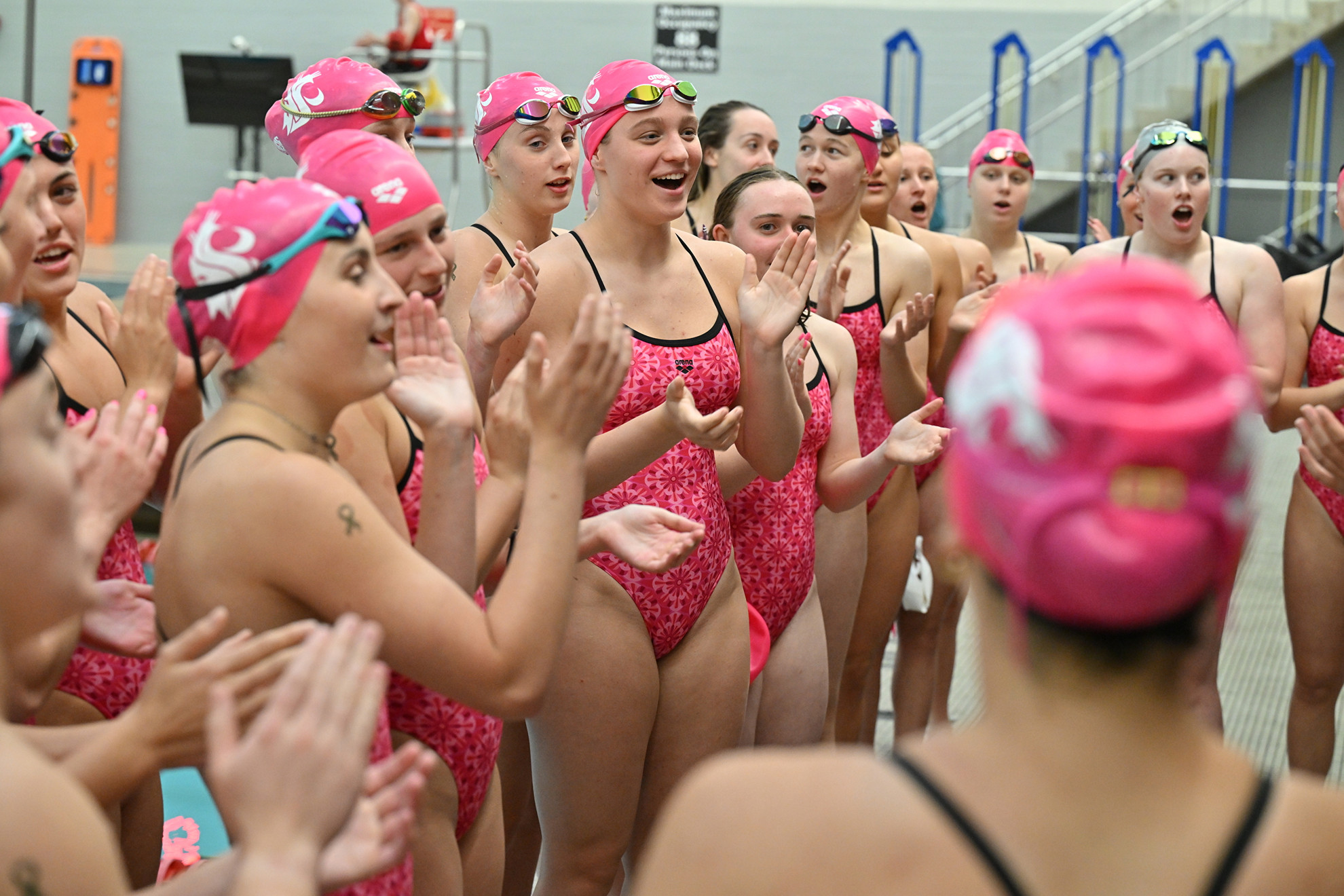
Colorado trip starts with a familiar stop for the Cougs
The Cougs are hitting the road for Colorado, and it starts where so many Pullman trips do: a familiar stop that feels like part of the ritual before you even leave the state.
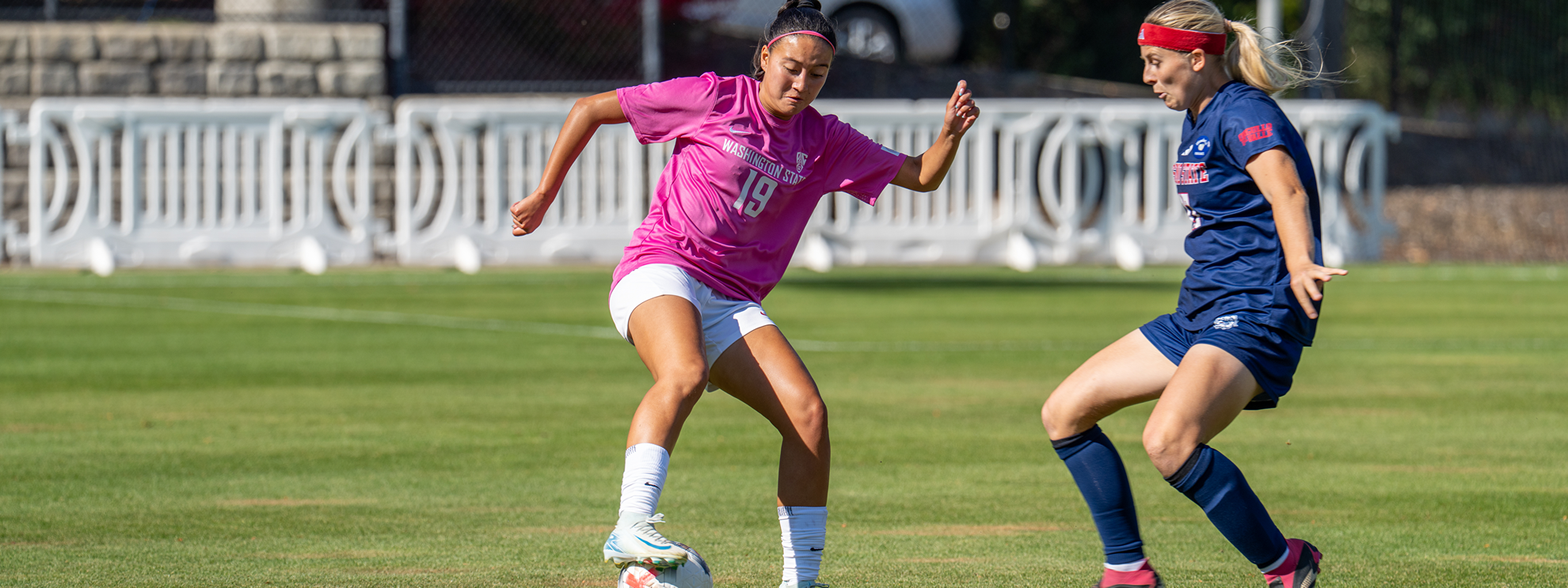
Soccer takes the bus north for a familiar rivalry trip
The bus is pointed north again.
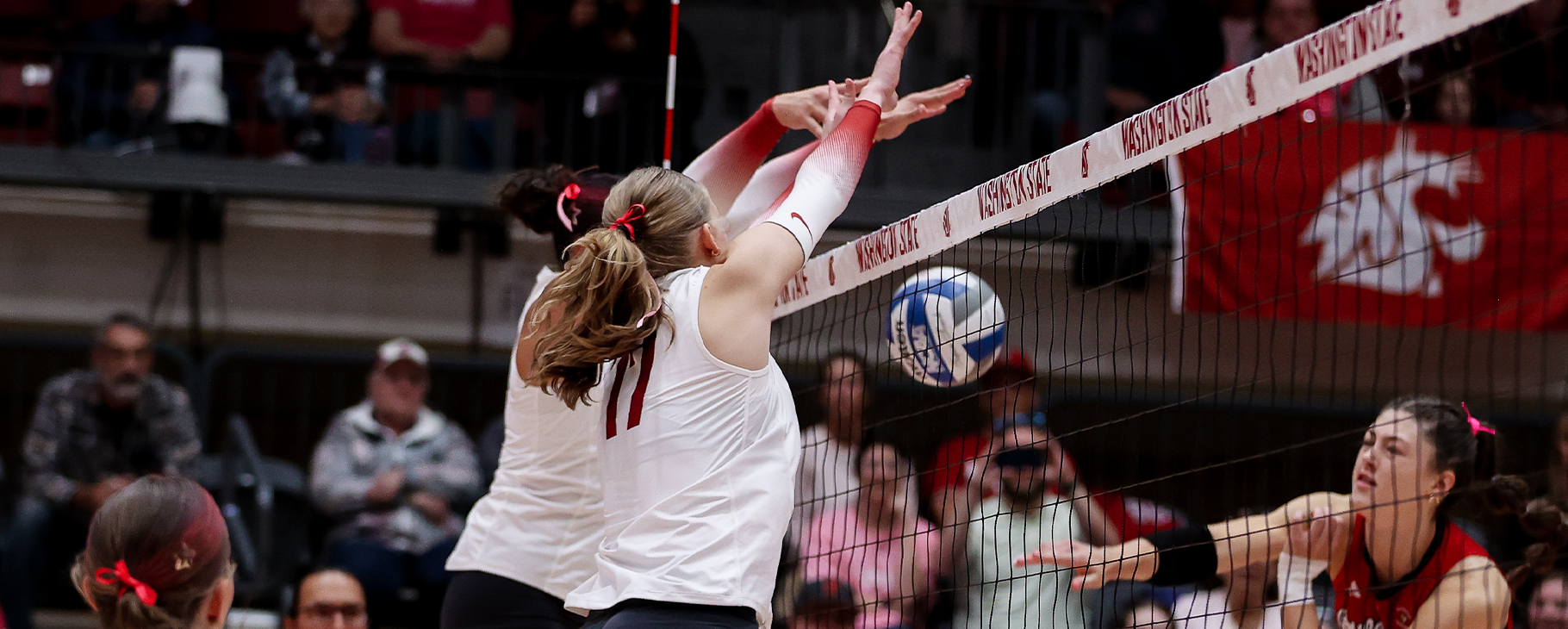
Volleyball fights through five sets, shows Pullman grit in thriller
It took five sets to settle it, but the Cougar volleyball team did not flinch.
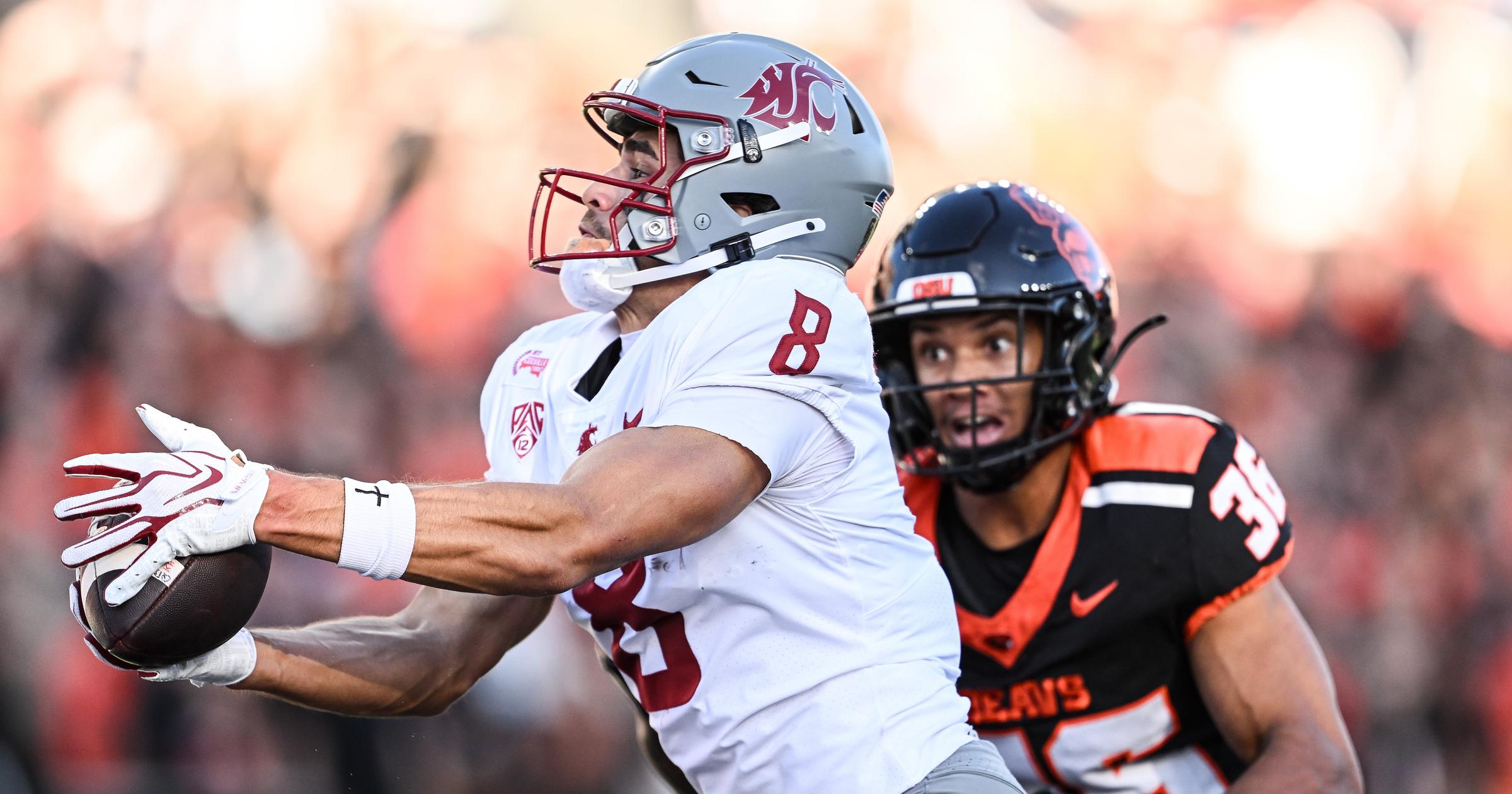
Owen Eshelman and Branden Ganashamoorthy made the scoreboard hurt a little less
You can't sugarcoat a 48-30 loss, especially the fourth straight.
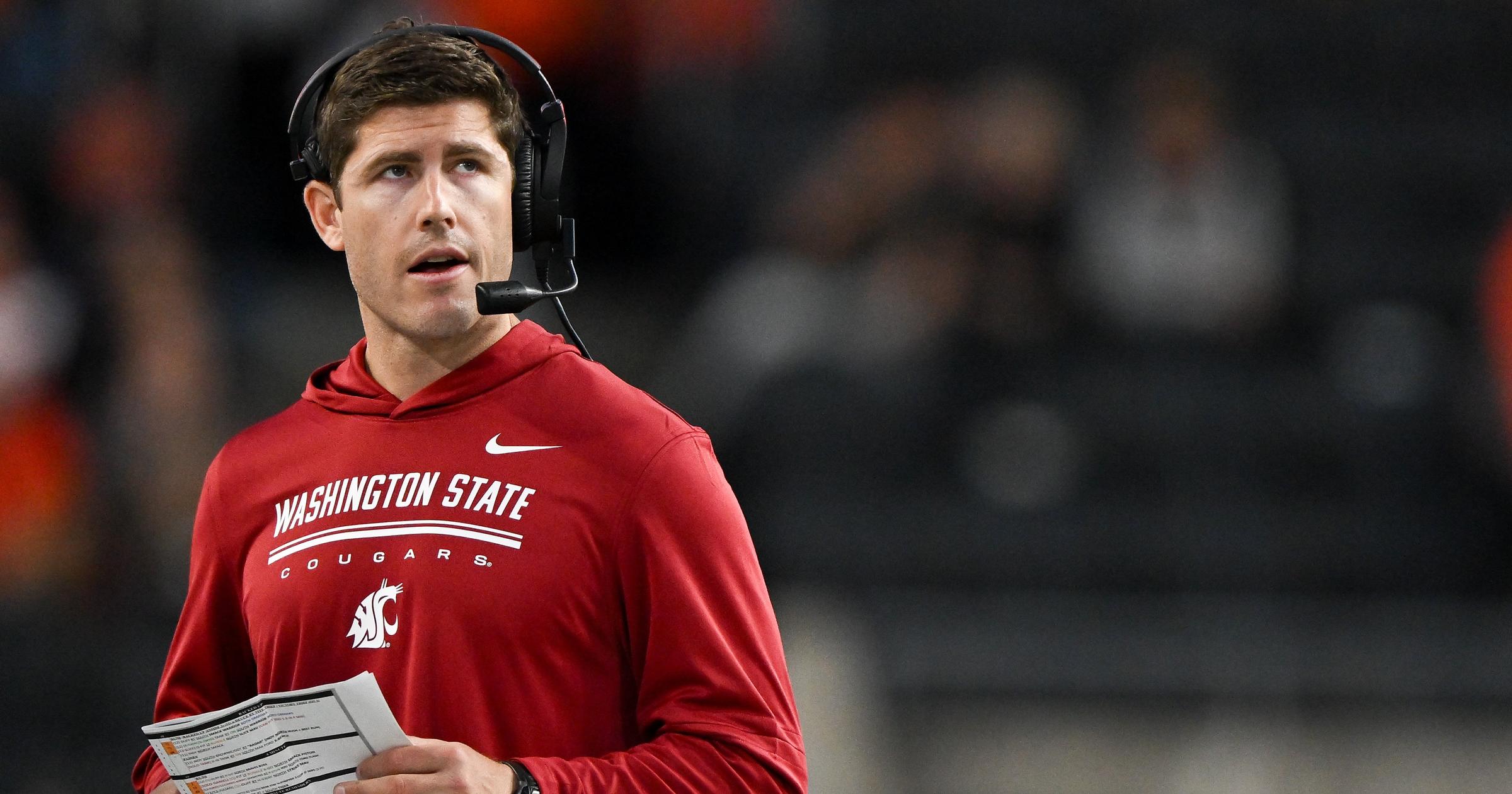
Kirby Moore finally had something to say, and it wasn't about a tie
Kirby Moore finally looked like he had something to say, and it wasn't about a tie.
:fill(white)/media.spokesman.com/photos/2026/10/17/6ad438ae6aedf.hires.png)
Eshelman gives Cougs hope, but D can't stop Oregon State
Oregon State's offense did what everyone feared it would do.
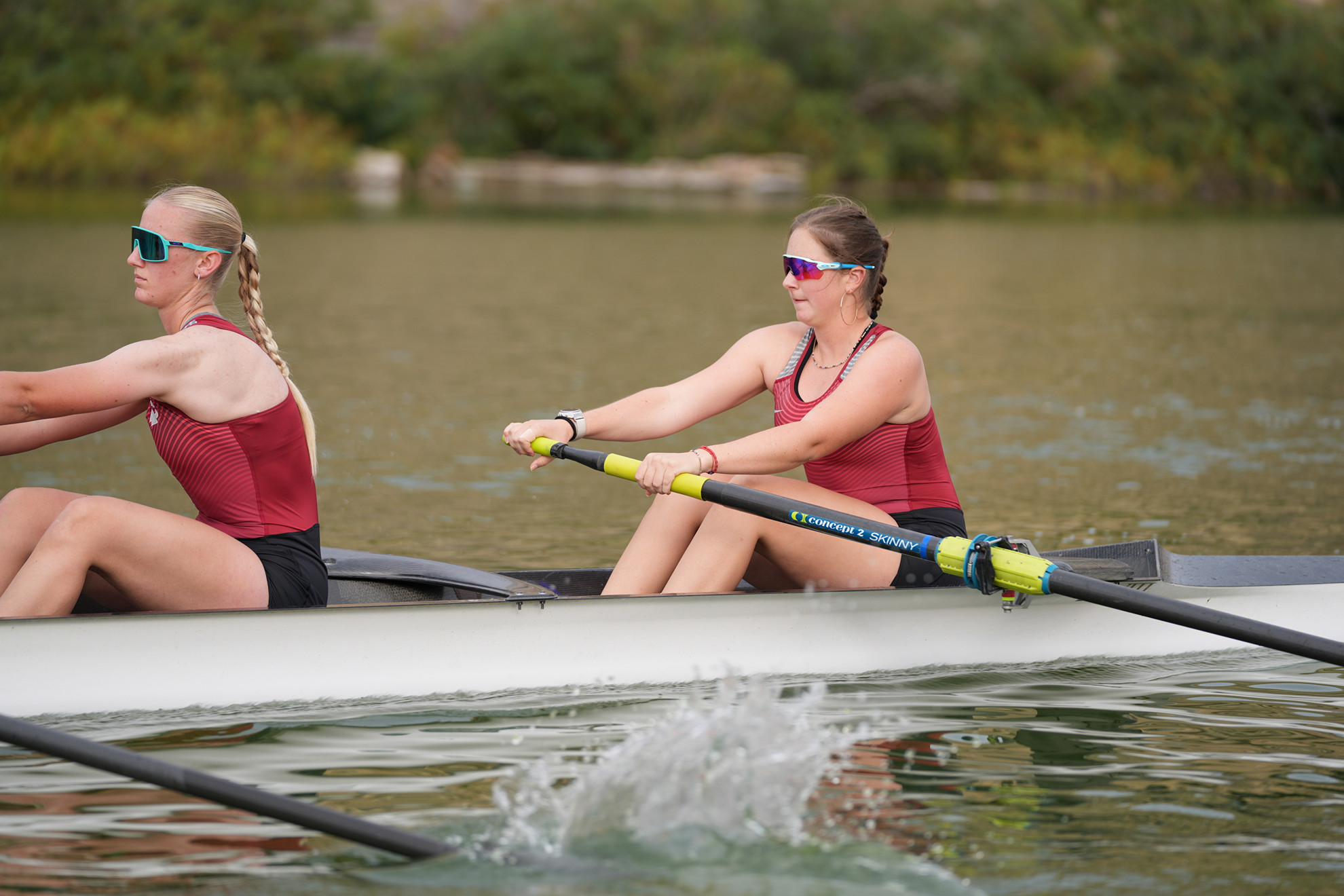
Cougs keep rolling on the Spokane River this season
You don't need a calendar to know it's spring on the Spokane River.
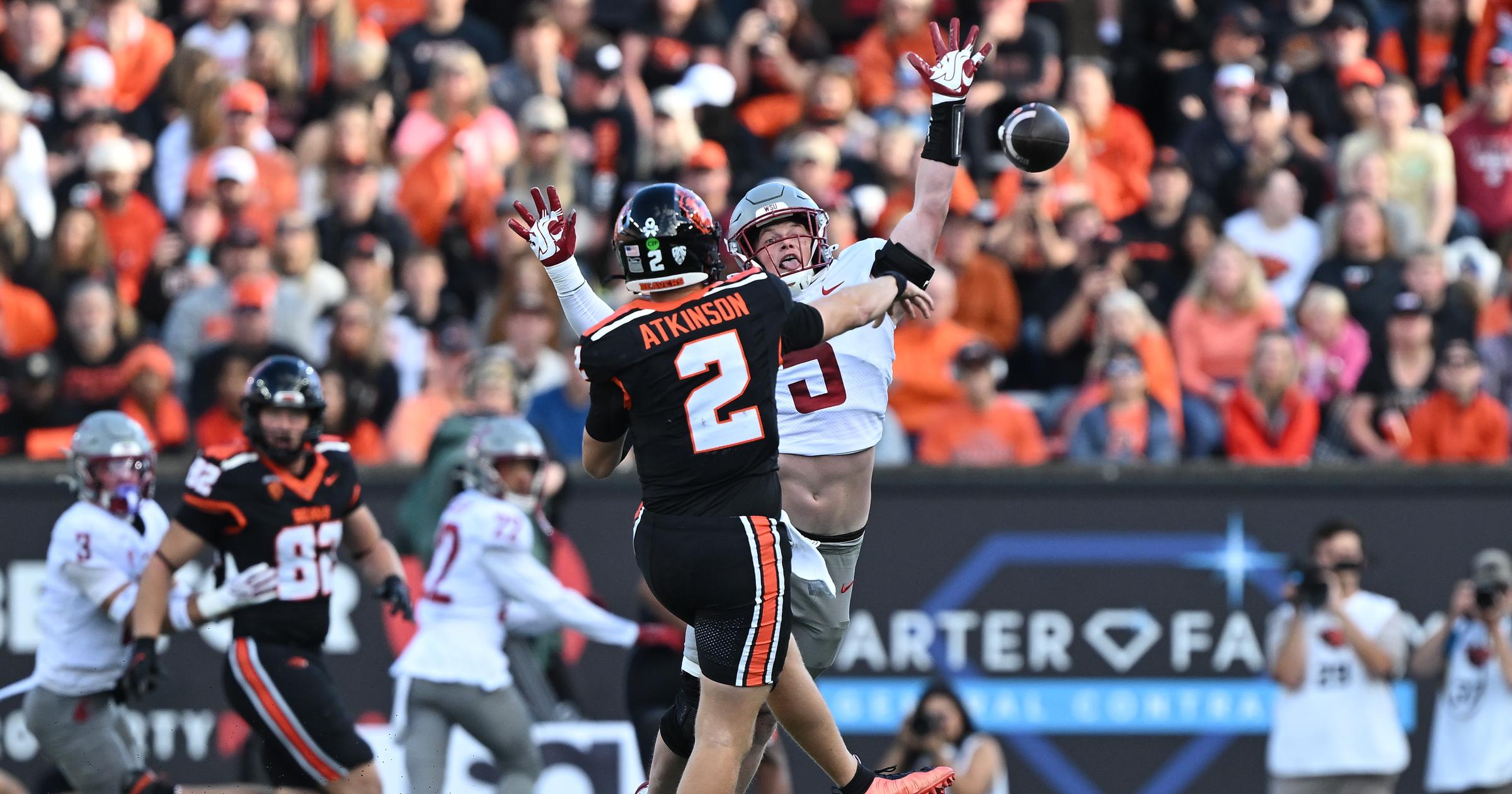
Braden Atkinson keeps slinging it, now tops in the FBS
Braden Atkinson threw a 90-yard touchdown in the first half and never looked back.
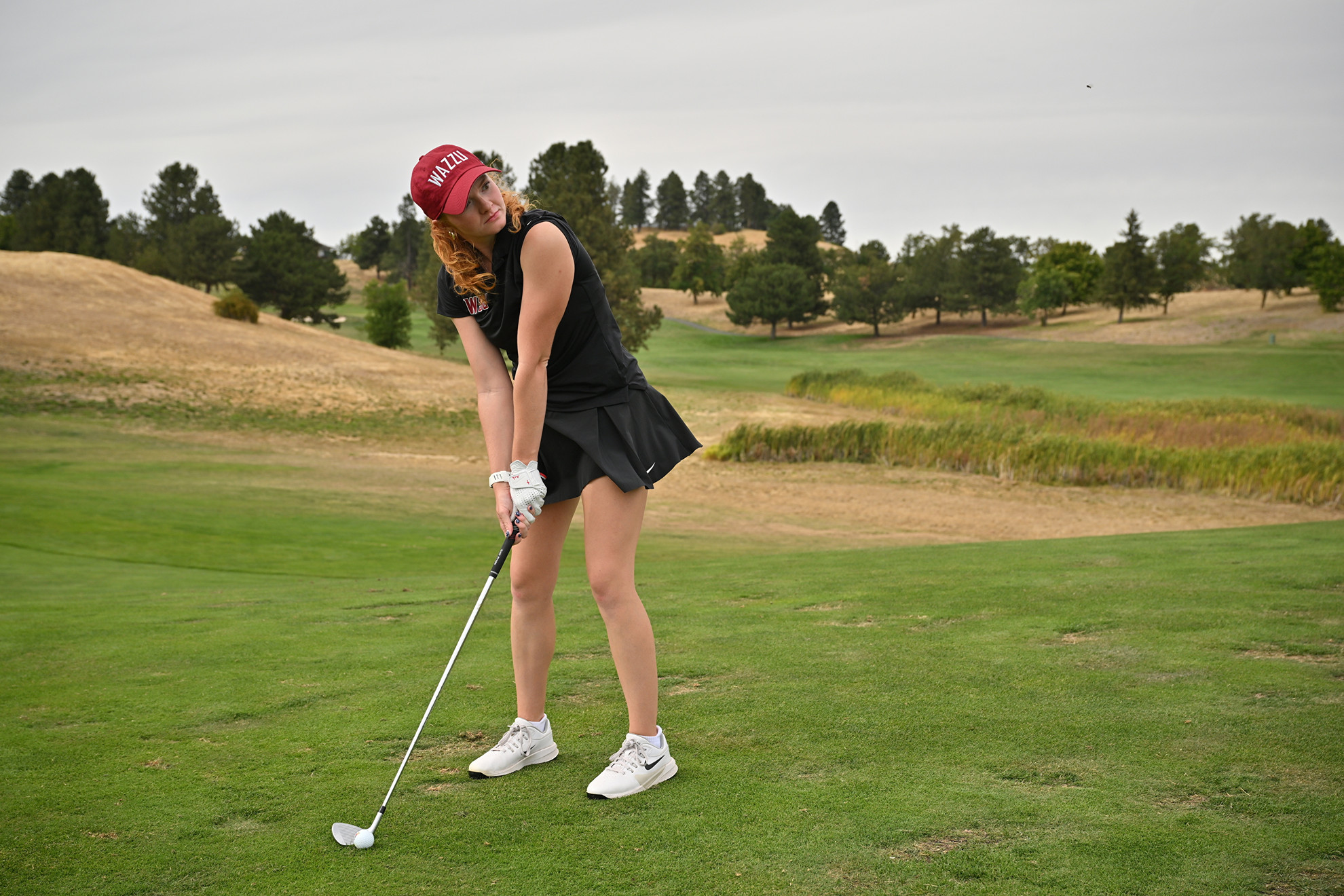
Coug women's golf closes fall season with a trip to Hawai'i
The women's golf team is packing sunscreen and clubs for Hawai'i to close out the fall season.
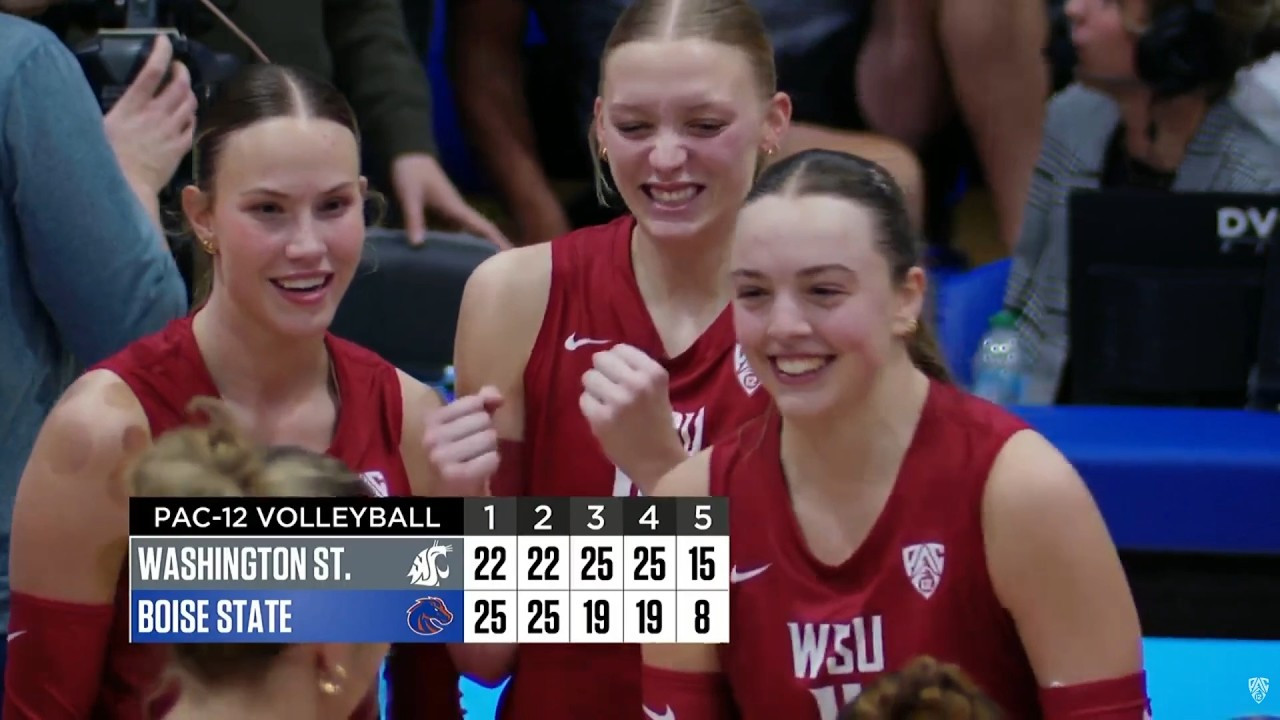
Cougs hit the road and left an impression on Boise State
Boise State fans might have expected an easy tune-up.
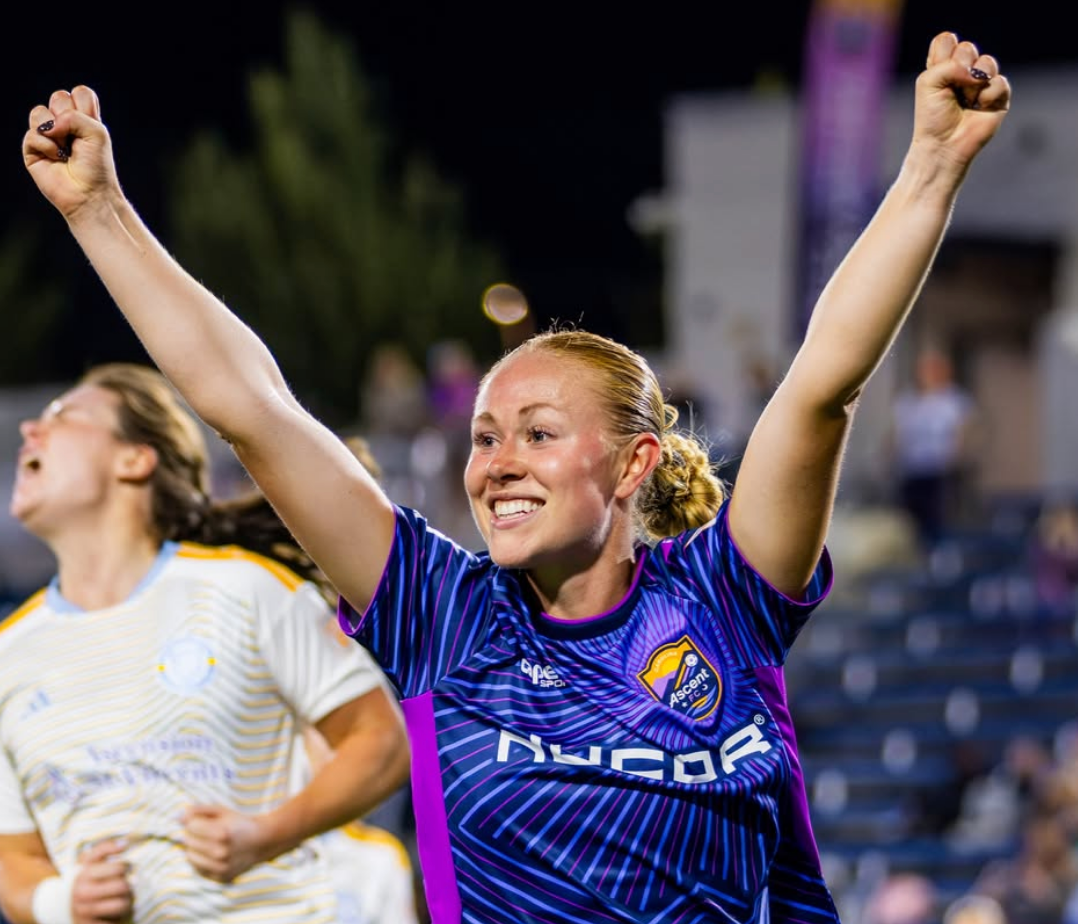
Four Cougs finding their footing in pro soccer this season
Wazzu keeps sending ballers to the next level, and this season four more Cougs are carving out space on professional soccer fields.
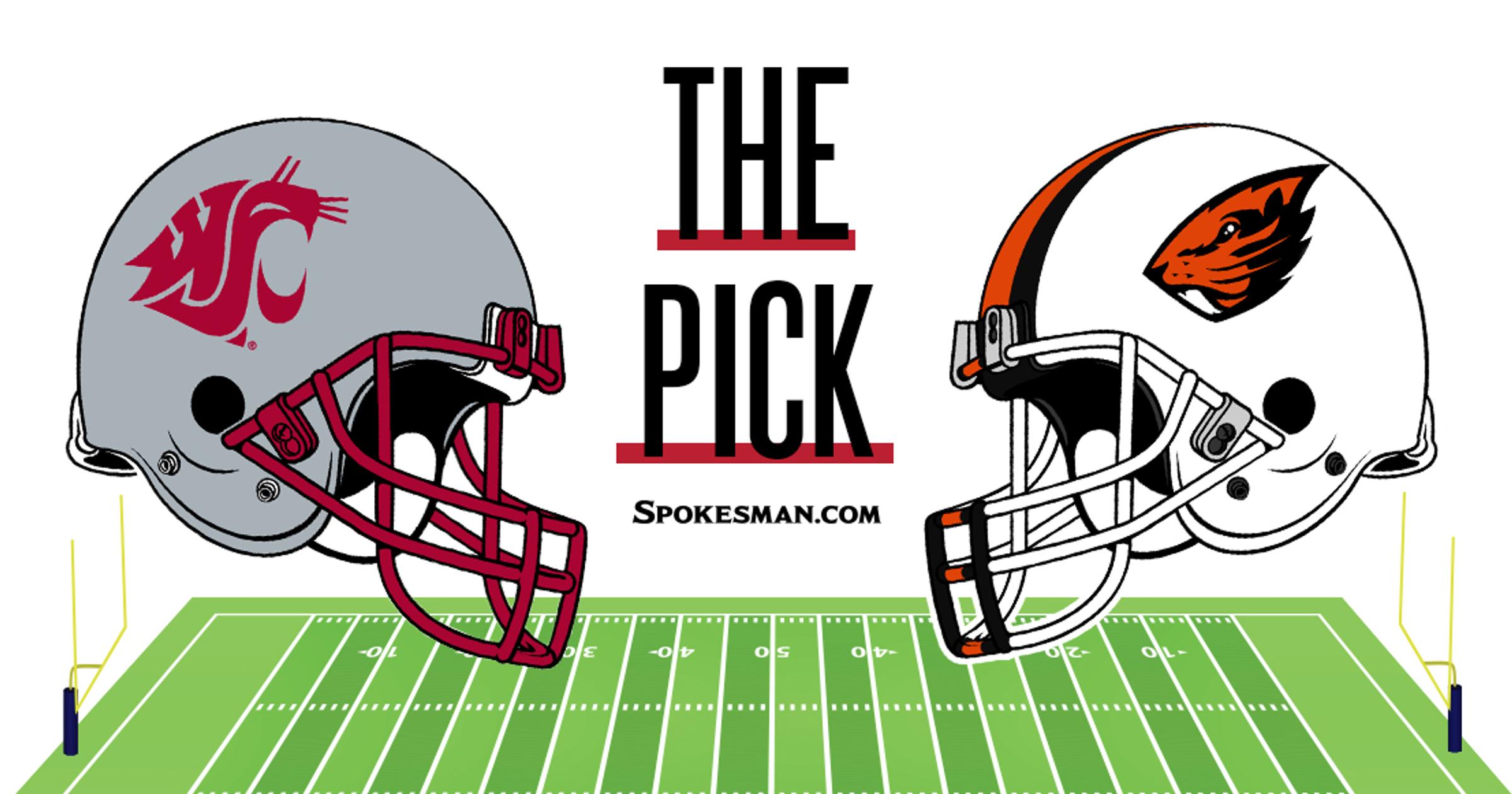
Bray's defense brings the heat, and a little revenge, to Corvallis
Trent Bray is going back to Corvallis, and he's bringing a defense that has earned the right to be a little salty.
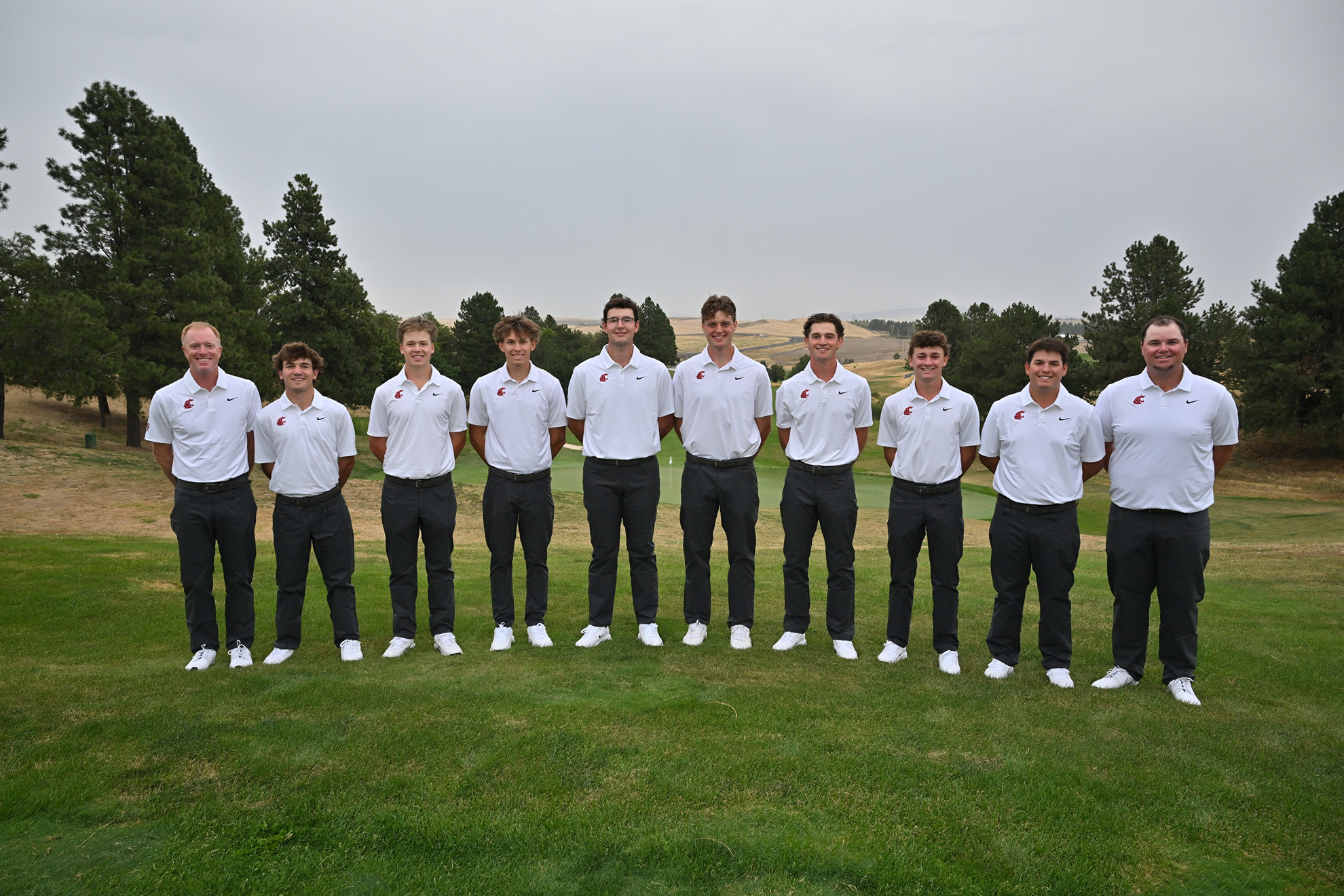
Cougs pack for Moraga after putting up their best showing of the season
What the hell was that?
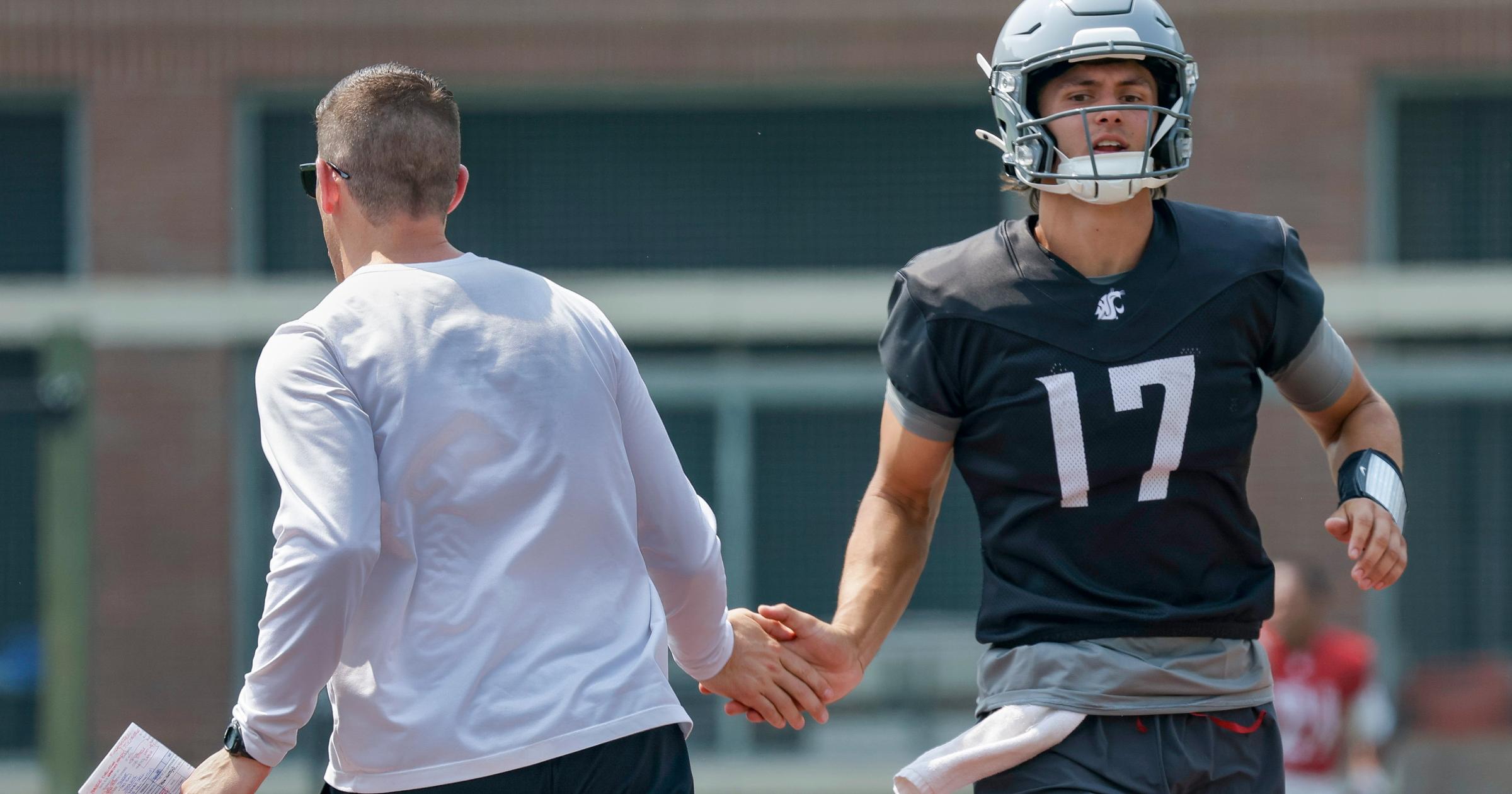
Eshelman and WSU need the offense to show up if they want to beat Oregon State
The rock is on the line, but that's the least of Wazzu's worries right now.
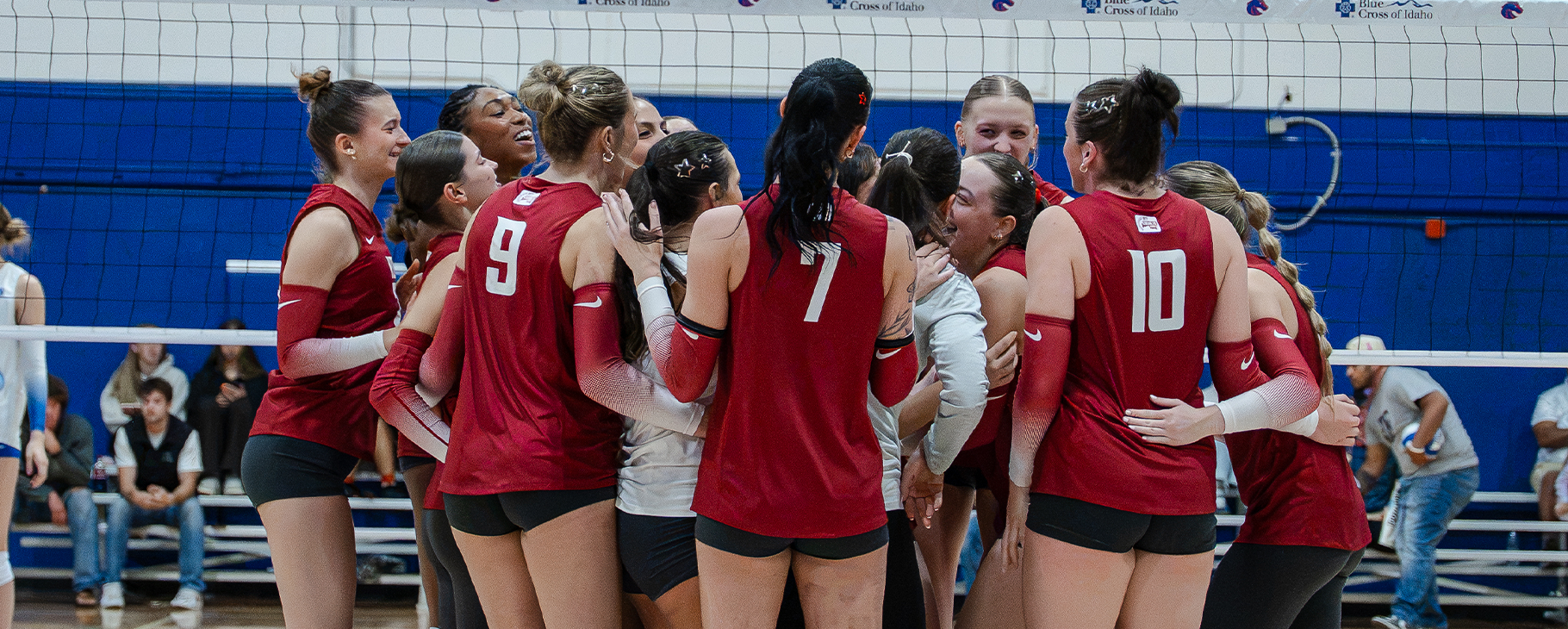
Reverse Sweep Complete: Volleyball Punches Back at Boise
Boise State had the Cougs on the ropes.
:fill(white)/media.spokesman.com/photos/2026/10/17/6ad2c51d17015.hires.png)
Eshelman finds the end zone, but Beavers build a big lead
Owen Eshelman found the end zone for the first time in his college career Saturday, and that's about the only good news the Cougars got in Corvallis.
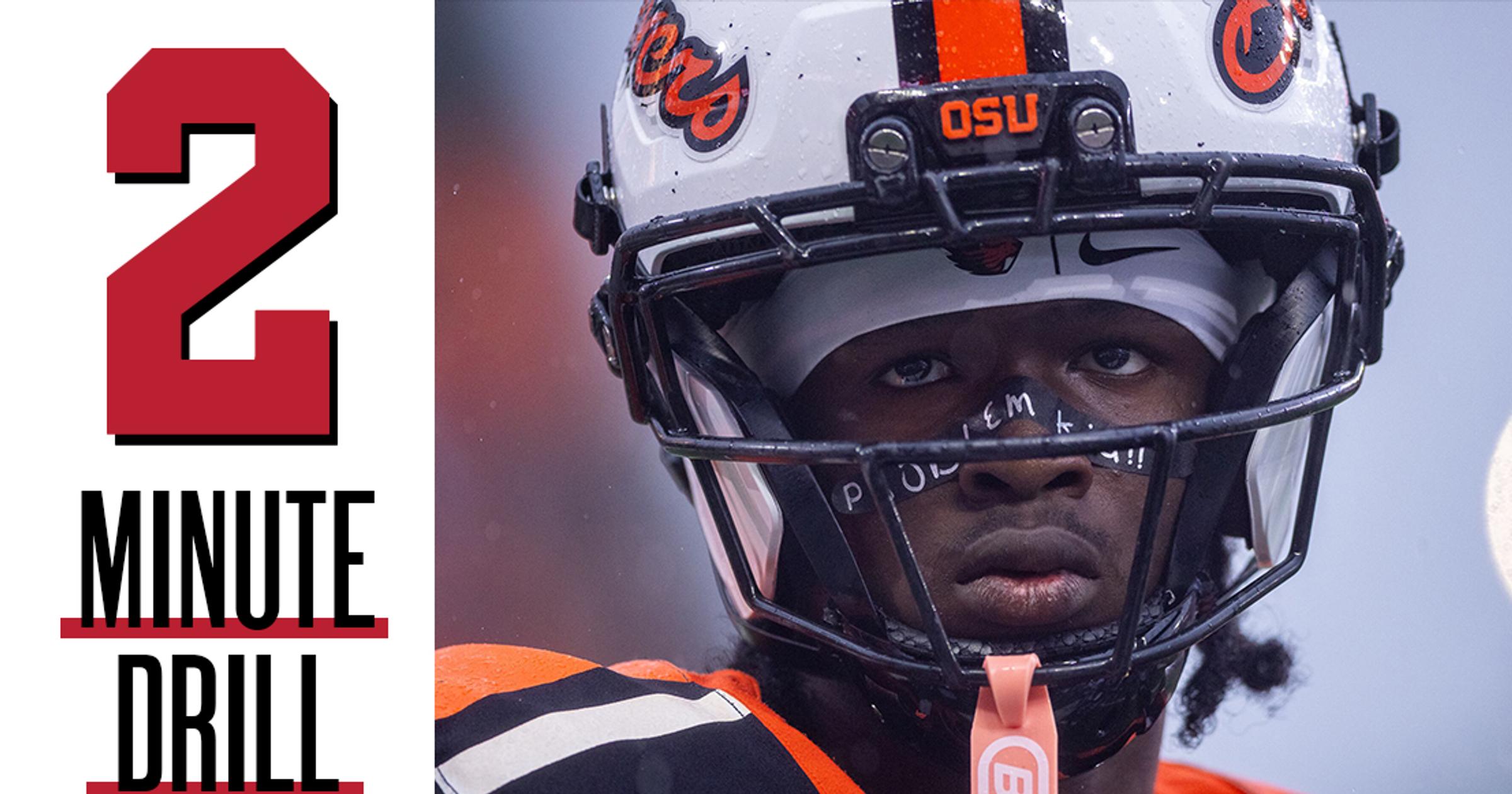
WSU's secondary gets its biggest test of the season against OSU's Legree
Jesse Legree has not been held under 100 receiving yards once this fall.
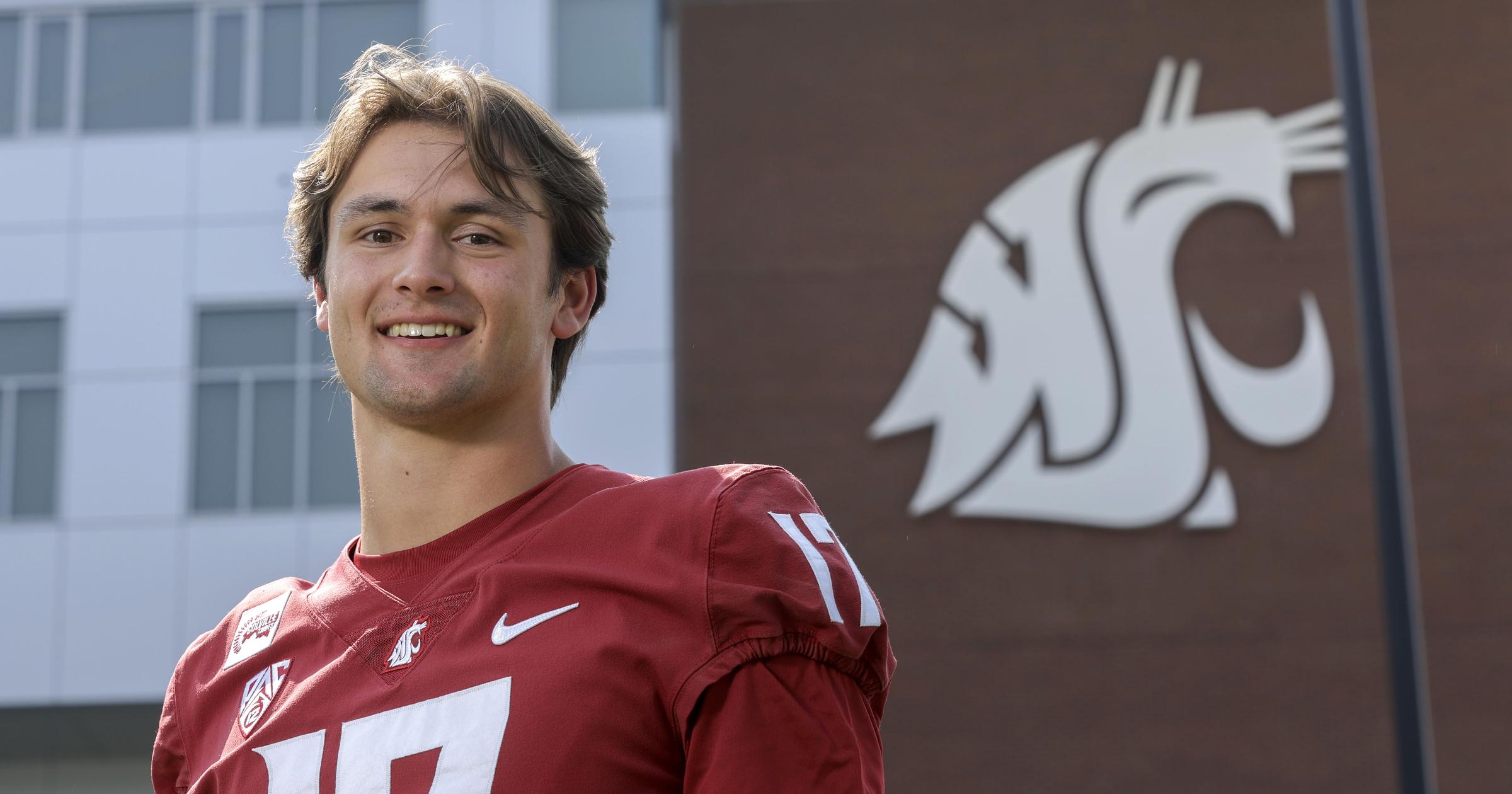
Eshelman walked in asking why, and WSU coaches took notice
PULLMAN – Right away, coaches couldn’t help but notice the confidence, the poise that Owen Eshelman walked around with.
Cougs get their tip times for Pac-12 women's hoops slate
Tip times are out.
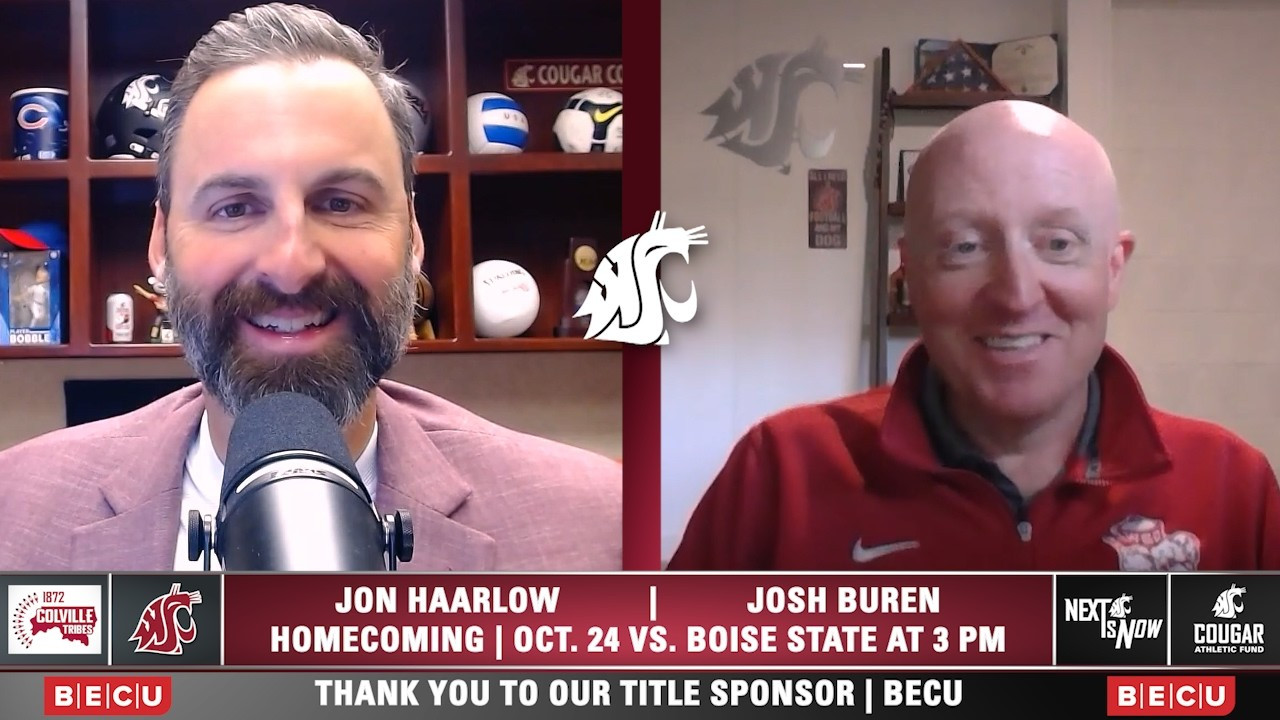
BECU's new Cougar Athletics pod sits down with Foss and Buren
BECU's new Cougar Athletics pod is doing exactly what it should: sitting down with Foss and Buren and letting them talk.
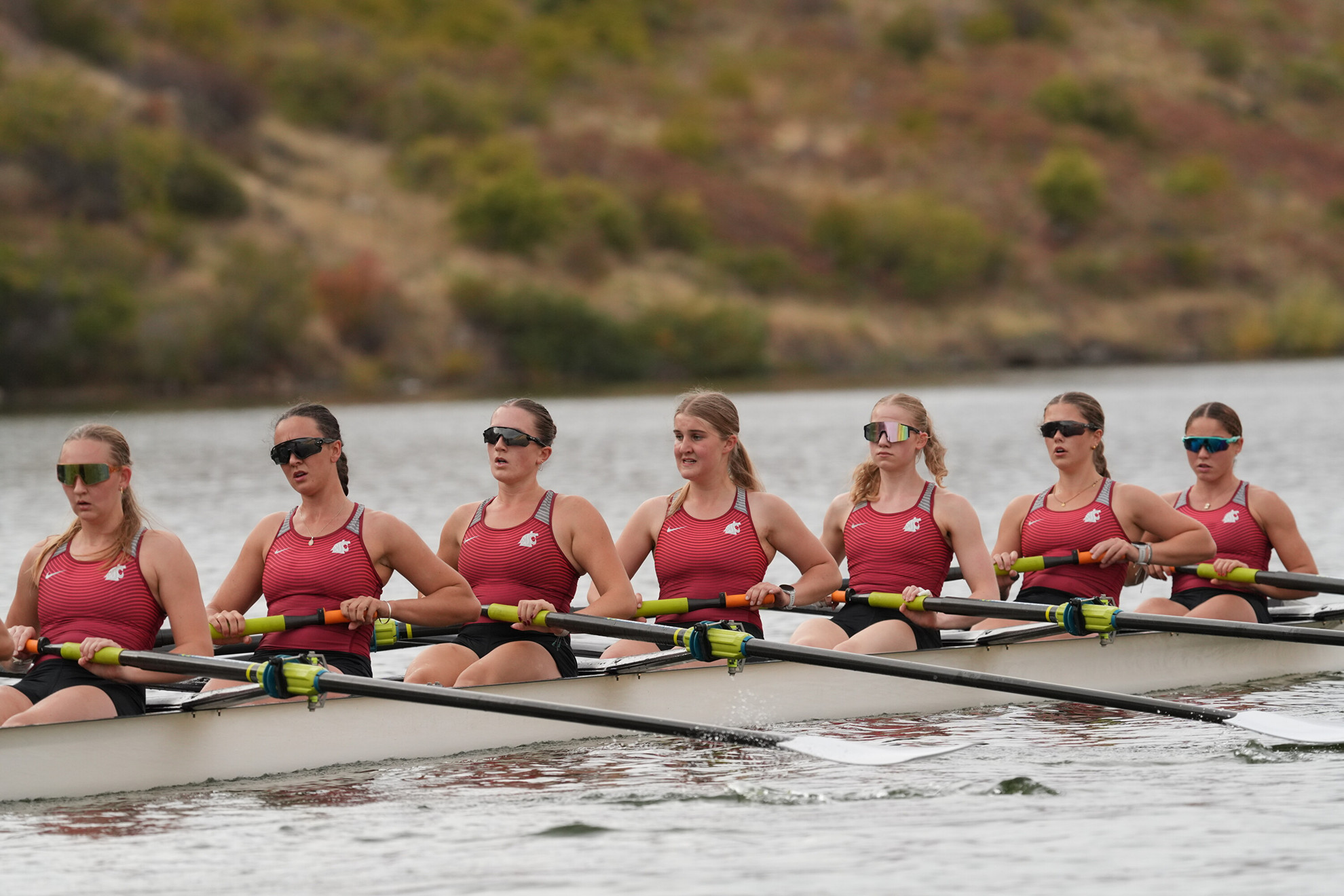
Rowers take the Spokane for one last fall tune-up
The Spokane River is getting one last look from the WSU rowing team before the fall wraps up.
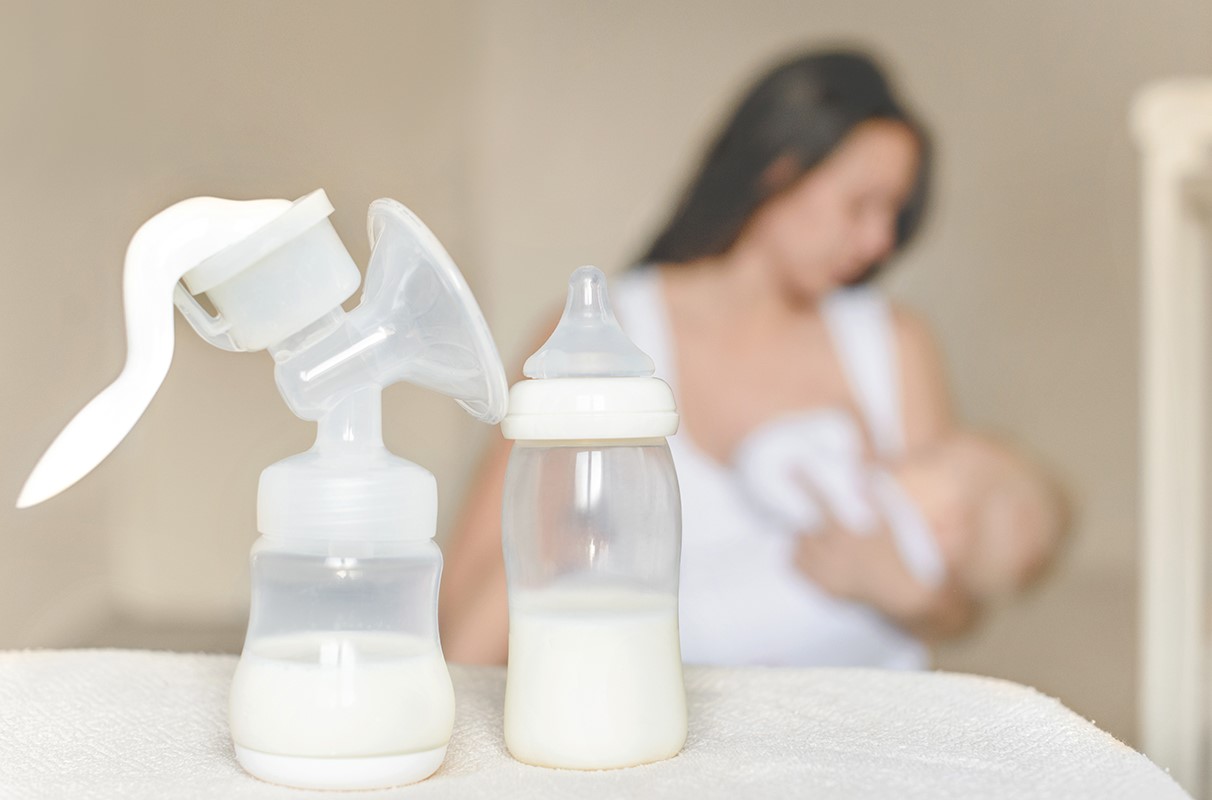
WSU study says pass the bong, not the breastmilk, new moms
If you're a new mom who also happens to enjoy cannabis, a new WSU study has some advice: pass the bong, not the breastmilk.
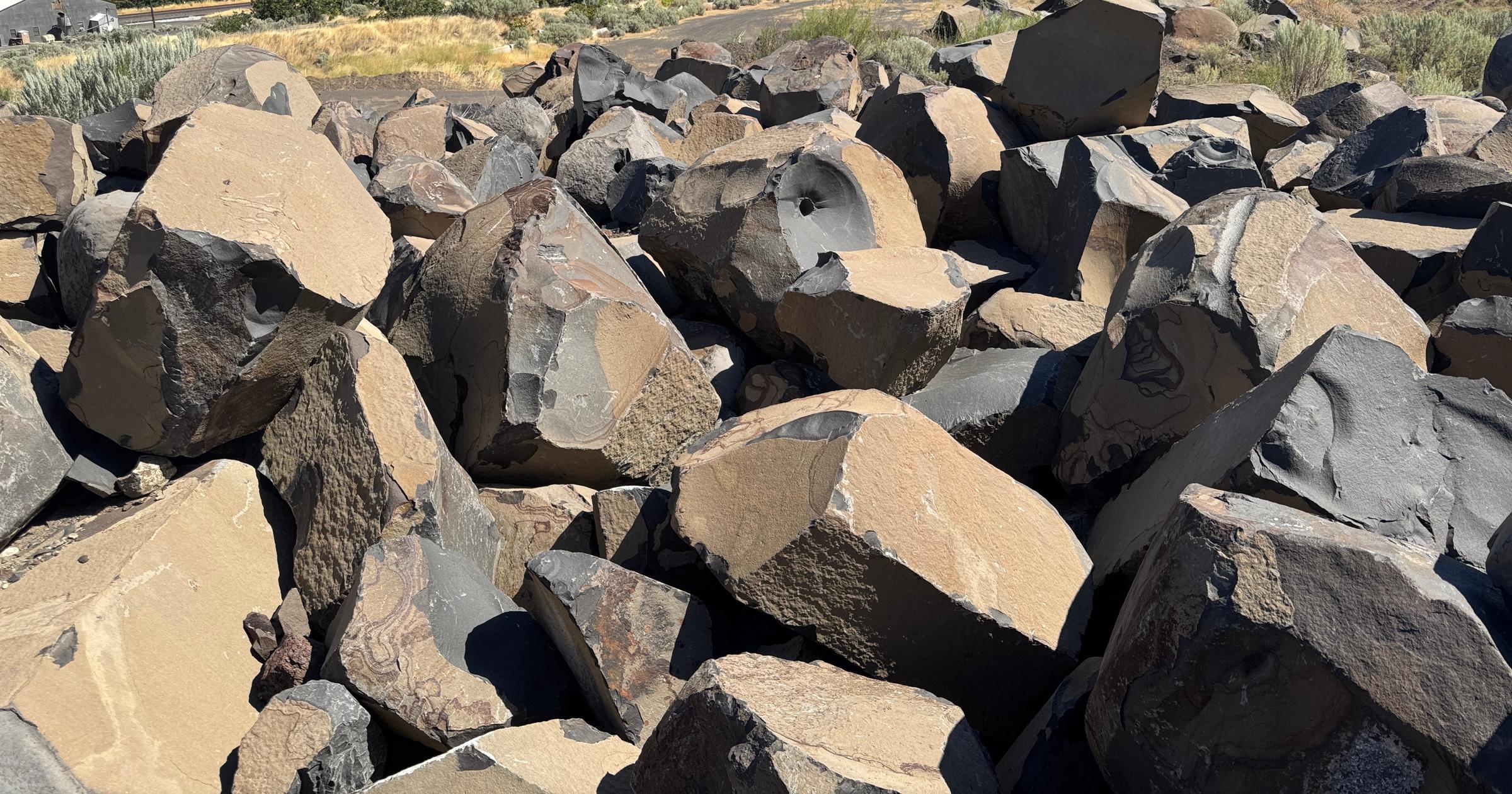
The Rock Is Real WSU and OSU Make Their Rivalry Official
Noah Dunham looked confused when a reporter asked about the rivalry rock.
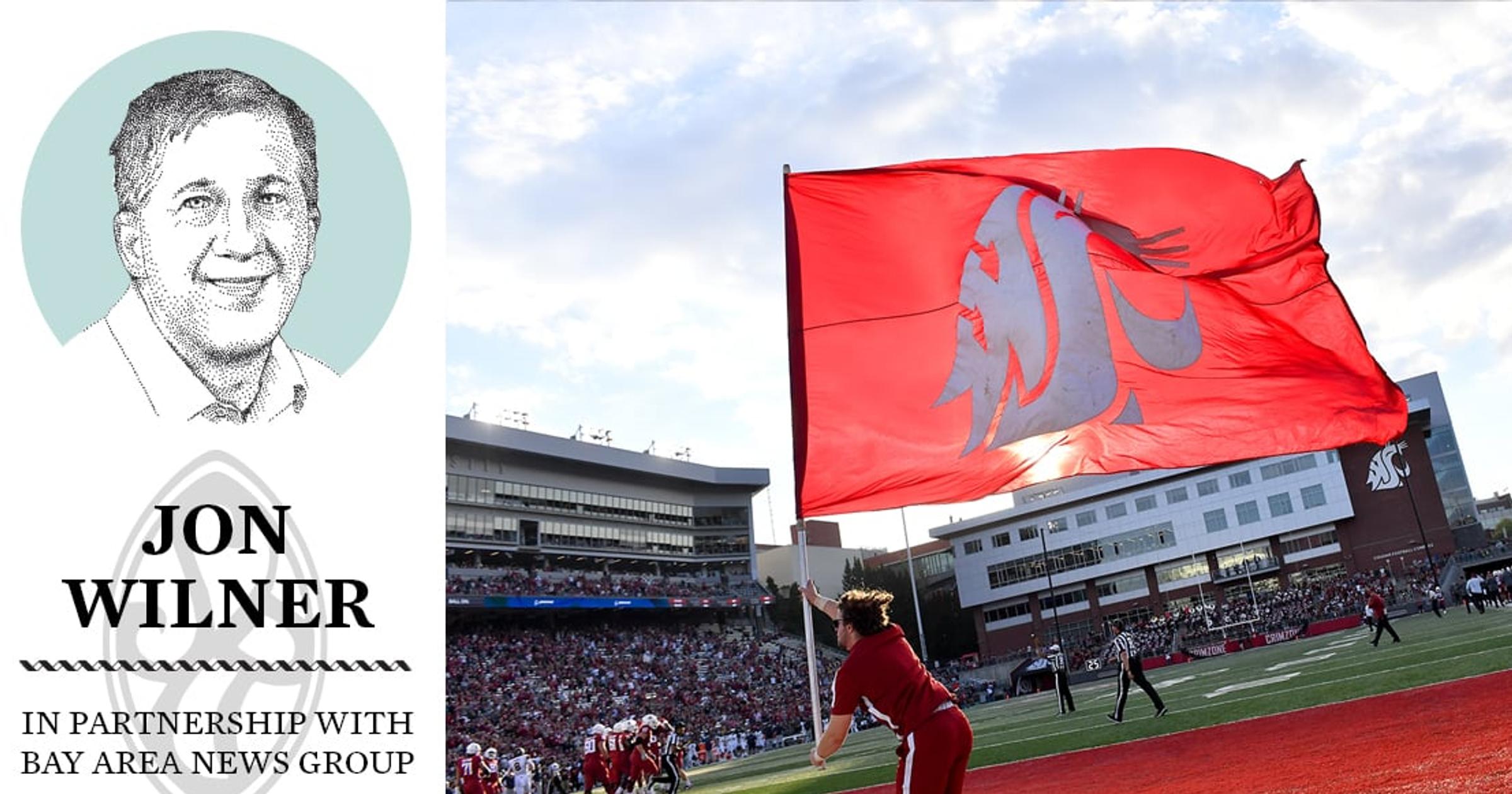
It hurts: Beavers rising while Cougs slide in the new Pac-12
It hurts to read this, and it should.

Wazzu Study: Sensitivity Is About Social Threat, Not Just Loud Noises
A new WSU study found that being a Highly Sensitive Person isn't really about flinching at loud noises or complaining about the office thermostat.
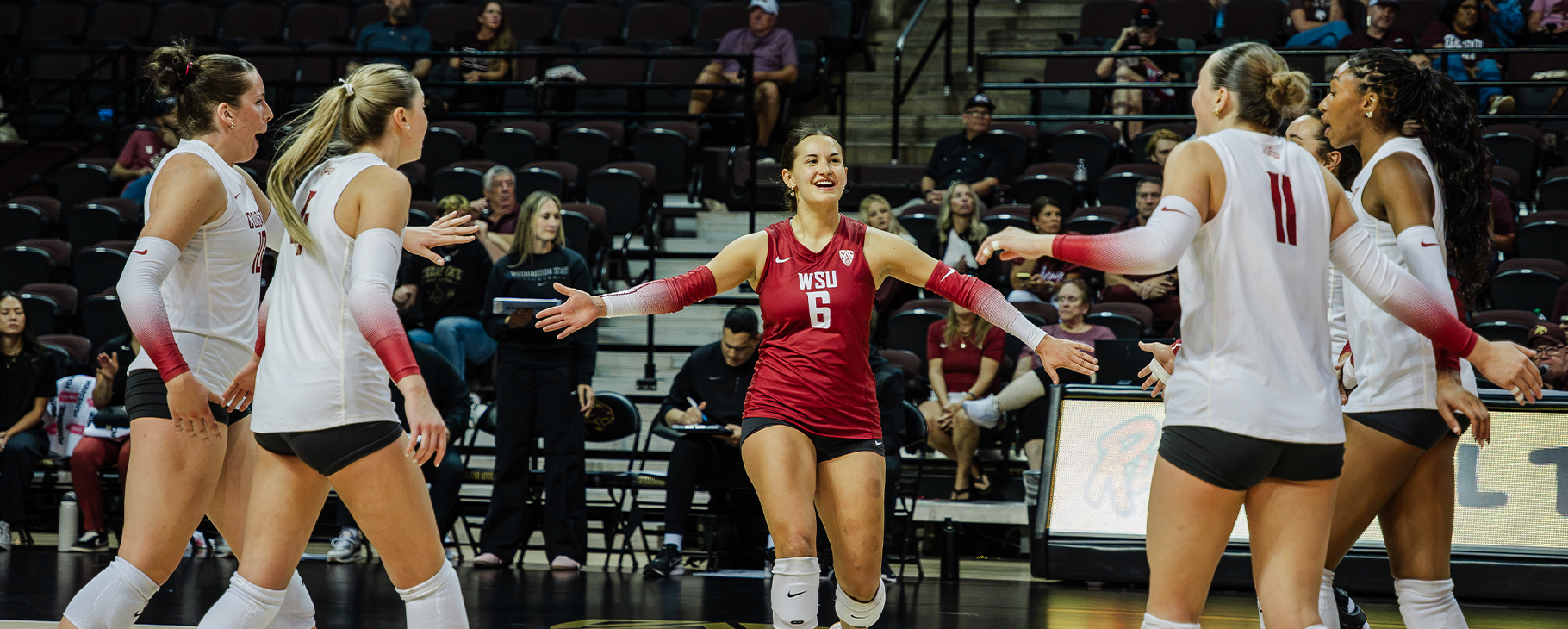
Volleyball hits the road for Boise then hosts Fresno State in the same week
Volleyball is about to log some serious highway miles.
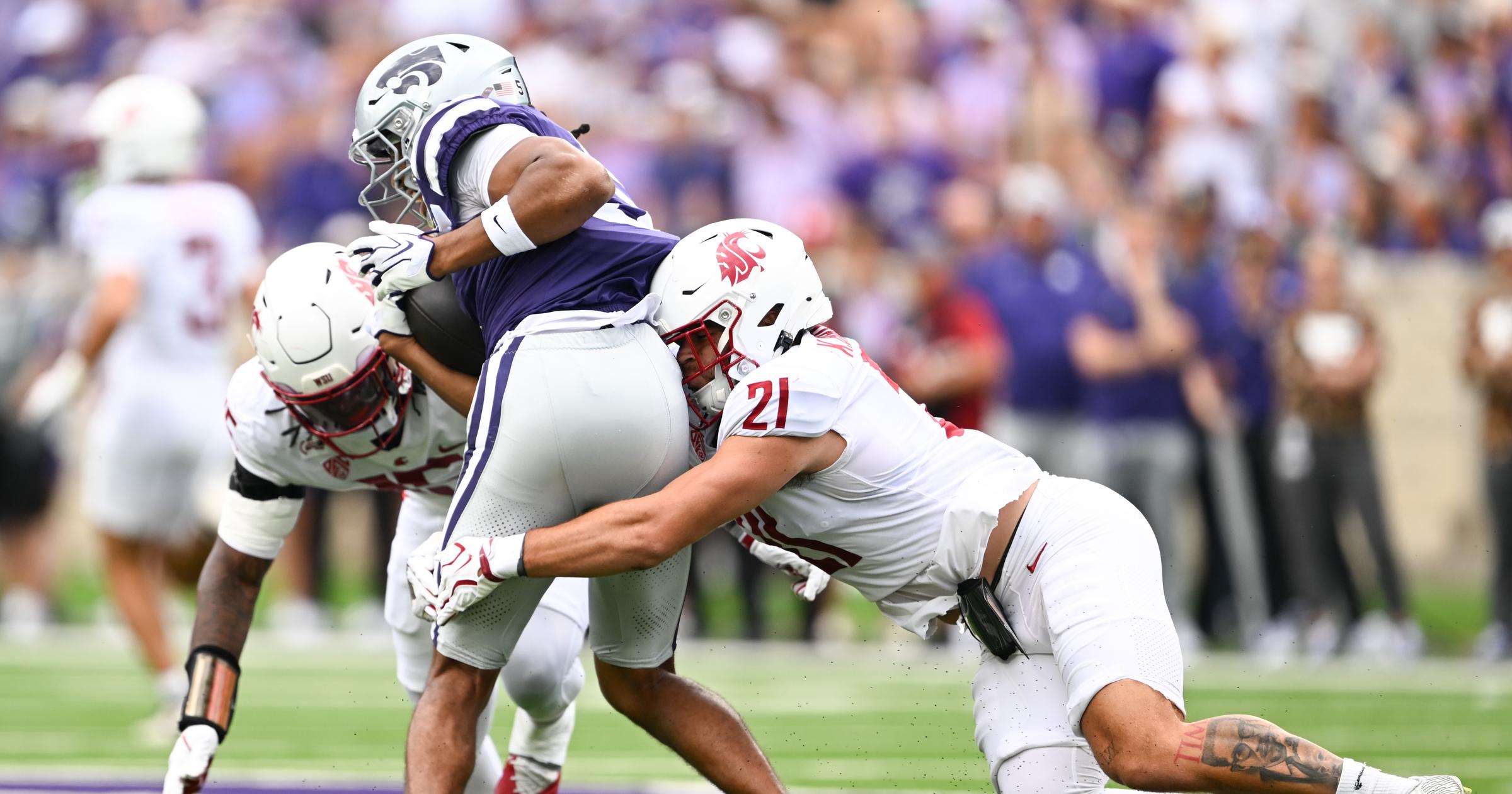
Keith Brown deleted social media to lock in on WSU's defense
Keith Brown deleted social media to lock in on WSU's defense, and honestly, that tells you everything you need to know about this guy.