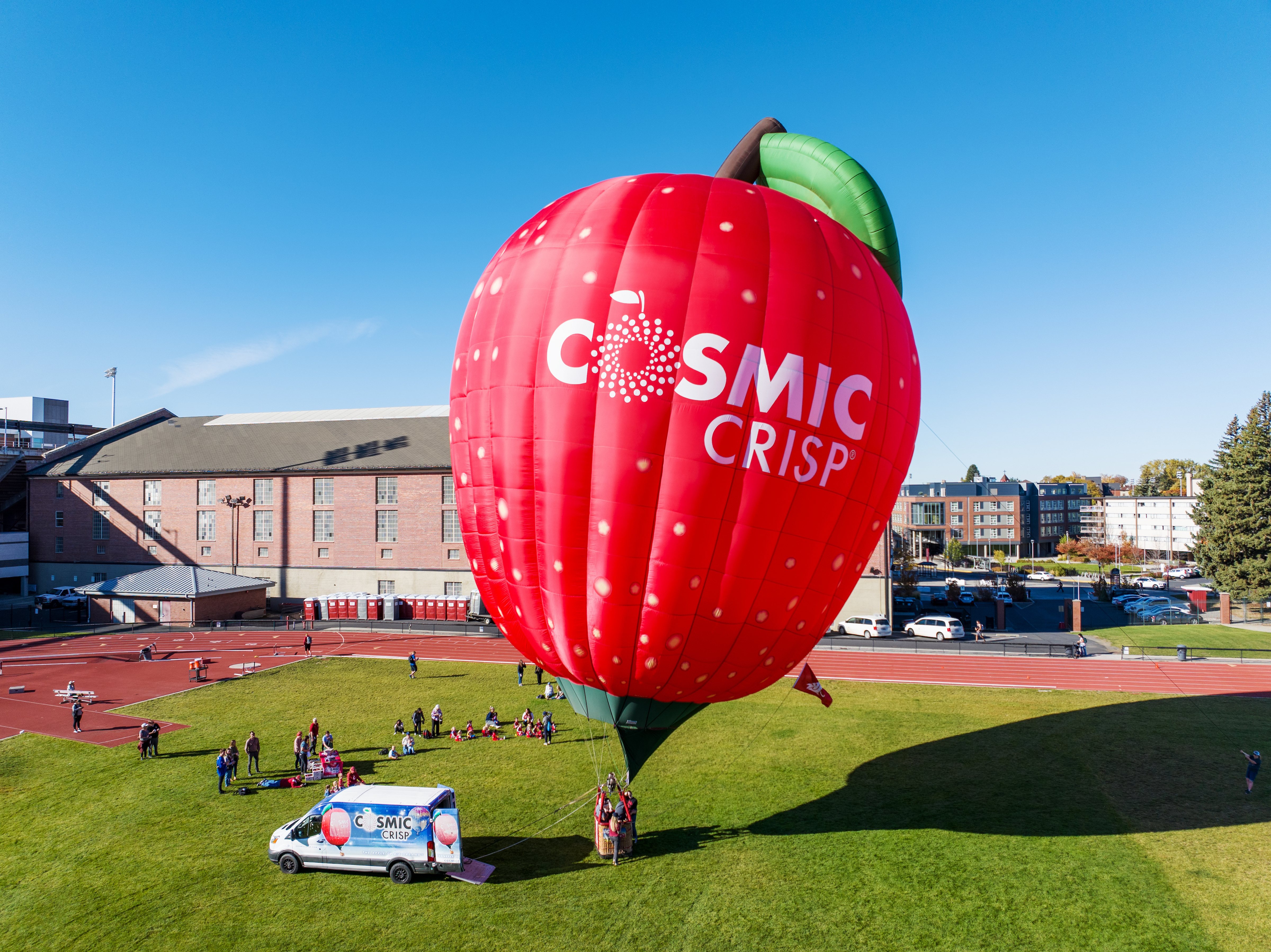
The Cosmic Crisp was never just another apple. It was a bet on the future of the Palouse, and now that it is sitting in your grocery store's produce section, it is worth remembering that this fruit did not appear by accident. It came from a breeding program at Washington State University, the same place that has been quietly reshaping what this state grows and sells for decades. Our take is simple: this apple is not a novelty, it is a payoff, and it tells you something important about how much of the work Cougs do never makes the headlines.
You have seen the pattern before. Washington wine didn't happen by accident. Cougs helped build it, and it took decades of patient work with growers and producers to turn a few vines into an economic powerhouse. The Cosmic Crisp is the same story with a crunch. It was bred to be a better apple, one that stays crisp for months without the usual fuss, and that is not a small thing for a state that ships fruit across the country. When you bite into one, you are eating the result of research that started long before the hype, and that is exactly the point. WSU does not just hand out degrees; it hands out tools that keep the state's economy from rotting on the vine.
The practical part is where this gets real for you. Every time you buy a Cosmic Crisp, you are voting for more of that research. The same goes for WSU's corn fields got smarter, and the AI didn't even need a Palouse sunrise, where AgWeatherNet and its data are turning weather into decisions for farmers who cannot afford to guess. That is the through-line here: the apple and the AI are both products of a university that treats the region as a lab, not a backdrop. It is not flashy. It does not always make the sports page. But it is the reason Pullman matters long after you have thrown your cap in the air.
So here is the take you can text to a friend who thinks WSU is just about game day: the Cosmic Crisp is the most delicious argument for land-grant research you will ever eat. The question is not whether the apple will sell. It will. The real question is whether people will start connecting the dots between the fruit in their fridge and the university that made it possible. If they do, the next decade of Cougar innovation will not just be in the fields. It will be in every grocery cart in America. Keep an eye on the produce aisle. That is where the future of this state is actually being grown. Go Cougs.