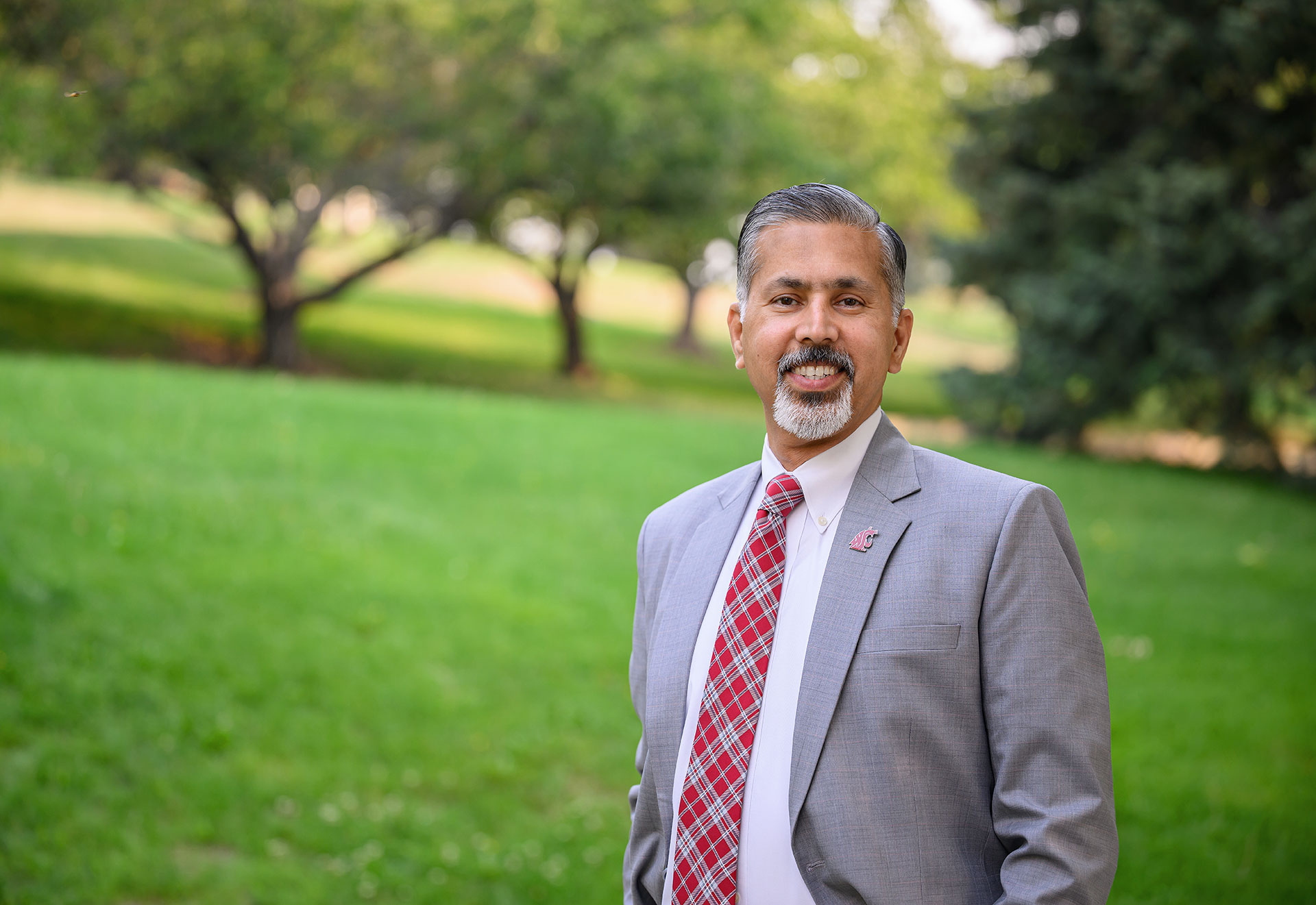
Dean Khosla is right, and we should say it louder for the people in the back. His essay makes the case that the land-grant mission of Washington State still means something, and honestly, it means more now than it has in decades. This is not nostalgia for a dusty charter. It is a direct argument that WSU's job, to serve the people of this state with practical, applied knowledge, has never been more urgent. And if you have been to a county fair lately, or read about the work happening in Spokane elementary schools, you already know it.
Khosla points out that millions of Washingtonians will gather at fairs this fall, walking past orchards and pumpkin patches, often without realizing they are standing inside the land-grant idea in action. That is not a vague sentiment. It is the same muscle WSU uses when it takes health care to a Spokane elementary school hallway, planting a clinic where families actually are instead of waiting for them to find a hospital. It is the same instinct behind the new report on Pullman’s butterflies, which tells you what to plant in your own yard to keep local species alive. These are not separate projects. They are the same mission, applied to different problems. Khosla is saying that mission is not a relic. We agree.
Here is the take you can text a friend: WSU's land-grant identity is not a line in a brochure. It is the reason a farmer in the Columbia Basin gets a crop trial that works, and it is the reason a kid in Spokane gets a checkup without missing class. The essay frames it as a point of pride, and it should be. But it is also a point of accountability. If the land-grant mission is still alive, and it is, then WSU has to keep showing up where people are, not where a university might prefer to be. That means the fair booth, the elementary school hallway, and your garden. It also means the state fair, where WSU has been serving up a century of Washington farm history, connecting the dots between a land grant signed in 1862 and the apple you just bought.
The specific consequence to watch is whether the rest of the university backs up Khosla's argument with resources. An essay is a flag planted. The real test is whether WSU continues funding the people and programs that make that mission tangible. The fairs will happen. The clinics will stay open. But the land-grant promise only means something if the institution treats it like a budget priority, not a historical footnote. Go Cougs.