conservation
Wazzu keeps conservation in one place: 4 stories so far. The section currently leads with “WSU scientists dig in to save honey bees from the brink”, “AI Scans the Wild in Days, Not Months, and Pullman Helped Build It”, and “Your smartphone pics just helped WSU track grass genetics”. Honey bees are having a rough go of it, and WSU has people on the ground trying to change that. Wildlife cameras catch everything, a lynx slipping through a creek bed, a bear scratching a tree, a herd of elk moving at dusk. The unofficial read for people who left Pullman and stayed Cougs. The list below is every conservation story on Wazzu, newest first.
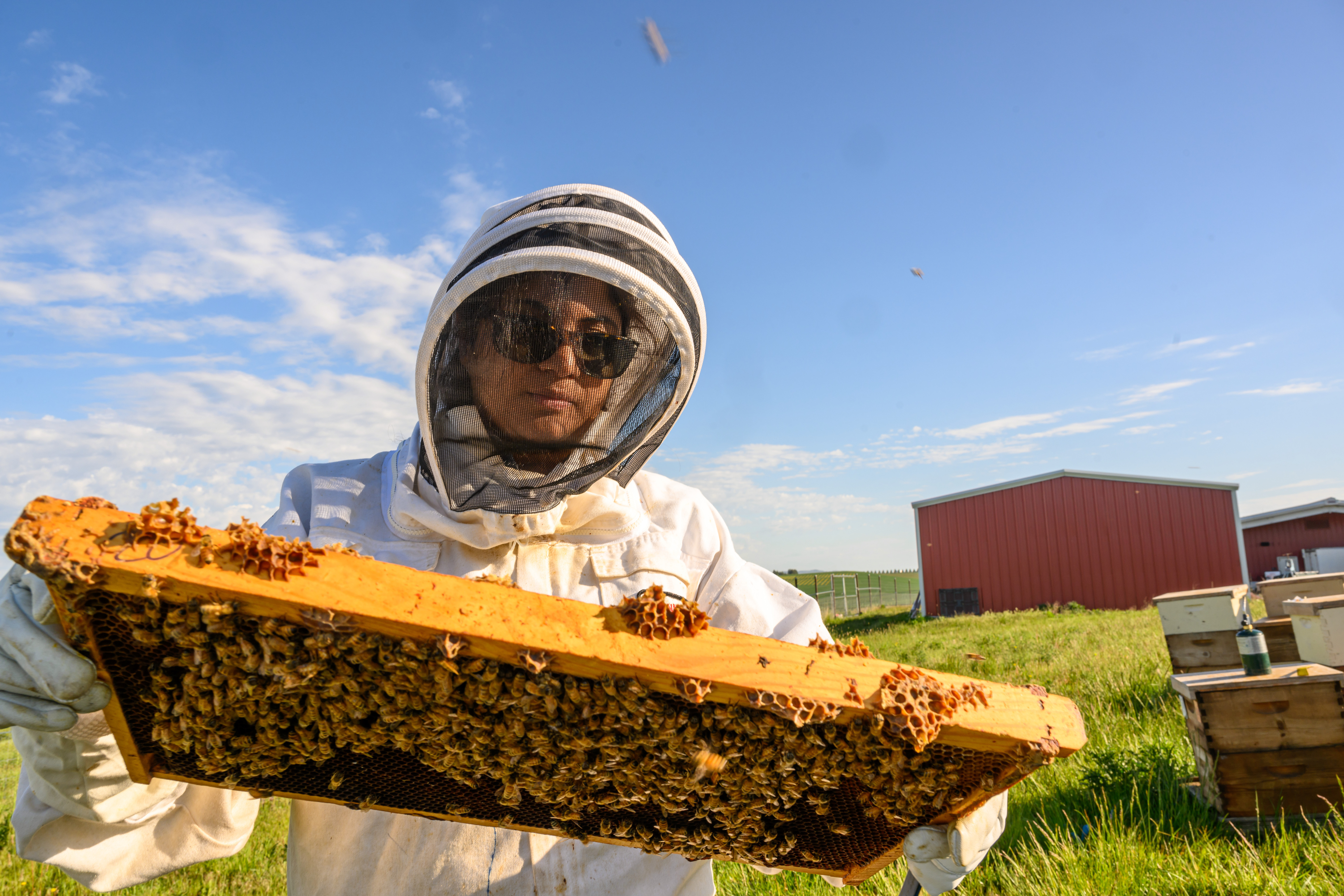
WSU scientists dig in to save honey bees from the brink
Honey bees are having a rough go of it, and WSU has people on the ground trying to change that. Scientists at the university are digging in to figure out how to keep these little pollinators from sliding further toward the brink. It's not just about honey, though that's a nice perk. It's about the crops they pollinate and the food chain that leans on them. When the bees struggle, we all feel it eventually. The threats are piling up: pests, disease, habitat loss, the usual modern mess. WSU's approach isn't a single silver bullet. It's a lot of patient, unglamorous lab work and field research. That's the kind of thing Pullman does well. Nobody's clapping for it on a highlight reel, but it matters. This is the same university that's quietly helping rural schools swap diesel for solar and putting first-gen nursing students through the wringer with a purpose. WSU doesn't always grab the biggest headlines, but the work coming out of the Palouse tends to outlast the news cycle. The bee research fits right in. It's practical, it's urgent, and it's the kind of problem that doesn't solve itself. We'll be watching what they find. And if you want a reminder of how WSU keeps showing up in unexpected places, check out the piece on rural schools going solar. It's the same stubborn, useful energy. Go Cougs.
AI Scans the Wild in Days, Not Months, and Pullman Helped Build It
Wildlife cameras catch everything, a lynx slipping through a creek bed, a bear scratching a tree, a herd of elk moving at dusk. Then somebody has to sort through the thousands of photos. That used to take months. Now it takes days, and Pullman helped build the tool that made it happen. WSU researchers trained artificial intelligence to scan trail-camera images and identify species in a fraction of the time. That is not a small efficiency gain. It is the difference between a biologist getting a report before the snow melts or after the grant runs out. Faster data means faster decisions about habitat, migration, and fire recovery. The kind of work that actually keeps wild places wild. This is the same kind of applied thinking that shows up in our other coverage, like the Coug researchers betting AI can crack the snowpack riddle for Northwest farms. That story digs into how machine learning is taking on a multibillion-dollar question for agriculture. Same instinct. Different problem. Both built by people who know what happens when you wait too long for an answer. Pullman does not always get credit for the tech coming out of it. This one deserves some. A tool that speeds up conservation work by months? That is worth a text to a friend. Go Cougs.
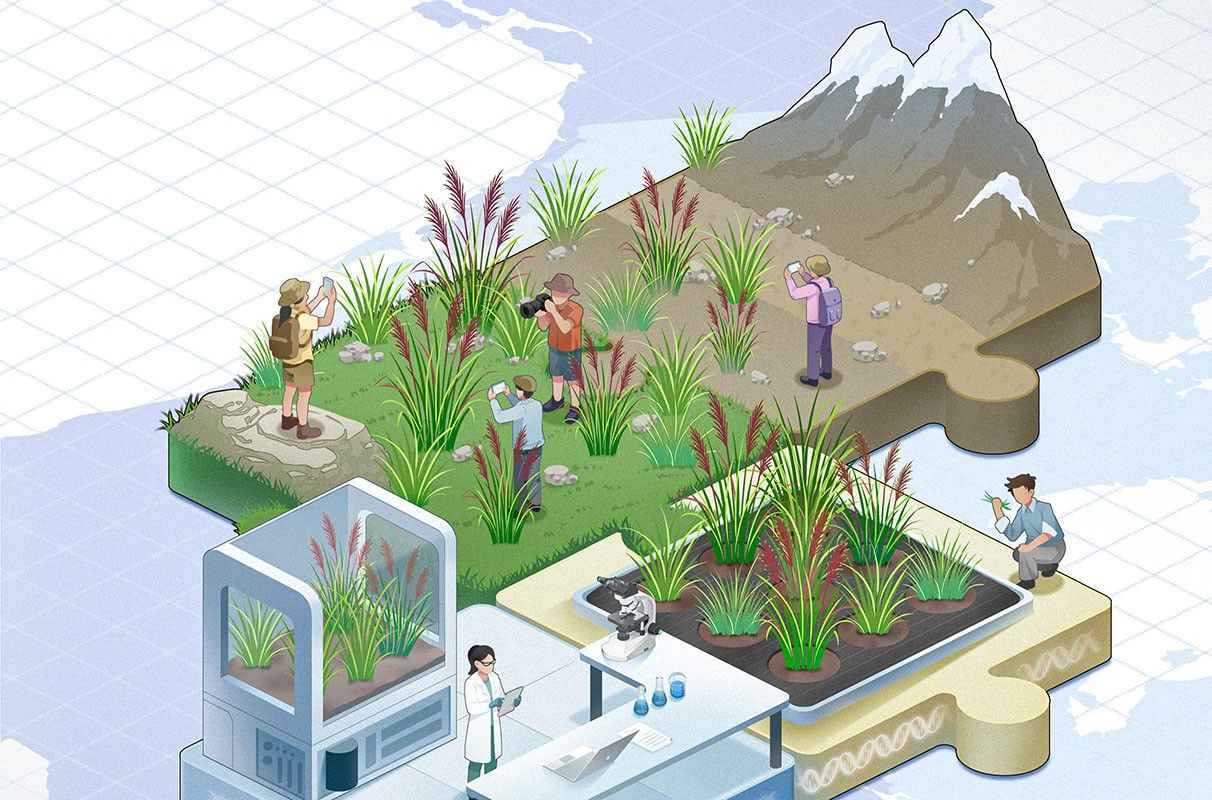
Your smartphone pics just helped WSU track grass genetics
You took a picture of a pretty field on a hike, and somewhere in a lab on the Palouse, a scientist just used it to map grass genes. That is not a joke. WSU researchers took genetic data from switchgrass fields and cross-referenced it with photos posted by nature lovers, your smartphone pics, essentially, to track how flowering times change with the seasons. It is the kind of work that sounds too simple to be real science, but it is real, and it is clever. Switchgrass matters for bioenergy, but tracking its bloom across the country takes boots on the ground or, in this case, cameras in pockets. The researchers figured out that the public already had the data they needed. They just had to ask. This is the kind of story that makes you proud to be a Coug. It is not flashy. It is not a football highlight. It is a bunch of people looking at the world differently and sharing what they find. WSU does that a lot. If you want to see more of that same stubborn, practical problem-solving, check out our piece on how rural schools are swapping diesel for sun, the whole town breathes easier when the bus fleet goes solar. Same spirit, different field. Go Cougs.

Your garden can help Pullman's butterflies, new report says
A new report says some of Pullman's butterflies are in trouble. Not all of them, but enough that it caught the attention of researchers who track these things. The good news is that your garden can help. Not a huge overhaul, just planting the right flowers, keeping a little wild space, maybe skipping the heavy pesticides. That's it. That's the kind of fix that actually works. This isn't some distant problem. These are the butterflies you see on a summer walk near campus or out past the golf course. The report doesn't name names for the declining species, but the point is clear: small changes in your own yard add up. Pullman is small enough that a few neighbors doing the right thing can make a real difference. It's also the kind of grounded, useful research Washington State does well. Speaking of that, if you want a reminder of how WSU shows up in real life, not just in a lab, check out "At the Fair, WSU Serves Up a Century of Washington Farm History." It's a good companion piece. Different topic, same pride in work that matters. For now, maybe let a little clover grow. Plant something native. The butterflies will thank you, and so will the next Coug who walks through your yard. Go Cougs.