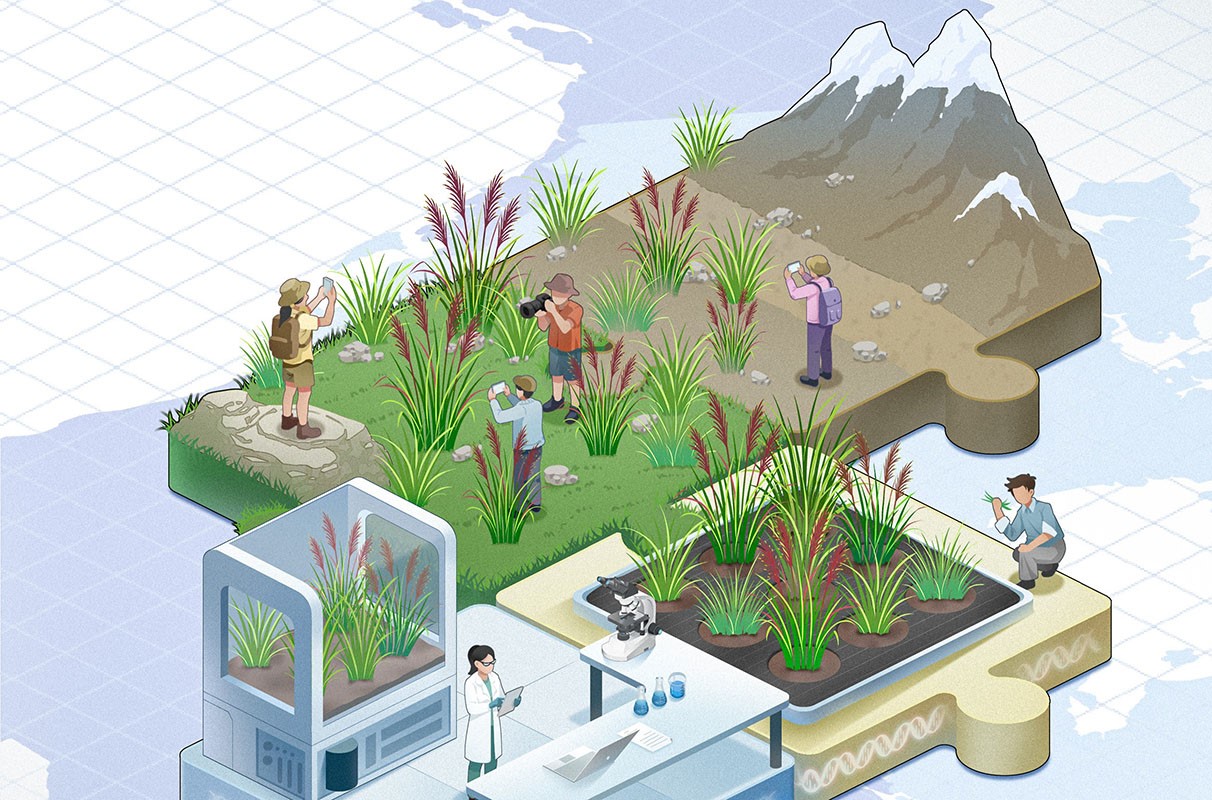
It is genuinely cool that your iPhone photos just helped WSU scientists figure out when switchgrass flowers. No, really. Researchers at WSU combined genetic data from field experiments with flowering photos posted by hikers and nature lovers, then published the whole thing in the journal *Cell*. The finding is simple: genes that control flowering time are finely tuned to help plants dodge summer heat and fall frost. That matters for biofuels and conservation, but here is what hits different for a Coug. It means a person walking the Palouse with a phone camera just contributed to a major paper. That is not a press release talking point. That is Pullman doing what Pullman does. We have seen this kind of practical, grounded research before. It is the same ethos that runs through the WSU Veterinary Teaching Hospital, where animals get treated from emergency through rehab and home again. It is the same stubborn problem-solving that has WSU scientists digging in to save honey bees from collapse. The work does not stay in the lab. It shows up in the field, the clinic, the hive.
Here is the takeaway you can text a friend: switchgrass is not sexy, but understanding when it flowers is the difference between a decent crop of biofuel and a failed one. If the plant blooms too early, heat stress kills yield. Too late, frost does the same. The WSU research cracked the genetic dial that tunes that timing. And the data came partly from citizen scientists who just snapped pictures on a hike. That is a specific, practical consequence. It means better predictions for farmers, more reliable feedstock for renewable fuel, and a conservation tool that does not require a million-dollar grant to collect initial data. It also means the rest of us can stop feeling stupid about photographing plants. Turns out we were doing field work.
The other thing worth noting is how this connects to work happening outside the lab coat. When rural schools swap diesel for solar, the whole town breathes easier. When WSU tracks grass genetics with crowd-sourced photos, the whole research model gets cheaper and faster. Both projects share a refusal to wait for perfect conditions. They use what is available. A school roof. A phone camera. A field of switchgrass. That is the Wazzu way. We do not need a bigger budget. We need a smarter angle.
One thing to watch: how far does this photo-based method stretch? If it works for switchgrass on the Palouse, it could work for invasive species tracking, crop disease monitoring, or even predicting wildflower blooms for tourism. The researchers published in *Cell*, which is a big deal. But the real test is whether the next study comes from a different plant, a different region, and a thousand more hikers with phones. That is the story worth following. Go Cougs.