Pullman is not just a place you pass through. It is a place you can help, even from your own backyard.
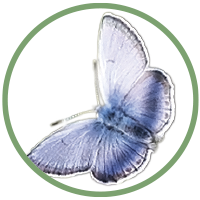
That new butterfly report, led by WSU's Cheryl Schultz, is not a gentle nudge. It is an alarm. Butterfly numbers dropped 22 percent between 2000 and 2020. If you saw 100 butterflies on a summer walk two decades ago, you would only see 78 today. That is a real loss, and it happened on our watch. But the report also says something Pullman people already know: you can do something about it. Your garden matters. The plants you choose, the chemicals you skip, the patch of dirt you let grow wild, that is not landscaping. That is habitat.
This is not the first time WSU has asked us to think about what we grow and why. The university has been doing that for a long time. At At the Fair, WSU Serves Up a Century of Washington Farm History, the story was about how WSU spent a hundred years teaching Washington how to farm better, smarter, and with more care for the land. That same impulse shows up here. Butterflies are not a cash crop, but they are a measure of whether the place we love is healthy. And the answer right now is: not as healthy as it was.
What does that mean for someone who left Pullman but still thinks about it? It means the work does not stop when you move away. The Palouse is a working landscape. Every decision about what goes into the ground there, whether on a farm or in a city yard, adds up. WSU's Betsy Cantwell talked about that kind of practical impact in Cantwell on AI: WSU's job is making it useful, not just flashy. The university's job is to make knowledge useful. This butterfly report is that: a tool you can actually use. Plant milkweed. Leave the dandelions. Stop spraying everything.
The specific takeaway is direct: if you have a garden in Pullman, or anywhere on the Palouse, you are not just growing flowers. You are running a small refuge for species that are running out of places to go. That is not sentimental. That is the data.
And here is the detail to watch: this is the first comprehensive report of its kind. The data only goes through 2020. The next round will tell us whether we listened. Go Cougs.