Page 4

Pac-12 power rankings leave little doubt about the gap ahead of WSU
The gap between the top three and the rest of the Pac-12 is a chasm, and the power rankings make it official.
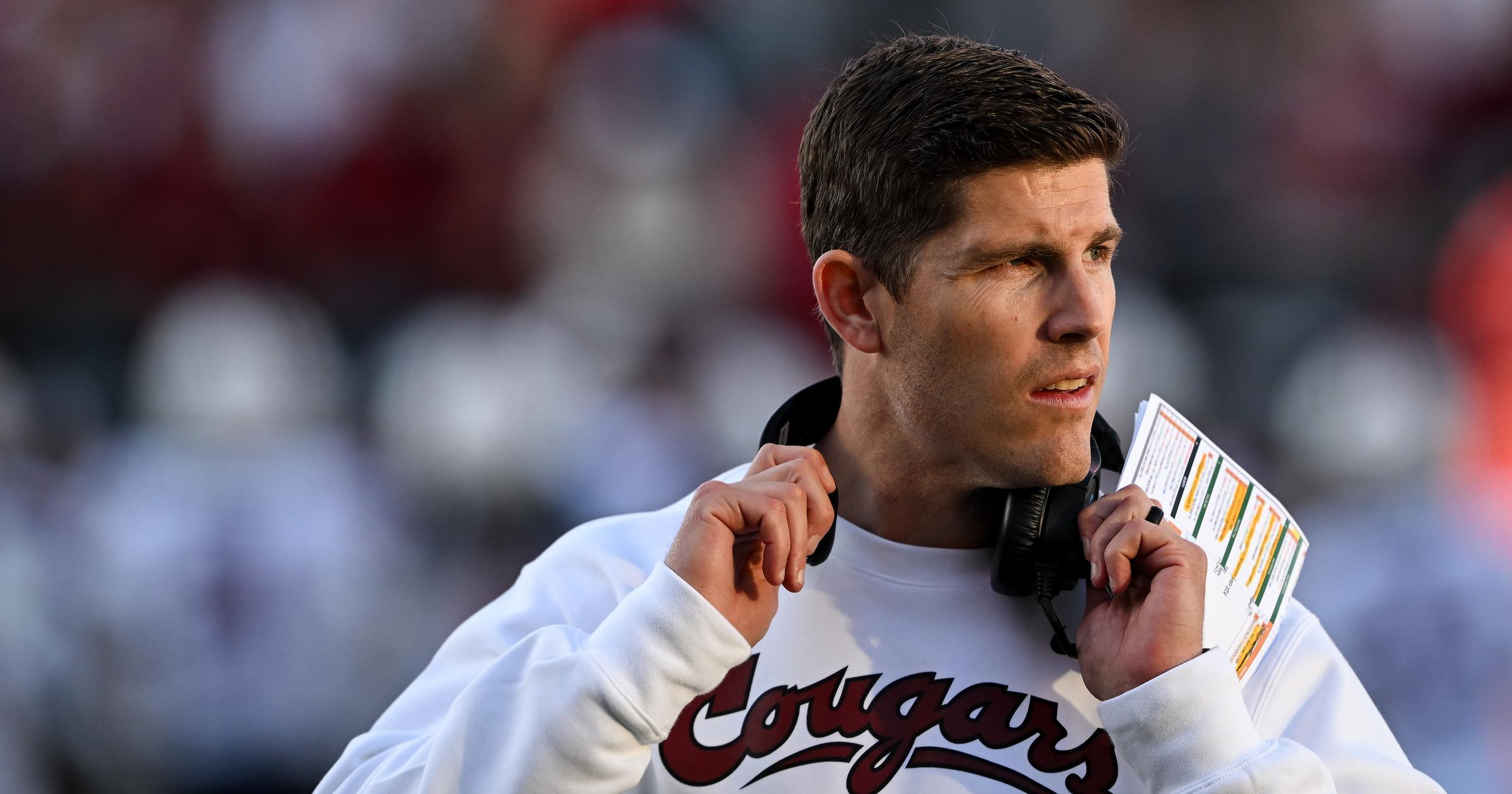
Moore takes over WSU playcalls, promises QB competition this week
Kirby Moore is taking the play sheet back.
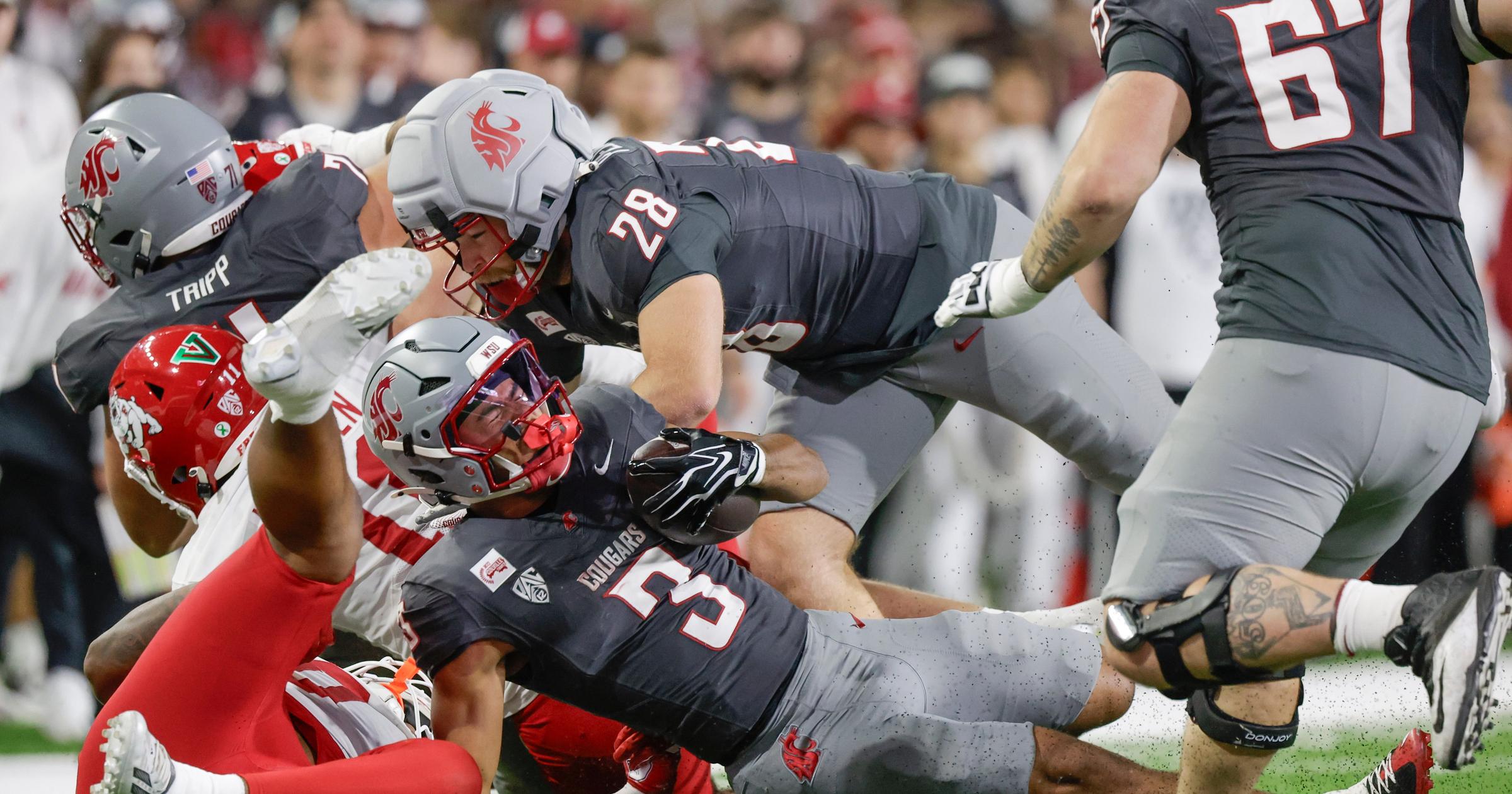
Moore to Cougs after Fresno dud: The noise is fair, the fix is on us
Six points.
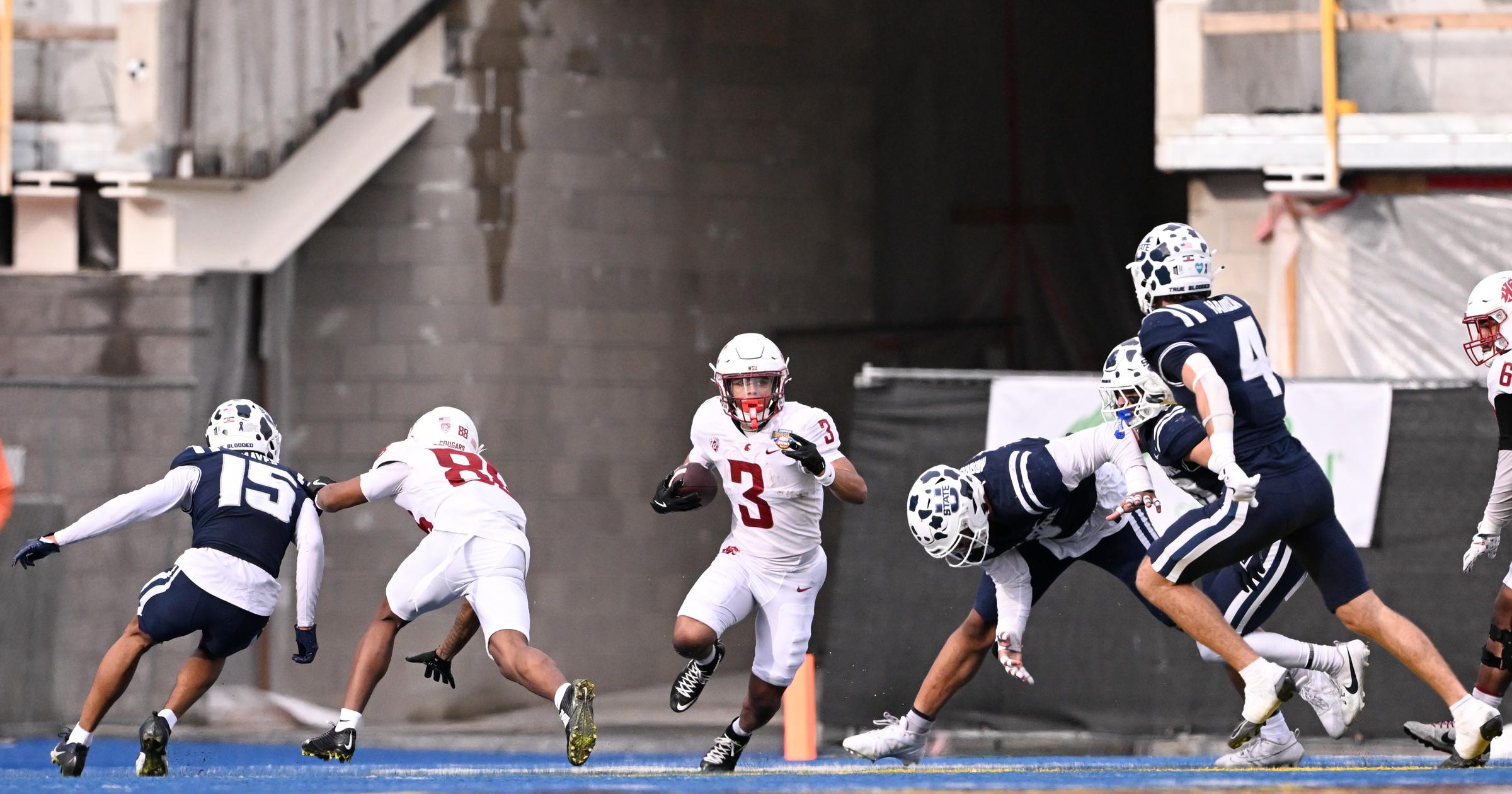
Utah State on a short week? Cougs need an offensive pulse
Kirby Moore is calling the plays now.
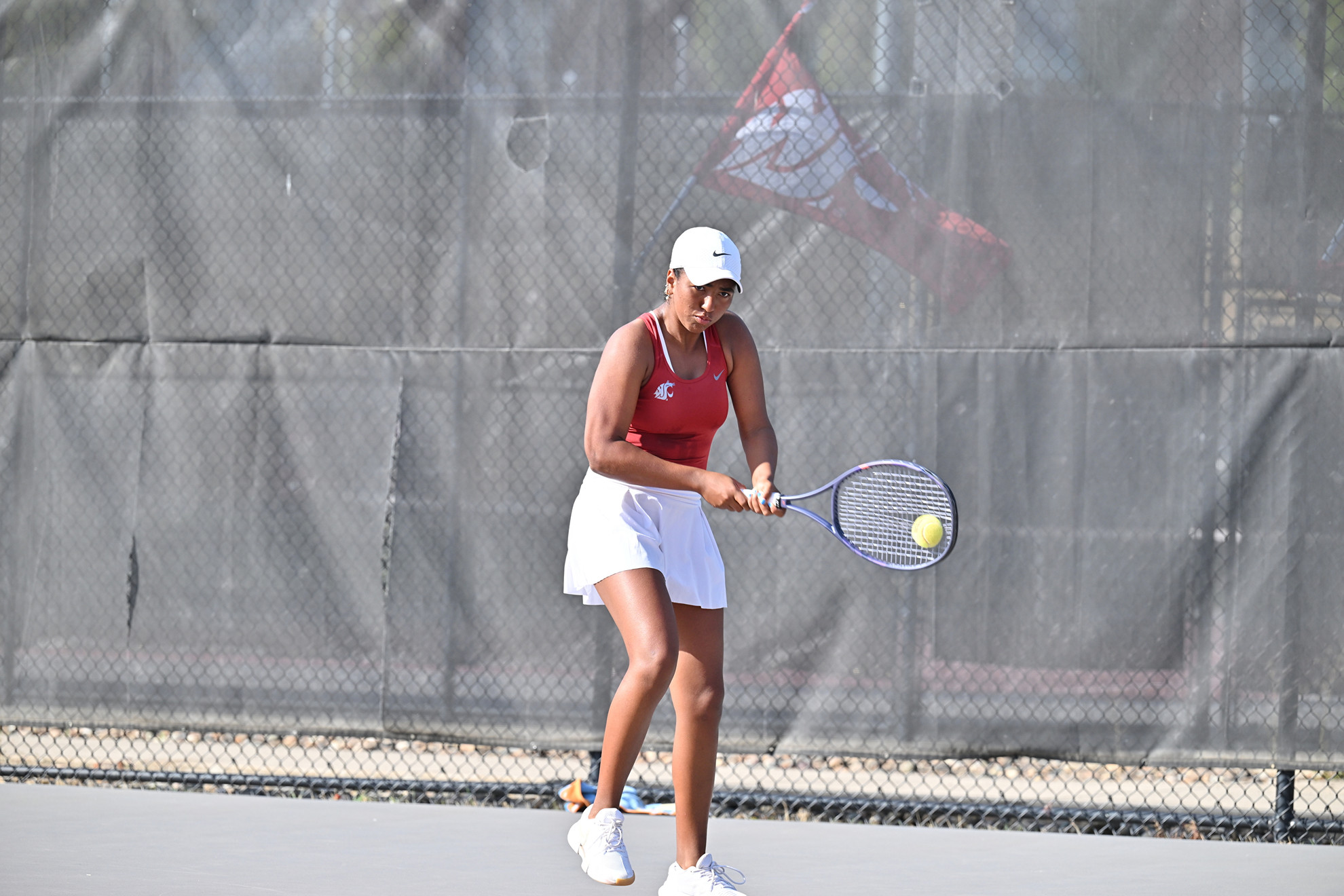
Cougs Rack Up Four More Wins at the Duck Invitational
Four more wins.
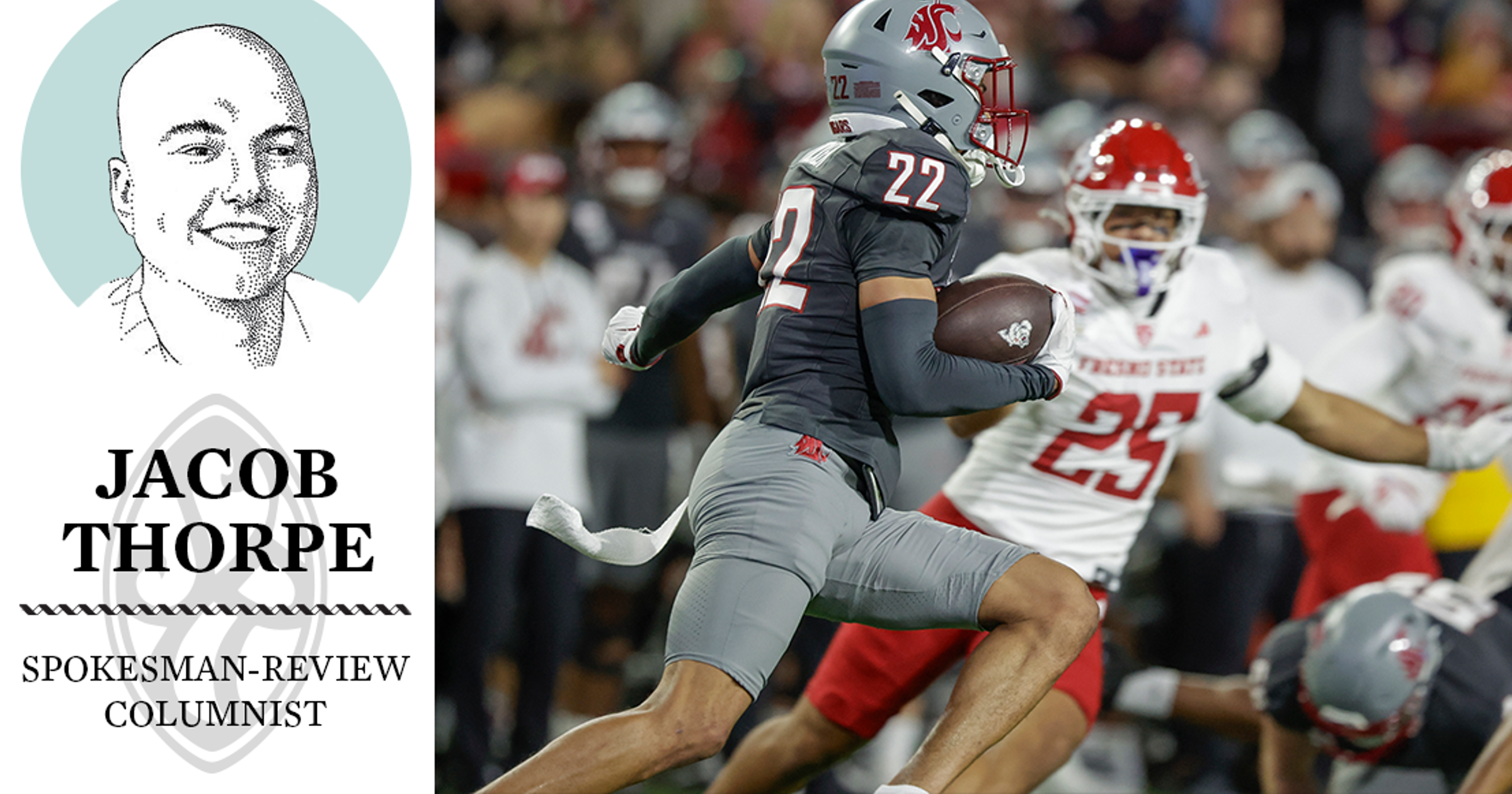
The offense is MIA and Pullman is letting the Cougs hear it
The boo birds hit Gesa Field early Saturday night, and honestly?
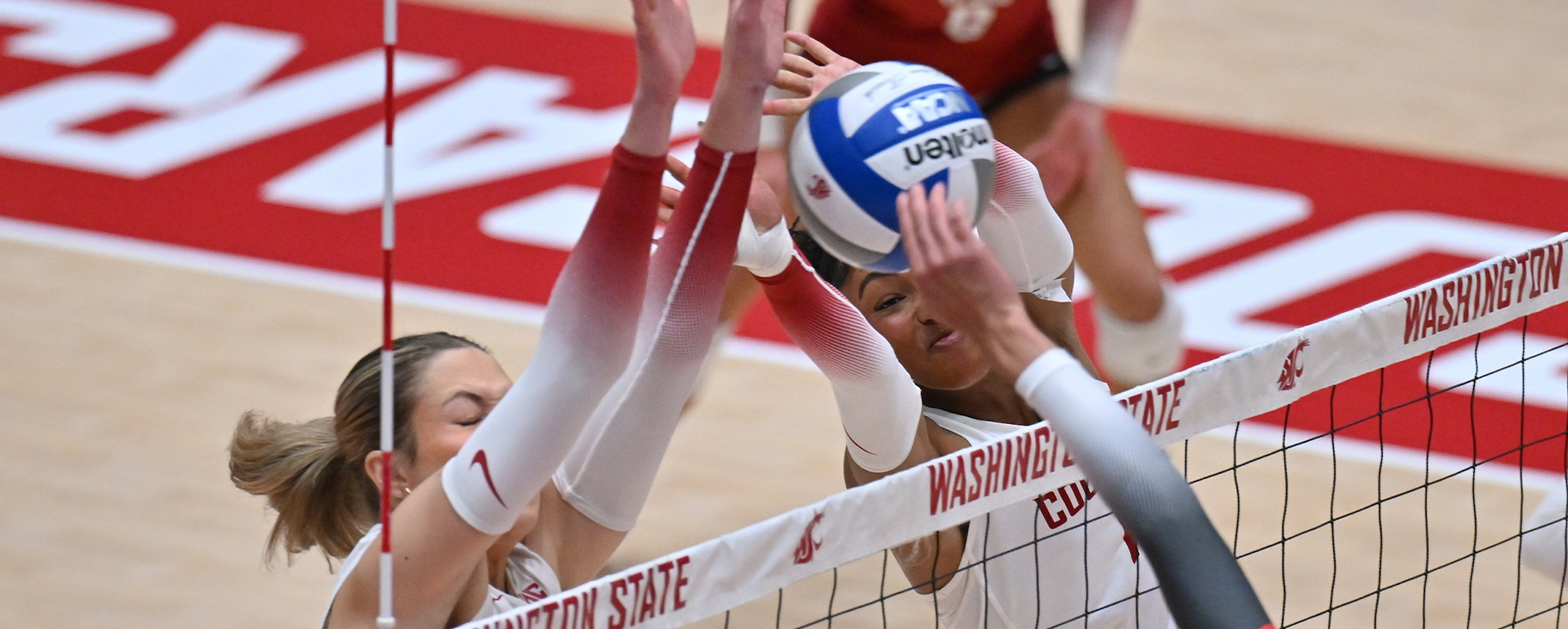
Coug O-line opened holes, but the scoreboard didn't cooperate against SDSU
The offensive line did its job Saturday.
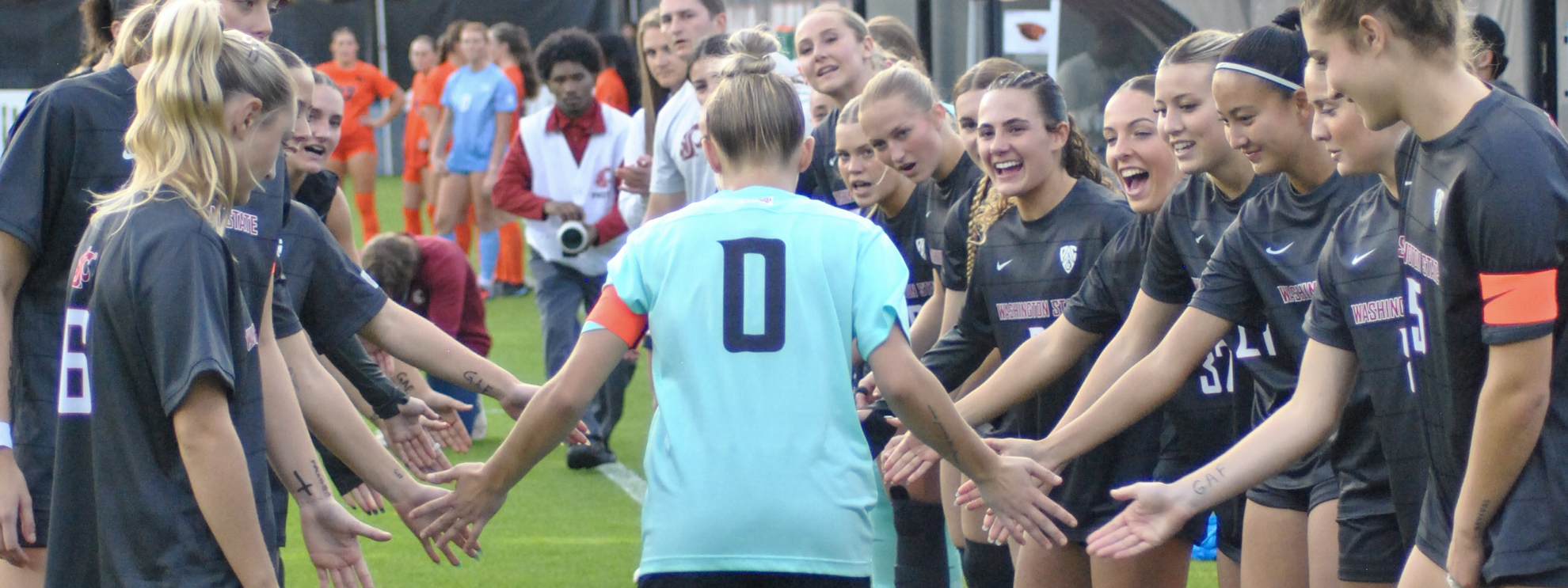
Soccer's back on the Palouse for a Sunday date with the Dogs
Sunday.
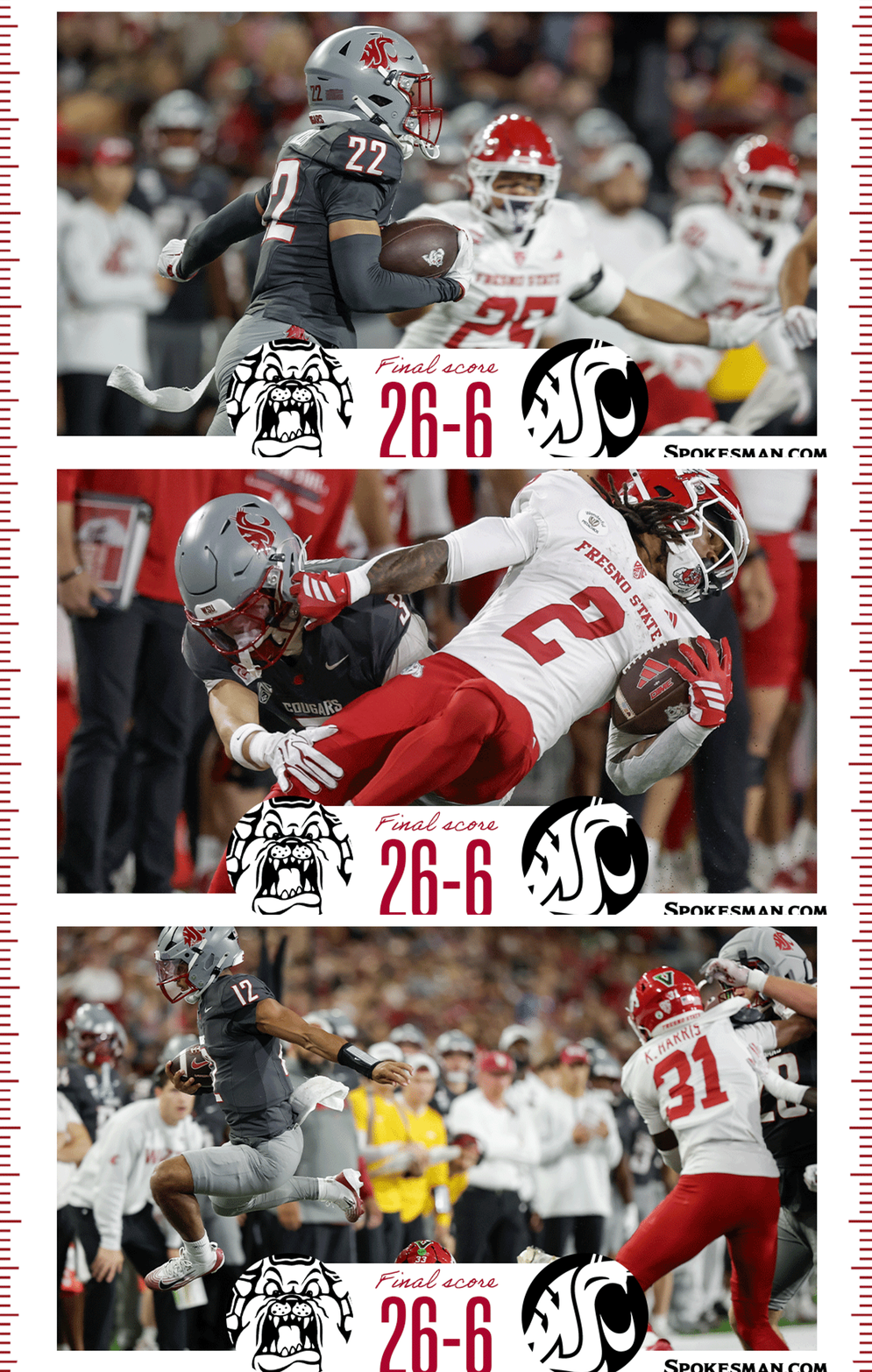
Boo birds hit Gesa Field as WSU offense goes quiet again
The boo birds don't usually show up early at Gesa Field.
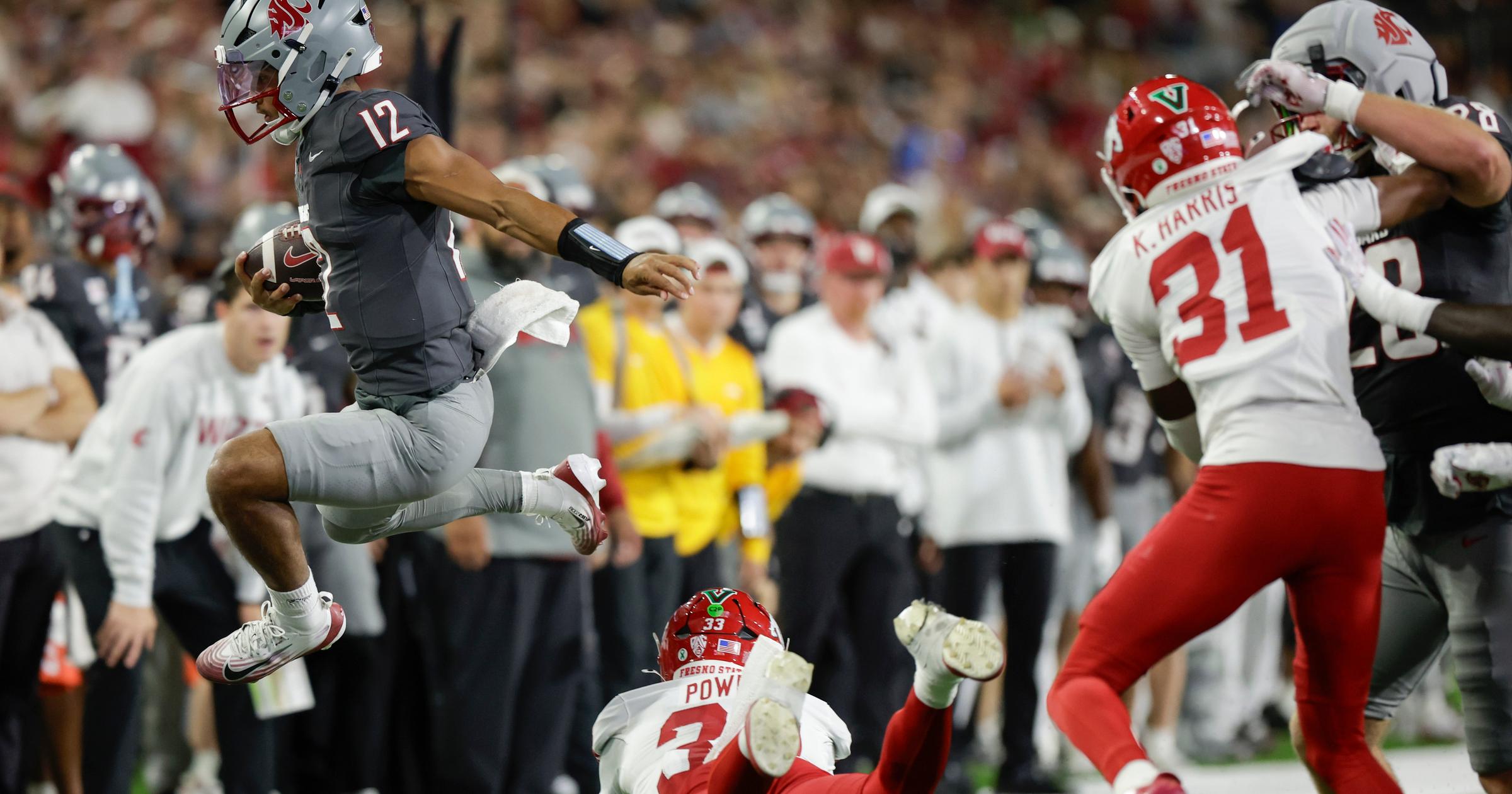
Moore's homecoming was nice, but WSU's offense is now the problem
The boos at Gesa Field Saturday night weren't just about one bad game.
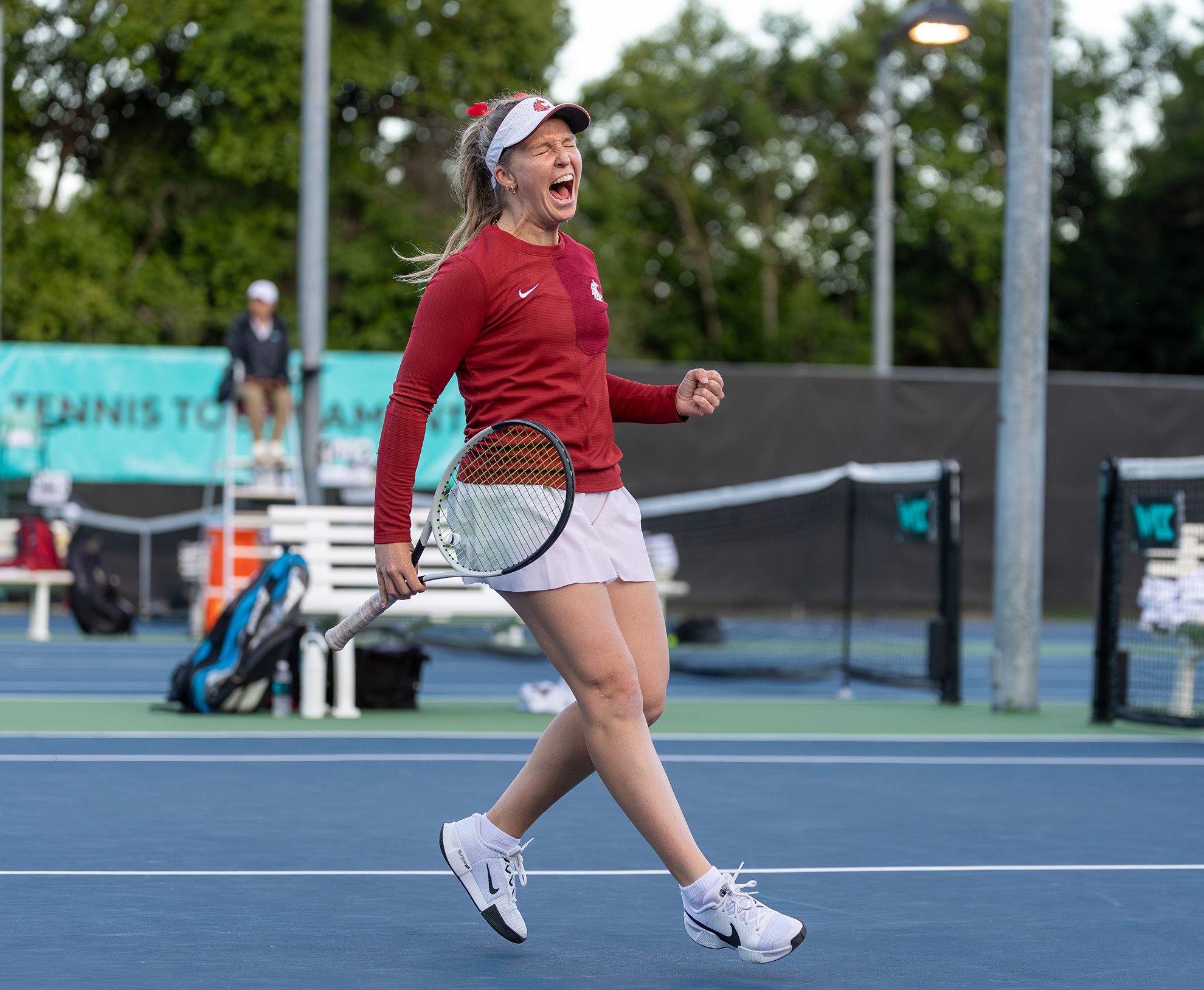
Maxine Murphy trades the racquet for a clipboard, joins Cougar Tennis staff
Maxine Murphy is swapping the racquet for a clipboard, and that says something about the kind of program Jaymie Nelson is building.
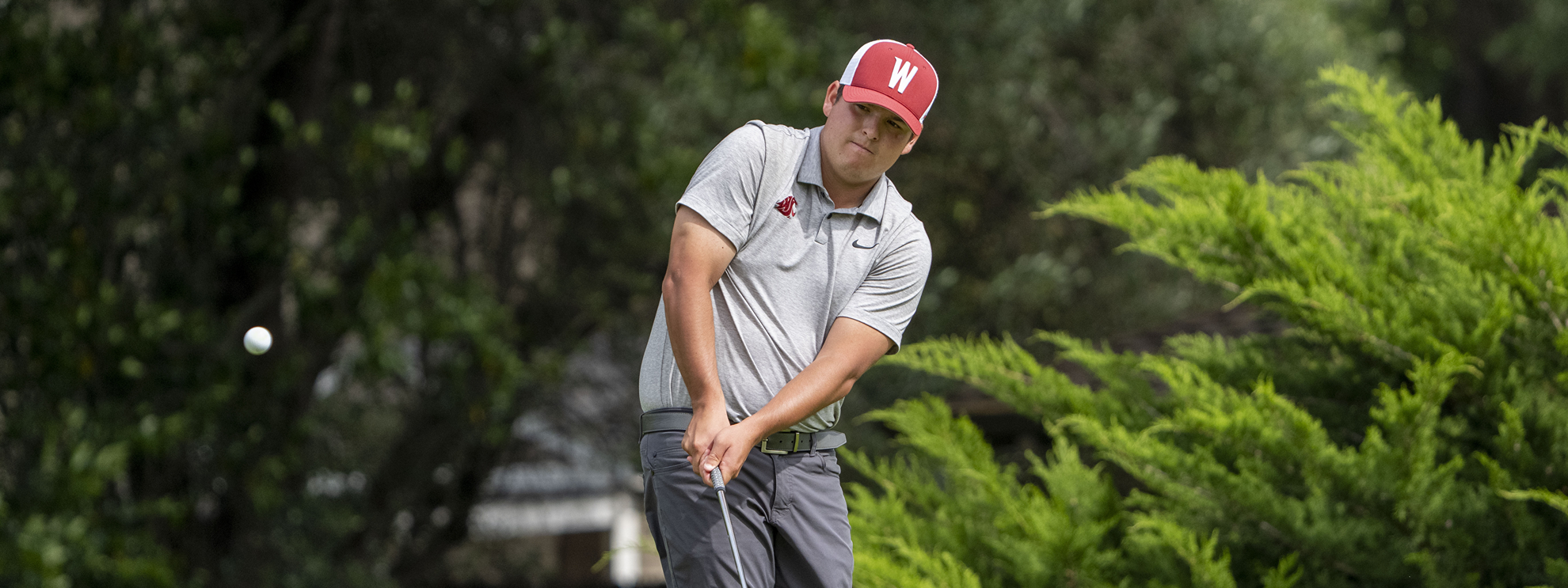
Three Cougs went low in Arizona and left the desert smiling
Three Cougs went low in Arizona and left the desert smiling.
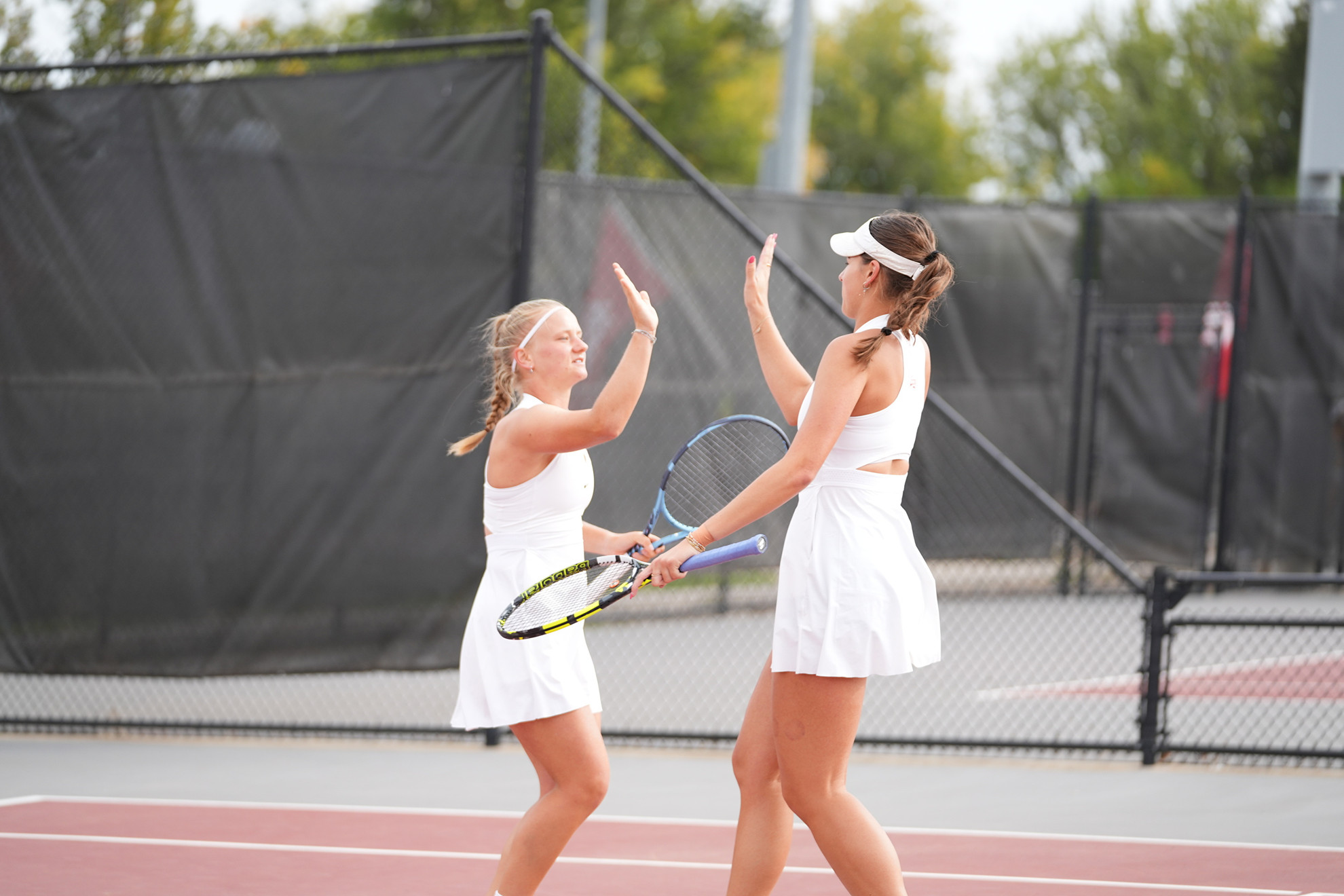
Cougar Classic Day Two wraps with Pullman still standing and plenty to talk about
Pullman is still standing.
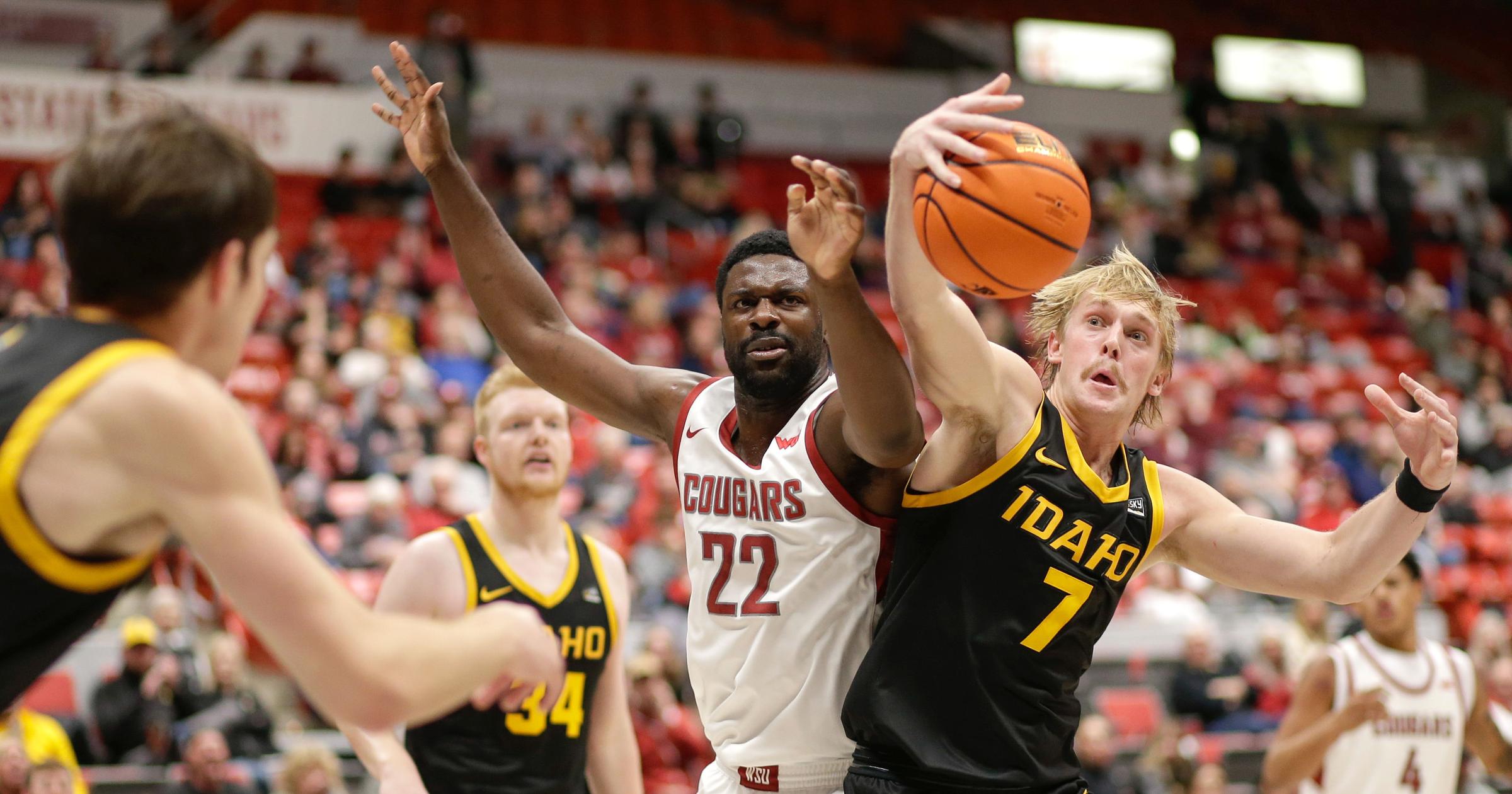
Palouse Hoops Is Back: Cougs, Vandals Set Two-Year Series
The Battle of the Palouse is back on the hardwood, and this time it's got a two-year guarantee.
We Got Picks, You Got Questions, and the Ducks Still Have Problems
The Hotline went 6-5-1 last week and sits at 15-20-1 for the season, which means the picks are for entertainment purposes only.
Pinnick's five turnovers make Saturday a test of Cougar ball security
Caden Pinnick has given the ball away five times this season.
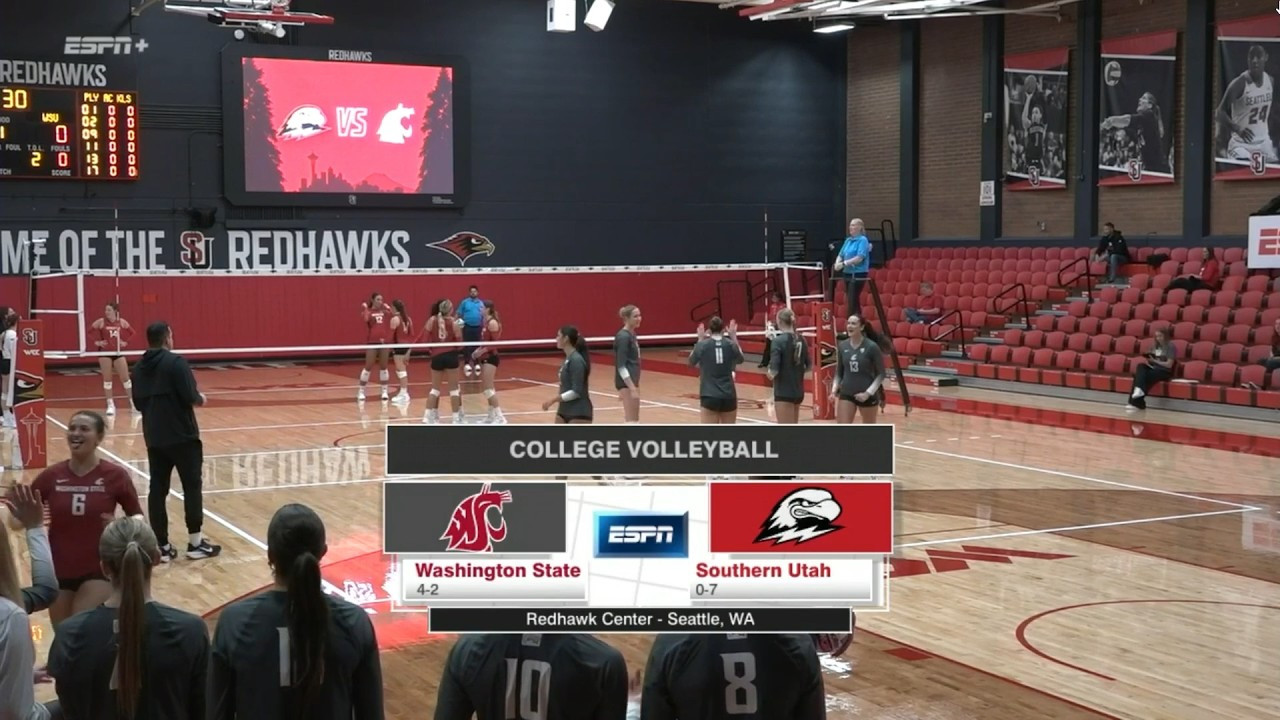
Cougs sweep Southern Utah with highlights worth the replay
The Cougs swept Southern Utah, and the highlights are the kind you actually want to rewatch.
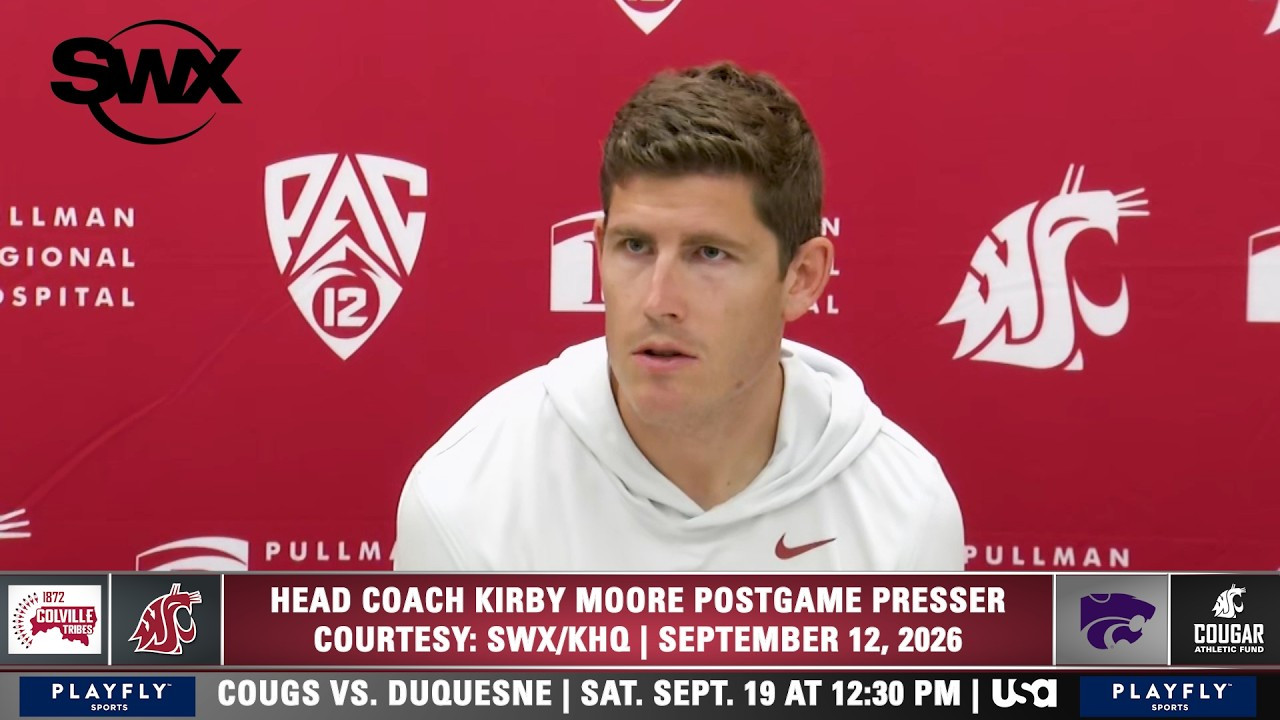
Kirby Moore on K-State: What the postgame tape reveals about Wazzu's fight
Kirby Moore didn't flinch.
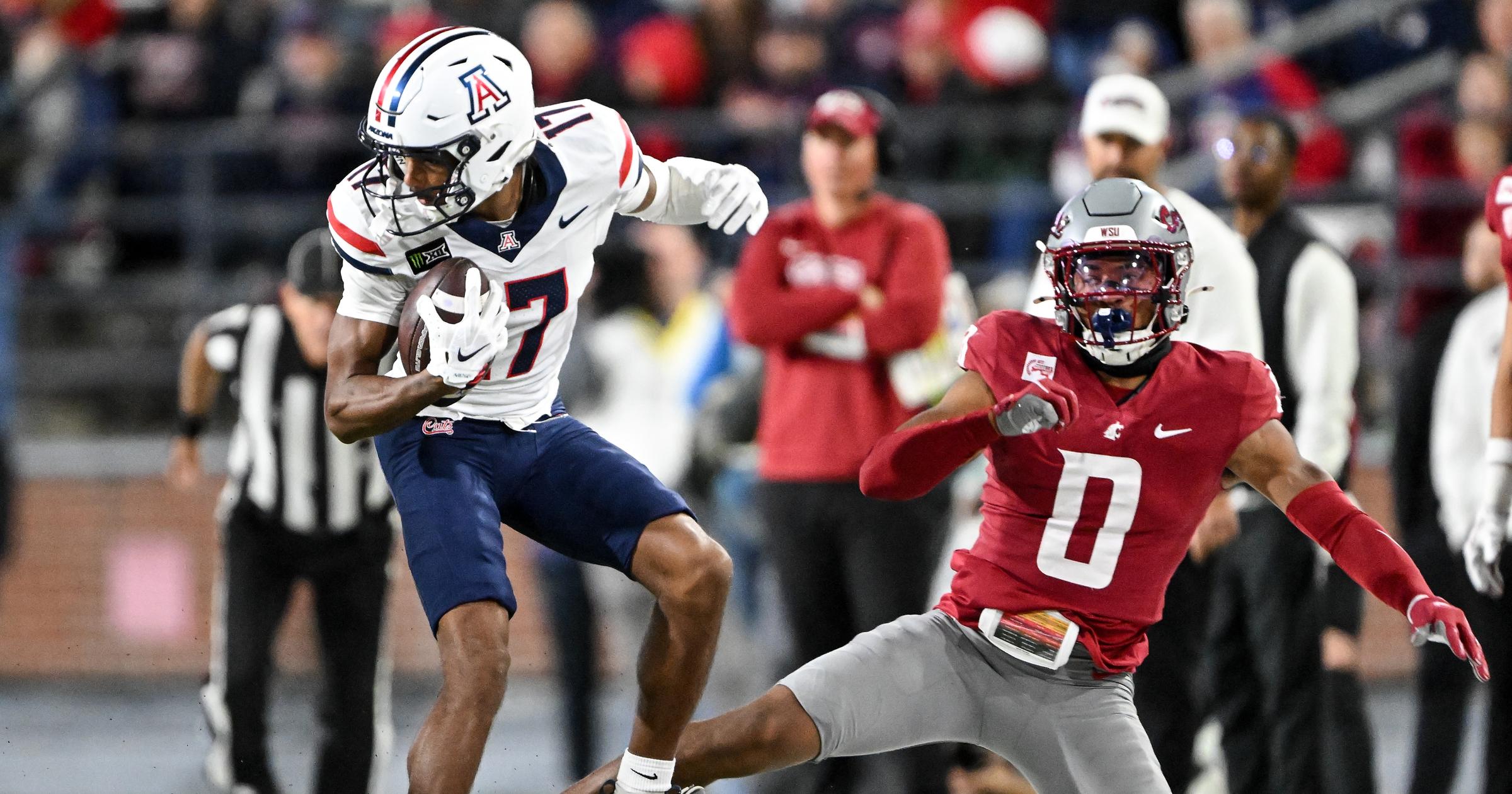
Second-half snaps tell the story of WSU's defensive breakdowns
Keith Brown had to ask the score at halftime.
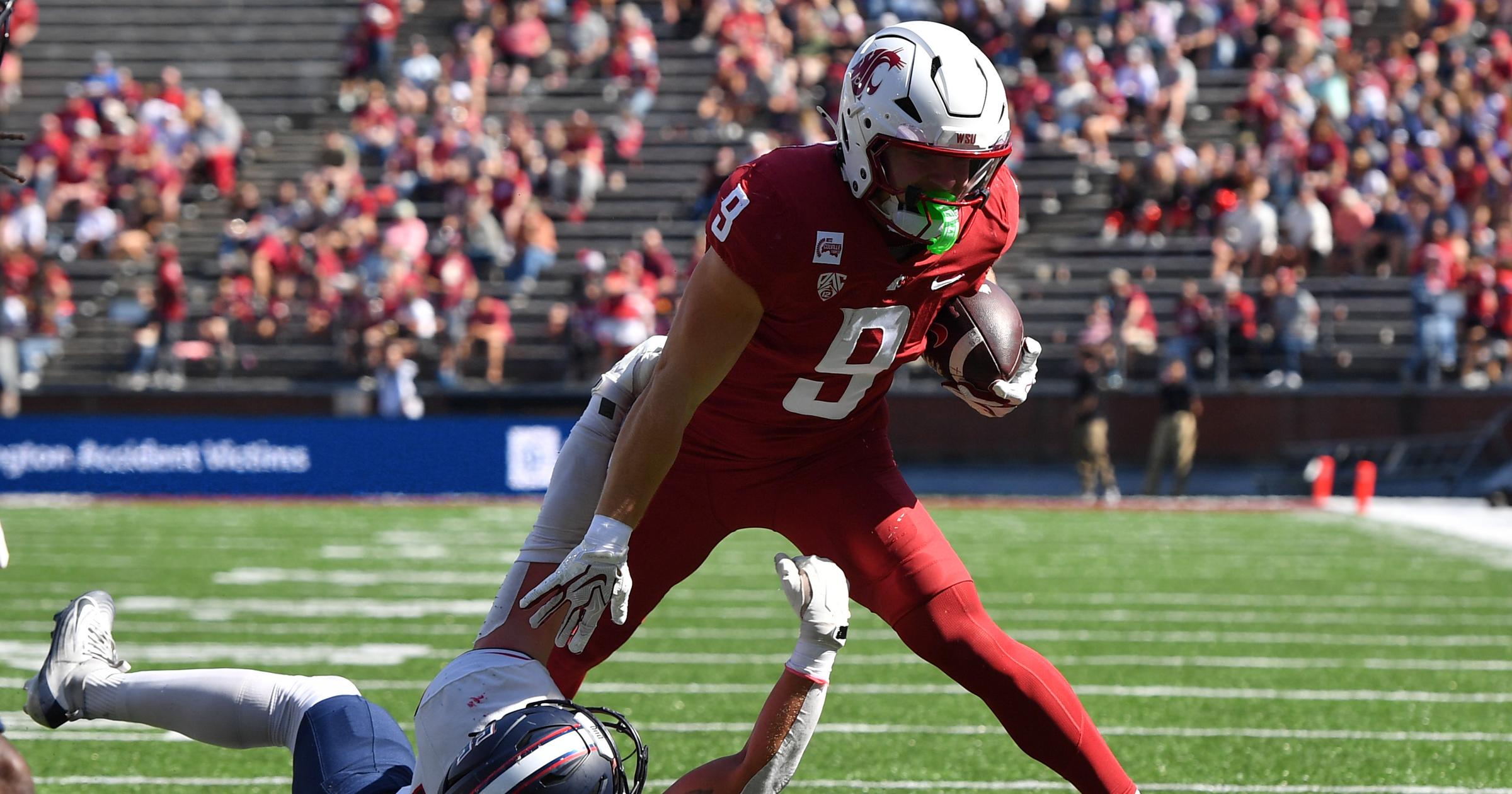
We Have the Backs, Now We Need a Plan to Use Them
Remember when Kirby Moore pulled off that January hat trick, convincing Kirby Vorhees, Maxwell Woods, and Leo Pulalasi all to come back?

Your Pac-12 Picks Guy Is Back and He's Got the Cougs
The Hotline's picks guy is back, and he's got the Cougs covering.
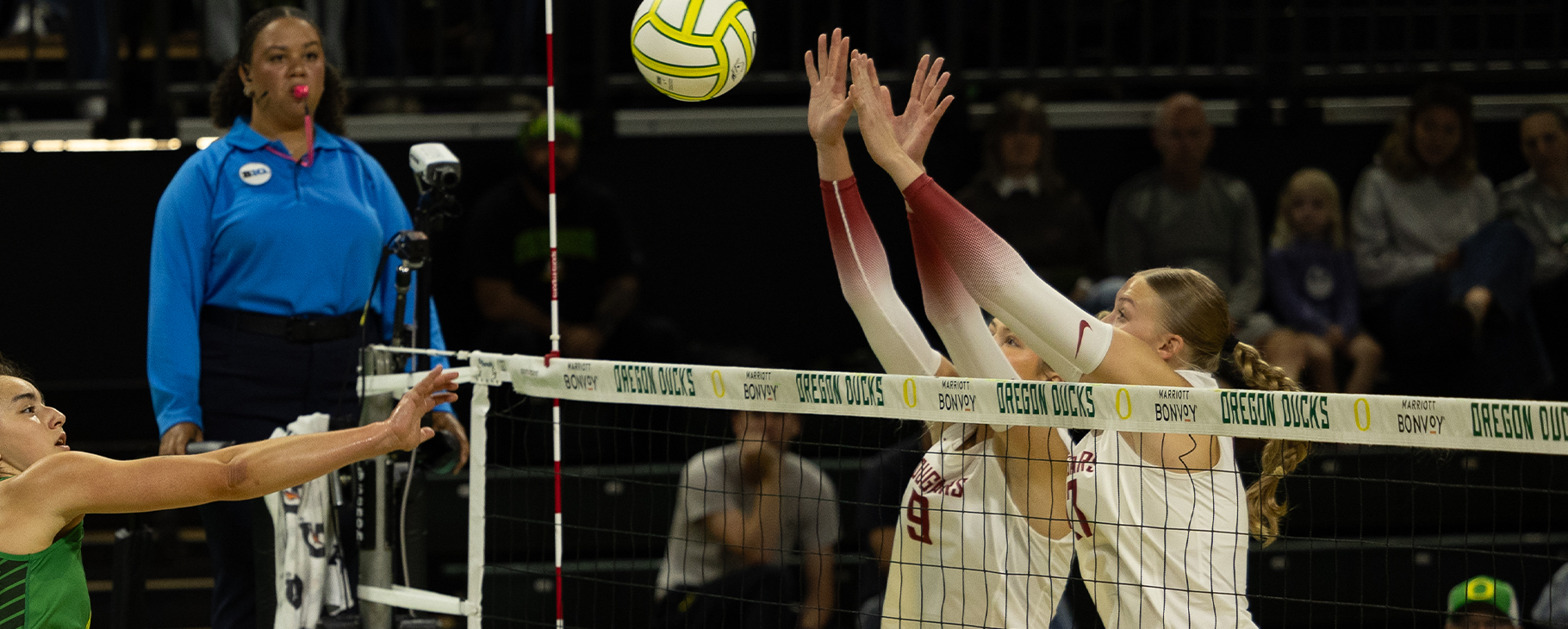
Cougs pack the bags for three in Seattle
Three in Seattle.
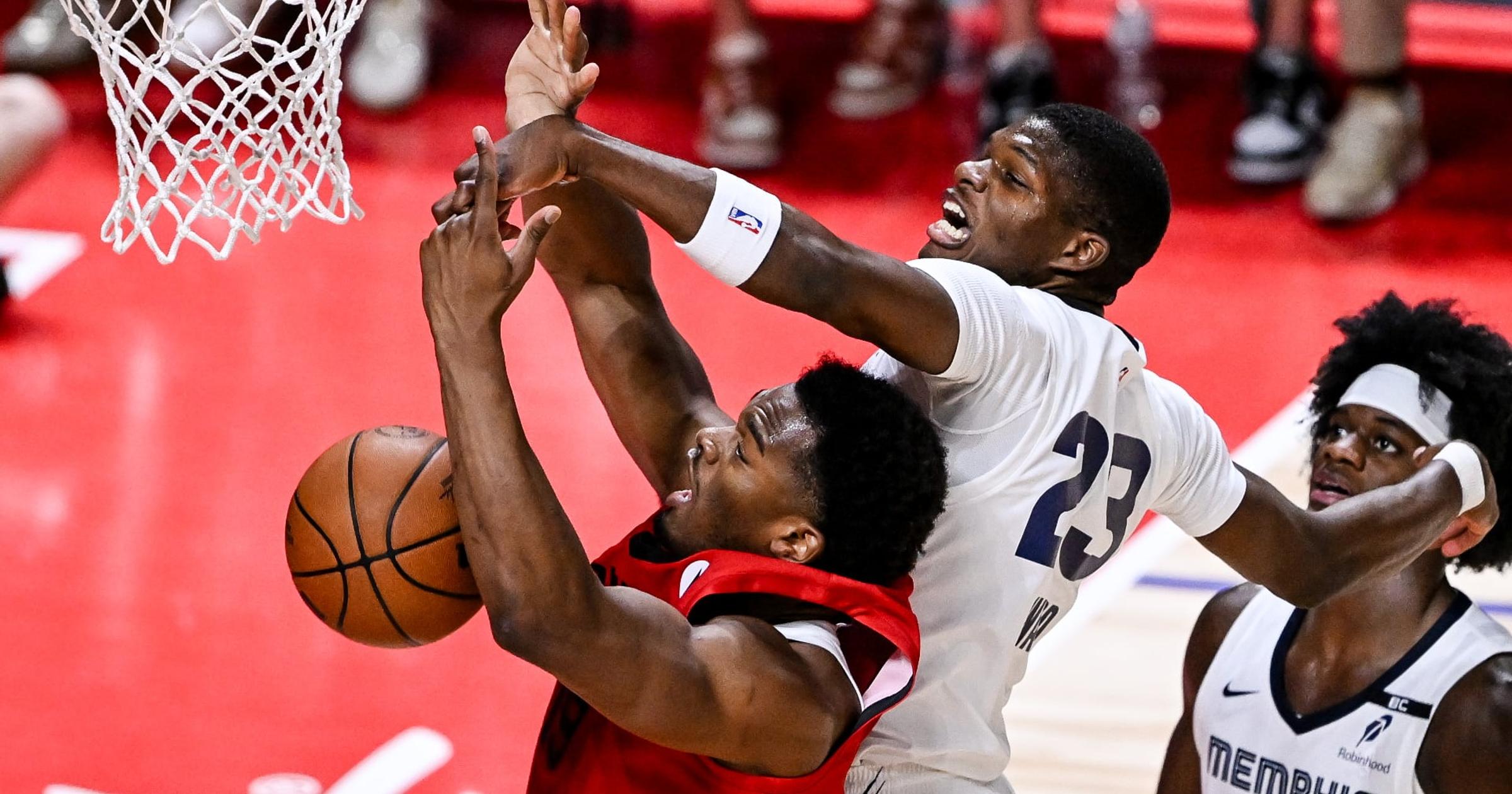
Cedric Coward's Summer League debut was worth the year-long wait
CEDRIC COWARD FINALLY PLAYED Summer League basketball, and he looked like a guy who's been doing this at a higher level for a year.
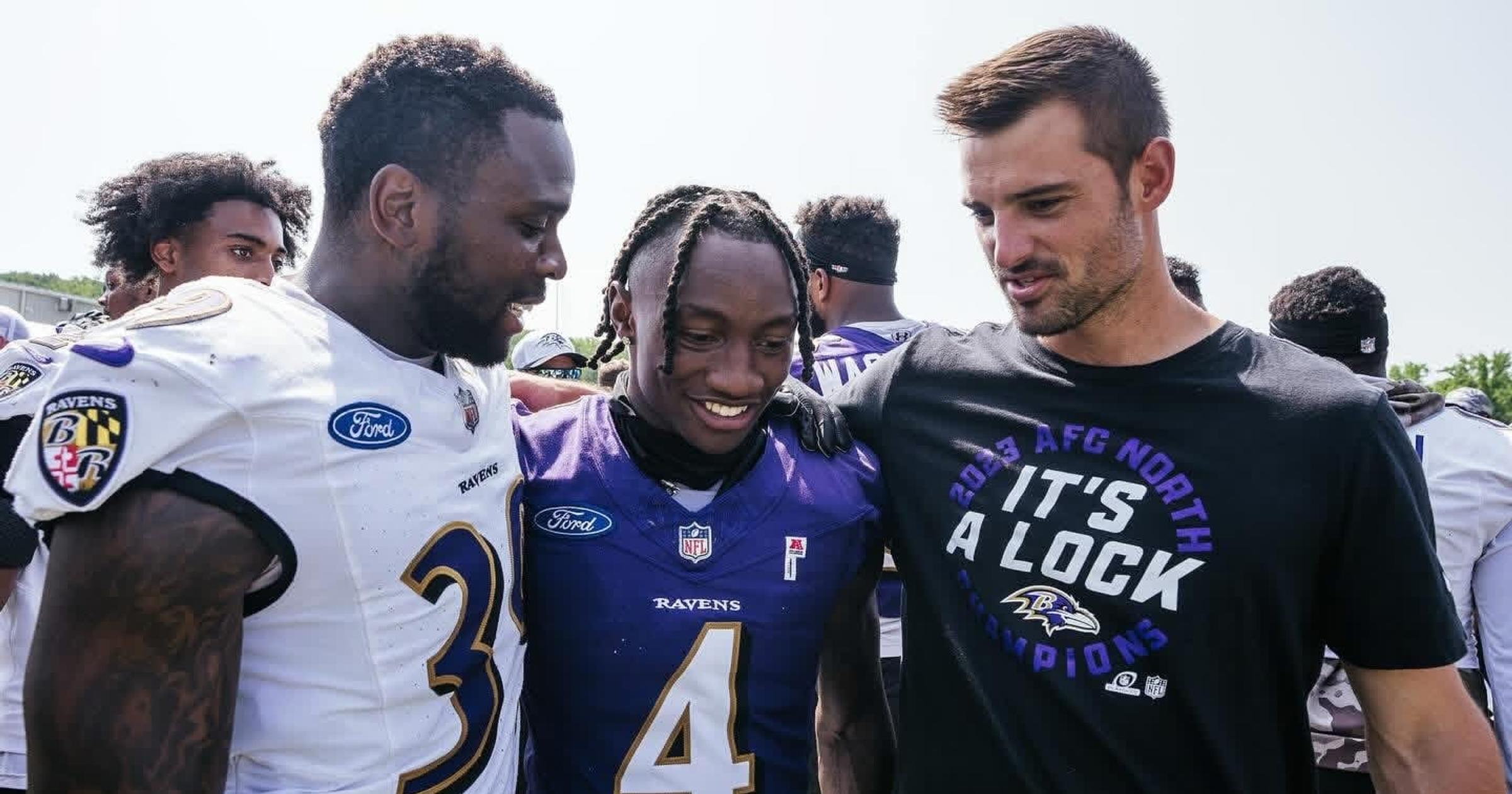
Self-published book, NFL gig: Noah Riley's unusual route from Whitworth
Noah Riley almost fell out of his car during a Zoom call.
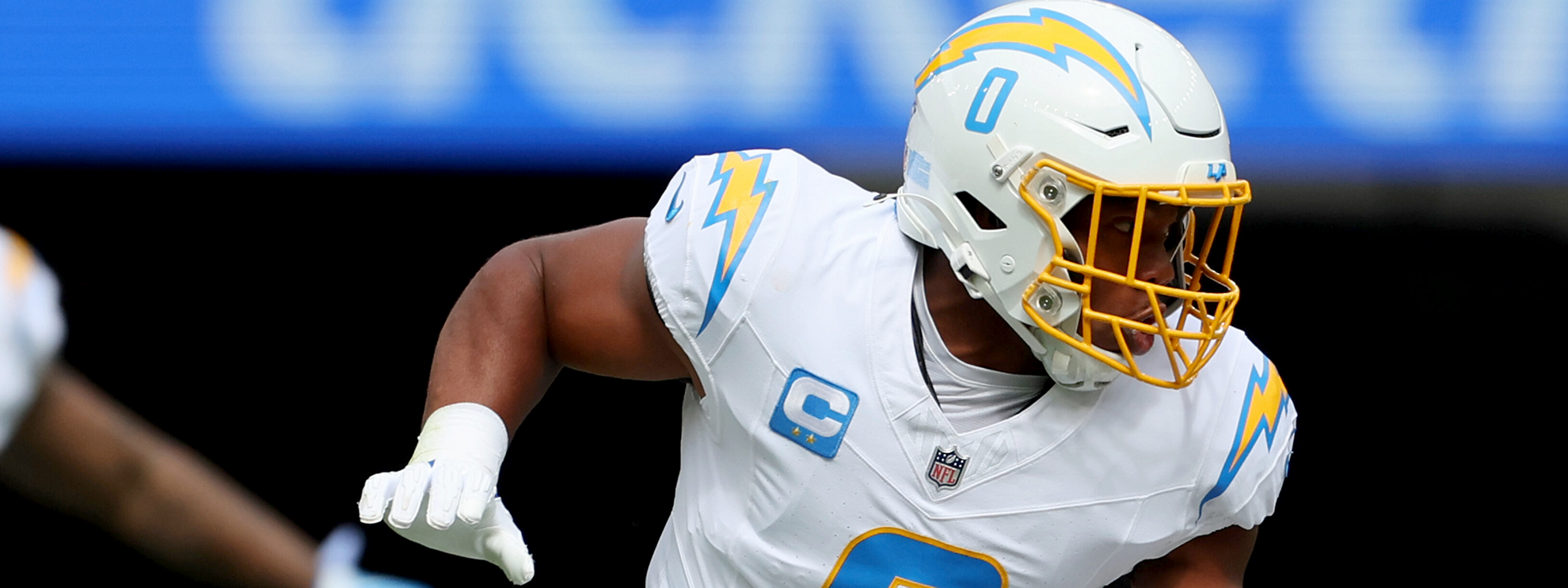
The pros kept Pullman proud in Week 3, here's the rundown
Three weeks into the season, and the pros are doing what they do best: making Pullman look good.
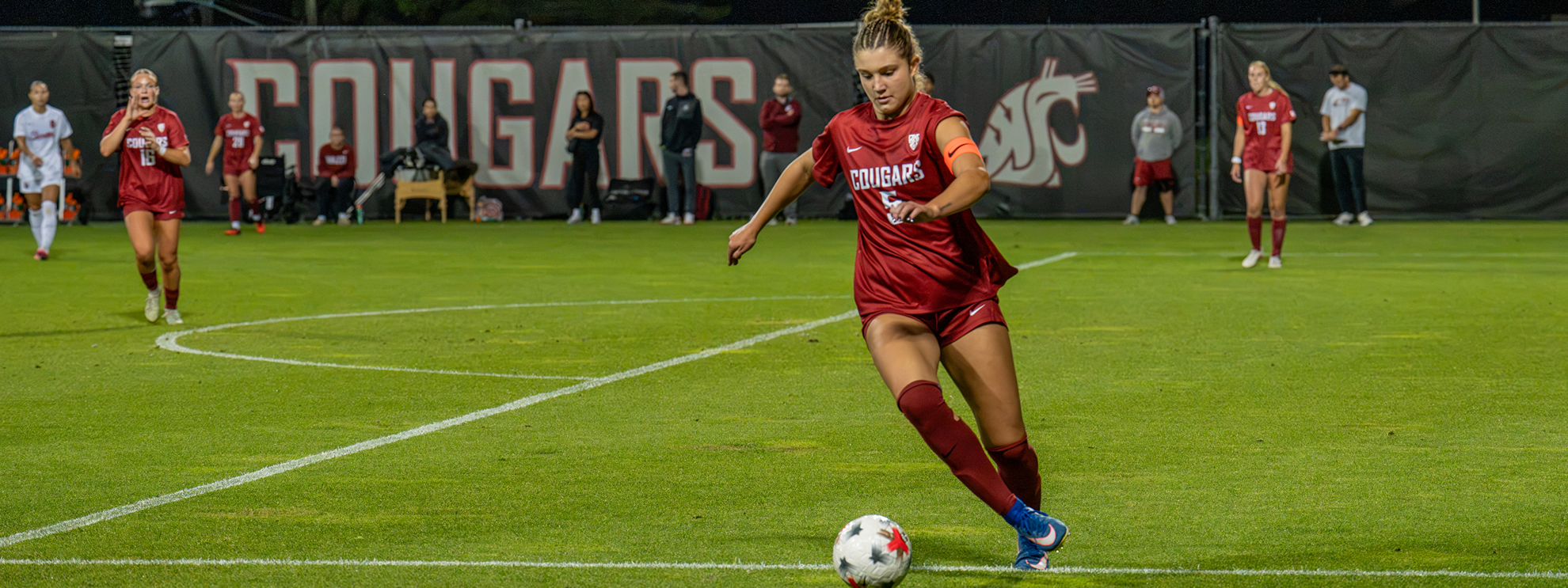
Soccer officially gets to say it again: Pac-12 foe coming to Pullman
Soccer officially gets to say it again: Pac-12 foe coming to Pullman.
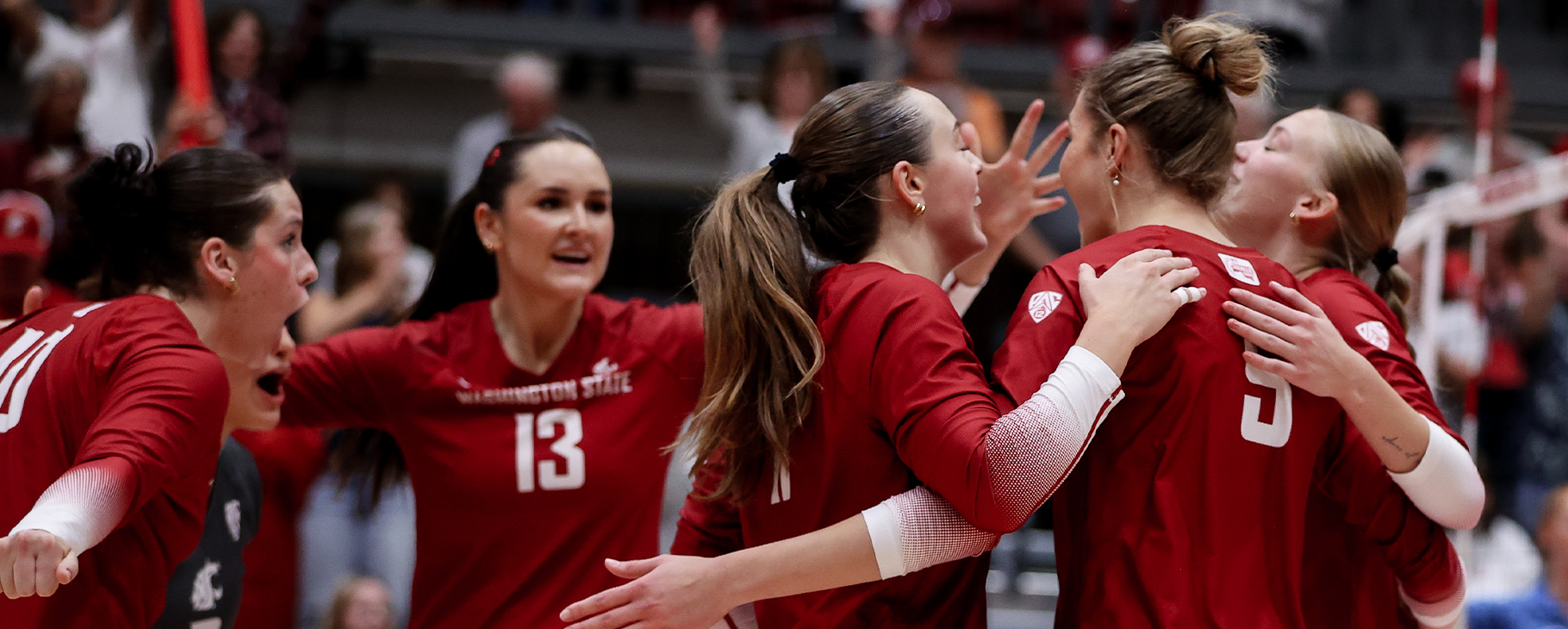
Bohler's Back in Business: Pac-12 Volleyball Slate Drops for the Cougs
The Pac-12 volleyball schedule is out, and Bohler Gym is about to get loud again.
Wazzu's Saturday math problem: Fresno takes the ball, Cougs give it back
Here's the math problem for Saturday, and it's not the kind you can solve with a calculator.
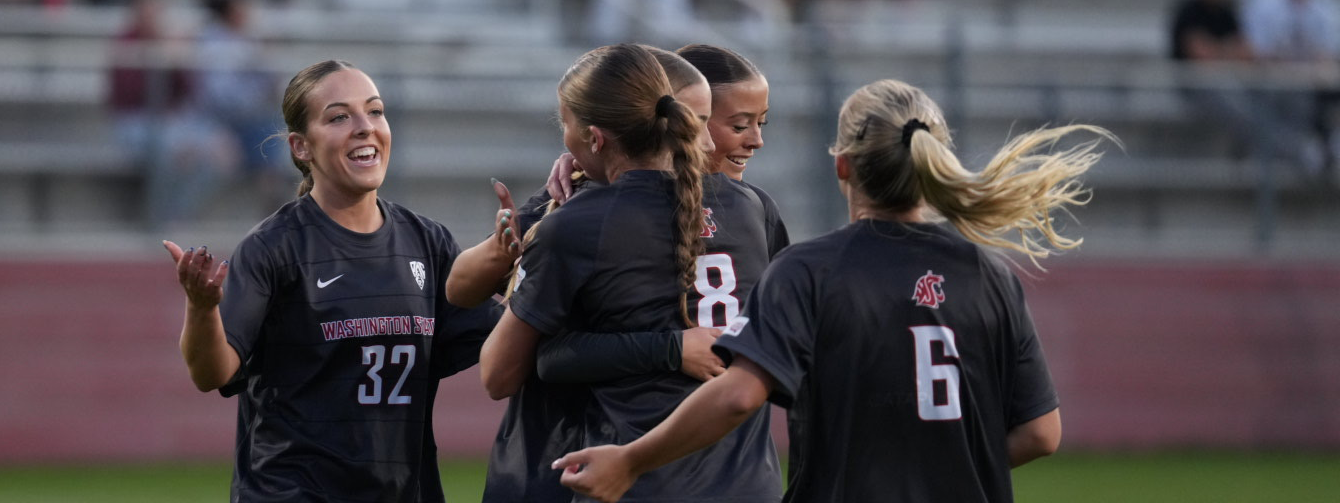
Two quick strikes before the break were all Pullman needed
Two quick strikes before the break, and Pullman had all it needed.
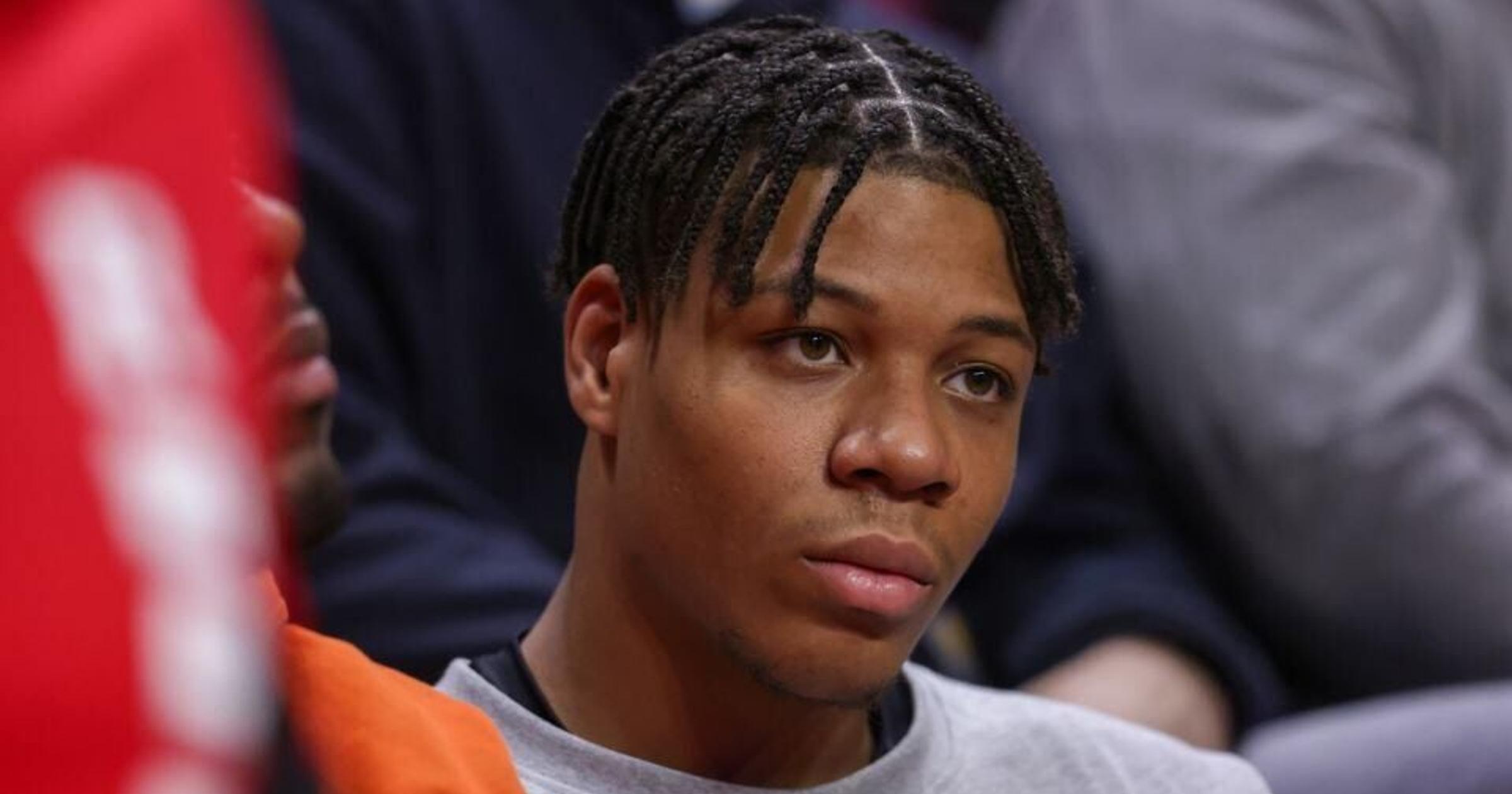
Cougs add Providence guard Harrell, book nonconference date with High Point
Jaylen Harrell is coming to Pullman, and the Cougs just booked a November trip to High Point.
Cougs jump Arizona early, then watch a 14-point lead dissolve
That first drive was a thing of beauty.
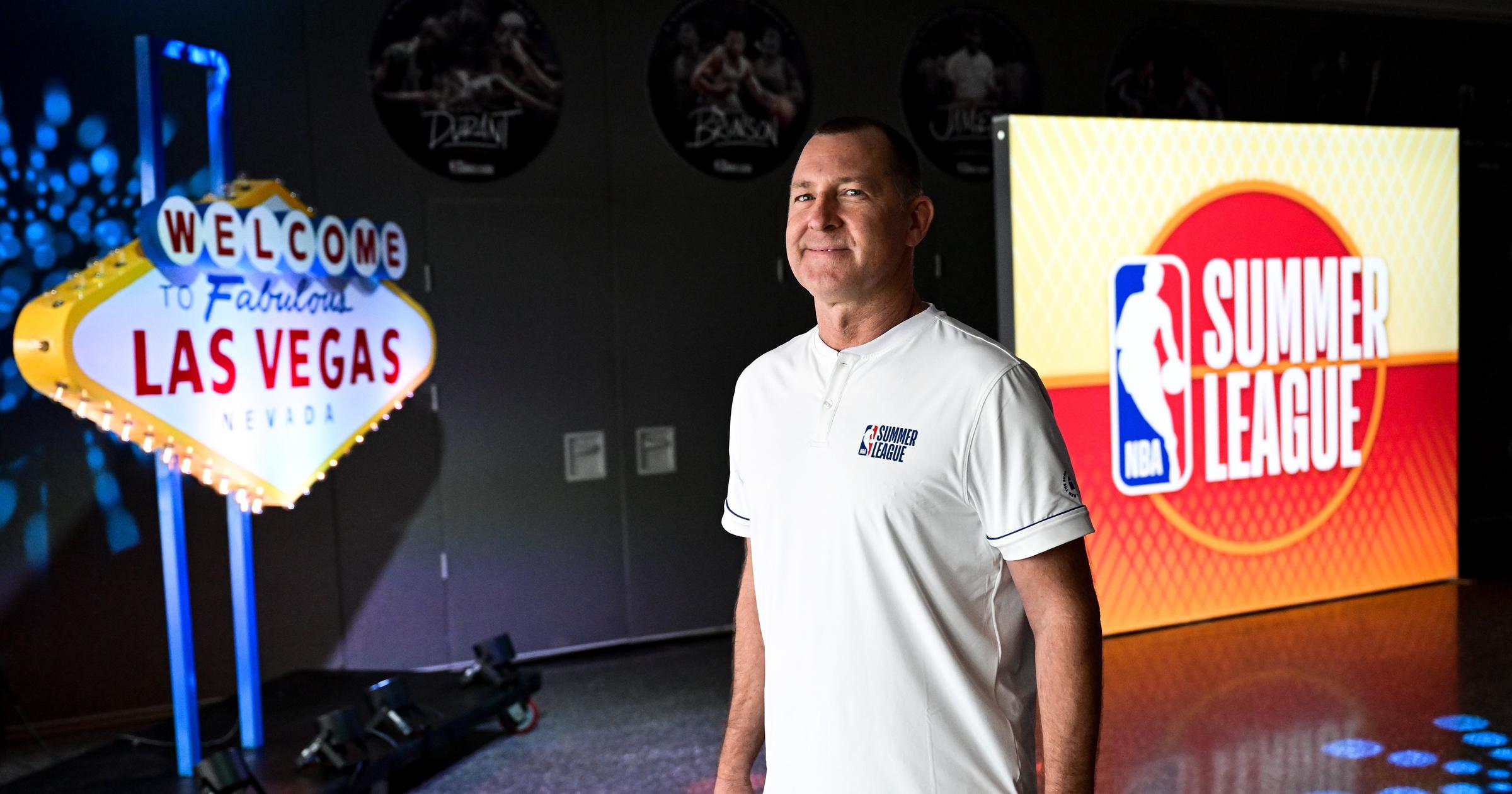
The Coug who built the NBA Summer League from scratch
Albert Hall's day at NBA Summer League starts with a 6:30 a.m. wakeup and doesn't end until well past midnight. In between, he's handling medical emergencies, confiscating fake tickets, meeting with an NBA owner who…
Trey Leckner is healing up fast and might finally see the field
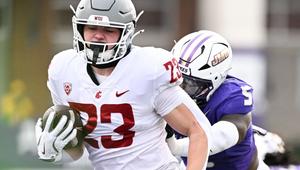
Trey Leckner is getting closer.
Cougs need to prove the offense can show up against FBS defenses
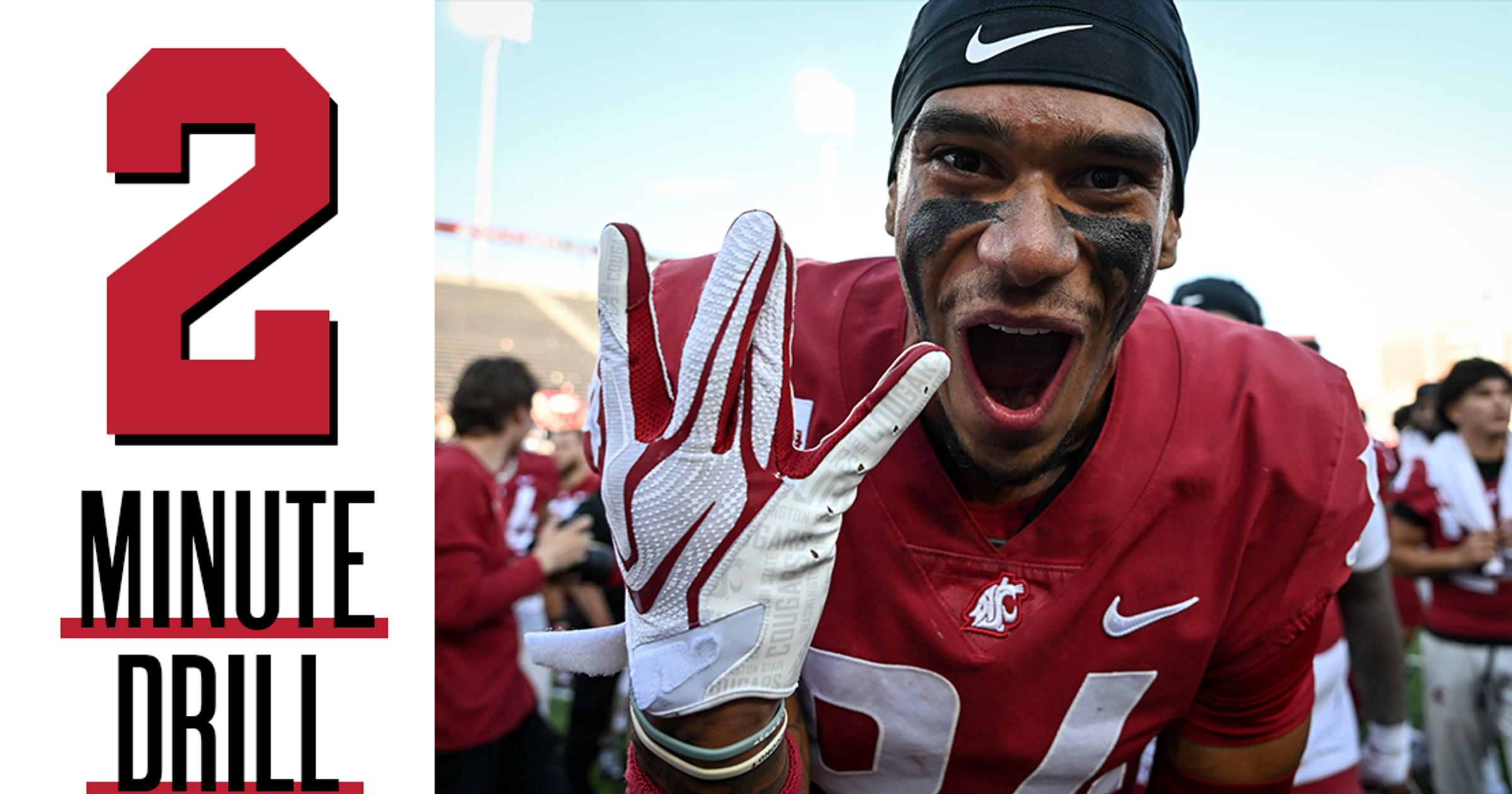
If the Cougs can't score against FBS defenses, Saturday in Tucson is going to feel a lot like the last two weeks.
David Riley says next year's roster has more talent walking in than last year's
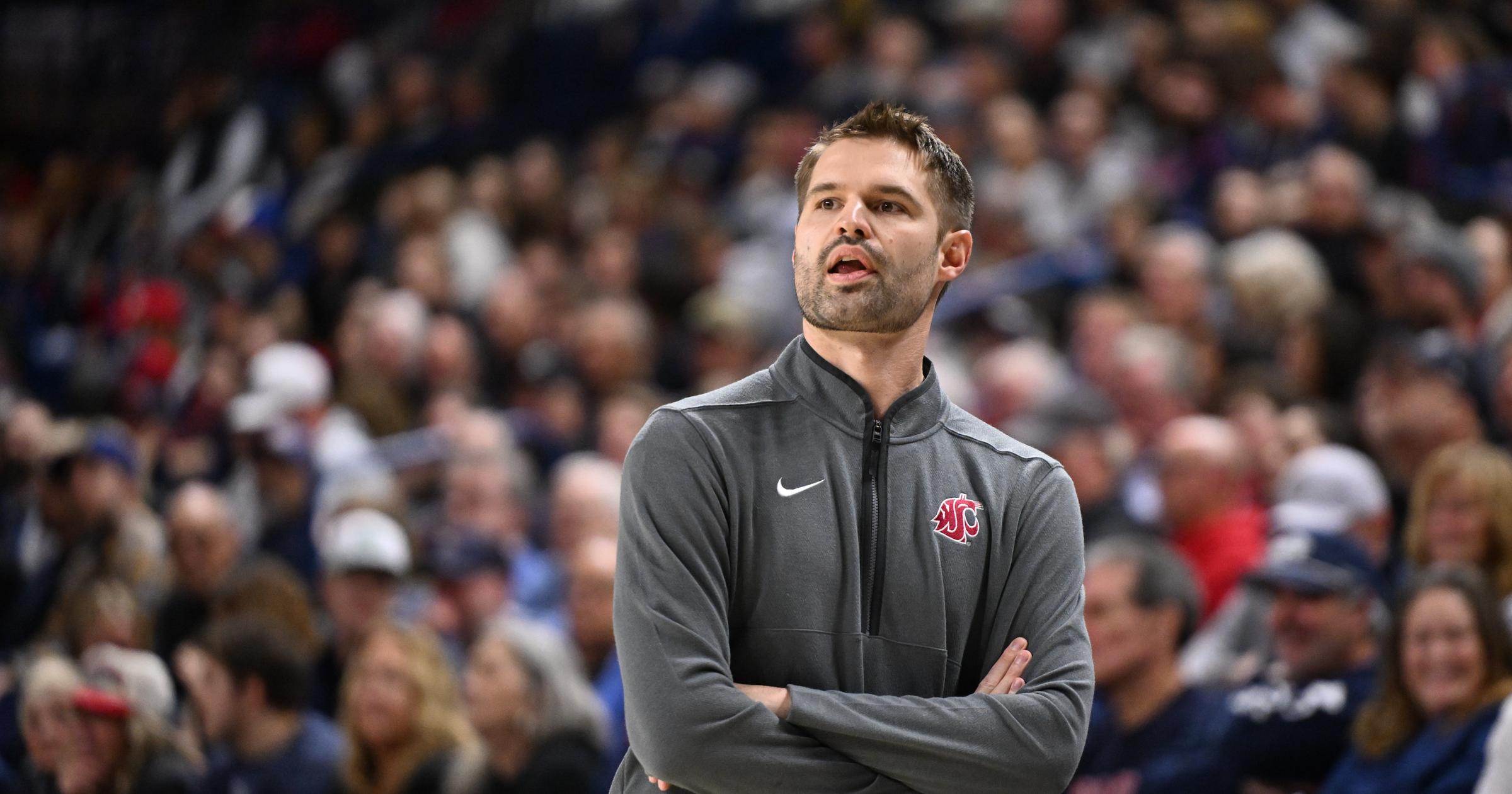
David Riley isn't sugarcoating last season.
Manhattan gets the Wazzu we left in Pullman
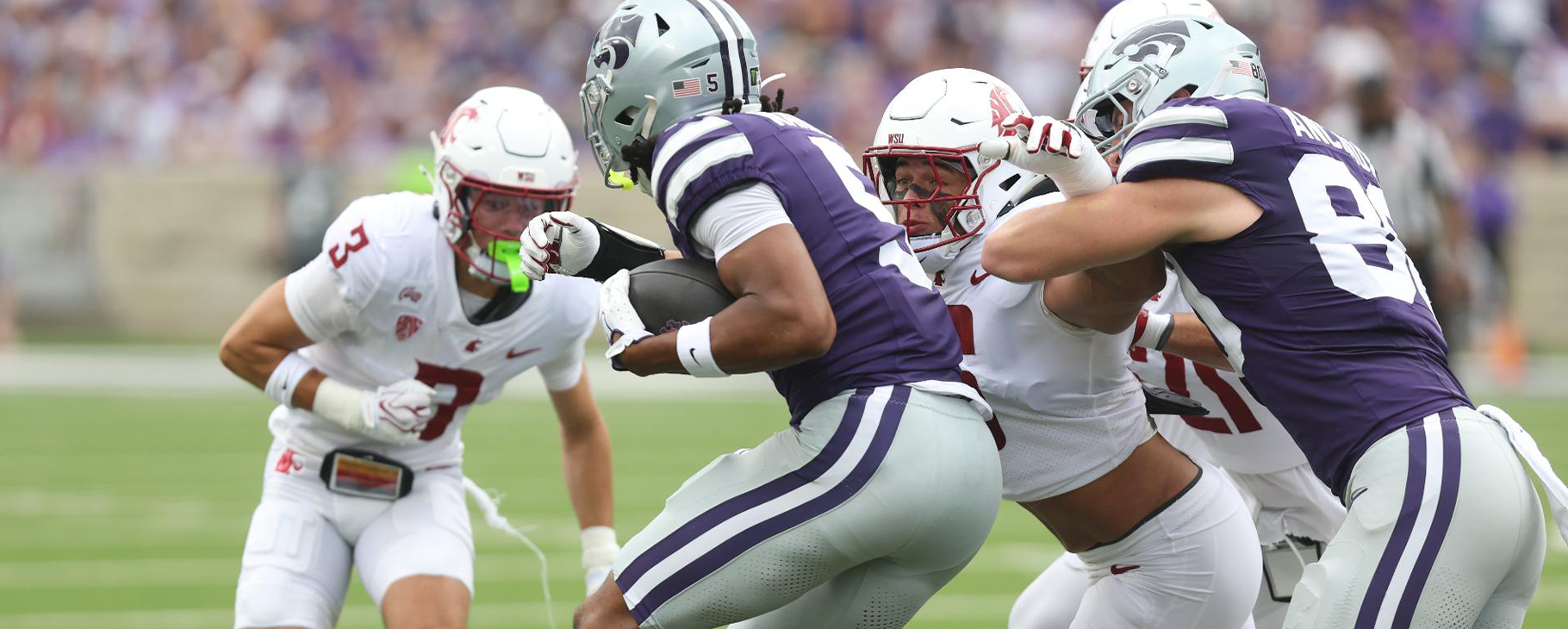
Manhattan, Kansas, got the Wazzu we left in Pullman.
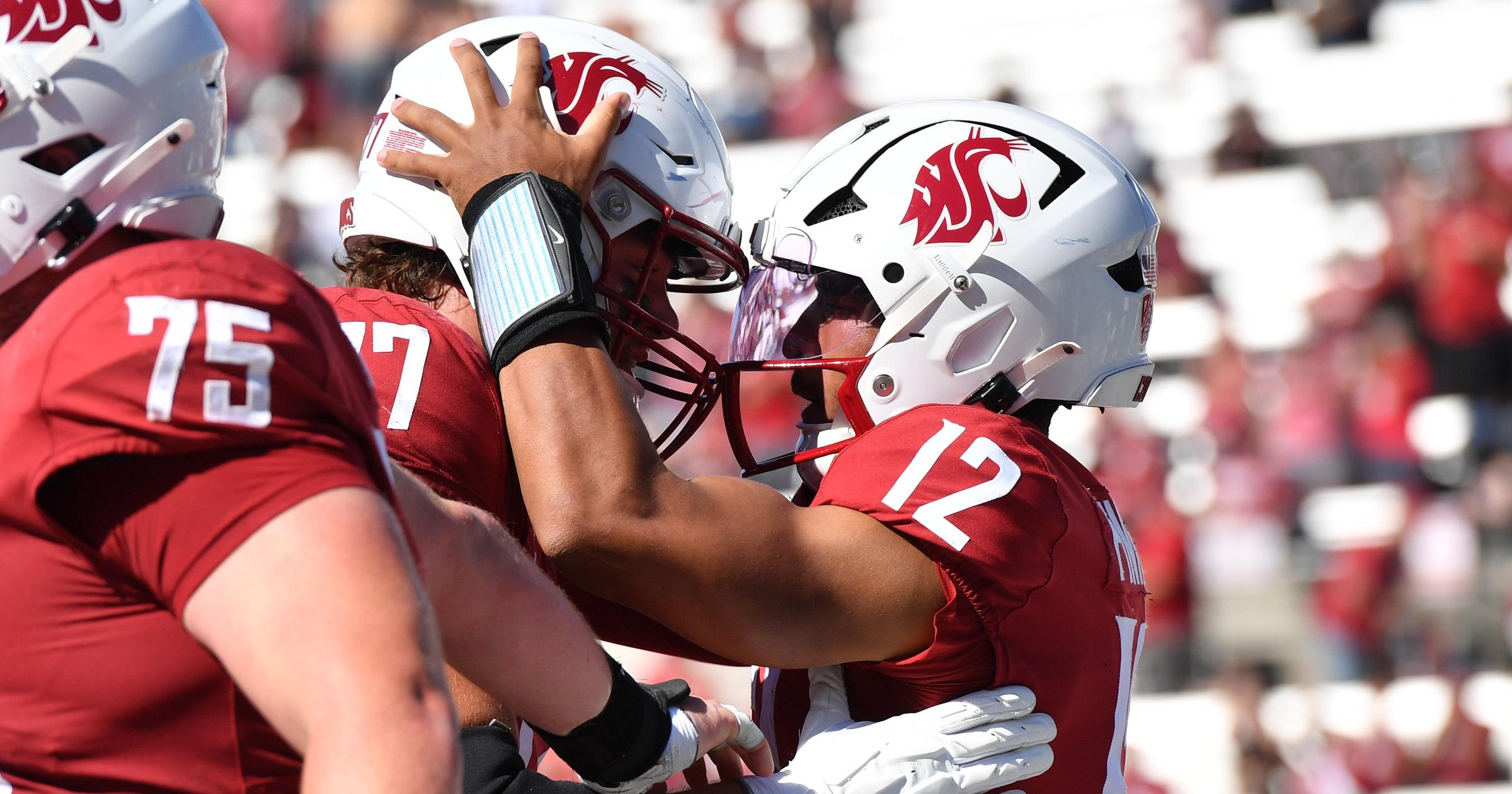
DJ Warner's Arizona roots could fuel a Coug upset under the lights
DJ Warner grew up two hours from Arizona's campus, recruited by those coaches, and now he's suiting up for the other side.
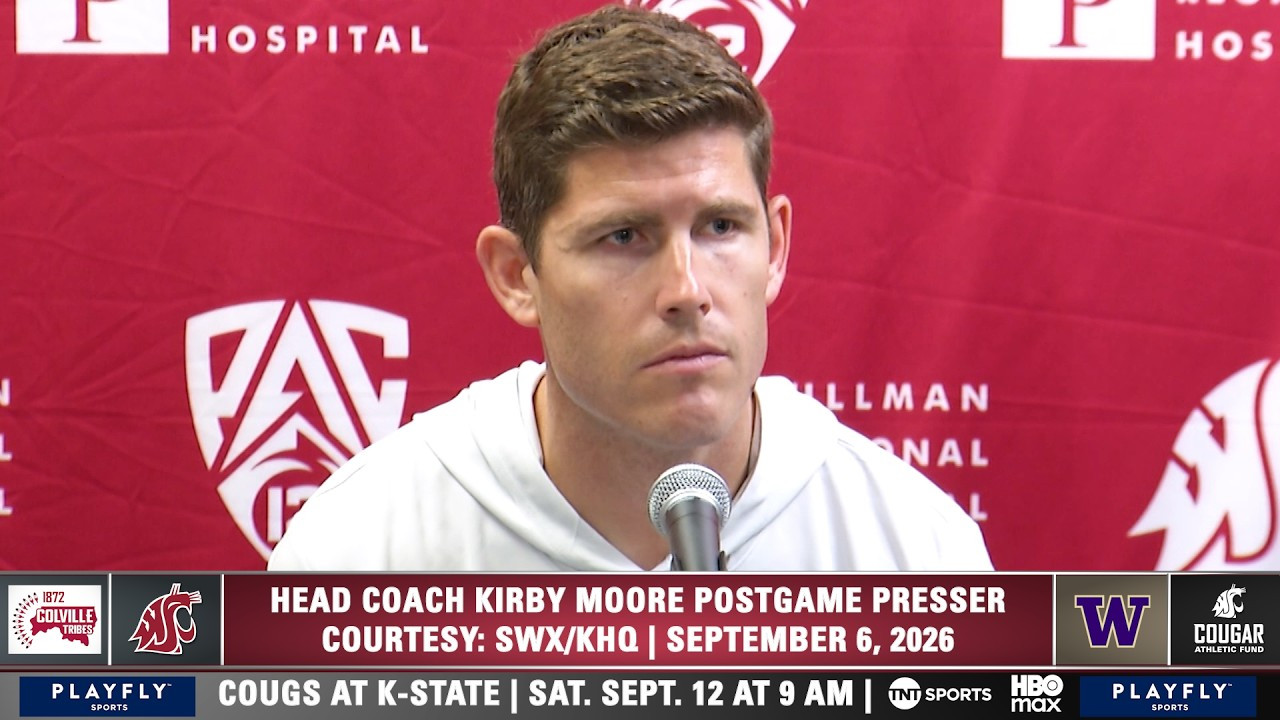
Kirby Moore Breaks Down the Boeing Apple Cup Loss Straight From the Locker Room
Kirby Moore didn't hide after the Boeing Apple Cup loss.
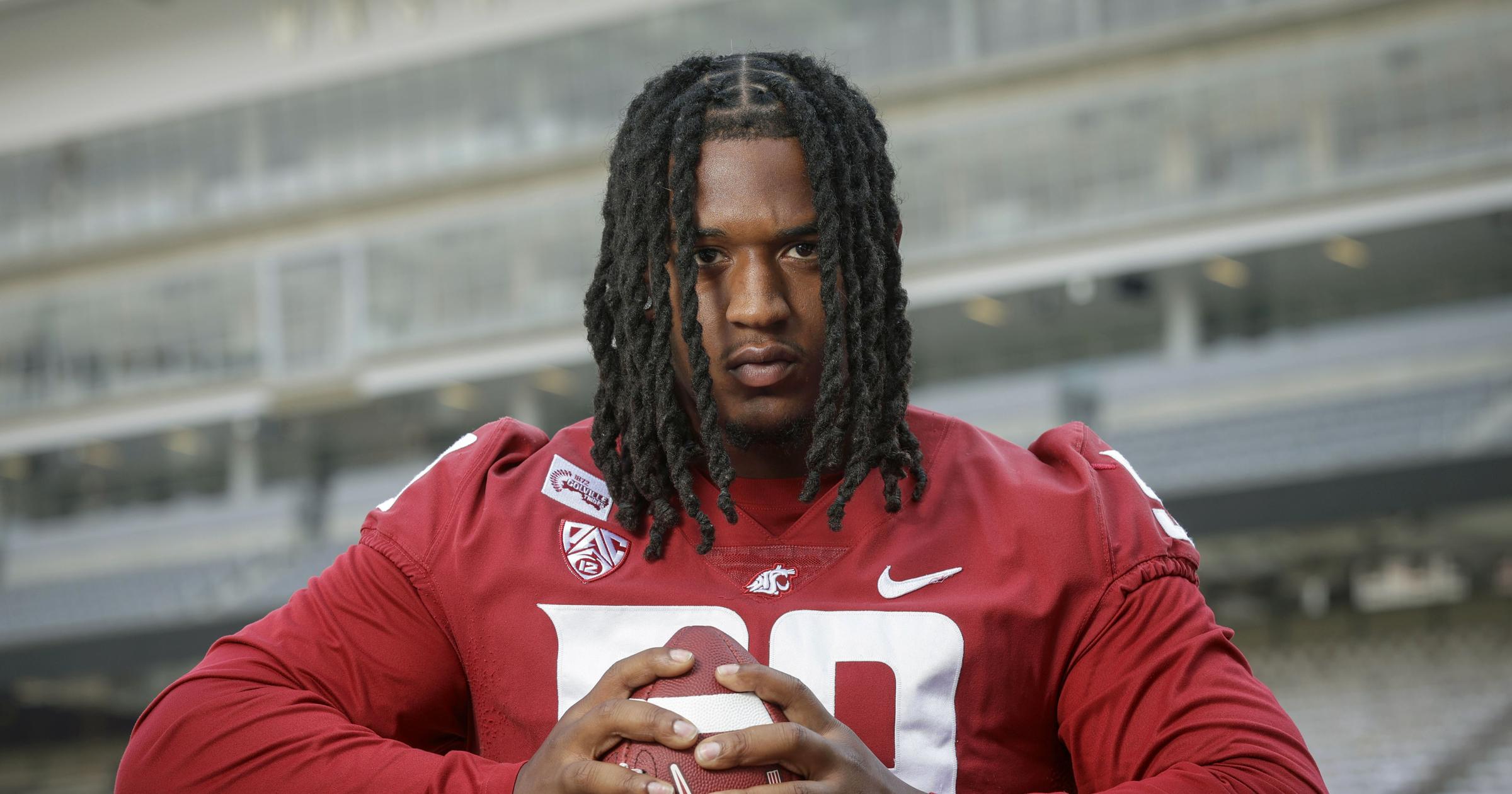
Paul Hutson III's draft dreams hang on his phone and in his locker
Paul Hutson III has a photo of the NFL draft stage saved on his phone.
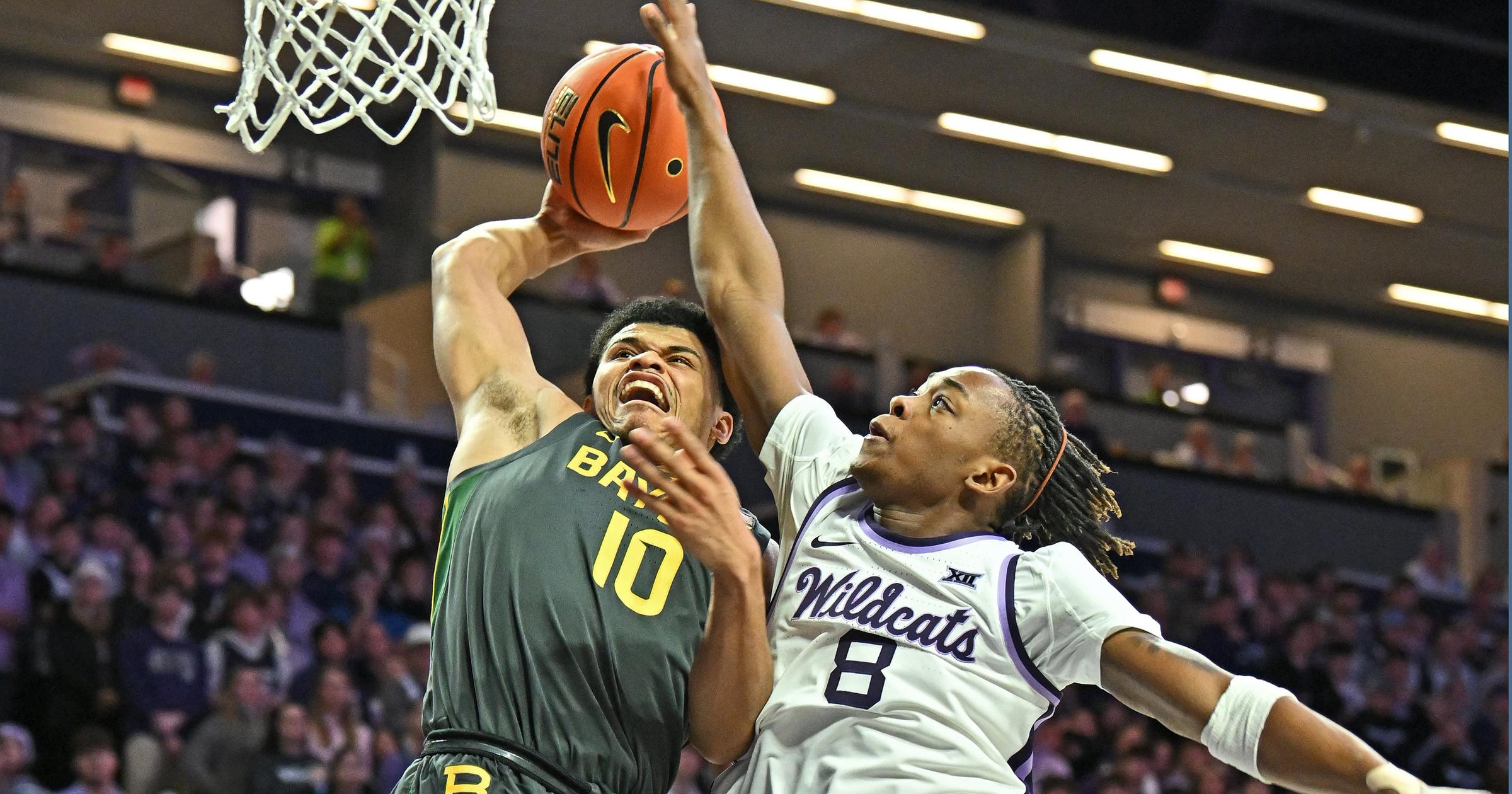
Cougs just landed TCU guard RJ Jones. Welcome back to the Big 12
RJ Jones is a Coug.
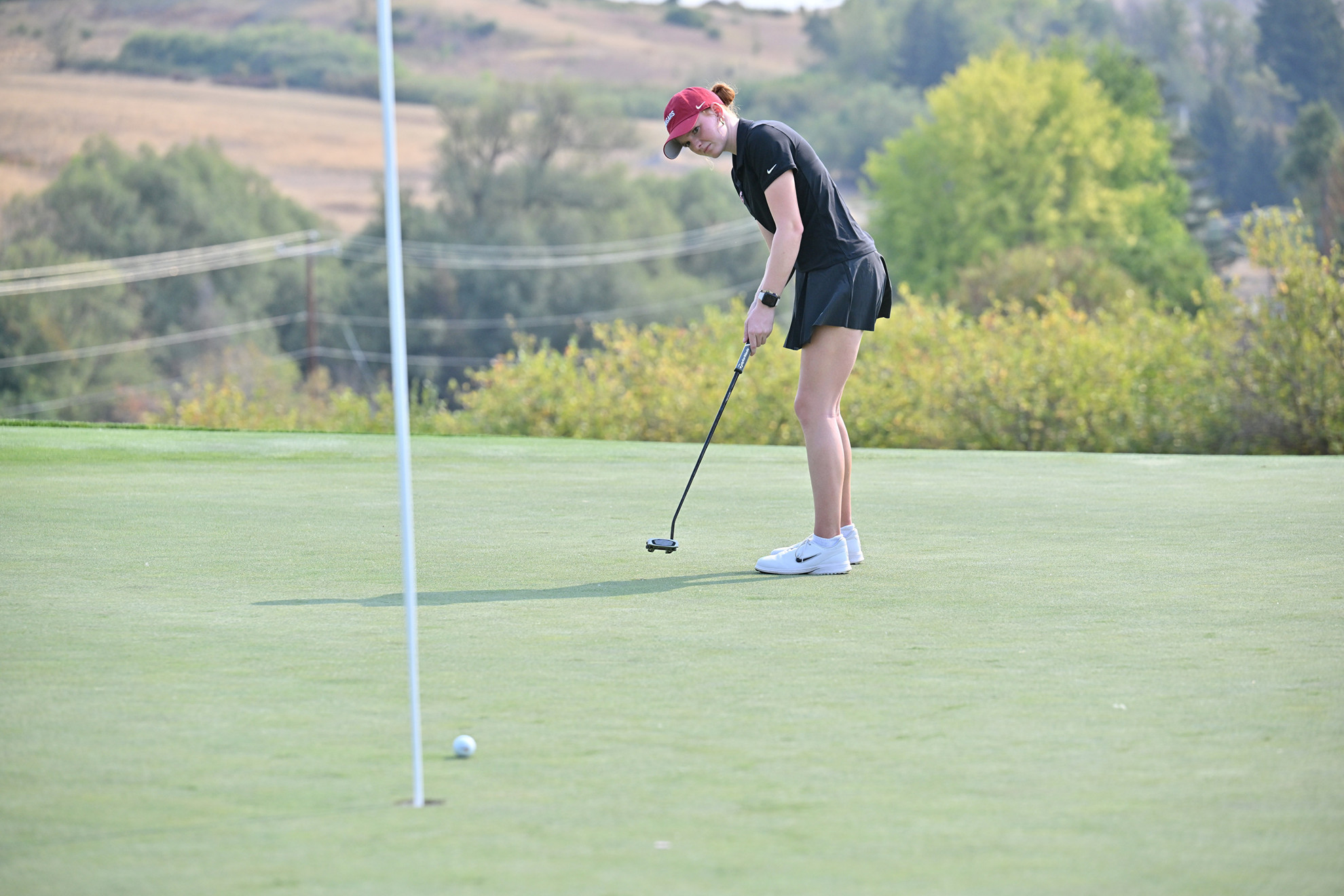
Cougar Women's Golf packs the clubs and heads to Wisconsin
The Cougar Women's Golf team is trading the Palouse for the Dairy State.
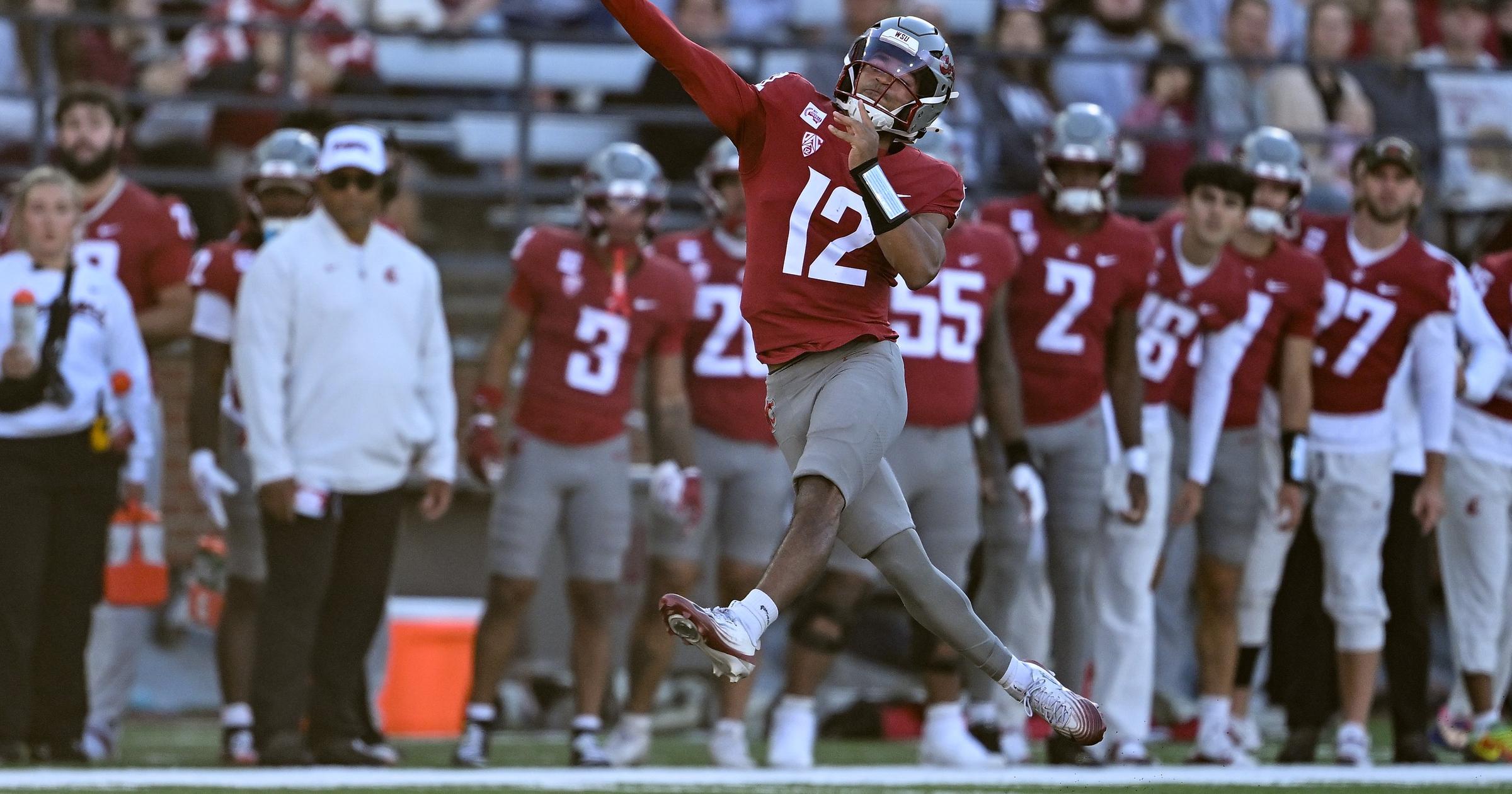
Moore puts it plain after Cougs let early lead slip in Pullman
Kirby Moore sat down at the podium Saturday night and didn't waste words.
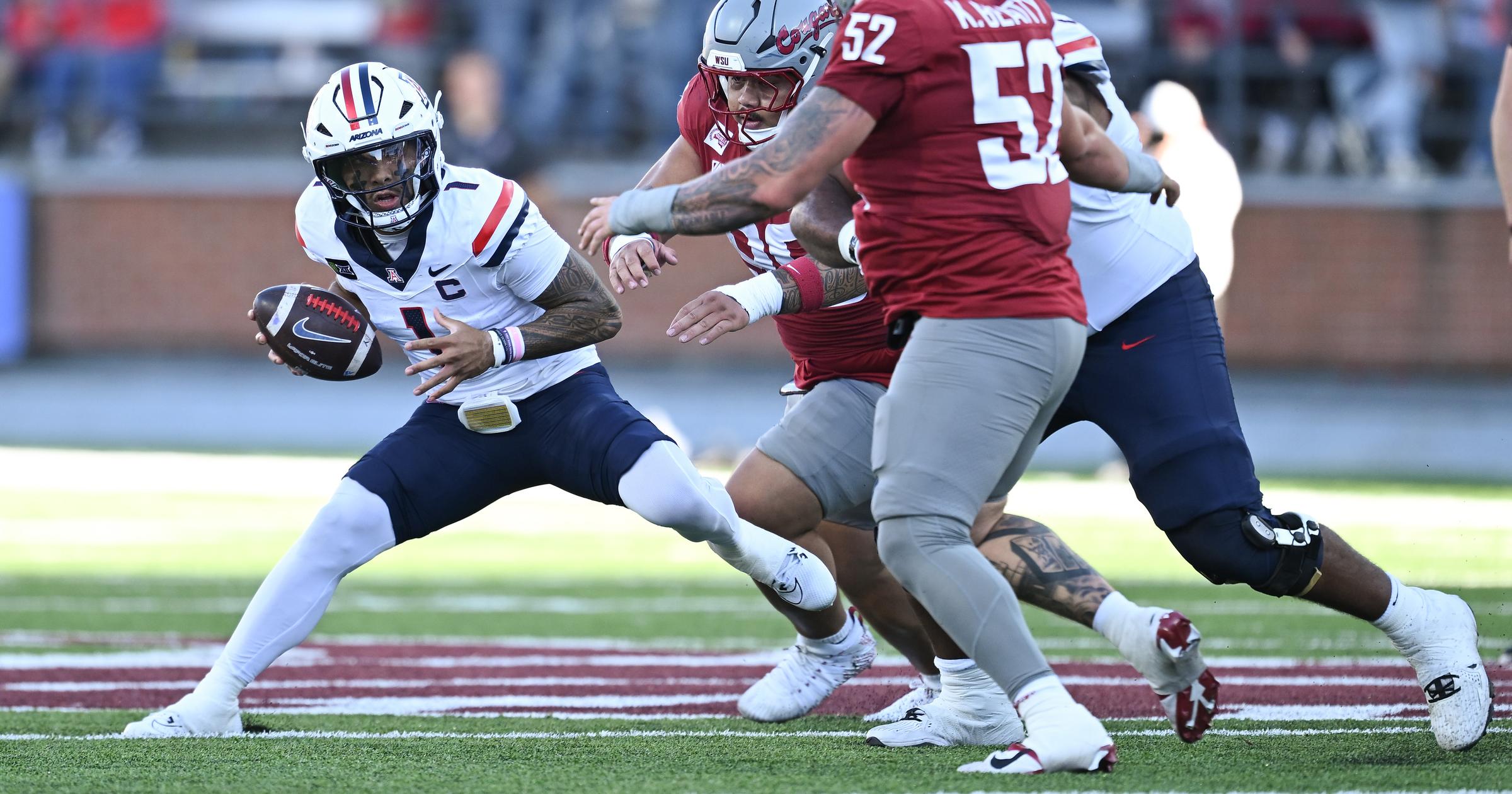
Fifita shakes off the rust, hits Smith twice to flip the script on Arizona
Jackquintin Bal saw it coming before Noah Fifita let it go.

Rowing crew sets its fall schedule, and you know where to find them
The rowing team dropped its fall schedule, and if you know Pullman, you know where to find them.
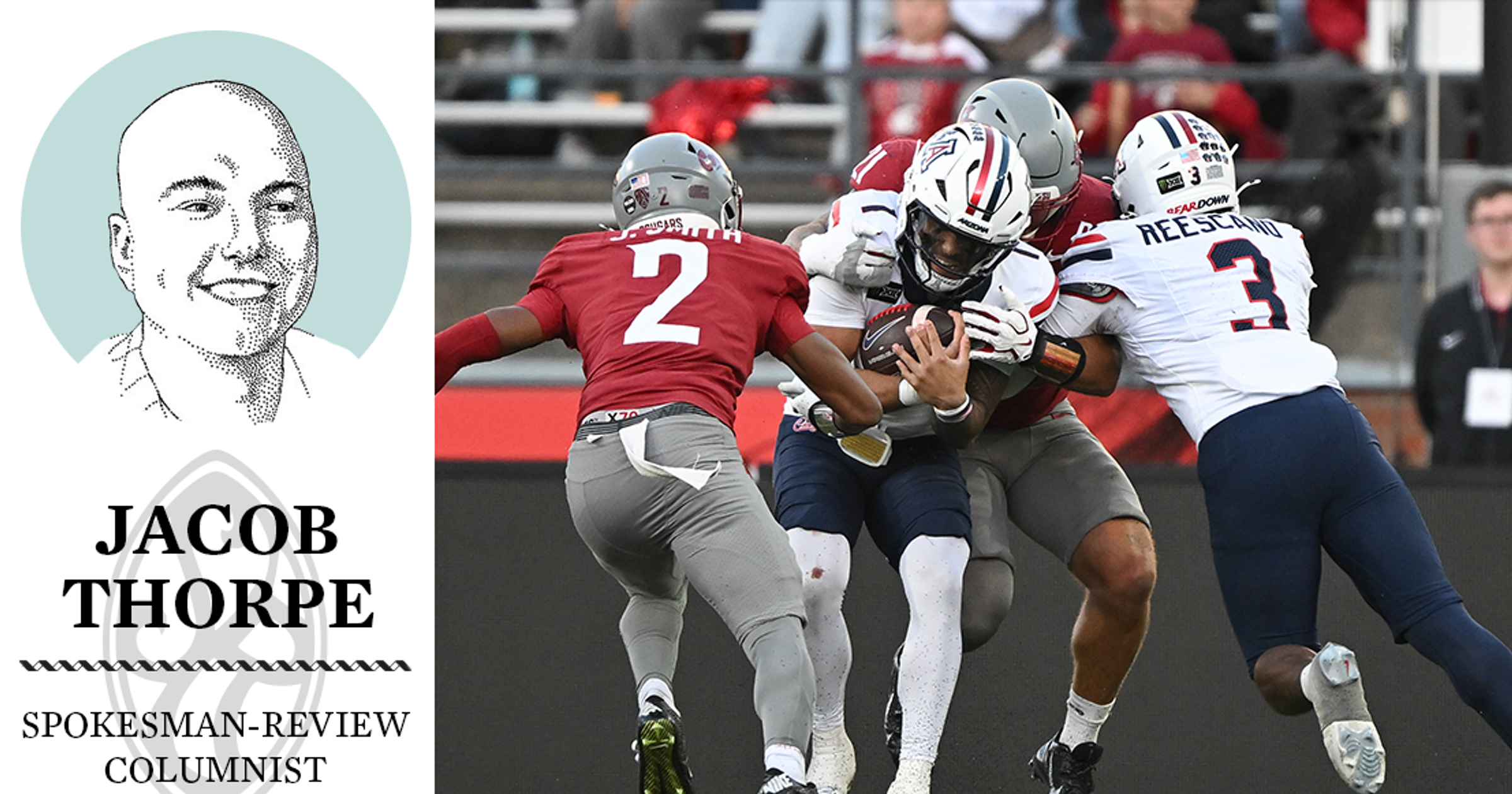
Arizona lands a punch Wazzu never quite answers
The Cougars did the rope-a-dope thing Saturday, and it turns out Homer Simpson was right: at some point you have to punch back.
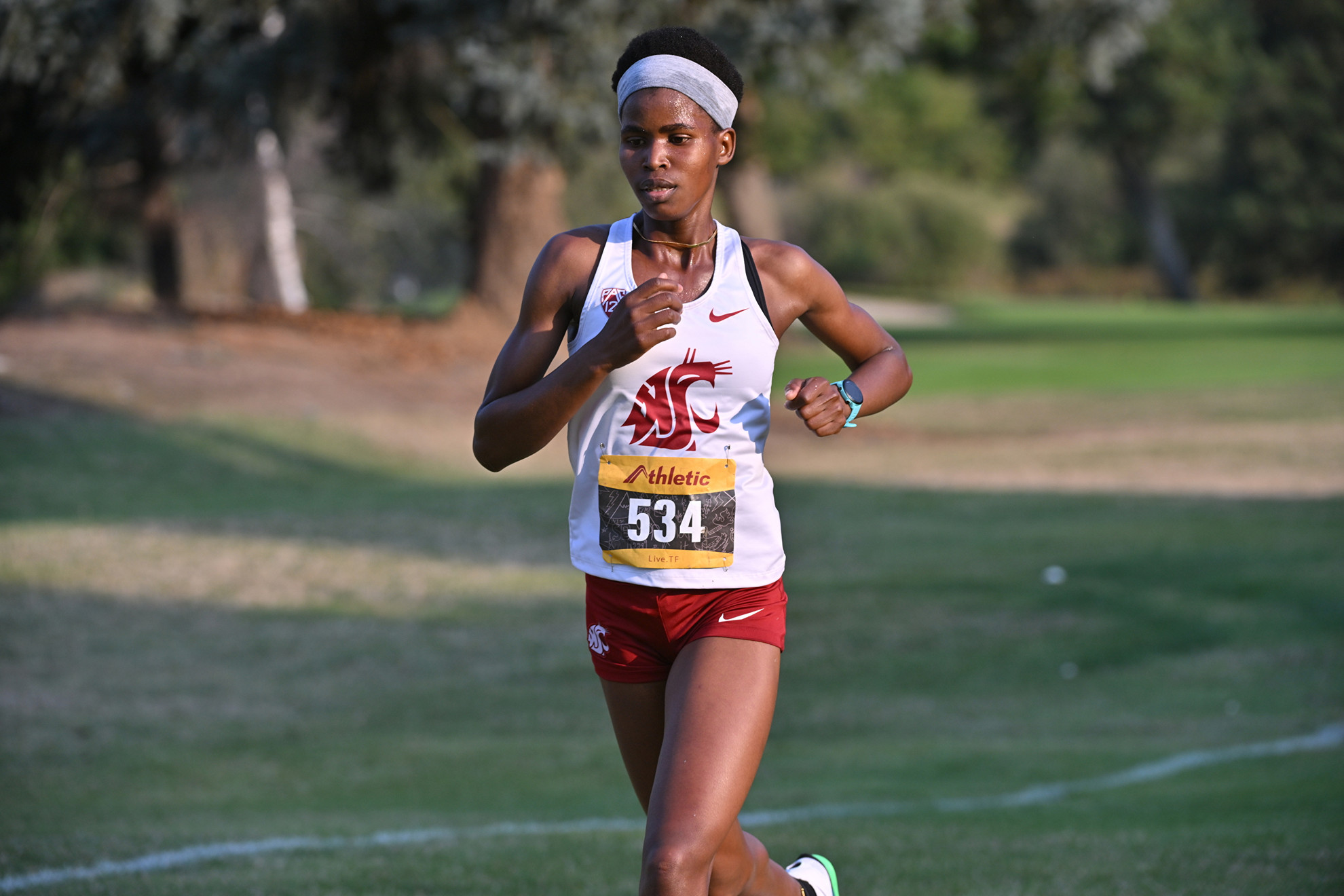
Cross Country Brings the Cougar Classic Home to Pullman
There's something about the first home meet of the season that hits different, and this weekend the Cougar cross country team gets to feel it.
Kirby Vorhees banged up for Fresno; Trey Leckner likely good to go
Kirby Vorhees is banged up, and that changes the math for Washington State on Saturday.
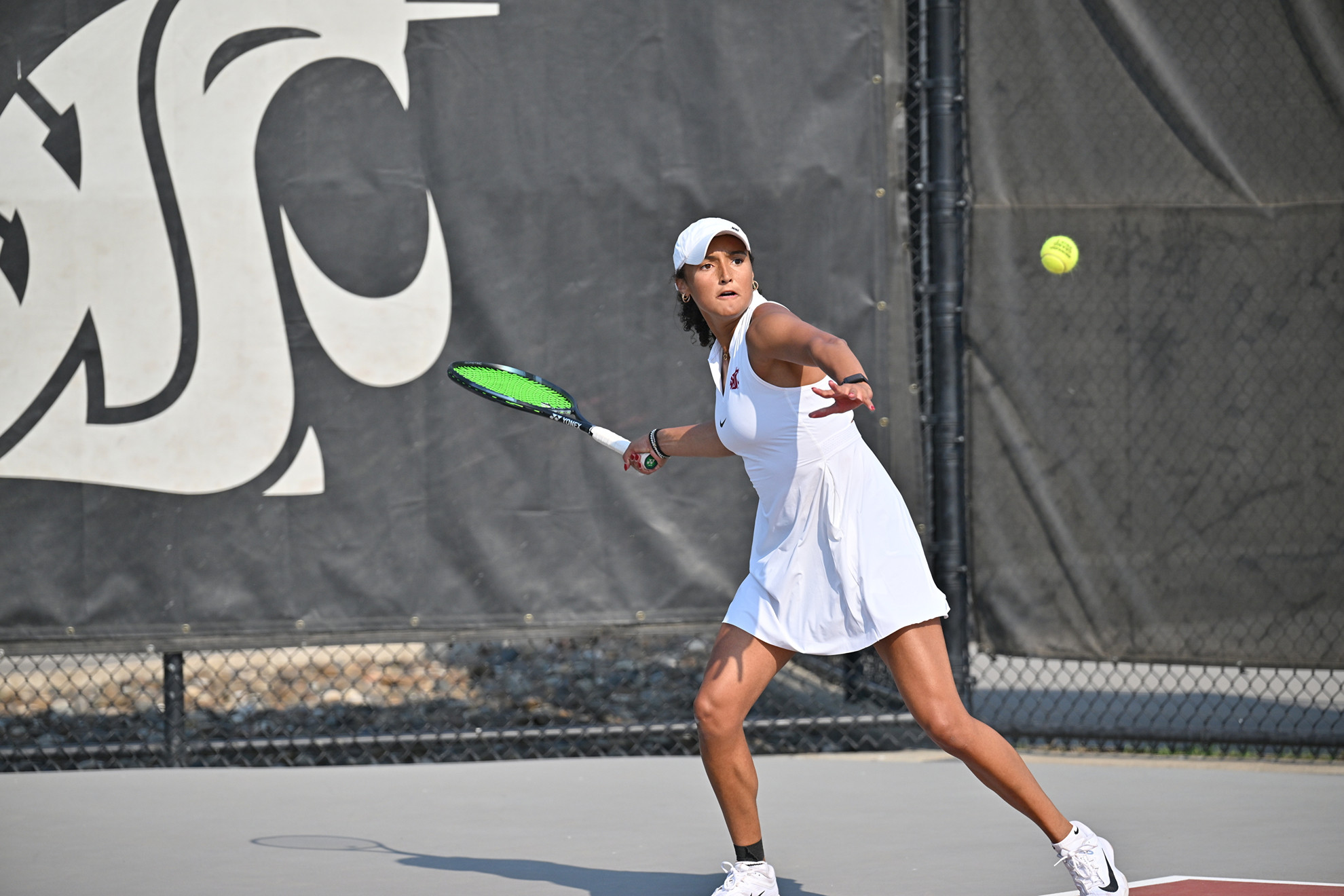
Cougar Tennis kicks off fall right at home, hosting the Cougar Classic
Tennis is back on the Palouse, and the Cougar Classic is the first serve of fall.
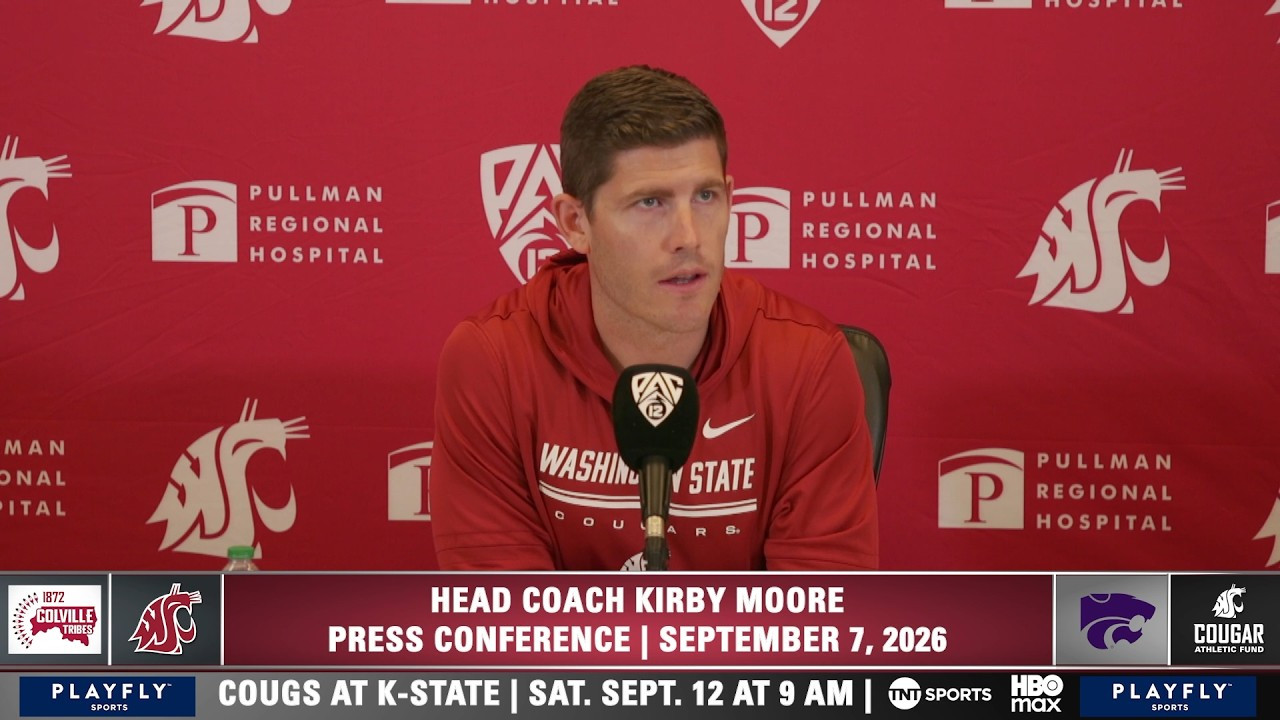
Kirby Moore on the mic: what the Coug offense is building
Kirby Moore is calling plays that sound different.

WSU dips back into Australia for a 6-7 wing named Stathis
The Cougs are going back to the well Down Under.