Washington State Cougars
Washington State Cougars at Wazzu is a file of 109 stories. The newest of them: “Moore's offense showed some pulse, but the Cougs still left plays on the field”, “Moore faces his old team as a new Pac-12 era begins in Pullman”, and “The Ball is the Boss: Moore's First Pac-12 Test is About Holdin' On”. Three offensive touchdowns in three games against FBS teams. Wazzu's own Kirby Moore gets a chance to turn around a 1-3 start Saturday night, and the storylines are too good to ignore. The unofficial read for people who left Pullman and stayed Cougs. The list below is every Washington State Cougars story on Wazzu, newest first.
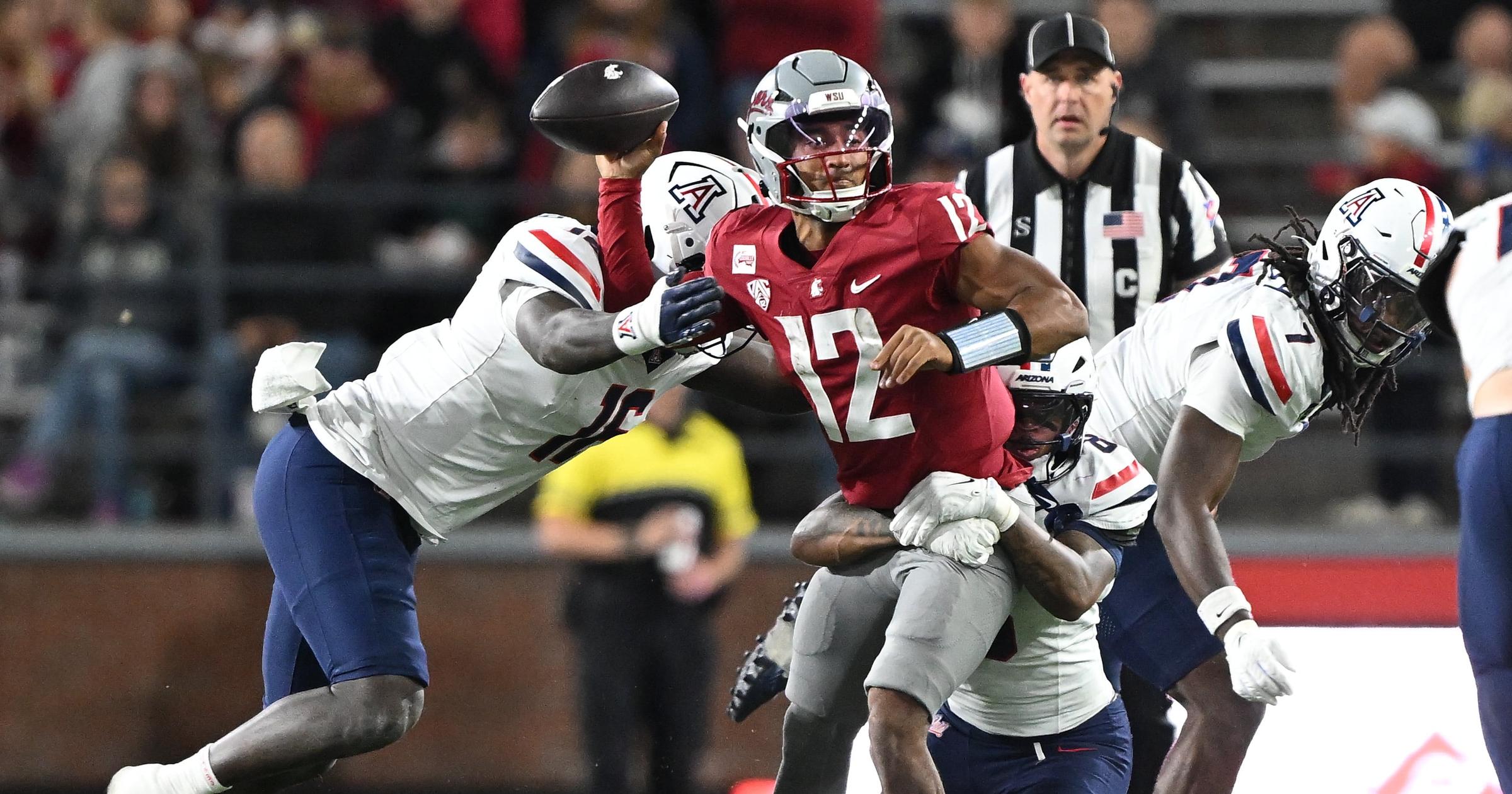
Moore's offense showed some pulse, but the Cougs still left plays on the field
Three offensive touchdowns in three games against FBS teams. Six turnovers. Seven total giveaways. That's not a Power 4 problem. That's a self-inflicted wound problem, and it's the story of this Cougar season so far. Kirby Moore's offense showed a pulse Saturday against Arizona, especially on that opening 11-play, 71-yard touchdown drive where Caden Pinnick looked like he knew what he was doing. The quarterback keeper, the blocks, the finish. That's the offense we were hoping to see. Then it vanished. The third quarter was brutal. Three points, two three-and-outs, four punts, three sacks. Arizona turned a three-point deficit into a four-point lead and never looked back. The defense held up its end. The offense didn't. Pinnick is making bad decisions, not just Power 4 athletes making great plays. The interception into triple coverage against Duquesne. The fumble while trying to throw while being dragged down. The slide a yard short of a first down. Those aren't talent gaps. Those are judgment gaps. Moore said it starts with him. That's the right answer. But the fix has to show up against Fresno State next week. If these problems are about competition, they'll ease up. If they're about Pinnick's decision-making, they won't. We've got more on Moore's postgame comments in "Moore puts it plain after Cougs let early lead slip in Pullman." Worth a read. For now, the Cougs are what we thought: 1-3, right on schedule. The question is whether they're better than the schedule. Go Cougs.
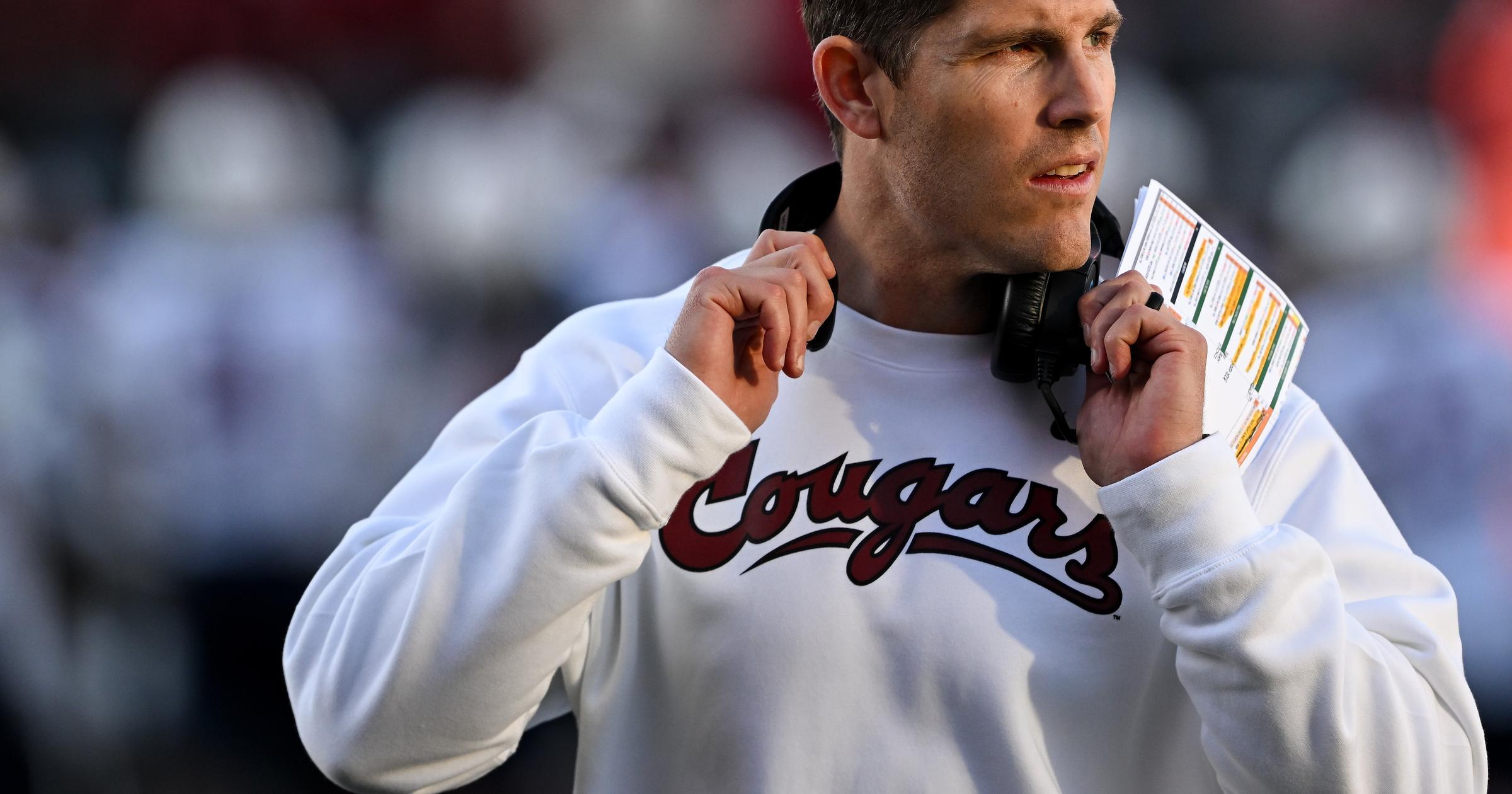
Moore faces his old team as a new Pac-12 era begins in Pullman
Wazzu's own Kirby Moore gets a chance to turn around a 1-3 start Saturday night, and the storylines are too good to ignore. He's facing Fresno State, the program that gave him his first FBS job as receivers coach and offensive coordinator from 2017-22. That's the kind of drama that makes a Palouse fall evening worth the walk to Gesa Field. The Cougs are coming off a loss to Arizona that had a few bright spots, safety Jackquintin Bal's pick-six, punter Max Dean averaging 40 yards despite migraines, but also a whole lot of slog. WSU put up zero points in the third quarter. Caden Pinnick took his 10th sack of the season. The offense has turned the ball over seven times now, which is 119th in the country. That's not a stat you text home about. Fresno State, meanwhile, is rolling. They're 3-1 with the Pac-12's best defense so far, allowing just 19 points a game. Cornerback Simeon Harris has three interceptions already. Moore knows the challenge: "That's gonna be really important, to make sure we take care of the football." He's not wrong. If you want to dig into how WSU's defensive snaps piled up in that Arizona loss, our piece on "Second-half snaps tell the story of WSU's defensive breakdowns" lays it out. Go Cougs.
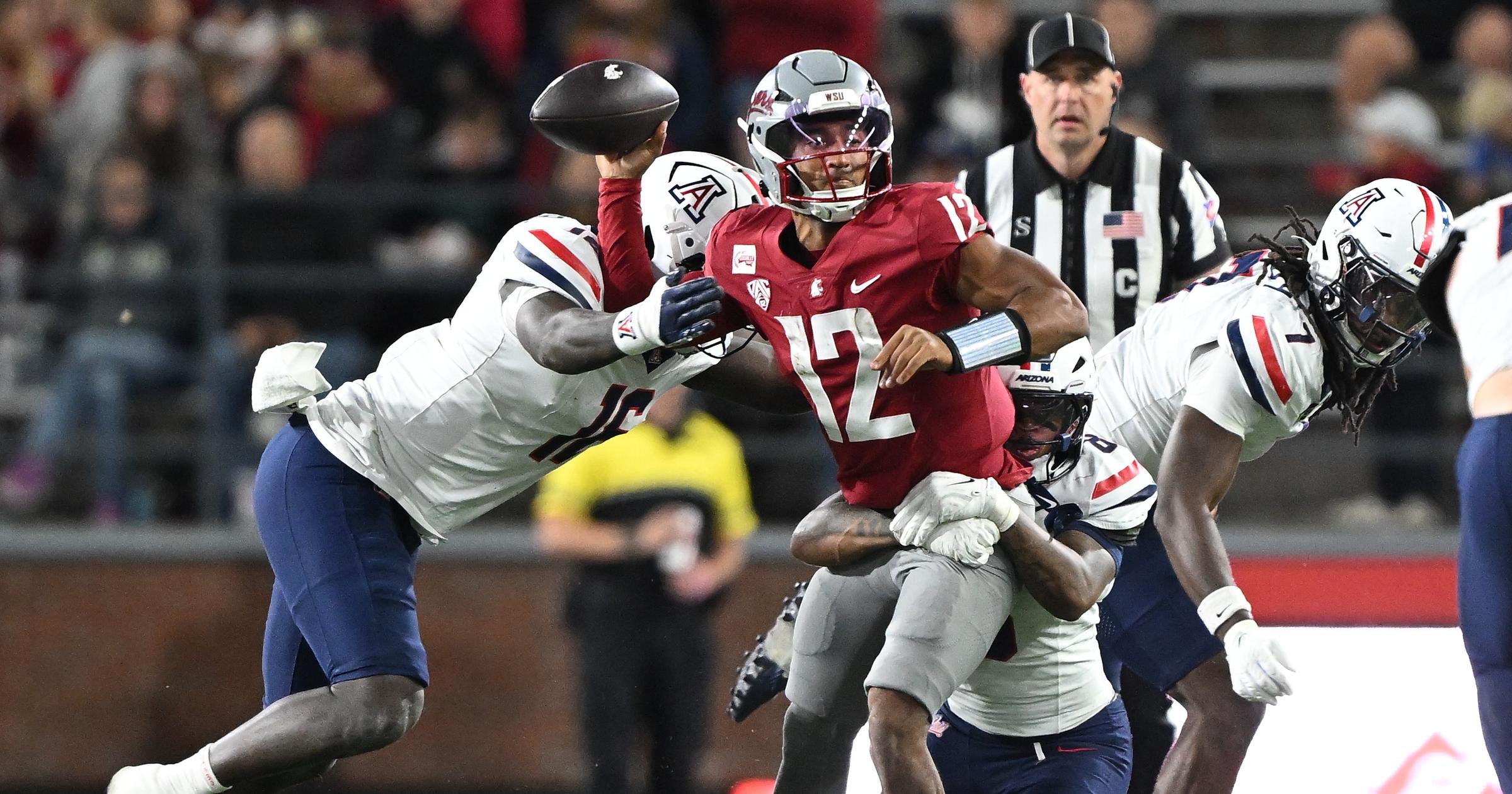
The Ball is the Boss: Moore's First Pac-12 Test is About Holdin' On
Saturday night in Pullman, the Cougs finally get to play a game that counts in the Pac-12 standings. It's been nearly three years. Problem is, Fresno State is coming to town, and they take the ball away for a living. Plus-seven turnover margin. Sixth-best in the country. Meanwhile, Caden Pinnick has lost five turnovers in four games. That math doesn't add up. Kirby Moore is walking a tightrope. He has to tell his quarterback to protect the ball without making him afraid to throw it. That's a fine line, and Moore knows it. He's been saying all week that every play has a life of its own. That's coach-speak for "don't force it, but don't freeze up either." The ground game might not help. Kirby Vorhees is a gametime decision with an upper-body injury, and the running backs haven't cracked 100 yards against an FBS team all year. The good news? Trey Leckner could finally debut at tight end. That's a weapon they haven't had yet. Defensively, they have to slow down Jayden Mandal and Rayshon Luke, who just put up 167 yards on 11 carries. That's a problem. This game won't decide the season, but it'll tell you a lot. Lose, and you're staring at 1-4 with Utah State and Oregon State on the road. The bowl streak starts looking shaky. Win, and you're 1-0 in conference play with a pulse. If you want the deeper numbers, check out our piece on Pinnick's five turnovers.
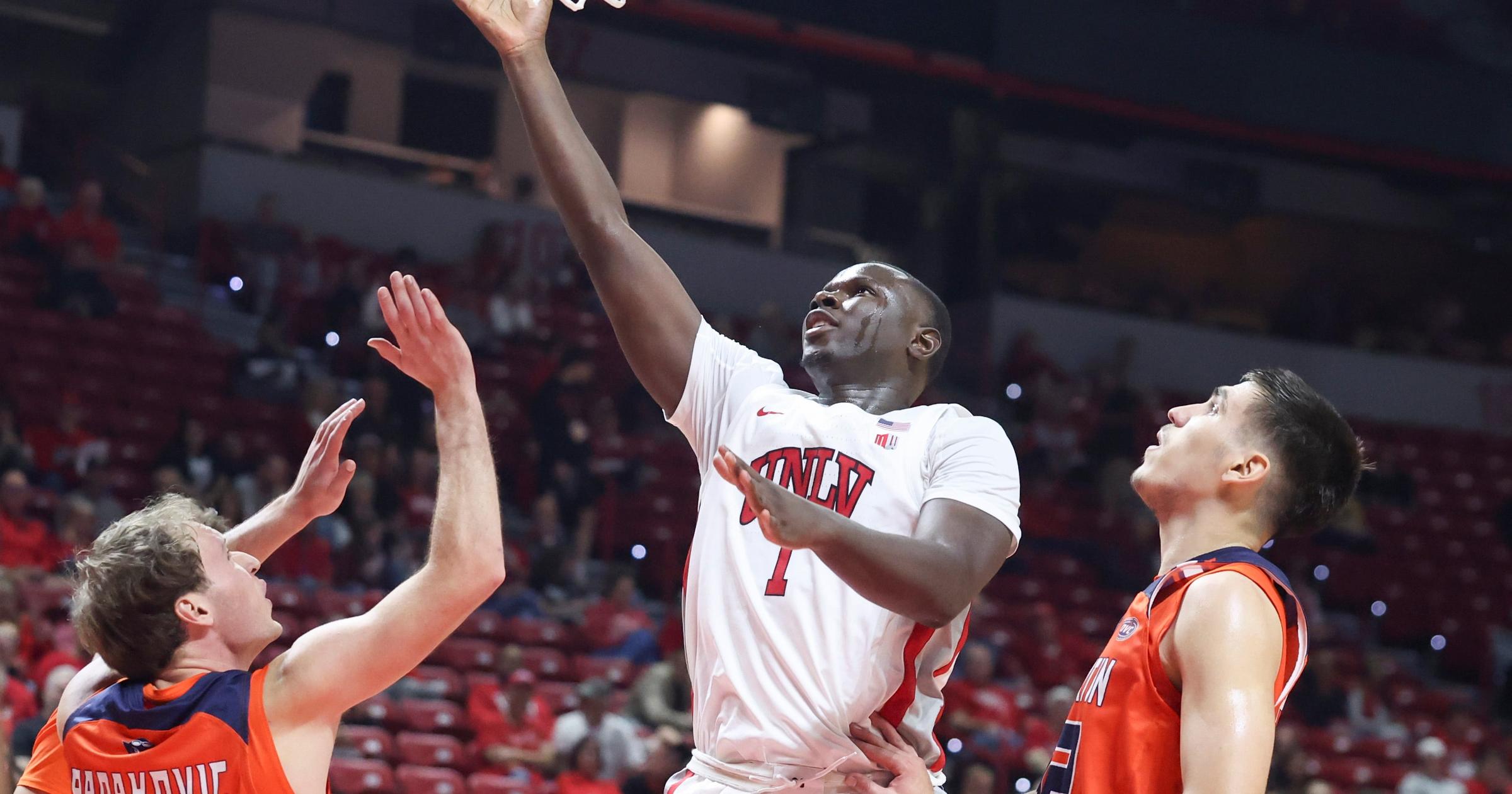
Another big body joins the Cougs as Ladji Dembele signs on
Ladji Dembele is a 6-foot-8, 255-pound forward who played five games for UNLV last year because of an injury. He's now a Coug. That makes eight offseason commitments for David Riley, and this one looks like the first true big man in the group. Dembele spent two years at Iowa before that, starting 21 games his second season, and he played for Mali's U-19 team at the 2021 World Cup. He's from Newark, originally, by way of Mali and Spain. The guy has been around. What matters here is what Riley is building. The Cougs lost 12 players, including 10 to the transfer portal. Ace Glass is at Vanderbilt. Eemeli Yalaho is headed to NC State. ND Okafor to Ole Miss. That's a lot of turnover. But Riley keeps signing bodies. Tyler Kropp is listed at 6-9 but has a thinner frame, so Dembele gives them the center they needed. That matters when you're starting almost from scratch. We wrote the other day about Jamari Phillips coming in from Oregon, and about Riley saying this roster has more talent walking in than last year's. That quote ages well with each signing. Dembele isn't a star on paper, 5.2 points at UNLV, 4.5 at Iowa, but he's a veteran who has played Power 4 minutes and knows what a real frontcourt looks like. For a team that returns two players, that kind of experience is worth more than the stat line. Go Cougs.
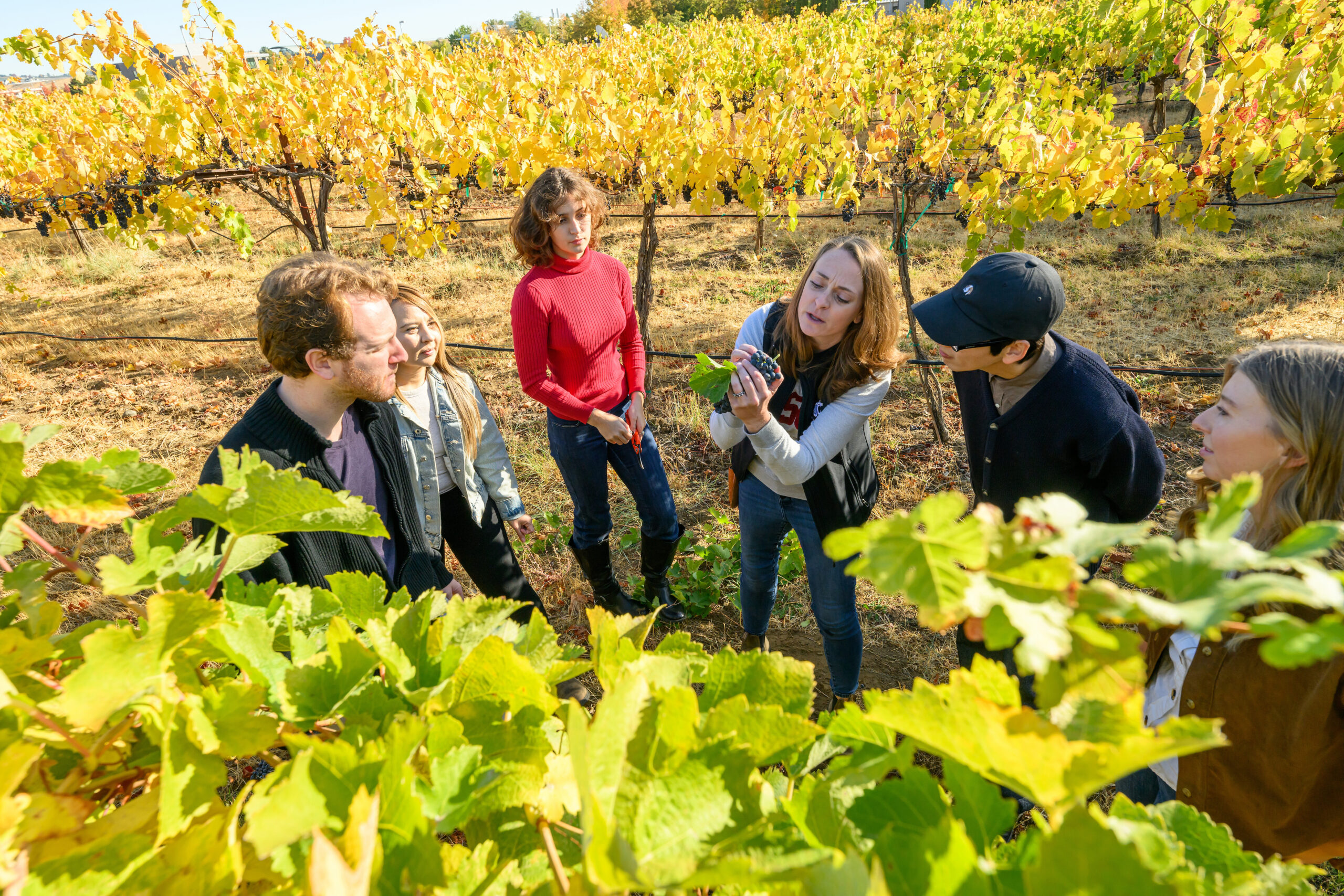
Washington wine didn't happen by accident. Cougs helped build it
You don't have to dig deep into Washington wine country to taste the Cougar in the glass. That's because WSU didn't just show up to the harvest, it helped plant the roots. For decades, the university has worked shoulder-to-shoulder with growers and producers across the state, turning what could have stayed a scrappy regional hobby into an economic powerhouse. That's not luck, and it's not happenstance. It's the result of patient, hands-on work in the vineyards and the labs, the kind of quiet persistence that doesn't make for flashy headlines but sure makes for a good bottle. The wine industry here doesn't owe everything to Pullman, but it owes a lot. And it's worth saying plainly: Cougs built this, and we're not shy about it. The same spirit that drives our ag research, the kind that makes the Palouse a little smarter every season, shows up in the vines. If you want to see how that same practical innovation plays out elsewhere, our piece on WSU's smarter corn fields is worth a click. But today, raise a glass to the growers, the researchers, and the decades of grit that made Washington wine a name you actually hear outside the state. It didn't happen by accident. It happened because Cougs showed up, got their hands dirty, and stayed. Go Cougs.

WSU's corn fields got smarter, and the AI didn't even need a Palouse sunrise
There's something almost poetic about a corn field that doesn't need a perfect Palouse sunrise to do its job. Washington State's AgWeatherNet has been out there quietly collecting data, and now the AI is taking that information and turning it into something farmers and ranchers can actually use. Automation, insights, better decisions, all coming out of the same ground we walked on. That's the part that gets me. This isn't some far-off tech hub story. This is WSU doing what WSU does: solving real problems for real people who work the land. The system has been around, feeding weather data into the machine, but now the machine is smart enough to talk back. It's not just telling you it's dry; it's helping you figure out what to do about it. You don't have to be a farmer to appreciate that. You just have to know how hard that work is, and how much a little foresight can save a season. The fact that this is coming out of Pullman, from the same university that taught us to think critically and show up early, makes it feel like home. It's easy to get caught up in scores and Saturdays. But this is the other side of Wazzu, the part that doesn't make the highlight reel but keeps the lights on. Smart corn, smarter systems, and a university that refuses to stay in the lab when it can help the field. Go Cougs.
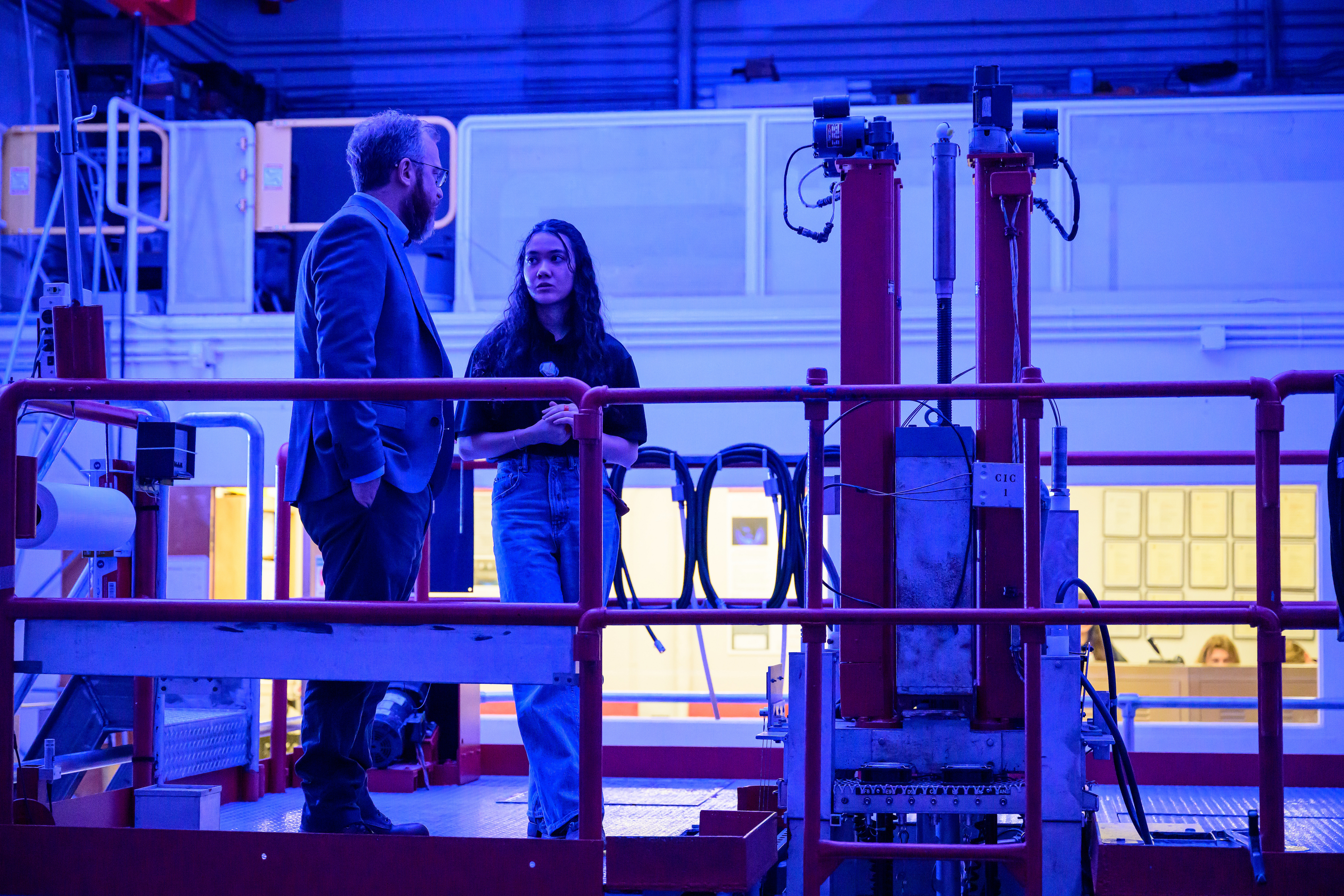
WSU's old reactor know-how is writing the next chapter
The old WSU nuclear reactor in the basement of the Dodgen Research Facility hasn't been critical since the early 2000s, but its brain trust never really left the building. Now that brain trust is writing the next chapter. Washington State University is stepping back into the nuclear conversation, this time with the kind of know-how you only get from decades of hands-on work. The reactor may be shut down, but the expertise isn't. WSU will help shape what comes next for nuclear energy, building on a foundation most schools can't claim. This isn't a flashy pivot. It's a return to something Pullman has always done well: work that matters, quietly, and then suddenly everyone notices. It fits a pattern across this university. The WSU College of Nursing just reported that nearly half its students are first-generation, and they're built different. That's not a coincidence. WSU pulls from communities that show up ready to work, whether it's in a hospital or a research lab. The nuclear story deserves your attention. It's not about nostalgia for the old reactor. It's about what that experience makes possible now. When the country needs answers on clean energy, WSU already has the people who know the questions. Go Cougs.
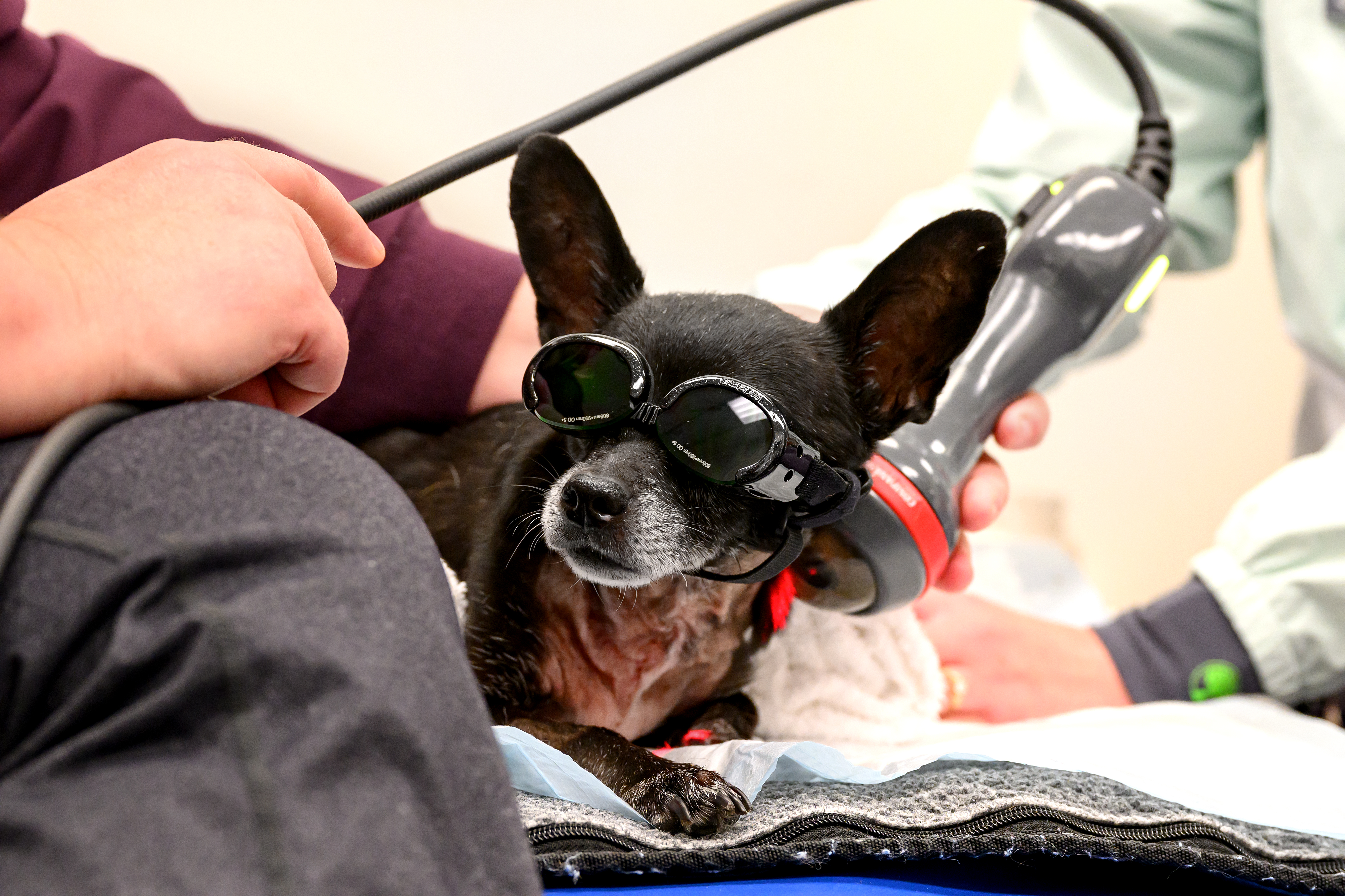
WSU's vet hospital treats animals from emergency to rehab and home again
Your dog ate something it shouldn't have. Your cat took a bad fall. The horse colicked at midnight. Where do you go? For a lot of us, the answer has always been the WSU Veterinary Teaching Hospital. It's not just an emergency room for the Palouse's four-legged residents. It's the whole deal, from the moment an animal rolls in scared and hurting, through surgery and treatment, all the way to the day it goes home. That continuum of care matters. It means the same team that stabilized your pet knows what happened in the middle of the night, and they're the ones guiding the recovery. It's a level of trust you can't fake. This is the kind of work Washington State does quietly, year after year, without a lot of fanfare. The same place patching up a ranch dog is training the next generation of veterinarians. It's practical. It's necessary. And it's pure Pullman. If you want to see another side of that same WSU grit, we've got a story about our scientists digging in to save honey bees from the brink. Same university. Different species. Same stubborn refusal to let things die. Go Cougs.
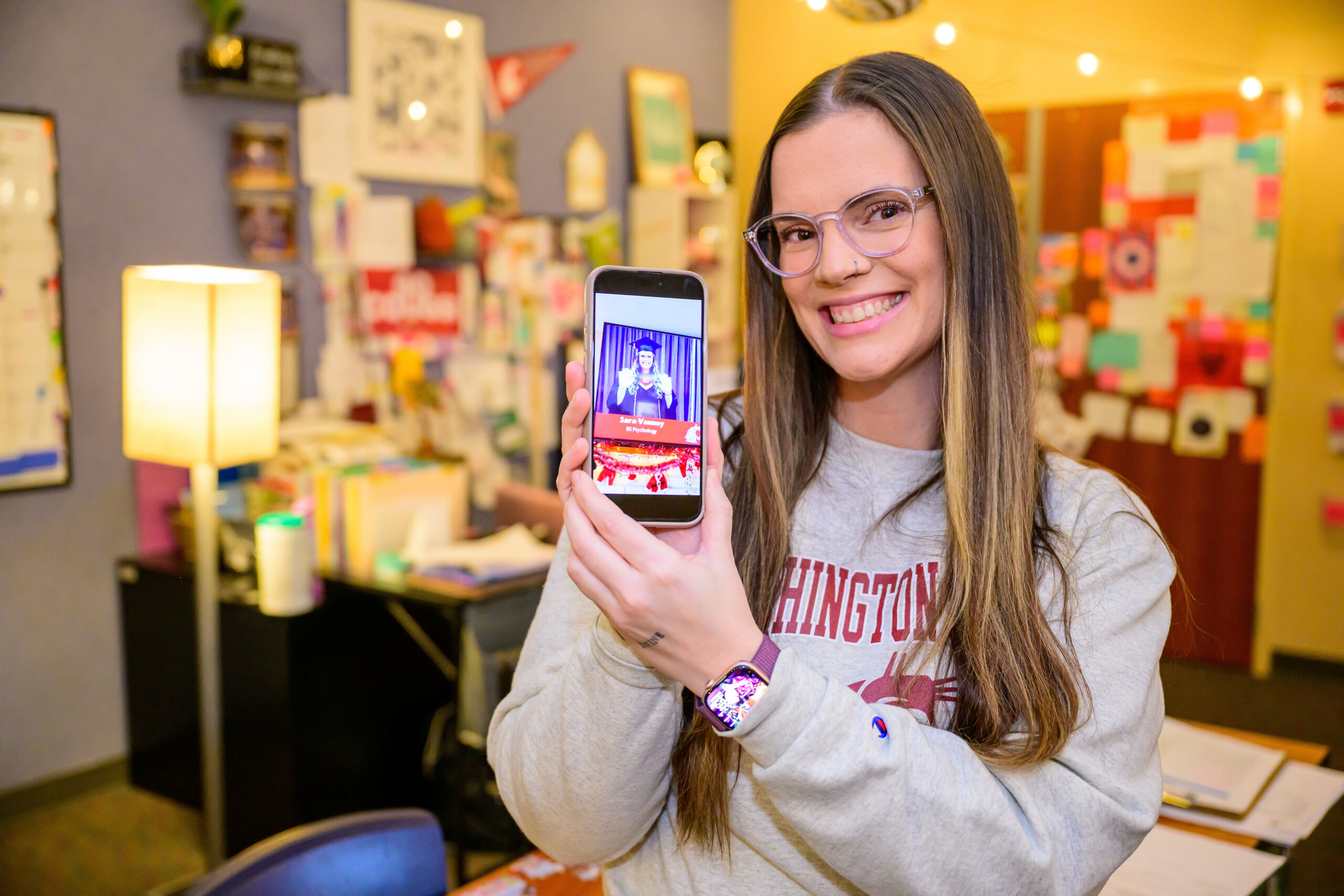
Your diploma is still a Coug, even if you haven't set foot on campus since 2003
Your diploma is still a Coug, even if you haven't set foot on campus since 2003. The WSU Global Campus just got ranked among the top online programs in the nation by U.S. News & World Report, in multiple categories. That's not a surprise to anyone who's ever tried to finish a degree while working a full shift or raising kids. WSU built this thing for people who don't have the luxury of quitting life to go back to school. It's easy to forget that Pullman isn't the only place Cougs are made. Thousands of us earned the same degree from a kitchen table or a library computer. This ranking says the university hasn't forgotten you either. The same rigor, the same faculty, the same land-grant mission, just delivered to wherever you are. WSU has always been good at showing up where it matters. The same practical drive that put the Cosmic Crisp® in your grocery store and helped build Washington's wine industry is what makes the Global Campus work. It's not flashy. It's just effective. If you've been thinking about finishing what you started, or you know someone who should, this is your sign. The university earned the recognition. You earned the degree. Go Cougs.
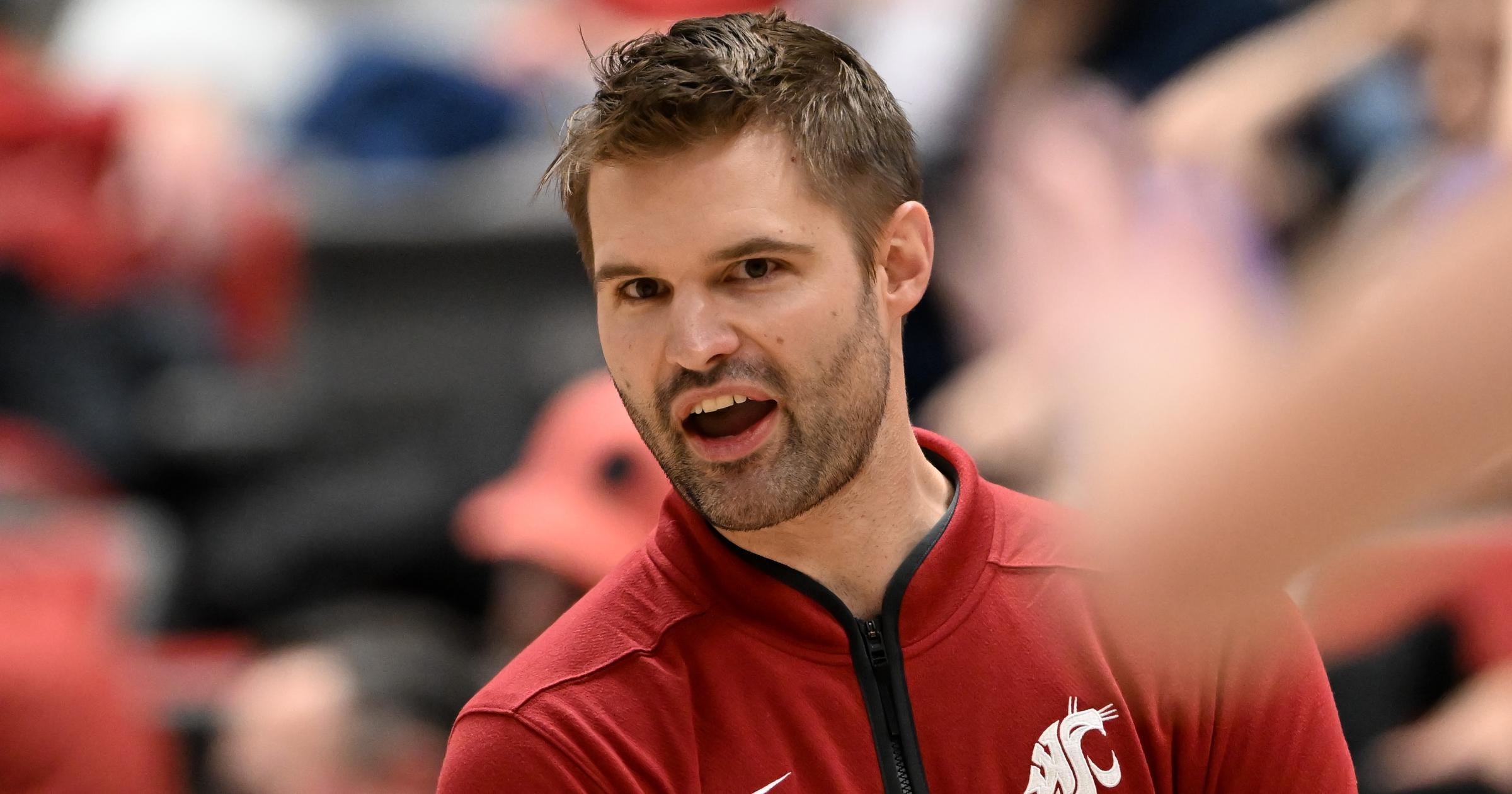
Riley's Third Year Brings 11 Road Games and a Jan. 3 Tip in Fresno
David Riley's third season is here, and the schedule is a doozy. Eleven nonconference games away from Pullman. That's the most since 1973-74, and it tells you exactly what athletic directors and coaches are dealing with in this new Pac-12. Money matters. You don't stack that many road games unless you have to. The conference slate starts Jan. 3 in Fresno. That feels weird, but it's real. And for the first time since 1917, there is no regular-season game against Washington. None. They'll play an exhibition in Seattle on Oct. 25, which is better than nothing, but it's not the same. There are bright spots. Gonzaga comes to Beasley on Jan. 6, a Wednesday during winter break. That's a weird time for a game, but it's still Gonzaga in Pullman. And the Cougs host Kirkland on Nov. 14, their first non-D-I opponent at home since 2015. That's a rarity worth noting. The middle of the schedule is a grind. Three of four on the road, including trips to Boise State, Colorado State, and Utah State. Then a brutal February stretch with Gonzaga and San Diego State on the road in the same week. That's a gut check. If you want a different kind of Cougar story, check out "For the Leaupepetele brothers, Sunday dinner looks a lot different now." It's a good reminder that the people around this program are as interesting as the scores. Go Cougs.
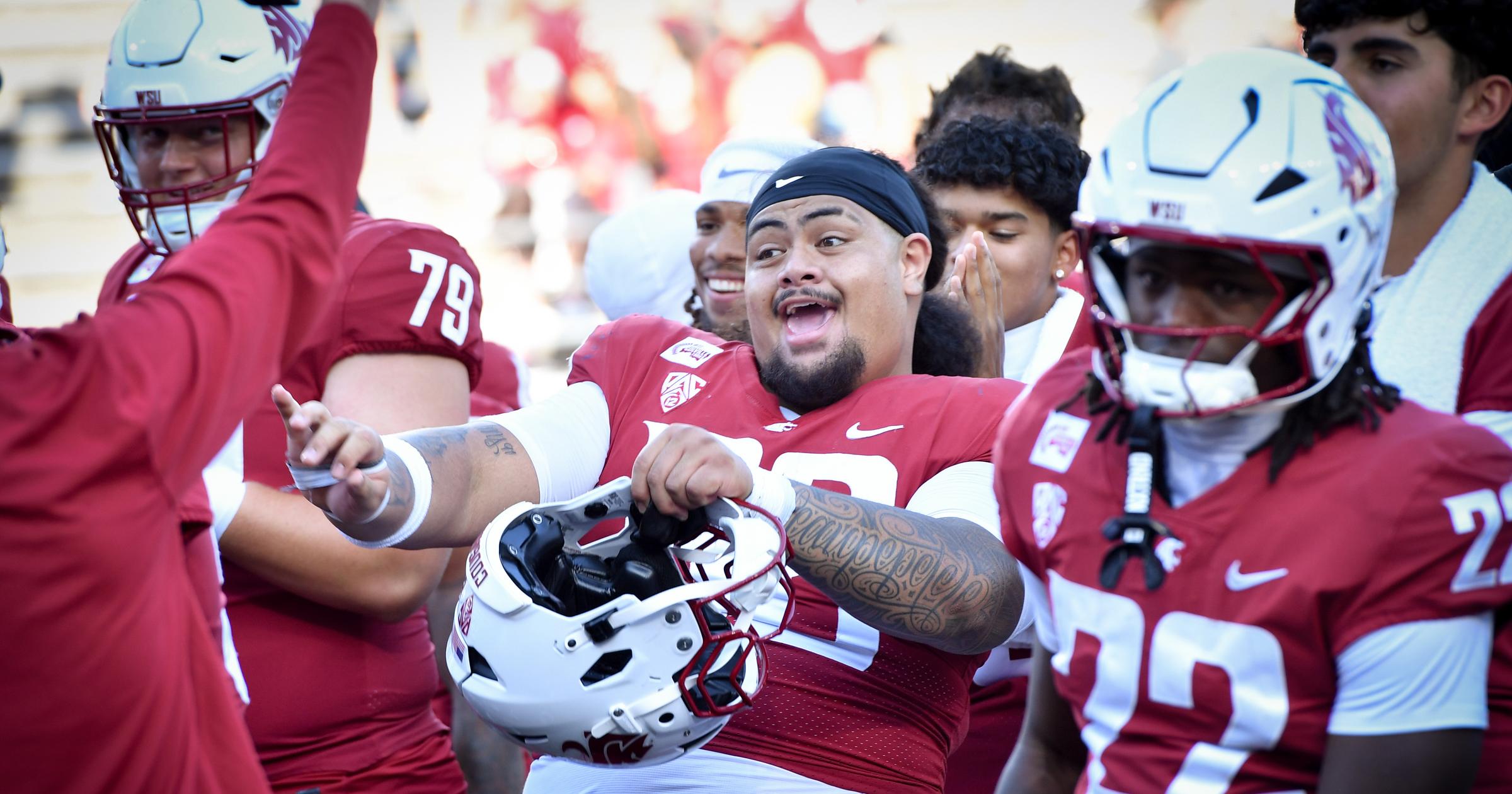
For the Leaupepetele brothers, Sunday dinner looks a lot different now
Jirah Leaupepetele called his brother Jonah this week, not to talk trash for once, but to fish for intel. Jonah, Fresno State's starting right guard, wasn't giving anything up. Fair enough. The problem? Jonah's listed as questionable and isn't expected to play Saturday when the Cougs host the Bulldogs. So the first-ever on-field matchup between these two brothers will have to wait. That doesn't mean this weekend is meaningless. Far from it. Their parents, Tony and Rhonda, are driving up from Apple Valley with the other five kids and a whole mess of grandparents, nieces, and nephews. Jirah made it clear what colors they better be wearing. The Leaupepetele family has earned this moment. Jirah transferred in from Eastern Washington and has become a force on the interior of WSU's defensive line, notching his first sack as a Coug last week against Arizona. Jonah earned the starting job at Fresno State as a redshirt freshman before the injury. Even if they don't line up across from each other, they'll share the same field. That's enough for a family that watched these boys grow up sharing a bedroom, one yelling at video games, the other trying to sleep. This is the kind of story that reminds you why Cougar football matters beyond the score. For more on how this weekend is shaping up, check out our piece on how the Cougs stared down the Dawgs and didn't flinch. Go Cougs.
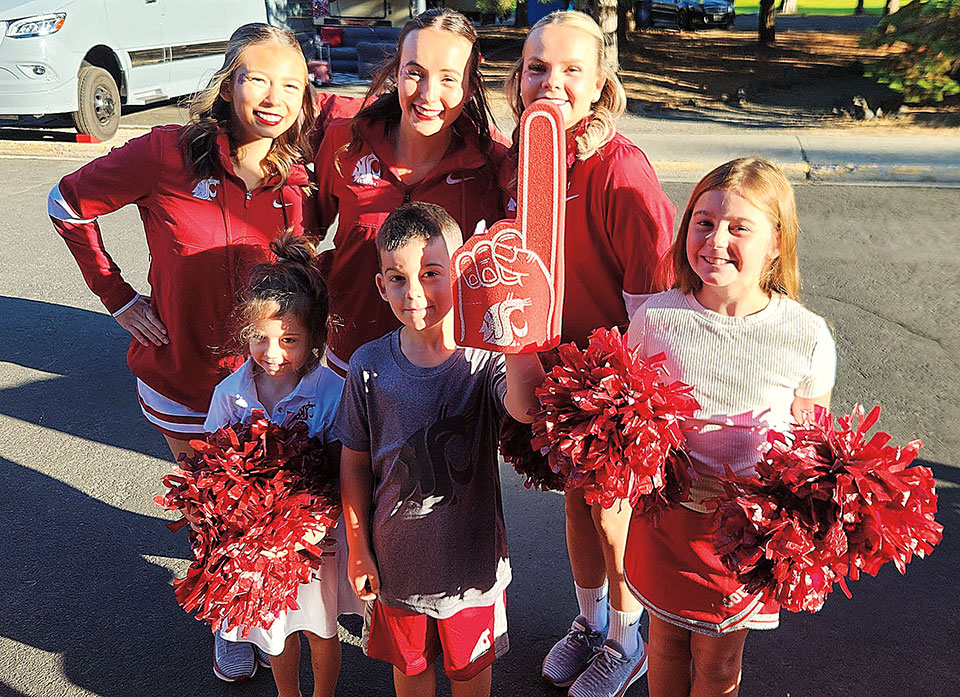
How Wazzu Alumni Turn a Pullman Return Into a Proper Tailgate
You roll into Pullman for a game, and within an hour you've seen three people you haven't talked to since graduation. That's the whole point. For Wazzu alumni, coming back isn't just about the scoreboard. It's about parking the car in the same dusty lot, cracking a can, and picking up a conversation that started five or ten years ago. The tailgate is the real reunion. There's a ritual to it. Someone brings the grill they bought at Dissmore's in 2014. Someone else shows up with a cooler full of something local. You stand in a circle, talk about the game, then talk about everything else. The town hasn't changed much, and neither has the feeling. That's what makes it work. We wrote about how Dean Khosla recently made the case that the land-grant mission still means something. That mission is part of Pullman's soul. When you come back for a tailgate, you're not just visiting a campus. You're standing on ground that was built for people to return to. The town stays small, the research stays big, and the people keep showing up. A proper Pullman return tailgate is simple. You bring food. You bring stories. You remember why you left, and why you keep coming back. Go Cougs.
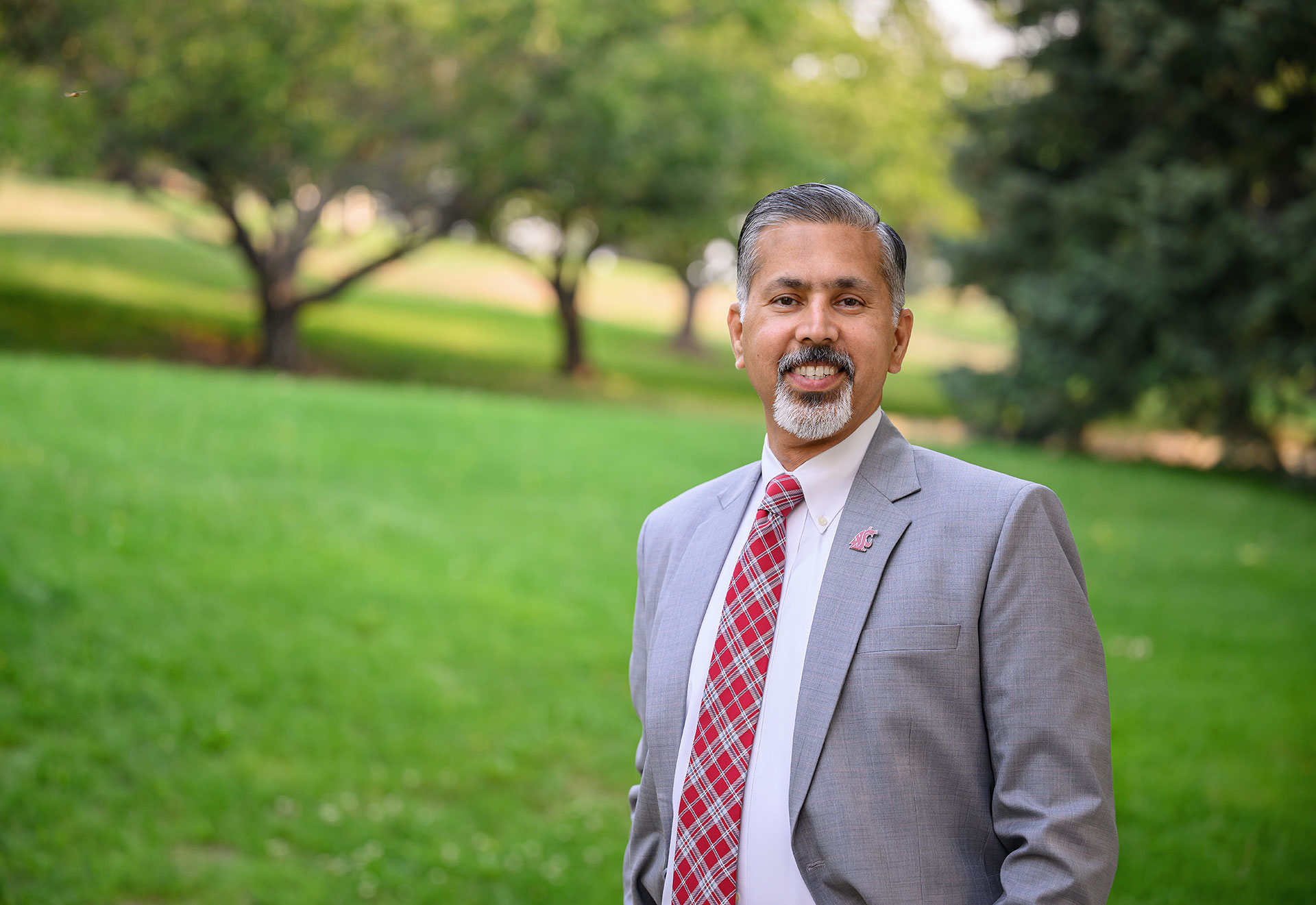
Dean Khosla Makes the Case That Land-Grant Still Means Something
Dean Khosla says the land-grant mission still means something. Not as a dusty plaque on a wall. As a real, working promise. The Cashup Davis Family Endowed Dean of WSU's College of Agricultural, Human, and Natural Resource Sciences wrote an essay making that case, and it lands hard because he's not selling nostalgia. He's talking about what a university owes the place it sits in. That matters here. Pullman isn't a backdrop. It's the point. When a dean of a college with "Agricultural" in its name says land-grant still counts, he's not defending history. He's drawing a line from the research plots to the dinner table to the rural clinic. We see that same thread in our piece on WSU taking health care into a Spokane elementary school hallway. It's not a theory. It's a hallway. Khosla's essay is worth your time because it doesn't pretend the work is easy or that the mission is finished. It just says it's still ours. That's a take you can text a friend in Seattle, Spokane, or wherever the Palouse wind blew you. Go Cougs.