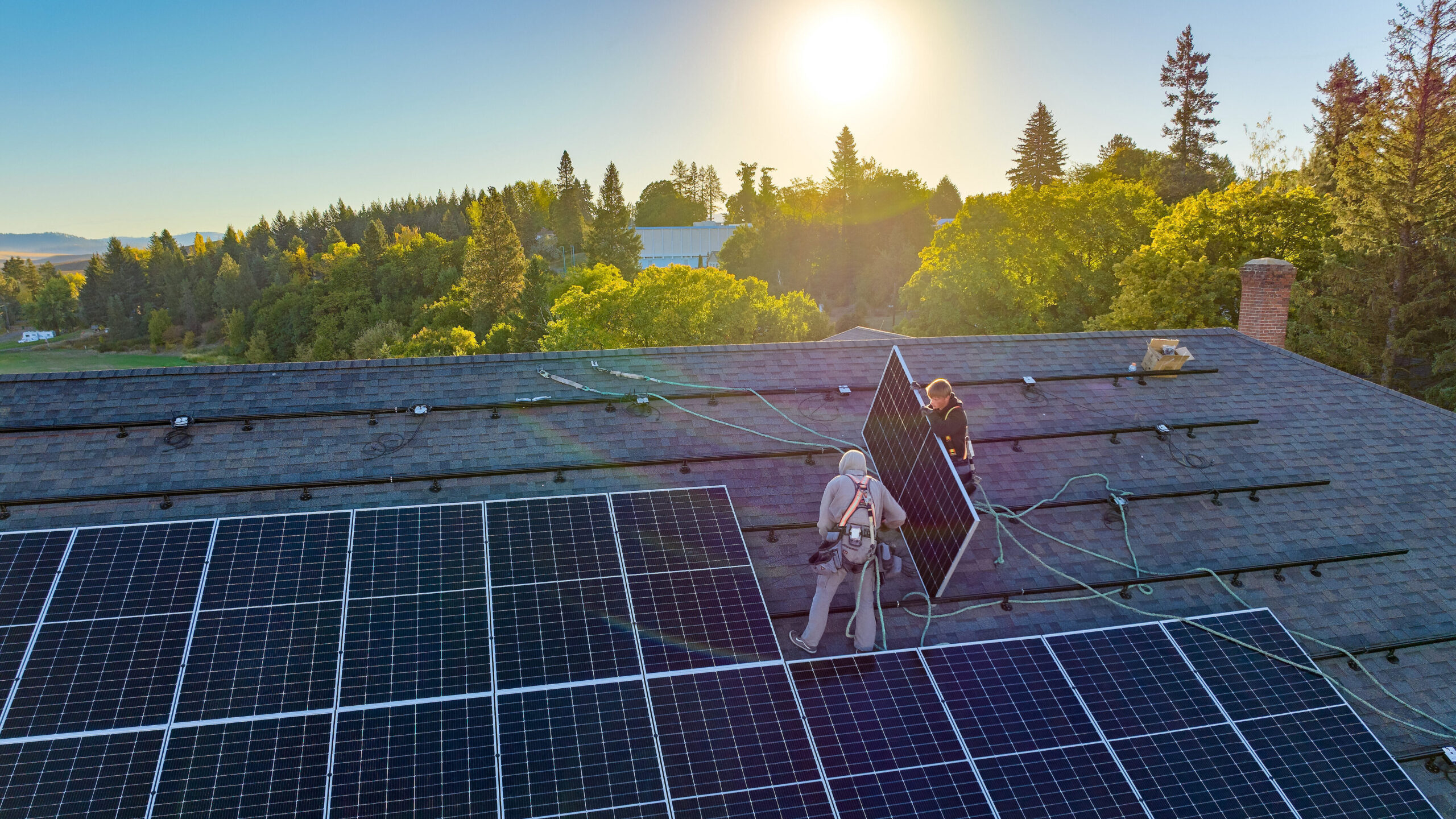
This solar-schools story is the kind of thing that makes you proud to be a Coug, even if the project isn't in Pullman. The idea that rural schools are swapping diesel for solar, cutting costs and cleaning up the air for the whole town, is exactly the kind of practical, community-first thinking that Washington State has been quietly perfecting for decades. It's not flashy. It's not a headline-grabbing moonshot. It's just smart people solving a real problem, and everyone breathes easier because of it.
That's the same muscle WSU has been flexing in other corners, and it's worth connecting the dots. While these rural schools are turning toward the sun, WSU's own energy brain trust is working on something older and newer at the same time. WSU's old reactor know-how is writing the next chapter is a reminder that the university has been a quiet powerhouse in nuclear research for years, and that expertise is suddenly relevant again. Meanwhile, the people making these projects work are often the ones who started with the most to prove. Nearly half the nursing students at WSU are first-gen and they're built different tells you that the university isn't just training professionals; it's lifting up families who bet on a kid with a dream. That grit is the same stuff that gets a solar panel installed in a town that could have just kept burning diesel.
Here's the take you can text a friend: rural schools going solar isn't just about the electric bill. It's about a town deciding it doesn't have to accept dirty air and high costs as the price of doing business. When a school district makes that call, the whole community feels it. Kids breathe cleaner air. The school budget loosens up. The local diesel supplier has to rethink its model. That's not a small shift. It's a structural change that compounds over a generation.
The question nobody is asking yet is how many of these towns are going to need the kind of workforce that WSU is already building. If you're a Coug who left Pullman but still follows the research, you know the university has been stacking expertise in energy systems, rural development, and the kind of hands-on engineering that doesn't require a PhD to deploy. The WSU Global Campus is ranked among the top online programs in the nation, which means a Coug in the middle of nowhere can get the training to install and maintain those solar arrays without ever leaving their hometown. That's the loop. That's the payoff. A rural school goes solar. A Coug learns to keep it running. The town breathes easier. Go Cougs.