economic impact
economic impact at Wazzu is a file of 2 stories. The newest of them: “What Cougs would pay extra for tires that don't kill coho salmon” and “The apple that changed Pullman's economy is finally in your grocery store”. Turns out the rubber hitting the road might be killing salmon, and Cougs are apparently willing to pay up to fix it. The Cosmic Crisp® didn't just show up in the produce aisle. The unofficial read for people who left Pullman and stayed Cougs. The list below is every economic impact story on Wazzu, newest first.

What Cougs would pay extra for tires that don't kill coho salmon
Turns out the rubber hitting the road might be killing salmon, and Cougs are apparently willing to pay up to fix it. A new study, with Washington State researchers in the mix, found that consumers would shell out about 10 percent more for tires labeled "salmon-safe." The problem is a preservative called 6PPD, which keeps tires from cracking. When it hits the pavement, it turns into something else, and that something else is lethal to coho salmon. Every time it rains, the runoff carries it straight into creeks. That is a direct hit for the Pacific Northwest, where we like our fish alive and our streams clean. The study asked people what they would pay. The answer was yes, just not a crazy amount. Ten percent feels about right for a product that does not poison the watershed. It is not a revolution, but it is a signal. If tire makers know we will pay, they have a reason to invest in a different formula. This is the kind of work that matters long after the final whistle blows. Speaking of things that stick, our story on "7,500 families later, WSU's forest lessons still stuck" shows how Cougs keep showing up for the land, too. Same impulse. Different dirt. Go Cougs.
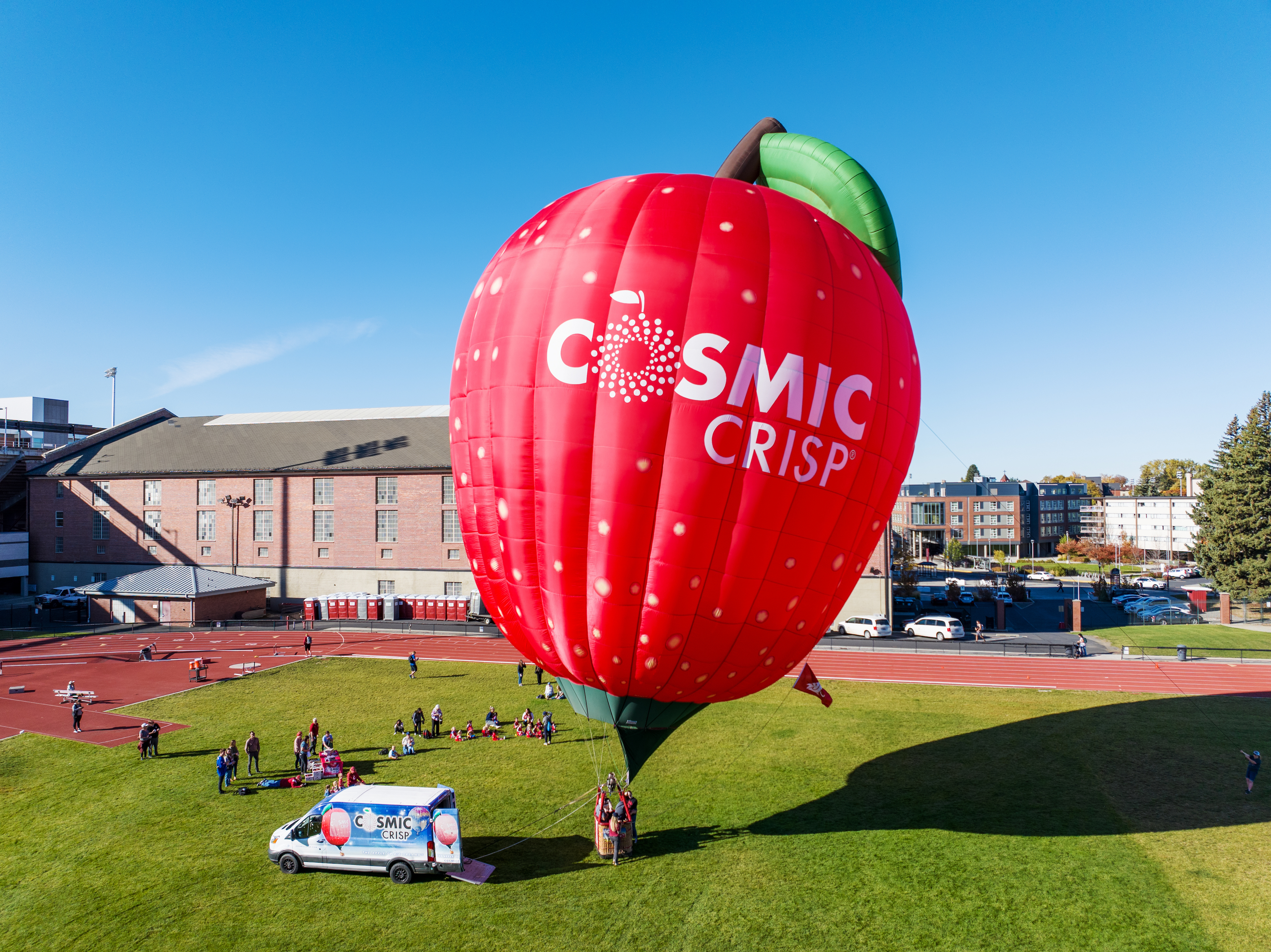
The apple that changed Pullman's economy is finally in your grocery store
The Cosmic Crisp® didn't just show up in the produce aisle. It took Washington State University researchers decades to get it there, and now the apple that helped change Pullman's economic fortunes is sitting in your grocery store like it's no big deal. It is a big deal. This is the apple that was literally bred to be the apple: firm, sweet, slow to brown, and built to last in storage without turning into sad mush by Thanksgiving. That kind of work doesn't happen by accident, and it doesn't happen without a land-grant university digging into the messy, unglamorous business of agriculture. Pullman has always been a farm town at heart, and the Cosmic Crisp is proof that the Palouse isn't just wheat fields and wind. It's where the future of the orchard industry got planted, one cross-pollination at a time. The economic impact is the part worth sitting up for. This isn't a novelty apple for fancy grocery stores. It's a crop that was designed to give Washington growers a new revenue stream, one that could compete with the big names and keep money flowing into the state's rural communities. You don't have to be a farmer to feel that. You just have to live here. It's the same kind of groundwork that built the state's wine industry, the one Cougs helped grow one vineyard at a time.