AI
Wazzu keeps AI in one place: 4 stories so far. The section currently leads with “Wazzu taps FanWord AI to tell more Coug stories”, “Coug researchers bet AI can crack the snowpack riddle for NW farms”, and “WSU puts AI to work on human health, no hype required”. Wazzu just made a smart bet on storytelling. Snowpack is a multibillion-dollar bet for Northwest farms, and WSU researchers are putting their chips on AI to finally crack the riddle. The unofficial read for people who left Pullman and stayed Cougs. The list below is every AI story on Wazzu, newest first.

Wazzu taps FanWord AI to tell more Coug stories
Wazzu just made a smart bet on storytelling. We've tapped FanWord AI to help us tell more Coug stories, more of the research coming out of Pullman, more of the faces behind the work, and more of the weird, wonderful moments that don't fit a game recap. This isn't about replacing the humans who write this desk. It's about giving them a tool to dig deeper without burning out. We know what you're thinking: another tech thing. Fair. But FanWord is built for exactly what we do here, pulling signal out of noise, keeping the voice sharp, and letting us cover WSU without stretching the truth or the staff. We've seen too many small-town outlets fade because they couldn't keep up with the volume. We're not doing that. If you've been following along with our Pac-12 power rankings, you know we don't sugarcoat the gap. We also don't quit. This move is part of that same instinct, find a way to keep the stories coming, even when the roster is thin. The boo birds at Gesa Field last week reminded us that Cougs hold this program to a high standard. We hold ourselves to one, too. More stories. More Pullman. More WSU. That's the point. Go Cougs.
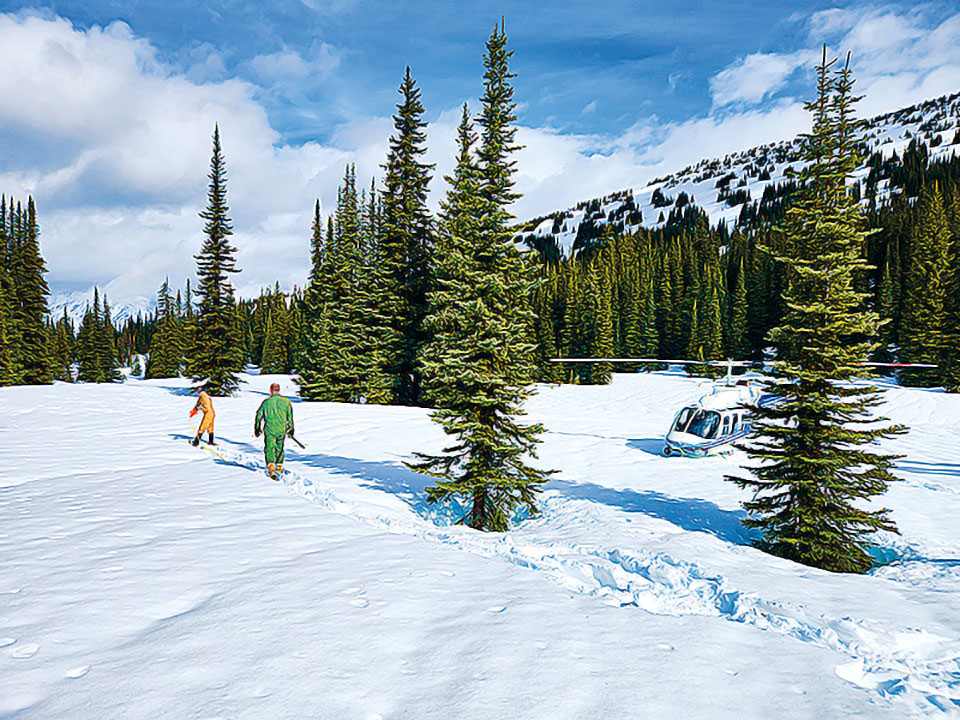
Coug researchers bet AI can crack the snowpack riddle for NW farms
Snowpack is a multibillion-dollar bet for Northwest farms, and WSU researchers are putting their chips on AI to finally crack the riddle. That's the headline, and it's the kind of work that makes you proud to be a Coug even when you're miles from the Palouse. Every spring, farmers across the region hold their breath waiting to see how much water will actually come down from the mountains. The stakes are enormous, irrigation, crops, entire livelihoods hang on a number that's notoriously hard to predict. Now a team of Coug scientists is training machine learning models on decades of snow data, hoping to give growers a reliable forecast instead of a prayer. It's not flashy work. There's no stadium roar. But this is exactly the kind of problem a land-grant university should be solving: real people, real water, real money. If you want to see another side of how WSU research digs into the hard stuff, check out our piece on how Coug researchers are taking on the nightmares PTSD leaves behind. Same institution, different kind of darkness. But both stories remind you why Pullman matters long after you've left. Go Cougs.
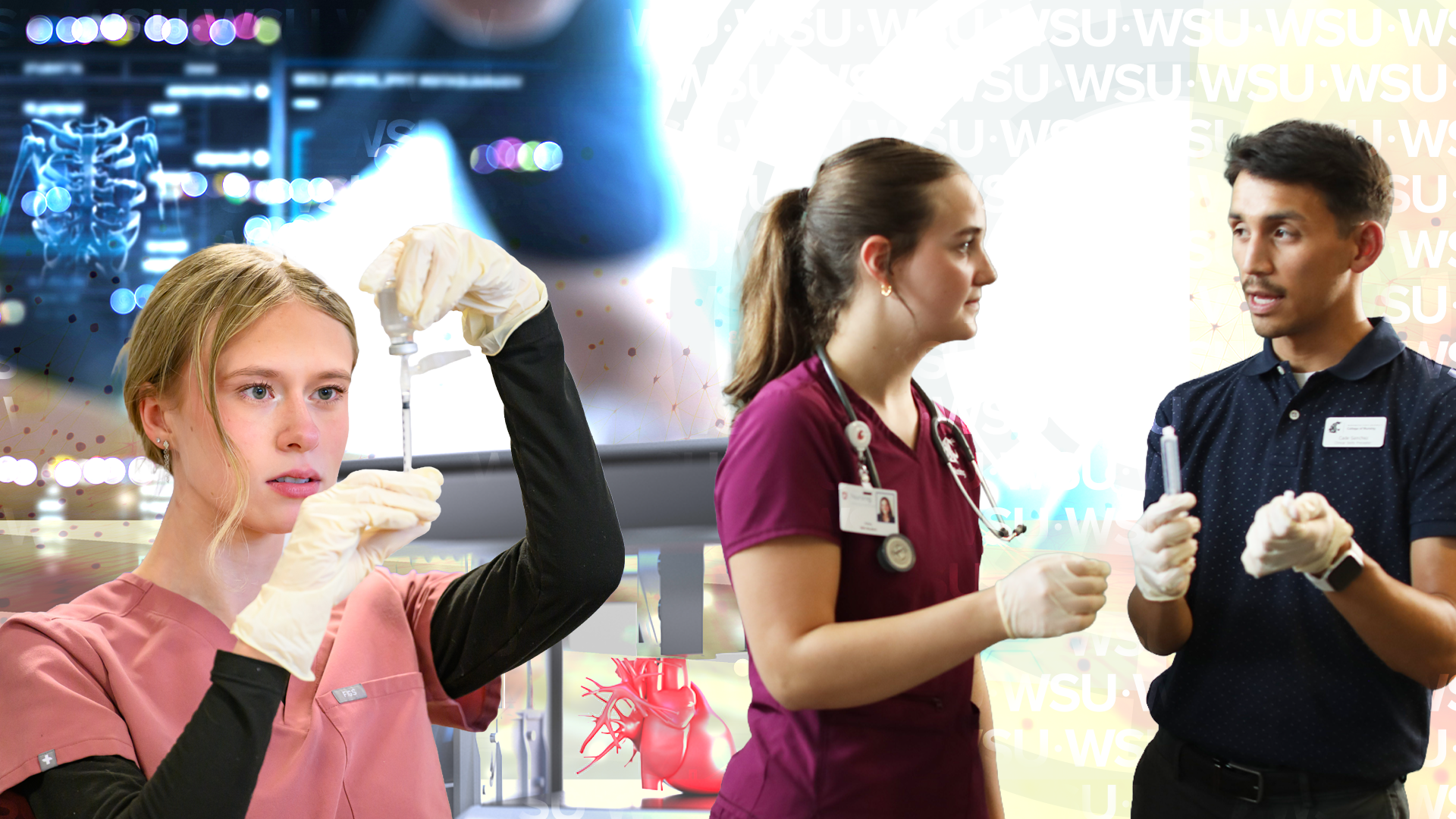
WSU puts AI to work on human health, no hype required
WSU just dropped a new AI project, and for once, nobody is trying to sell you a flying car. The university is putting artificial intelligence to work on human health, and the pitch is refreshingly simple: make people better, not just buzzwords. True to the land-grant mission, they're also aiming this tech at health equity and outreach. That means the same algorithms that can spot a disease pattern might also help a rural clinic reach patients who don't have broadband. That's Pullman thinking, solve the problem where it lives. We've seen this kind of grounded innovation before. If you read our piece on the Cosmic Crisp® apple, you know how one crop changed the economy around here. That same no-nonsense, Coug-built approach is alive in the AgWeatherNet system, where AI turns farm data into real action without needing a postcard sunrise to make it work. Now it's health's turn. No hype. Just WSU doing what it does: take a tool, point it at a real need, and let the results speak. This is the kind of story you text a friend who still brags about the Cougs. It's not flashy. It's useful. And it's ours. Go Cougs.
AI Scans the Wild in Days, Not Months, and Pullman Helped Build It
Wildlife cameras catch everything, a lynx slipping through a creek bed, a bear scratching a tree, a herd of elk moving at dusk. Then somebody has to sort through the thousands of photos. That used to take months. Now it takes days, and Pullman helped build the tool that made it happen. WSU researchers trained artificial intelligence to scan trail-camera images and identify species in a fraction of the time. That is not a small efficiency gain. It is the difference between a biologist getting a report before the snow melts or after the grant runs out. Faster data means faster decisions about habitat, migration, and fire recovery. The kind of work that actually keeps wild places wild. This is the same kind of applied thinking that shows up in our other coverage, like the Coug researchers betting AI can crack the snowpack riddle for Northwest farms. That story digs into how machine learning is taking on a multibillion-dollar question for agriculture. Same instinct. Different problem. Both built by people who know what happens when you wait too long for an answer. Pullman does not always get credit for the tech coming out of it. This one deserves some. A tool that speeds up conservation work by months? That is worth a text to a friend. Go Cougs.