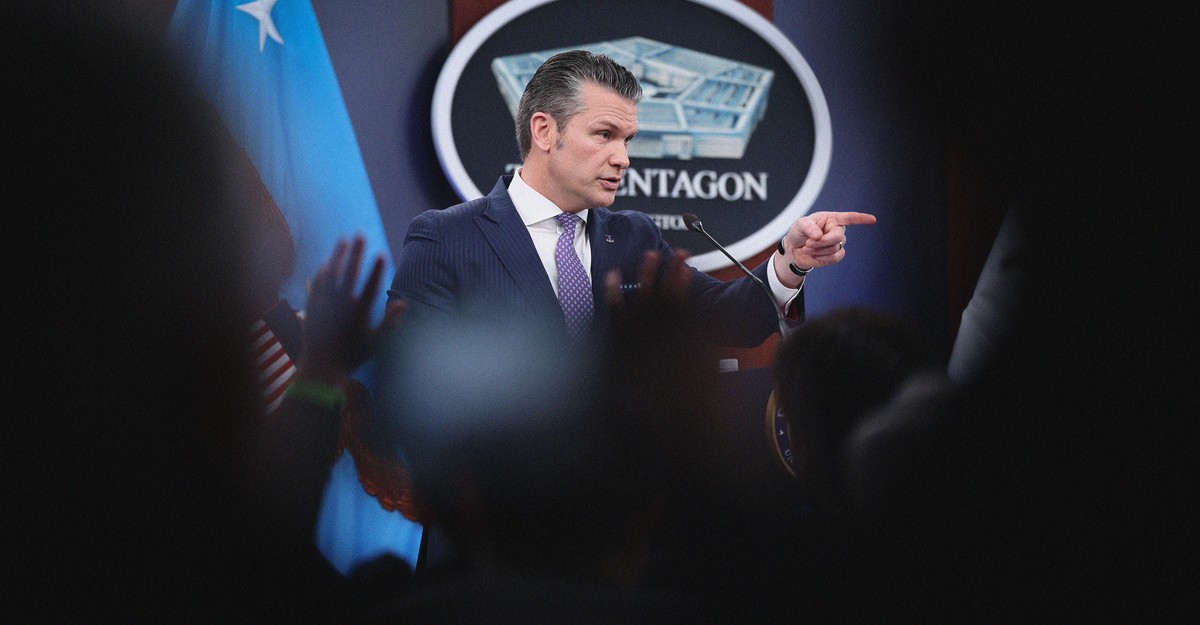
In a striking development amidst ongoing military conflict, Defense Secretary Pete Hegseth's decision to fire General Randy George marks a pivotal moment for the U.S. Army and its leadership. This move, combined with discussions around the potential departure of Army Secretary Dan Driscoll, signifies a profound shake-up within the military during a time of active warfare—one that could redefine the Army's strategic direction in the ongoing conflict with Iran. As outlined in our previous piece, Hegseth’s War on America’s Military, these personnel changes come with a heavy backdrop of political rivalry and a push for loyalty over traditional military competence.
The timing of this shake-up raises pressing concerns about the stability of military leadership at a time when operational clarity is paramount. With over 50,000 troops deployed and significant military assets in the Gulf region, the abrupt firing of a top officer such as George, who was expected to serve a full four-year term, introduces a layer of uncertainty that could affect troop morale and operational effectiveness. The Army's role in the conflict, which may expand beyond air and sea operations to include ground forces, necessitates strong and consistent leadership. The potential departure of Driscoll, given his ties to influential political figures, further complicates the narrative. If both leaders are replaced, the new appointees will need to quickly establish credibility and rapport with both military personnel and the political sphere.
Hegseth's track record of dismissing senior military officers, particularly those who support diversity initiatives or who previously served under a different administration, illustrates a broader trend of prioritizing ideological loyalty within military ranks. This approach raises questions about the implications for military strategy and effectiveness. Are we sacrificing the depth of experience and diverse perspectives that often lead to more robust decision-making? As military operations become more complex, particularly in a volatile region like the Middle East, the need for diverse viewpoints and experienced voices at the table is critical. The perception that dissent could lead to job loss creates a chilling effect that may stifle innovation and adaptability in a military that must remain agile.
Moreover, there is an increasing concern over the ramifications of such leadership changes on the long-term vision of U.S. military engagement abroad. Hegseth has touted recent military successes, yet the overarching strategy remains murky, with growing skepticism regarding the administration's objectives in Iran. In an environment where the stakes are high, and the global economic impact of military actions is felt far and wide, clarity in leadership and vision is essential. The potential for regime change in Iran, once a stated goal, now feels increasingly distant, highlighting the need for a coherent strategy that aligns military actions with broader diplomatic efforts.
As we move forward, the military community and American public alike will be watching closely. How will these leadership changes impact the Army's operational effectiveness and its ability to navigate the complexities of modern warfare? Will Hegseth continue to purge those who challenge his vision, or will a more balanced approach to leadership emerge? The answers to these questions are crucial, not just for the military, but for the broader implications of U.S. foreign policy in a rapidly changing world. The coming weeks could prove pivotal in shaping the Army's future and the U.S.'s standing on the global stage.