university
university at Wazzu is a file of 7 stories. The newest of them: “Hall of Fame Weekend Gets a Top-25 Test for the Cougs”, “Cougs test the legs against the nation's best in Wisconsin”, and “Cougs set the tone early with a solid Head of the Snake opener”. The Cougs are about to find out exactly where they stand, and they're doing it in front of a packed house of alumni. There's a certain kind of fun in finding out how far you can push yourself, and the Cougs are about to get a full lesson in that this weekend. The unofficial read for people who left Pullman and stayed Cougs. The list below is every university story on Wazzu, newest first.
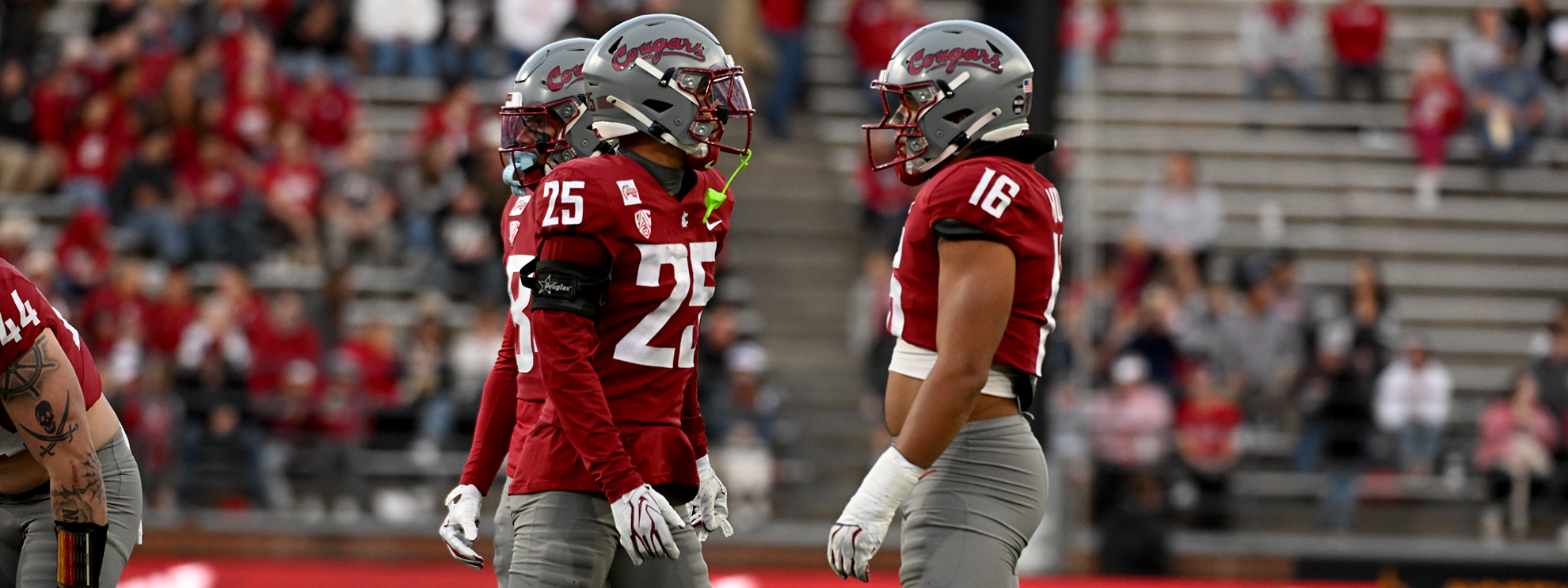
Hall of Fame Weekend Gets a Top-25 Test for the Cougs
The Cougs are about to find out exactly where they stand, and they're doing it in front of a packed house of alumni. Hall of Fame Weekend is already a special return to Pullman, but this year it comes with a top-25 test attached. That changes the feel of the whole thing. We know the women's team is sitting pretty at No. 13, still the top dog out West. If you missed that update, go find "Coug Women Hold Steady at No. 13, Still Top of the West" on the site. It pairs well with the weekend ahead. The men's side is the one with something to prove here. A ranked opponent coming to town during a weekend built for nostalgia? That is the kind of pressure that either breaks a team or shows you what it's made of. It is easy to get swept up in the pageantry of the Hall of Fame ceremonies. The stories, the faces, the memories. But the guys on the floor have to lock in and play their game, not the one the visitors want to play. A win here means more than a notch on the schedule. It says the program is back in the conversation. This is the kind of weekend that reminds you why you keep coming back to the Palouse. The town, the people, the big game under the lights. Go Cougs.
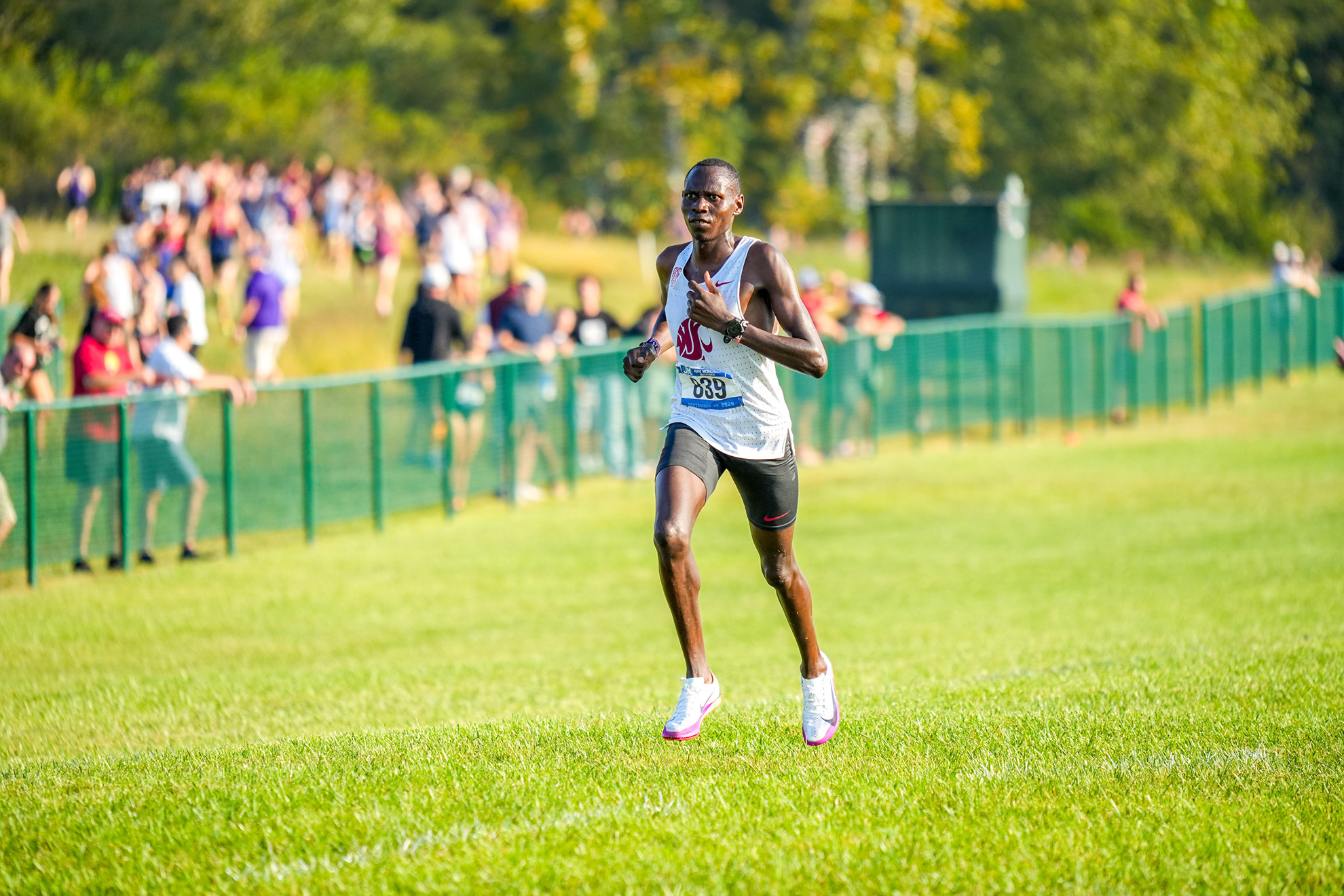
Cougs test the legs against the nation's best in Wisconsin
There's a certain kind of fun in finding out how far you can push yourself, and the Cougs are about to get a full lesson in that this weekend. Washington State heads to Wisconsin to test the legs against the nation's best, and it's exactly the kind of challenge that tells you what a team is made of before the season really settles in. Nobody is pretending this will be easy. The Badgers have a reputation for turning their home pool into a grind, and the Cougs are walking in with eyes open. But that's the point. You don't learn much from swimming against folks you already know you can beat. You learn when the water gets rough and the competition doesn't let up. This is a chance to see who steps up when the spotlight is brightest, and for a squad still finding its rhythm, that's valuable no matter what the scoreboard says. We've already seen flashes of what this group can do. The early work in the Head of the Snake opener set a solid tone, and the home pool slate started with a clean sweep against Seattle U, with Whitaker leading the way. Those results matter, but they were warm-ups. This is different. This is a measuring stick, and the Cougs aren't shying away from it. Win or lose, we'll know more about this team after this one. That's the fun part. Go Cougs.
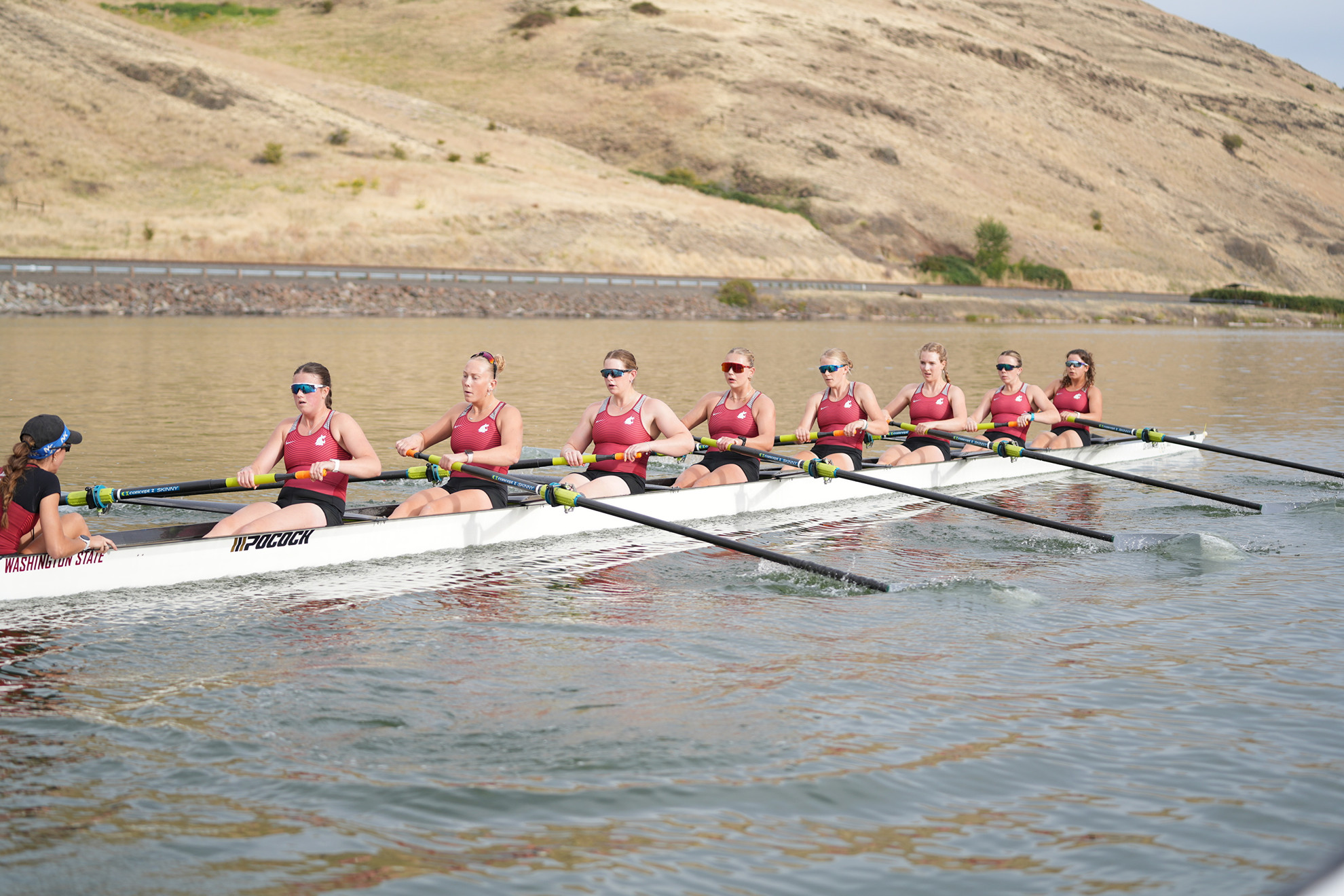
Cougs set the tone early with a solid Head of the Snake opener
The Head of the Snake opener isn't just a nice way to start a tournament. It's a statement. Cougs came out and set the tone early, which is exactly what you want when the matches stretch across multiple days and the margins get thin. You don't win these regionals in one afternoon. You win them by stacking good days, and starting with that kind of punch makes everyone else in the bracket take notice. It's the kind of start that carries weight. When you're grinding through day three and day four, that early momentum is what keeps the energy up. We've already seen the payoff in the singles wins and the three straight victories that followed. This group isn't just showing up. They're competing with purpose. And it's worth noting the other big news out of Pullman right now. The football team is making a change at quarterback, turning to Owen Eshelman after six games. Different sport, same idea: sometimes you need a spark to reset the tone. The tennis team found theirs on the court. The Cougs on the gridiron are hoping Eshelman provides that same jolt. For now, the racquets are doing the talking. A solid opener sets the table. The rest of the tournament is about keeping that foot on the gas. If they keep playing like this, the deep runs will take care of themselves. Go Cougs.

West Region's top spot finally belongs to our Cougar women
The West Region's top spot finally belongs to our Cougar women. That's not a headline we get to write every season, and it's one worth sitting with for a second. For a program that has spent years grinding in the shadow of bigger names and sunnier climates, this is the kind of win that changes how people talk about you. It's not just a ranking. It's a statement. You don't luck into being the best in the West. You earn it, match by match, point by point, often without the crowd noise or the primetime slot. These Cougars did the work when nobody was watching, and now they've got the region's attention. That's the kind of story that makes you proud to be a Coug, whether you're still in Pullman or reading this from a coffee shop two time zones away. If you want to see how this team builds on that momentum, check out our coverage of the soccer squad finding its rhythm against Fresno State. Different sport, same grit. Go Cougs.
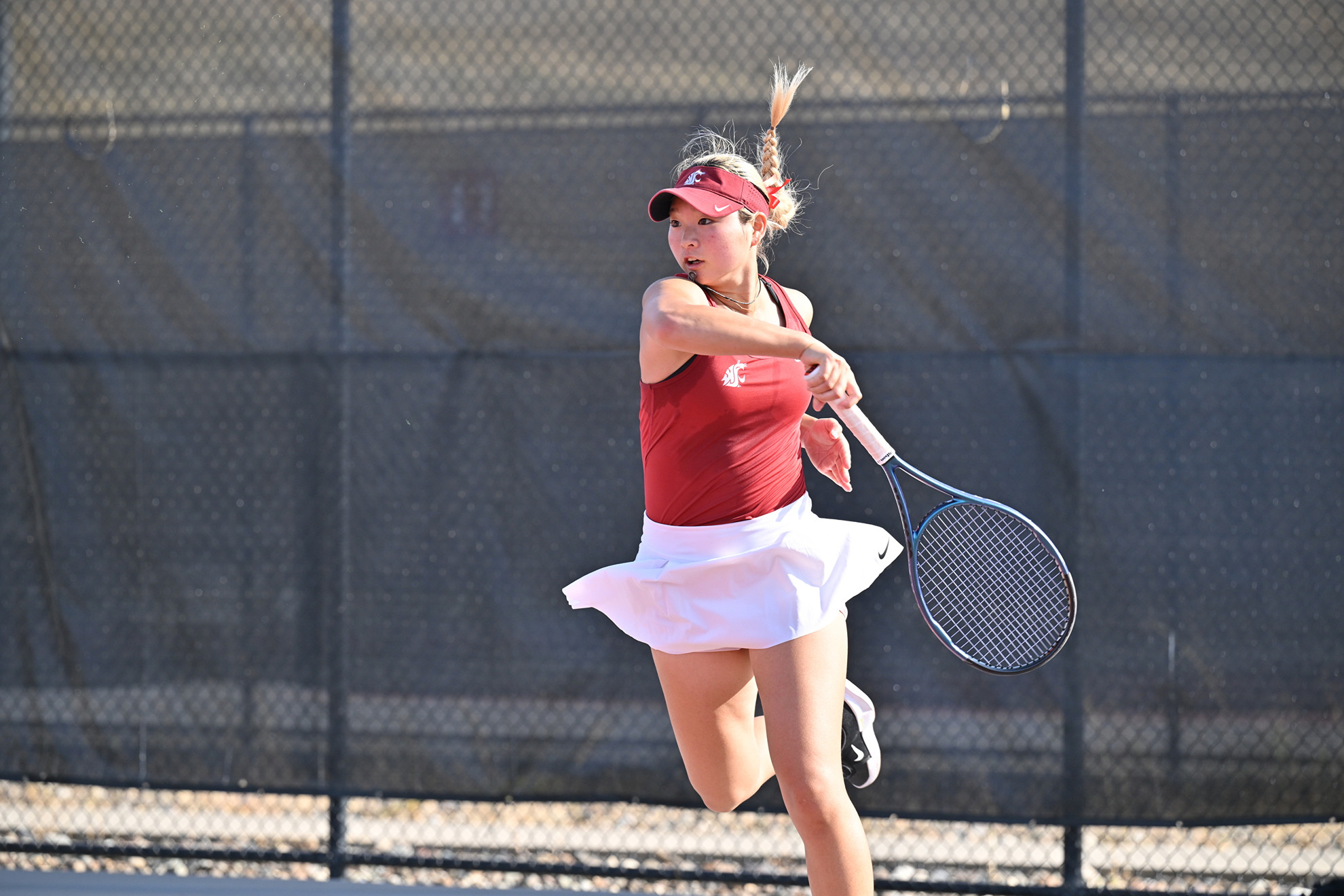
Coug doubles squad owns the Northwest Regionals, no qualifiers needed
The Cougar doubles squad rolled through the ITA Northwest Regionals without needing a single qualifier. That is not a typo. That is a statement. You don't stumble into that kind of weekend. You earn it. And this group did, match after match, leaving no doubt who the best team in the region was. No play-in rounds. No scrambling for a spot. Just straight-up owning the bracket from the first serve. This follows a pattern we have seen all fall. The Cougs gave Colorado State everything they could handle, just not a win earlier this season, and that fight carried over. They snuck into a tie for second out in Tacoma, and that'll play. But this regional title is different. It is clean. It is decisive. It is the kind of result that makes you wonder what happens when they get a full spring schedule in front of them. Pullman does not always get the headlines in tennis. That is fine. The Cougs do not need them. They just need a court, a ball, and a chance to prove it. They proved it this weekend. Go Cougs.
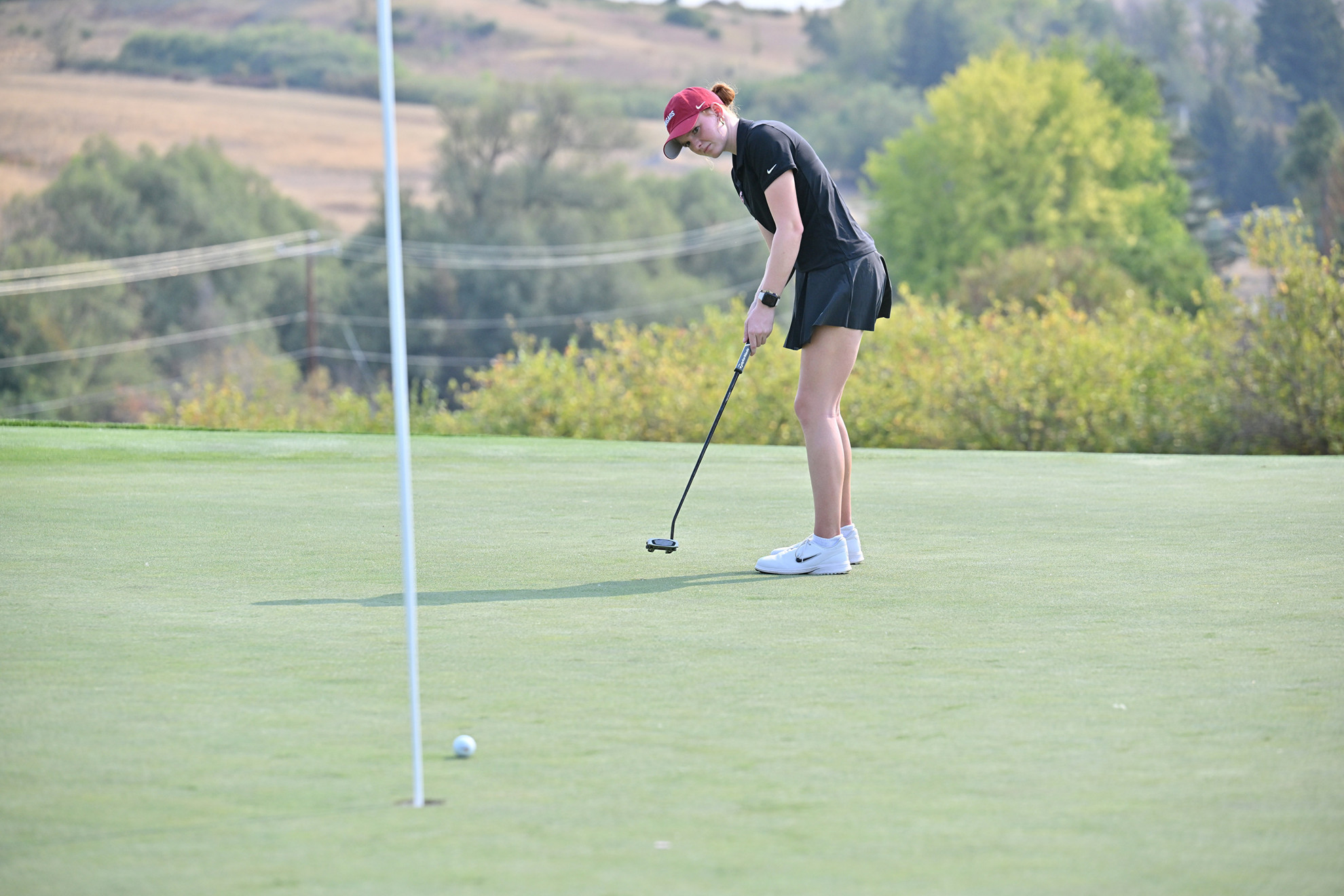
Cougar Women's Golf packs the clubs and heads to Wisconsin
The Cougar Women's Golf team is trading the Palouse for the Dairy State. They're packing up the clubs and heading to Wisconsin, which means we get to watch our golfers tee it up on a course that isn't fighting a wind advisory from the Snake River. Good for them. Good for us. You don't see a lot of Pullman teams making a Midwest swing in the middle of spring, but this squad has been quietly putting in work. Golf is one of those sports where you can be miles from campus, literally and figuratively, and still feel the Coug in the room. Or on the fairway. Whatever. We've been running a good stretch of coverage lately, and if you missed it, go find "Cougs on Deck: The 2026 Baseball Class Is Signed and Sealed." That one pairs nicely with this. Different sport, same kind of quiet confidence. No hype. Just Cougs showing up. For now, keep an eye on the scoreboard from Wisconsin. These women don't travel that far to sightsee. They're going to compete, and they're going to do it the way we do, steady, specific, and a little bit stubborn. Go Cougs.
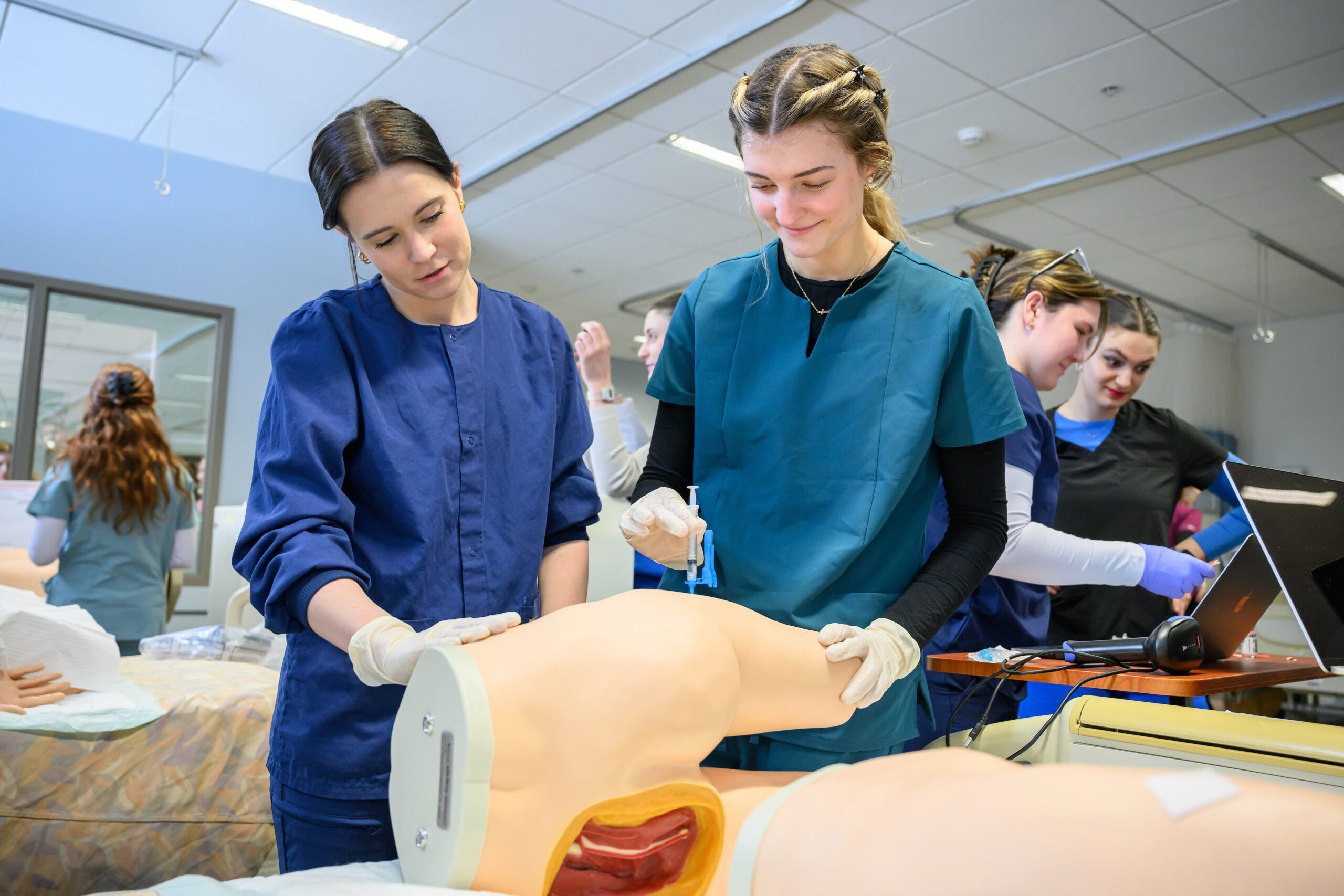
Nearly half the nursing students at WSU are first-gen and they're built different
Nearly half the nursing students at WSU are first-gen, and they're built different. That's not just a nice stat for a brochure. It means the College of Nursing now holds the highest percentage of first-generation students at the entire university. Think about that for a second. These are students walking into one of the toughest programs on campus without a parent who already knows the ropes. No one at home can tell them how to pick a clinical rotation or what to say in a lecture hall. They figure it out anyway. That kind of grit is pure Coug. It's the same stubbornness that gets a kid from a small town through organic chemistry at 8 a.m. and then back to a part-time job. WSU has always been a place where hard work matters more than where you came from, and this data proves it's still true. The university isn't just admitting first-gen students, it's graduating them as nurses. That matters in a state that needs more rural healthcare workers, and it matters in Pullman, where a lot of these students will stay and serve. If you want to see how WSU keeps showing up for people who show up for themselves, check out our story on the Global Campus rankings. Same mission, different zip code. Go Cougs.