safety
safety at Wazzu is a file of 3 stories. The newest of them: “Kirby Vorhees ran 98 yards. His coach saw it coming”, “Wazzu Study: Sensitivity Is About Social Threat, Not Just Loud Noises”, and “Second-half snaps tell the story of WSU's defensive breakdowns”. Kirby Vorhees ran 98 yards, and the wild part is even he didn't think he'd make it. A new WSU study found that being a Highly Sensitive Person isn't really about flinching at loud noises or complaining about the office thermostat. The unofficial read for people who left Pullman and stayed Cougs. The list below is every safety story on Wazzu, newest first.
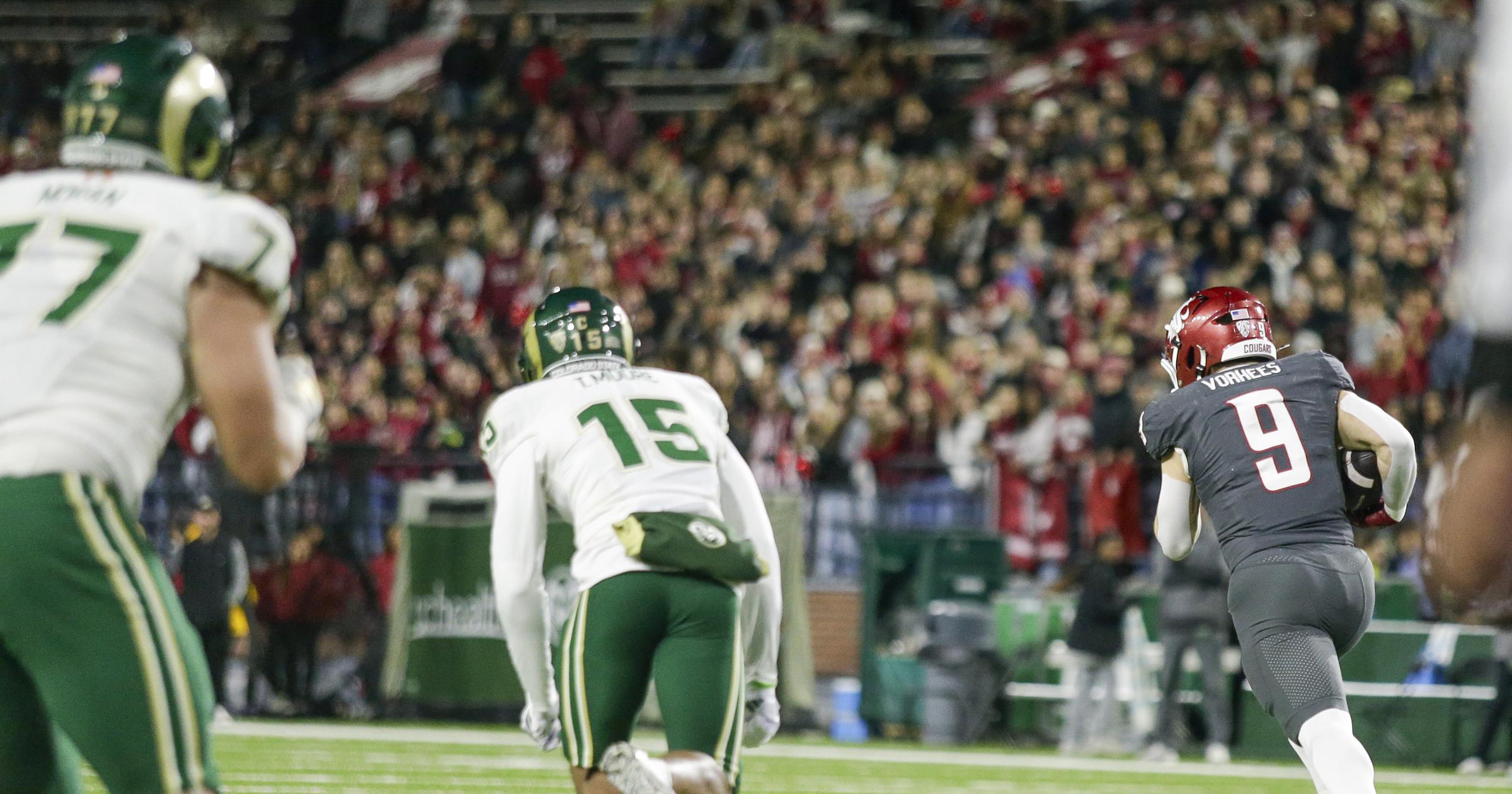
Kirby Vorhees ran 98 yards. His coach saw it coming
Kirby Vorhees ran 98 yards, and the wild part is even he didn't think he'd make it. Backed up at his own 2-yard line against Colorado State, the Cougs' redshirt junior running back remembered last year's gut-punch safety at Virginia. He learned from it. His coach Justin Green told him to slow down and let everything cross his face. When the safety took a bad angle, Vorhees saw green grass and took off. He said he felt slow out there. By the 50, he was huffing and puffing, sneaking a look back to make sure the mike backer wasn't catching him. He wasn't. The result was the longest rush in college football this season, the longest in WSU history, and the longest in Pac-12 history, old and new. It helped the Cougs pile up 535 rushing yards, also a program record. That's a lot of history for a guy who tumbled into the end zone like he wasn't sure how to stop. This was the same WSU group averaging under 50 rushing yards per game from its tailbacks. Abandoning the run didn't seem crazy. Instead, they torched a Rams defense on pace to be historically bad. Vorhees finished with 197 yards and four scores. Fellow back Maxwell Woods had a day too, and quarterback Owen Eshelman threw for four total touchdowns. The whole offensive line was 50 yards behind Vorhees, celebrating on the logo.

Wazzu Study: Sensitivity Is About Social Threat, Not Just Loud Noises
A new WSU study found that being a Highly Sensitive Person isn't really about flinching at loud noises or complaining about the office thermostat. It's about social threat. Researchers discovered that HSPs react more to perceived judgment, rejection, or social cues than they do to physical conditions like heat, cold, or air quality. That tracks for anyone who's ever replayed a conversation in their head for three days while sitting in a perfectly comfortable room. The study shifts the focus from the environment to the people in it, which feels right. It's not that the lights are too bright; it's that someone might be mad at you. That's a useful distinction for anyone who's ever been called "too sensitive" and wondered if it meant their ears were too good or their feelings were too close to the surface. Turns out the science is on the side of the feelings. If you want to read more about how WSU researchers are looking at human behavior in unexpected ways, check out our related piece on how employees react when AI threatens their jobs. It's a different kind of threat response, but it's the same brain trying to protect itself. Go Cougs.
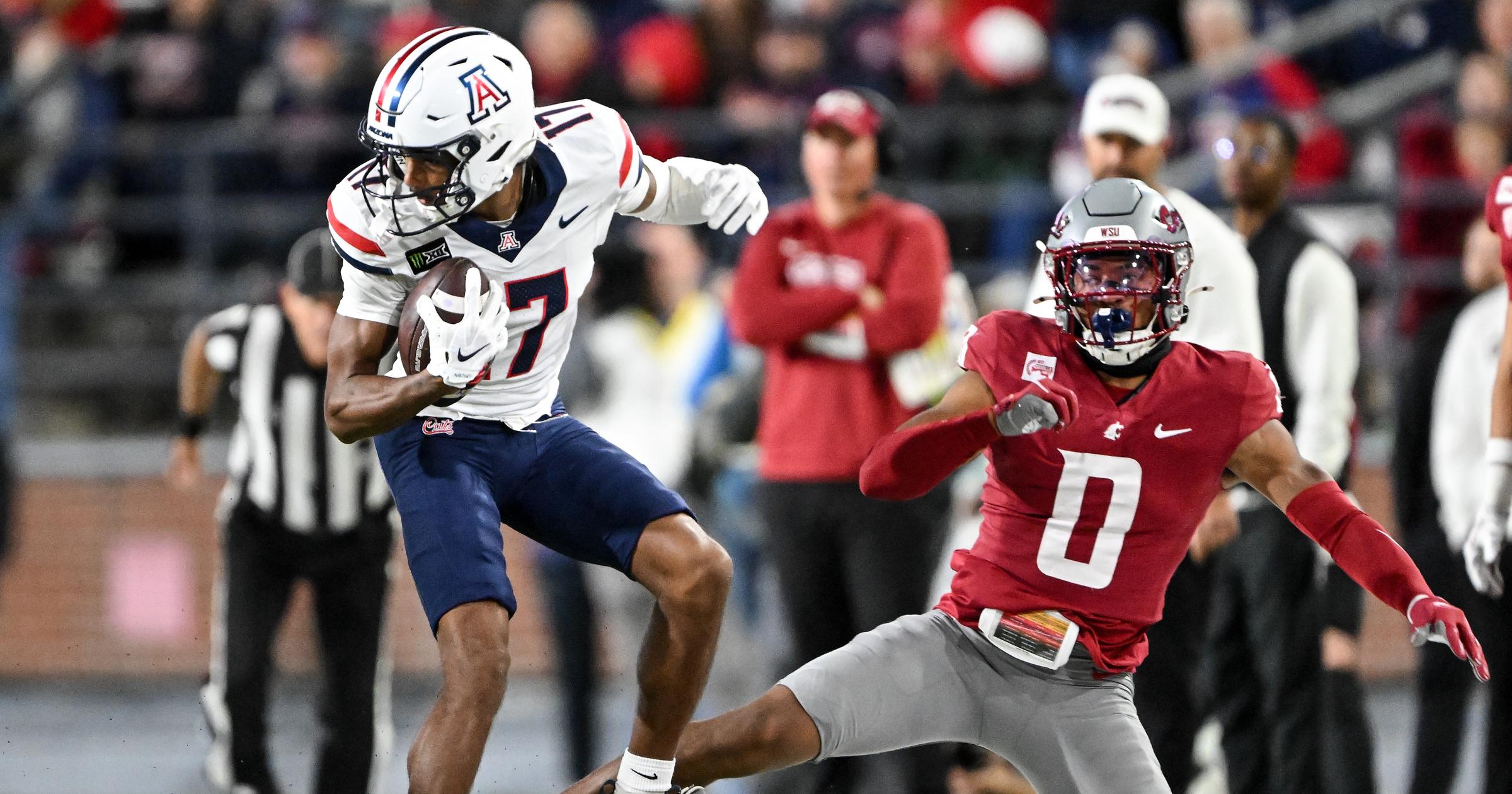
Second-half snaps tell the story of WSU's defensive breakdowns
Keith Brown had to ask the score at halftime. That tells you everything about how Saturday went for the Cougs' defense. The sixth-year linebacker wasn't being cute, WSU had just taken a three-point lead into the break, but Brown was so locked into his own series that he'd lost track of the game. You don't hear that kind of tunnel vision from guys on losing teams very often. But here's the thing: the defense is playing too much, and it's starting to show in the fourth quarter. The numbers are brutal. WSU's giving up 4.3 points in the first quarter, that's top-half of the country. By the fourth? They're allowing 11.3, which is 123rd nationally. That's not a coincidence. That's what happens when your offense keeps handing the ball back. Seven turnovers in four games, and your defenders are racking up 60, 70 snaps a night. Khamari Terrell played 72 against Arizona. Brown logged 69. Those dudes are gassed by the time the game matters. Kirby Moore says it's about complementary football, and he's right. The front can't rush if they're spent, and the back end can't cover if the rush never gets home. The solution isn't just playing more guys, they're thin at key spots, with injuries stacking up. It's about the offense holding onto the ball. That's the real fix, and it's a big reason Saturday's game against Fresno State feels like a fork in the road.