artificial intelligence
Wazzu keeps artificial intelligence in one place: 3 stories so far. The section currently leads with “WSU's corn fields got smarter, and the AI didn't even need a Palouse sunrise”, “WSU study finds the right tone makes AI fact-checks actually stick”, and “Cantwell on AI: WSU's job is making it useful, not just flashy”. There's something almost poetic about a corn field that doesn't need a perfect Palouse sunrise to do its job. Not everyone wants a robot to talk to them like a robot. The unofficial read for people who left Pullman and stayed Cougs. The list below is every artificial intelligence story on Wazzu, newest first.

WSU's corn fields got smarter, and the AI didn't even need a Palouse sunrise
There's something almost poetic about a corn field that doesn't need a perfect Palouse sunrise to do its job. Washington State's AgWeatherNet has been out there quietly collecting data, and now the AI is taking that information and turning it into something farmers and ranchers can actually use. Automation, insights, better decisions, all coming out of the same ground we walked on. That's the part that gets me. This isn't some far-off tech hub story. This is WSU doing what WSU does: solving real problems for real people who work the land. The system has been around, feeding weather data into the machine, but now the machine is smart enough to talk back. It's not just telling you it's dry; it's helping you figure out what to do about it. You don't have to be a farmer to appreciate that. You just have to know how hard that work is, and how much a little foresight can save a season. The fact that this is coming out of Pullman, from the same university that taught us to think critically and show up early, makes it feel like home. It's easy to get caught up in scores and Saturdays. But this is the other side of Wazzu, the part that doesn't make the highlight reel but keeps the lights on. Smart corn, smarter systems, and a university that refuses to stay in the lab when it can help the field. Go Cougs.

WSU study finds the right tone makes AI fact-checks actually stick
Not everyone wants a robot to talk to them like a robot. WSU just proved it with a study on AI fact-checks. Turns out, the tone matters as much as the truth. Some people want neutral, no-nonsense corrections. Others need a little empathy before they'll actually listen. That's not soft stuff, that's strategy. If you're trying to correct bad info, the delivery is half the battle. WSU researchers found that matching the tone to the person makes the fact-check stick. Neutral for the logic-first crowd. Empathetic for the folks who need to feel heard before they'll reconsider. It's obvious when you think about it, but it's the kind of obvious that nobody bothered to prove until now. This is classic WSU work. Practical. Grounded. Not chasing headlines, just solving real problems. It fits right alongside the kind of research we've been covering, like that study on Tanzanian dogs staying safer with a smarter shot schedule. Different subject, same ethos: test the assumption, prove what works, and put it to use. The takeaway here is simple. Facts alone don't change minds. The right tone does. Go Cougs.
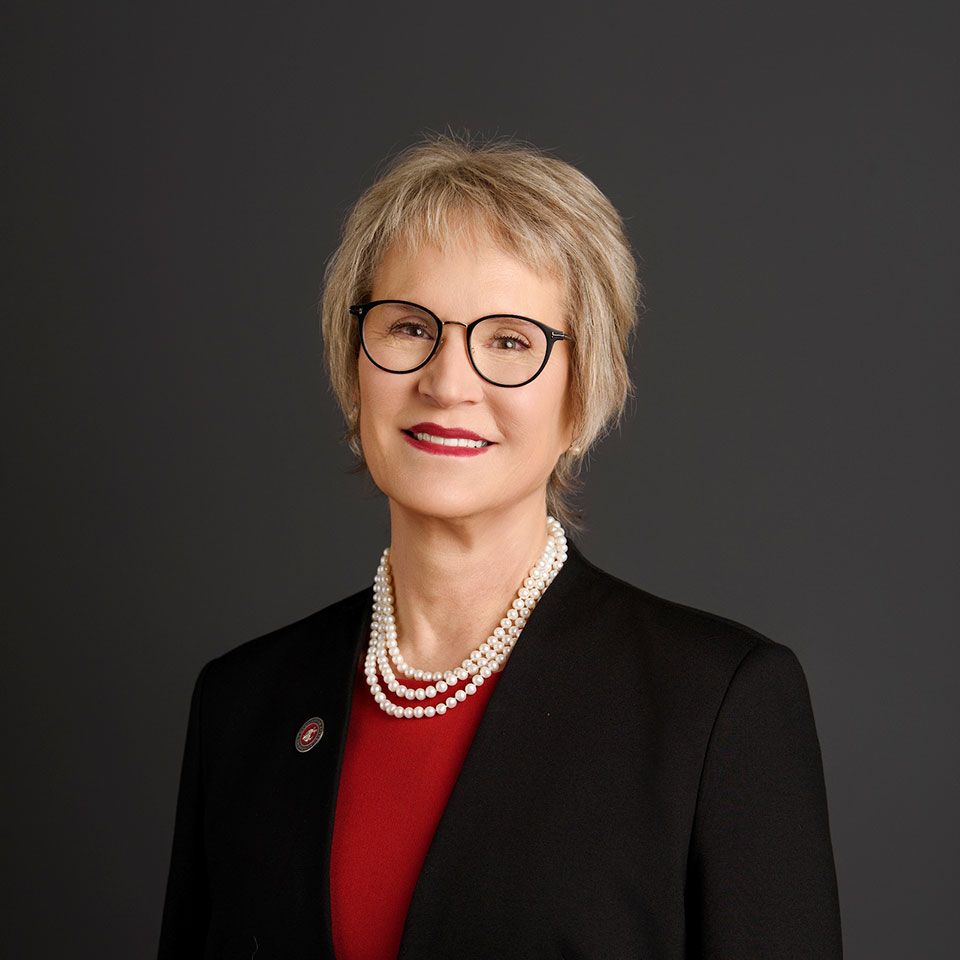
Cantwell on AI: WSU's job is making it useful, not just flashy
Betsy Cantwell walked into the AI conversation and did what a Coug president should do: she asked what it's actually for. While the rest of the world chases the flashiest demo or the biggest headline, Cantwell says WSU's job is making artificial intelligence useful. Not impressive. Useful. That distinction matters, and it sounds like Pullman. She's talking about AI that serves the people who grow our food, treat our patients, and teach our kids. Not another chatbot that writes poetry. This is the kind of thinking that keeps a land-grant university honest. You don't need a billion-dollar lab to ask the right question: does this thing work for the people who need it most? Cantwell seems to think the answer starts with application, not hype. It fits neatly alongside the kind of work we see around here. Take the new WSU study on cannabis ads and how they shape what young adults think about sex. That's not flashy either. It's a researcher looking at a real thing in the real world and telling us what it means. That's the same muscle Cantwell is flexing. We don't need to pretend WSU is Stanford. We never have. What we need is a president who knows the difference between a demo and a difference. Go Cougs.