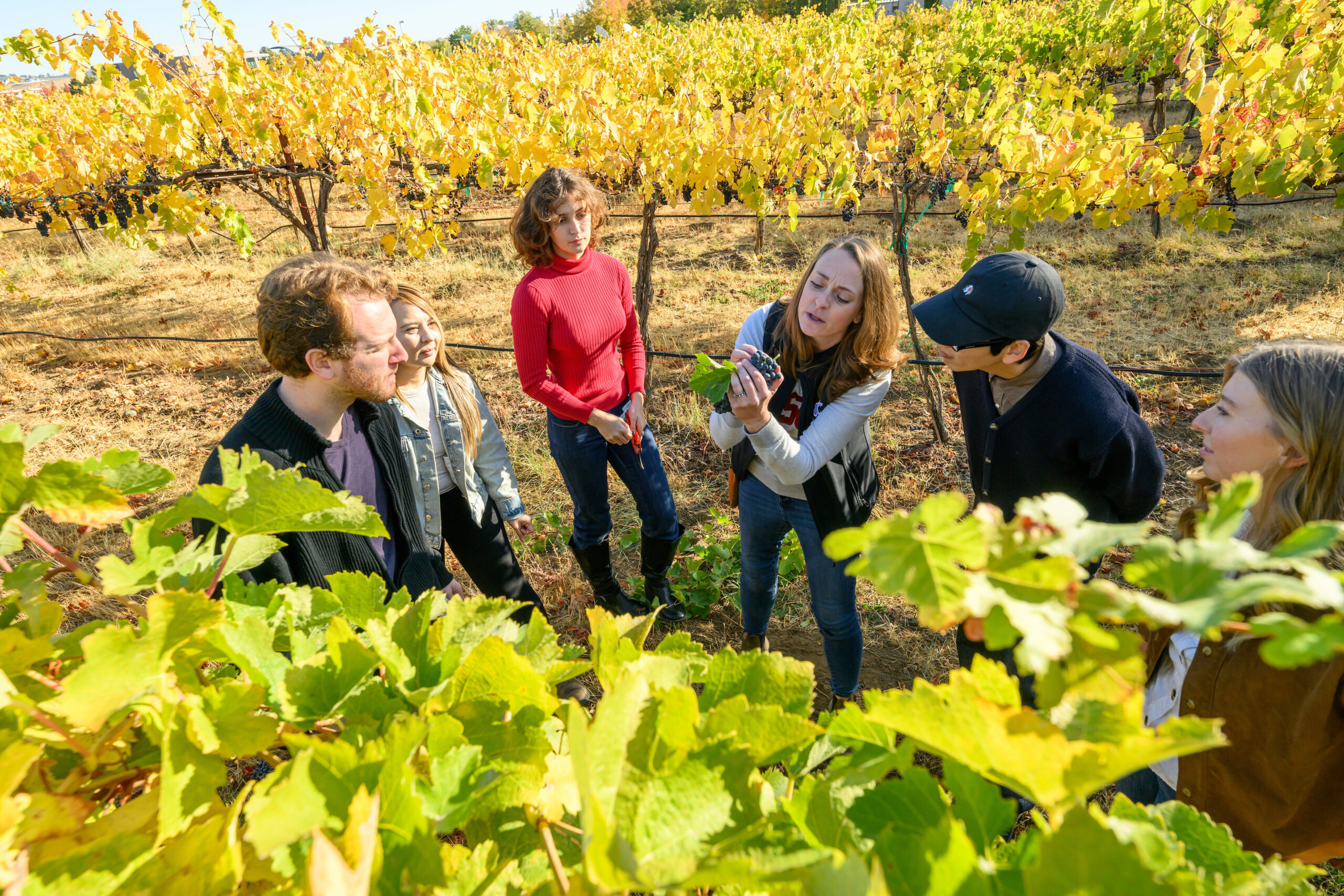
The Washington State University (WSU) partnership with local growers and producers has been a cornerstone of the state's burgeoning wine industry, which has become an economic powerhouse. This collaboration not only supports local economies but also enhances WSU's reputation as a leader in agricultural education and research. As we explore the nuances of the Washington wine landscape, it’s essential to recognize the broader implications of this development for both the community and the student body. The growth of this industry underscores the importance of agricultural innovation, a topic echoed in our coverage of other local achievements, such as the Washington Huskies women finish in top 10 at NCAA rowing championships and WSU baseball stuns No. 7 Oregon State in NCAA tournament opener. Both stories highlight the collaborative spirit and competitive drive that are so integral to WSU's community.
The success of the Washington wine industry is a testament to the rich agricultural heritage of the region, shaped by a combination of ideal climate, soil conditions, and a commitment to sustainable practices. WSU’s role in this narrative is significant, as the university has been at the forefront of research and education in viticulture and enology. By working closely with local producers, WSU not only provides valuable insights into the science of winemaking but also creates opportunities for students to engage in hands-on learning. This symbiotic relationship enriches the educational experience and prepares students for successful careers in an industry that is growing rapidly and demands innovative thinking.
Moreover, the impact of this thriving wine industry extends beyond economics; it fosters a sense of community and belonging among Cougs and local residents alike. The wine culture promotes gatherings, celebrations, and the sharing of resources, which resonate with the values of belonging and connection that are vital to the WSU student experience. As students partake in local wine-tasting events or learn about the industry through their coursework, they become part of a larger narrative that emphasizes the importance of community-first initiatives. Such experiences not only enhance their understanding of the local economy but also encourage them to see themselves as contributors to the region's growth.
Looking ahead, the question arises: how will WSU continue to adapt its programs to meet the evolving needs of the wine industry? As consumer preferences shift and sustainability becomes an increasingly pressing concern, there is a clear opportunity for WSU to lead the way in innovative agricultural practices. The university’s commitment to research and collaboration positions it perfectly to address these challenges and ensure that Washington wine remains a competitive force on the national and international stage.
In conclusion, WSU's collaboration with local growers is not merely about producing quality wine; it’s about fostering a vibrant community that values growth, education, and sustainable practices. As we celebrate the achievements of the Washington wine industry, let’s remain engaged and curious about how these developments will unfold and shape the future of our local economy. Our collective involvement in this narrative is what makes our Coug community strong, and it’s an exciting time to be a part of it.