It doesn't take a recruiting analyst to know that signing day in Pullman hits different when the ink is still wet on a 2027 roster. Two new Cougs put pens to paper, and our take is straightforward: this is how you build a program that lasts past a single season. Not with splashy one-year rentals, but with kids who chose the Palouse before they had to.
We've watched this team dig deep in the clutch. We saw them Cougs dig deep, take down Beavers in four gritty sets and survive a late scare against Southern Utah when the game got tight. That kind of grit isn't born in a fall camp. It's planted years before, when a recruit decides that Pullman is worth the trip. These two signings are the roots of that. They're not here to fill a depth chart for a year. They're here to grow into the kind of players who take a punch from the Beavers and punch back.
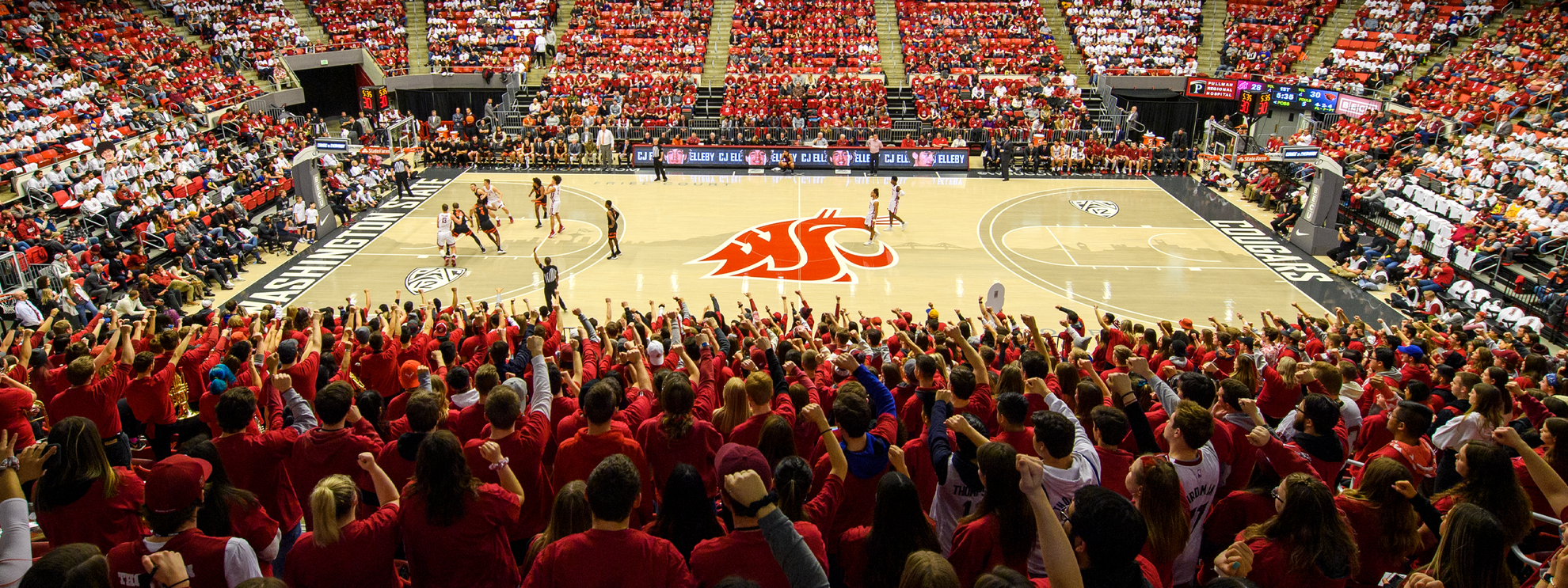
What matters now is what happens between the signing and the first snap. We've all watched talented kids show up, feel the wind off the wheat fields, and realize Pullman isn't for everyone. That's fine. It's a filter, not a flaw. But these two? They committed early to the 2027 class. That means they saw something in the program that the rankings don't capture. Maybe it was Beasley on a Tuesday night when the Dawgs are in town, the kind of atmosphere that Tuesday night in Beasley: 107th date with the Dawgs describes better than any brochure. That crowd noise is a recruiting pitch no coach can write.
Here's the specific takeaway: these signings tell us the staff is planning for a future that includes the players already in the room. You don't lock down a 2027 commit unless you believe your current culture is strong enough to sell itself. That's a bet on the locker room, not just the recruiting board. So the question isn't whether these two can play. It's whether the team they join in two years will still play the kind of ball that made them want to sign in the first place. That answer starts now. Go Cougs.