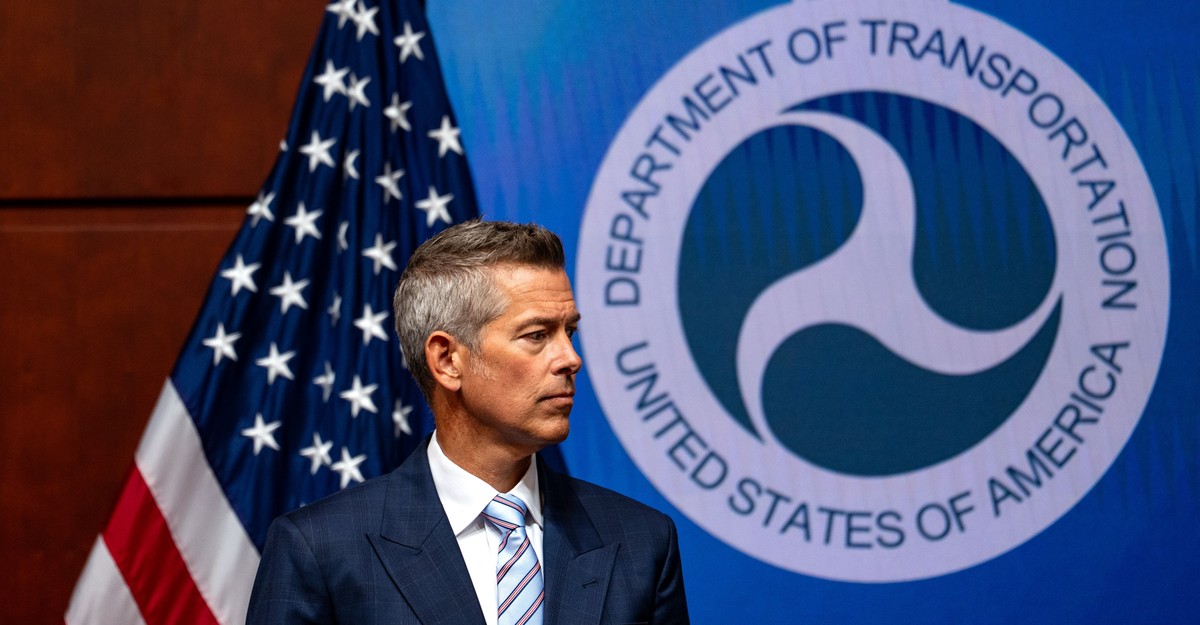
The recent developments surrounding Secretary of Transportation Sean Duffy and the Uihlein family highlight a concerning convergence of regulatory influence and political fundraising in Washington, D.C. For over a decade, Richard and Elizabeth Uihlein, through their company Uline, have actively lobbied to reverse regulations that govern the work hours of long-haul truck drivers. Their substantial financial backing of conservative groups, particularly as the fourth-largest donor in the current election cycle, showcases their significant sway in shaping policy. This situation raises essential questions about the integrity of regulatory governance and the extent to which corporate interests can shape legislation in ways that may not prioritize public safety or welfare.
Duffy’s recent actions, including the announcement of pilot programs granting truckers increased flexibility in their hours, coincide with significant financial maneuvers benefitting his son-in-law’s congressional campaign. This intertwining of personal and public interests is emblematic of a broader trend observed during the Trump administration—a relaxed approach to ethics that allows for closer ties between regulators and the industries they oversee. The implications of such relationships are far-reaching, as the line between public service and private gain becomes increasingly blurred. It’s reminiscent of the tensions highlighted in Kentucky State University Students, Alumni Sue to Block New State Law, where the influence of external interests clashes with institutional integrity.
The ethical ramifications of Duffy's participation in lobbyist-sponsored events cannot be overstated. As former ethics officials from past administrations have pointed out, this behavior creates an appearance of impropriety and potential quid pro quo arrangements that undermine public trust. The notion that a Cabinet secretary can openly engage with lobbyists while simultaneously shaping policies that affect their businesses raises alarm bells for accountability. This scenario is particularly troubling given the context of past controversies, such as the scrutiny faced by former Secretary Elaine Chao for her ties to her family's shipping business. The erosion of ethical standards under the current administration seems to pave the way for a new norm where corporate interests predominate over the public good.
Moreover, Duffy's initiatives, such as the Great American Road Trip, further illustrate how the government is increasingly relying on private partnerships to promote its agenda. While celebrating America’s 250th anniversary is a worthy endeavor, the involvement of corporations with vested interests in transportation regulations raises questions about the motivations behind such public-private collaborations. For instance, the sponsorships from companies like Toyota and Boeing may imply a transactional relationship where regulatory favors could be exchanged for financial support. This evolving dynamic echoes the themes present in the article Court Rules Texas State Must Reinstate Prof Fired for Israel-Palestine Talk, where institutional accountability is tested against external pressures.
As we move forward, it is crucial for voters and constituents to scrutinize these developments closely. The implications of such cozy relationships between regulators and industry players extend beyond transportation; they signal a shift in governance that prioritizes corporate interests over ethical standards and public accountability. Observing how this situation unfolds will be essential, particularly as the 2024 elections approach. Will there be a push for stricter ethics reforms, or will the trend of diminishing oversight continue? The choices made in this arena will undoubtedly shape the future of governance in the United States.