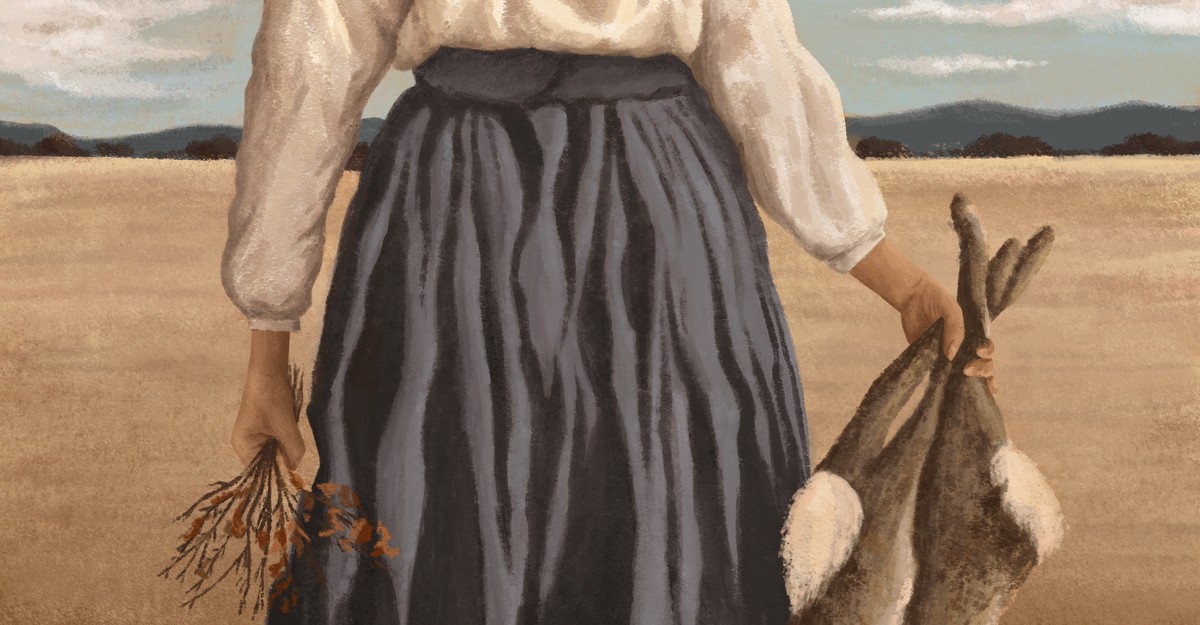
Charlotte Wood’s *The Natural Way of Things* serves as a provocative exploration of the societal structures that confine women, drawing parallels with Franz Kafka's haunting imagery of self-imprisonment. The novel is a stark commentary on how societal norms can reinforce oppressive conditions, leaving individuals feeling trapped within invisible walls. As we delve into the narrative of women who find themselves in a dilapidated ranch, it raises essential questions about autonomy, identity, and the often unrecognized chains of societal expectations. In a contemporary context, this theme resonates with other societal issues highlighted in articles like Court Rules Texas State Must Reinstate Prof Fired for Israel-Palestine Talk and Kentucky State University Students, Alumni Sue to Block New State Law, where individuals seek to reclaim their voices against oppressive systems.
Wood’s narrative intricately explores the transformation of her characters, particularly Yolanda and Verla, as they grapple with the trauma of their pasts and emerge in a harsh environment that forces them to confront their identities. This process of self-discovery occurs against the backdrop of a prison-like ranch, where the protagonists are not only battling external constraints but also the internalized shame that society has instilled in them. Wood’s portrayal of the women’s journey suggests that true freedom involves recognizing and dismantling the invisible prisons that society constructs around gender and identity. This is particularly relevant today as discussions around women's rights and agency continue to unfold globally.
However, the novel's conclusion raises critical concerns about its portrayal of women's agency. The women’s decision to trade their autonomy for superficial comforts—symbolized by their gleeful acceptance of luxury cosmetics—can be read as a troubling commentary on commercialized womanhood. This moment risks undermining the depth of their struggles, reinforcing a narrative that suggests women are complicit in their own subjugation. Instead of a triumphant reclamation of power, the ending feels reductive, as it pins the blame back on the very identities the women are trying to escape. This reflects a missed opportunity for Wood to portray a more nuanced resolution, one that could inspire readers to consider the complexities of women's choices within societal constraints.
As we reflect on the themes presented in *The Natural Way of Things*, it becomes clear that Wood’s work serves as a vital conversation starter about the dynamics of power, liberation, and the societal molds that shape women’s lives. In an era where issues of representation and agency are at the forefront of cultural discourse, this novel challenges readers to examine how deeply ingrained societal narratives can create forms of captivity. The question that lingers is: how do we break free from these self-imposed prisons, and what might a genuine liberation look like in a world still grappling with these issues? As discussions surrounding women’s rights and societal expectations continue to evolve, Wood’s narrative remains a significant touchpoint, urging both reflection and action.