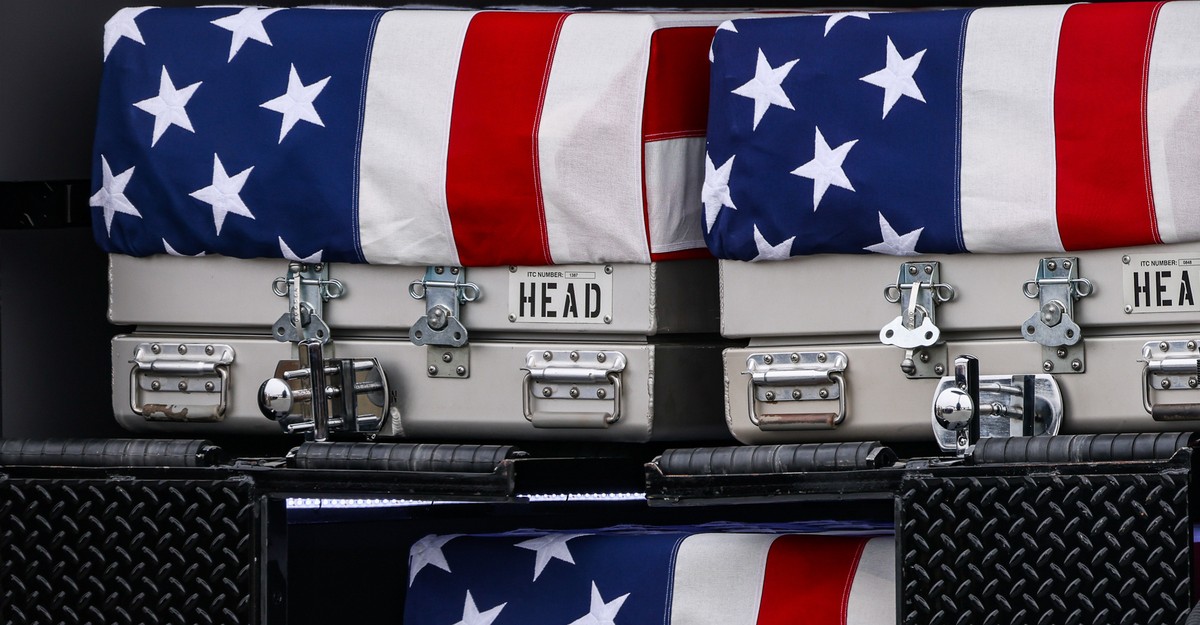
The recent article detailing the tragic loss of Tyler Simmons and five other service members in a plane crash over Iraq serves as a poignant reminder of the sacrifices made by military families and the profound impact of war on everyday lives. As families grapple with the immediate aftermath of such losses, the emotional toll is compounded by the logistical challenges they face, from planning funerals to navigating the bureaucracy of military procedures. This situation resonates deeply within the broader narrative of military service, especially as the U.S. has recently seen its first casualties in a foreign conflict since the withdrawal from Afghanistan. It brings to light not only the individual stories of sacrifice but also the collective grief shared by families and communities affected by military actions.
Tyler Simmons’ journey from a curious youth enamored with flight to a dedicated Air Force technical sergeant reflects a broader theme of aspiration and service. His father's account highlights how a passion for aviation was nurtured over years, ultimately leading to a commitment to serve his country. This personal connection to military service illustrates the pride and honor that many families feel, yet it starkly contrasts with the heart-wrenching reality of loss. As noted in the article, the experiences of families like the Simmons are echoed in the stories of other Gold Star families, such as Taryn Davis, who founded the American Widow Project to support those mourning the loss of loved ones in combat. This network of support underscores the importance of community and shared experience in the healing process.
Moreover, the article sheds light on the complexities of grief in the public eye. Families are not only mourning their loved ones but are also navigating a spotlight that can feel intrusive and overwhelming. As Krista Simpson Anderson states, avoiding news coverage can be a way to protect oneself from anger and despair, a sentiment that many can understand in an age where media coverage can amplify personal tragedies. This raises important questions about how society engages with military families and the narratives surrounding them, particularly in times of conflict. Should there be a greater emphasis on privacy and support for these families, rather than sensationalizing their stories for public consumption?
In reading about the Simmons family and others like them, we are reminded of the real people behind military service—individuals with dreams, aspirations, and families who feel the weight of their sacrifices. The phrase "made the ultimate sacrifice" offers a formal recognition of loss, but it also risks sanitizing the emotional complexity involved. As we reflect on these stories, it's vital to consider how we can better support military families, not just in moments of loss, but throughout their journeys.
Looking ahead, as the U.S. continues to engage in military operations abroad, we must ask ourselves: how can we foster a deeper understanding and empathy for military families? What systems can be put in place to ensure they receive the support they need, both during active service and in the aftermath of loss? Articles like this one serve as essential reminders of the human cost of war and the ongoing need for community support and understanding.