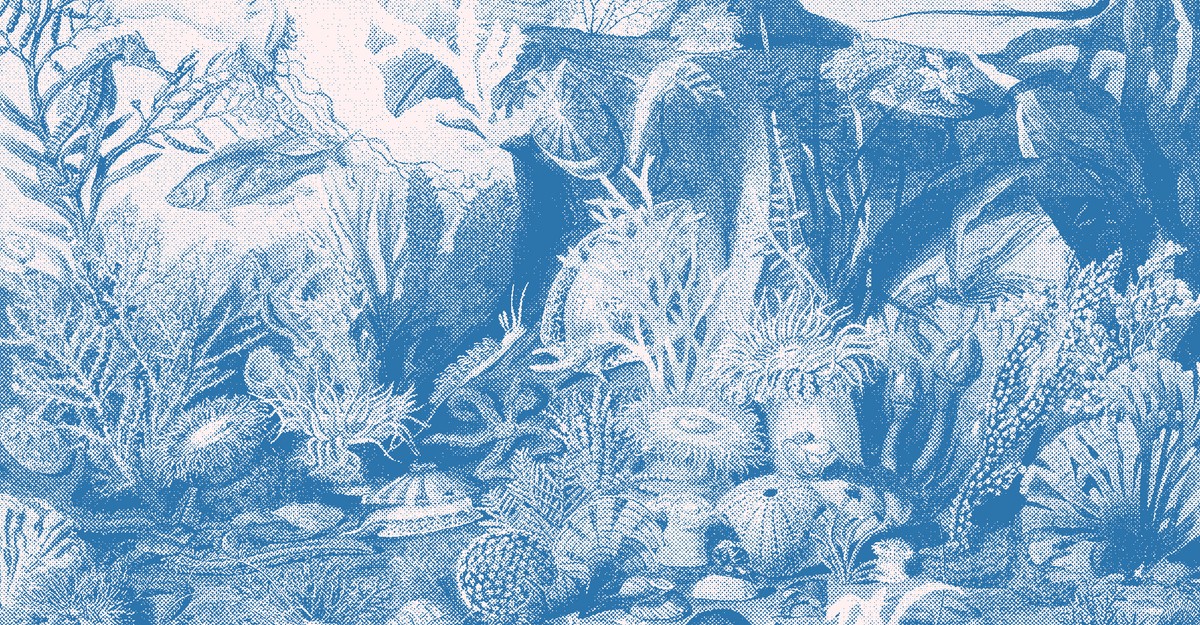
Rachel Carson's journey from a part-time employee at the United States Bureau of Fisheries to a celebrated author and environmental activist is a story that resonates deeply in today's climate-conscious society. Her piece “Undersea,” published in The Atlantic in 1937, serves as a powerful reminder of the blend of eloquence and scientific insight that is essential for engaging the public in environmental issues. Carson's ability to translate complex scientific phenomena into relatable and evocative language not only captivated her readers but also laid the groundwork for her future groundbreaking work, including the pivotal “Silent Spring.” In a time when women's voices were often marginalized, Carson’s success is especially significant, as it highlights the ongoing struggle for women's rights in science and other fields.
The challenges Carson faced as a woman in science are still relevant today, especially as we see ongoing debates around gender equity in various professional sectors. In the context of the current conversation surrounding academic freedom and expression, as illustrated by articles like Court Rules Texas State Must Reinstate Prof Fired for Israel-Palestine Talk and Kentucky State University Students, Alumni Sue to Block New State Law, we must consider how marginalized voices continue to be challenged in their attempts to contribute meaningfully to discourse. Carson's work exemplifies the critical intersection of science and advocacy, where the act of storytelling can illuminate dire issues and inspire collective action.
What makes Carson's writing so compelling is her ability to evoke wonder while remaining rooted in scientific fact. Her description of the ocean as a "universe of all-pervading water" invites readers to engage with the natural world on a deeper level, prompting a sense of responsibility toward its preservation. In a time when our relationship with nature is increasingly strained due to climate change and environmental degradation, Carson’s message serves as a clarion call for renewed engagement with our ecosystems. This resonates with the current movements advocating for environmental justice and sustainable practices, as seen in recent efforts to decipher beluga calls for conservation purposes, detailed in UW researchers decipher beluga calls to bolster conservation efforts.
As we reflect on Carson's legacy, we are reminded of the importance of curiosity and the need for accessible scientific communication. Her work encourages us to foster a sense of belonging and stewardship toward our planet, emphasizing that environmental issues are not just scientific concerns but are intertwined with our daily lives and futures. The notion that “future me will thank me” resonates with the choices we make today regarding sustainability and environmental ethics.
In moving forward, we must consider how to amplify voices like Carson's in our own communities and inspire a new generation of environmental advocates. How can we ensure that science remains accessible, engaging, and inclusive? As we navigate these challenges, Carson's legacy will undoubtedly continue to inspire those dedicated to fostering a deeper connection with the natural world and advocating for its protection.