Tacoma closes portion of Old Town Dock to help seal and her pup
Our take
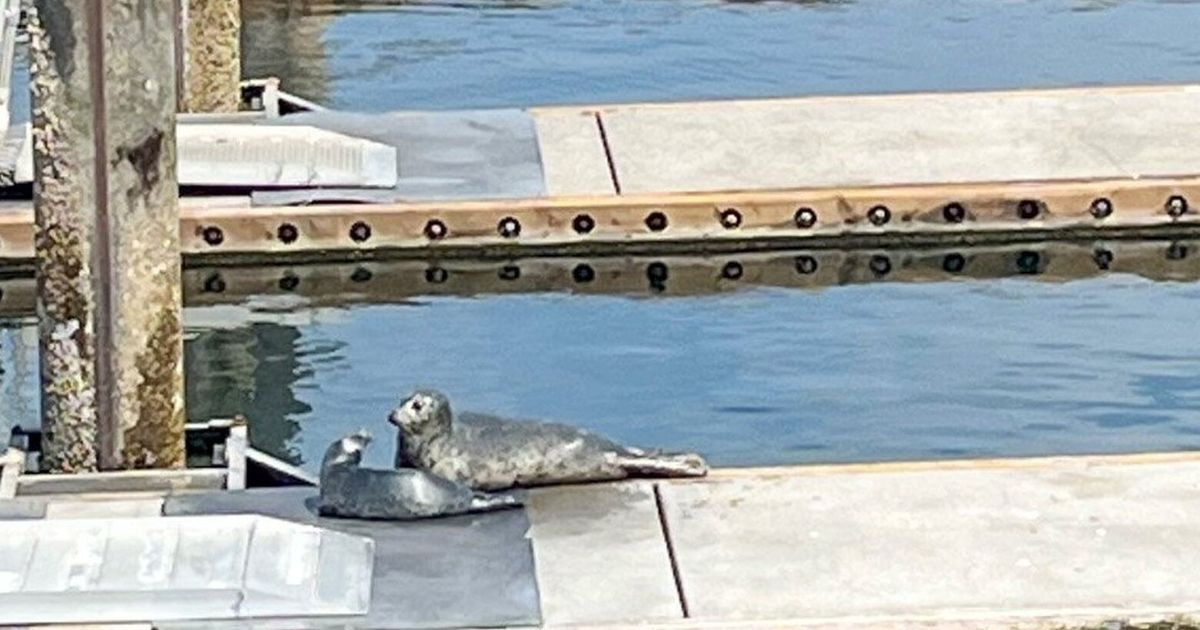
It's a beautiful thing to see communities adapting to unexpected wildlife visitors, and the City of Tacoma's decision to temporarily close a portion of the Old Town Dock to protect a seal and her pup is a perfect example of that. This isn't just a cute story about a seal; it highlights a growing trend of human spaces intersecting with vital animal habitats, demanding thoughtful and proactive responses. We’ve seen similar efforts elsewhere, such as the innovative work of Florida researchers Florida researchers bring endangered elkhorn coral ashore to protect them who are actively relocating endangered coral to safer environments, demonstrating a commitment to conservation beyond traditional methods. It also echoes the broader challenge of balancing urban development with ecological preservation, a tension that’s playing out across the Pacific Northwest and globally. The fact that this is the second year seals have chosen the Old Town Dock suggests a pattern – perhaps a lack of suitable alternatives, or maybe simply a convenient and sheltered location. This raises important questions about long-term habitat needs and whether more permanent solutions are required to ensure the safety of both the seals and the public. The closure itself is a pragmatic and low-impact solution. It prioritizes the well-being of the seal pup while minimizing disruption to the surrounding area. It’s a “community-first” move, reflecting a growing awareness of our responsibility to coexist peacefully with wildlife. While the initial reaction might have been to try and relocate the seal, the decision to temporarily restrict access is often the most sensible, especially when considering the stress such interventions can place on the animals. This kind of carefully considered response isn’t always the default, and it’s encouraging to see Parks Tacoma prioritizing conservation over easy access. It speaks to a shift in perspective—acknowledging that public spaces aren’t solely for human enjoyment, and that sometimes, temporary adjustments are necessary to protect vulnerable species. The recent efforts of coral reef preservation are a testament to the power of proactive intervention when species are threatened, and the Tacoma seal situation illustrates this same principle on a smaller, but nonetheless significant, scale. This aligns with the growing momentum among conservationists to actively manage ecosystems, rather than simply reacting to crises Florida researchers bring endangered elkhorn coral ashore to protect them. The Old Town Dock's temporary closure also presents an opportunity for reflection on the evolving relationship between urban areas and natural environments. As coastal communities continue to grow, encounters between humans and wildlife are becoming increasingly common. We are realizing that the idea of a "wild" space existing entirely separate from human activity is largely a fallacy. Instead, we’re seeing the emergence of “urban wildlife,” creatures adapting to live alongside us, often utilizing human-made structures for shelter or breeding. This necessitates a fundamental rethinking of how we design and manage our public spaces. Consider the parallels with efforts to mitigate light pollution to protect migrating birds, or the implementation of wildlife crossings to reduce road mortality. All of these are examples of humans adapting their behavior to accommodate the needs of other species. The situation in Tacoma is simple and localized, but it’s part of a larger trend that demands creative solutions and a commitment to shared space. It exemplifies the kind of “learning-by-doing” approach that resonates with many, fostering a sense of ownership and responsibility within the community. Looking ahead, it will be interesting to see if Tacoma develops a more formalized protocol for dealing with similar wildlife encounters. Will the city invest in habitat assessments to identify potential seal pupping locations? Will signage and educational programs be implemented to inform the public about the importance of respecting these animals’ space? Perhaps a dedicated wildlife liaison could be established within Parks Tacoma to coordinate responses and ensure consistent messaging. The temporary closure of the Old Town Dock is a positive step, but it’s just the beginning of a conversation about how we can create a more sustainable and harmonious coexistence between humans and wildlife in our urban environments.
This is at least the second year seal moms have used the Old Town Dock for their pups, said Stacia Glenn, a public information officer for Parks Tacoma
Read on the original site
Open the publisher's page for the full experience