wildlife
wildlife on Wazzu: a running collection of 3 stories we have gathered and hand-picked because they are worth your time. Every post here touches on wildlife in some way — the news, the analysis, the deep dives, and the occasional surprise find. Washington State University (WSU) is a leading public land-grant research university in Pullman, WA, known for its strong programs in agriculture, environmental science,… New stories are added to this page as we find them, so check back if you want to keep up with what is happening around wildlife, or subscribe to the RSS feed to get them as soon as they are published. Browse the collection below, or head back to the homepage to see everything Wazzu is covering right now.

Coyote density is 9 times higher in Seattle than in Washington’s wild lands
## Seattle's Got Coyotes: New Study Reveals Surprising Urban Density A new study from the University of Washington reveals a striking reality: coyote populations are thriving—and dense—in Seattle. Researchers found a nine-fold increase in coyote density within Seattle city limits compared to their numbers in Washington’s more natural, wild landscapes. This significant difference highlights a growing trend observed across the nation, where urban coyotes are adapting and flourishing. The key factors driving this increase? Primarily, urban environments offer fewer natural predators and an abundance of prey, including rodents, pet food, and even garbage. This combination creates a favorable habitat for coyote populations to expand. While this might raise concerns, understanding these dynamics is crucial for responsible coexistence. This research underscores the importance of ongoing ecological study, similar to the innovative work being done at Washington State University with their AgWeatherNet system, which leverages data to improve agricultural practices. The UW study adds to a growing body of knowledge about urban wildlife and emphasizes the need for proactive strategies to manage human-wildlife interactions in increasingly urbanized areas. It's a solid reminder that even in a city, nature finds a way. Ryan Quinn Fri, 09/0

Trust land transfer proposals approved by WA Natural Resources board
## Washington Approves Key Land Transfers to Yakama Nation and Public Agencies In a significant move prioritizing conservation and tribal sovereignty, the Washington State Natural Resources Board has approved several trust land transfer proposals. These transfers, representing a commitment to stewardship and collaboration, will see parcels of land move to the Yakama Nation and various public agencies, including the Department of Natural Resources’ Natural Areas Program and the Washington Department of Fish and Wildlife. The approved proposals demonstrate a multi-faceted approach to land management. Transfers to the Yakama Nation acknowledge and honor treaty rights, facilitating culturally significant resource access and management. Simultaneously, partnerships with DNR and WDFW aim to bolster conservation efforts, preserving critical habitats and expanding public access for recreation and scientific study. This decision follows a rigorous review process, emphasizing the importance of balancing environmental protection with community needs. The Natural Resources Board cited strong public support and the potential for long-term ecological benefits as key factors in their approval. This series of transfers highlights Washington’s ongoing dedication to responsible land management practices and respectful partnerships with tribal nations. For a broader perspective on legal matters impacting Washington, see our recent article, "FTC, WA sue Amazon, alleging it duped advertisers," for details on another current case involving state oversight.

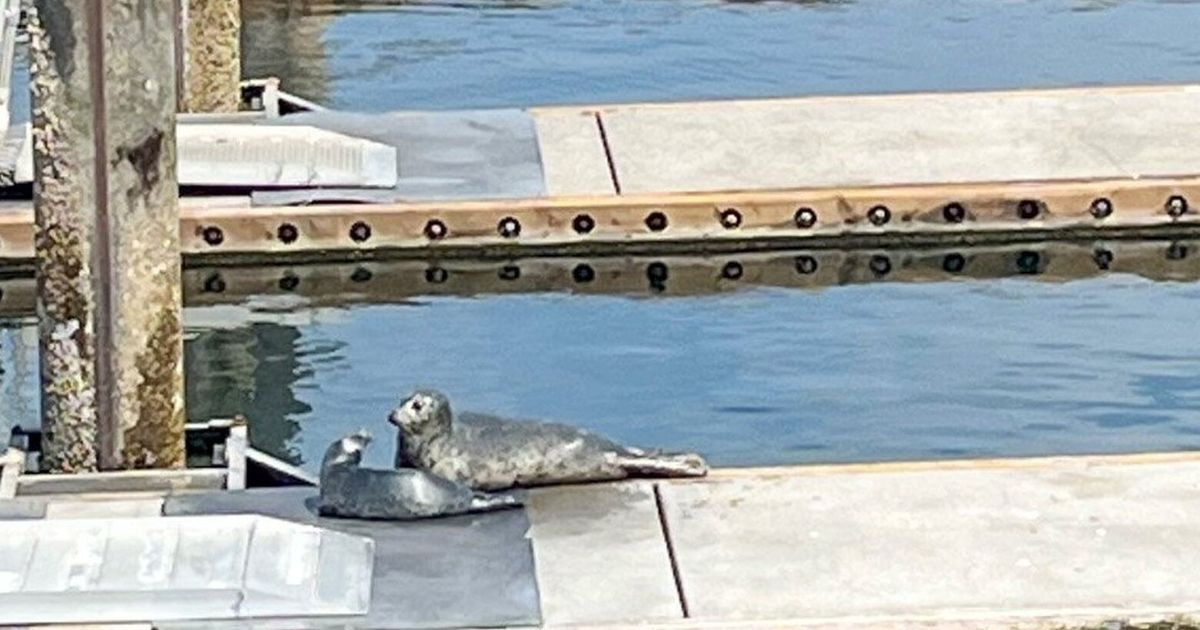
Tacoma closes portion of Old Town Dock to help seal and her pup
## Old Town Dock Temporarily Closed to Protect Seal Pup and Mother Tacoma residents will notice a temporary closure of a portion of the Old Town Dock, implemented to ensure the safety and well-being of a mother seal and her pup. This marks at least the second consecutive year seals have chosen the dock as a birthing and resting spot, according to Parks Tacoma officials. The closure aims to provide a quiet, undisturbed space for the pair, minimizing stress and maximizing their chances of a successful bonding period. Parks Tacoma is working diligently to manage the situation, balancing public access with the needs of these protected marine mammals. Designated areas remain open for visitors, allowing continued enjoyment of the waterfront while respecting the seals' space. Updates regarding the reopening of the closed section will be provided as the situation evolves. This story underscores the importance of conservation efforts across the region. Just as researchers in Florida are actively working to protect endangered elkhorn coral, as highlighted in our recent article, "Florida researchers bring endangered elkhorn coral ashore to protect them," local initiatives like this demonstrate a commitment to safeguarding vulnerable species and their habitats. We encourage everyone to observe wildlife from a respectful distance and to report any concerns to Parks Tacoma.