Some schools are extending admissions for students unenrolled by Howard University
Our take
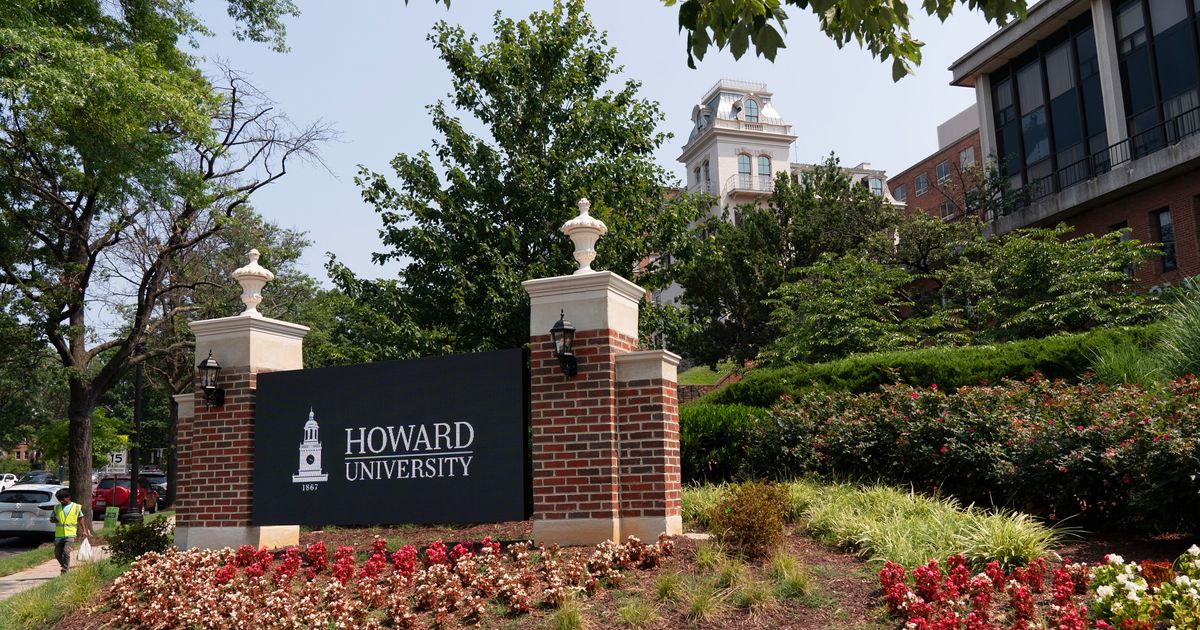
The news out of Howard University, where hundreds of incoming first-year students have lost their enrollment spots due to payment issues, is deeply concerning and reflects a systemic fragility within higher education. The situation, as detailed in 502 students lose spots at Howard University over tuition payments just weeks before classes start, highlights the precarious financial position many institutions, particularly Historically Black Colleges and Universities (HBCUs), find themselves in, and the devastating impact this has on students who are often already facing significant economic hurdles. This isn’t an isolated event; the emerging reality of potential loan access challenges for colleges, explored in How Soon Could Colleges Lose Loan Access Under New Accountability Metric?, further underscores the instability plaguing the sector and the potential for even more students to be impacted. It's a stark reminder that the dream of higher education remains out of reach for many, even when they’ve secured a place.
Beyond the immediate heartbreak for these students, Howard’s situation exposes a broader crisis of affordability and institutional stability. HBCUs, like Howard, play a vital role in educating a disproportionate number of Black students and contributing to Black leadership across various fields. However, they often operate with significantly fewer resources than predominantly white institutions, making them more vulnerable to financial shocks. The fact that this happened just weeks before classes begin speaks to a lack of proactive support and potentially inadequate communication regarding payment deadlines and available assistance programs. The resilience and performance of California’s Black-Serving Institutions, investigated in New Data Shows How California’s Black-Serving Institutions Are Performing, provides some encouraging data points, but it doesn’t negate the urgent need for national-level intervention and support to ensure the sustainability of these crucial institutions. The current system places an undue burden on students and families to navigate a complex and often unforgiving financial landscape.
The implications extend beyond individual students and institutions. This situation erodes trust in the higher education system, particularly among marginalized communities who have historically faced systemic barriers to accessing quality education. It also raises questions about the efficacy of current financial aid models and the need for more robust safety nets to prevent students from falling through the cracks. The narrative emerging here isn’t simply about a lack of funds; it’s about a flawed system that prioritizes institutional solvency over student success and perpetuates cycles of inequality. Universities bear a responsibility to be transparent about their financial challenges and to actively seek out solutions that don’t penalize students for circumstances beyond their control, like unexpected financial hardship. The emphasis should always be on finding ways to *support* students toward completion, not pushing them out the door.
Looking ahead, the question becomes: how can we build a more equitable and resilient higher education system? Increased federal and state funding for HBCUs and other institutions serving underrepresented populations is essential, as is a comprehensive overhaul of financial aid policies to ensure that all students have access to the resources they need to succeed. Furthermore, institutions must prioritize financial literacy and proactively provide support to students navigating the complexities of tuition payments and student loans. The Howard University situation serves as a critical wake-up call – a reminder that the pursuit of higher education should be a pathway to opportunity, not a source of financial anxiety and displacement. What mechanisms, beyond reactive measures, can institutions and policymakers implement to prevent similar crises from unfolding in the future?
Howard University notified hundreds of first-year incoming students that their spots for the upcoming semester were no longer being held.
Read on the original site
Open the publisher's page for the full experience