502 students lose spots at Howard University over tuition payments just weeks before classes start
Our take
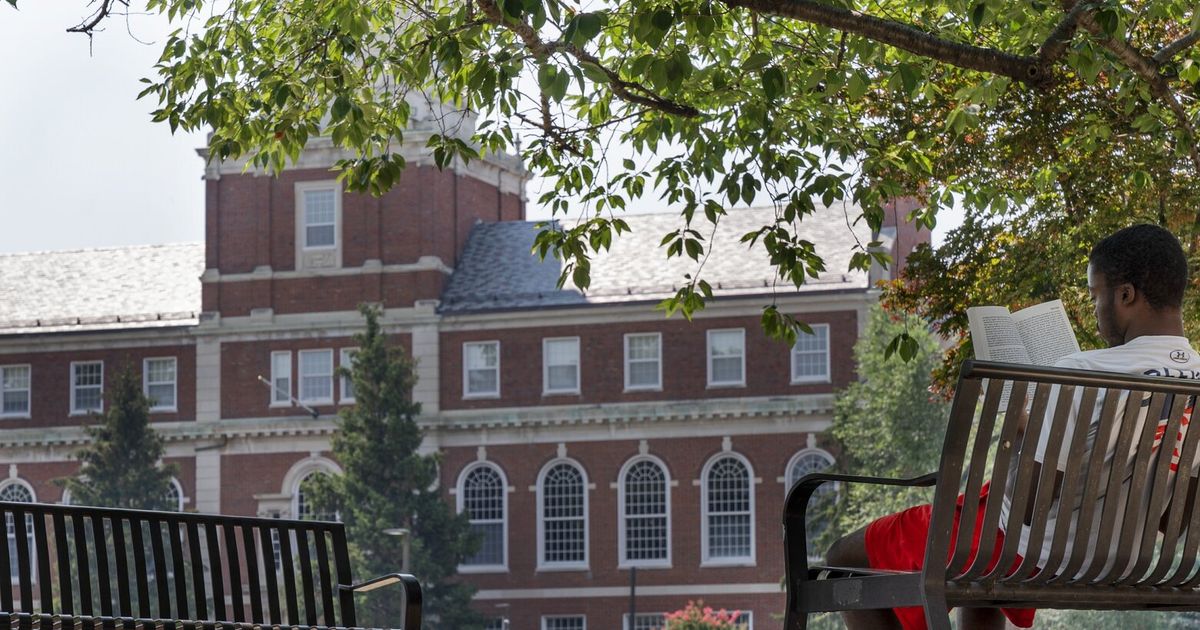
The news hitting Howard University – the unenrolling of over 500 incoming students due to tuition payment issues – is a gut punch, plain and simple. It’s a stark reminder of the precarious financial realities facing so many students, particularly at Historically Black Colleges and Universities (HBCUs). The timing couldn't be worse, just weeks before the start of the fall semester, leaving hundreds scrambling and potentially derailing their academic dreams. This situation isn't isolated; we’ve seen similar struggles across the higher education landscape. Portland State’s recent decision to [Portland State Will Lay Off 36 Employees, Close 2 Departments] highlights the broader trend of institutions facing budget constraints and making difficult choices that directly impact students and staff. It also echoes concerns raised in a previous investigation into financial aid practices at Harvard, where the [Trump administration opens investigation into Harvard’s financial aid for international students] sparked questions about the influence of international funding on accessibility and equity.
The immediate impact on these 500 students is devastating. Beyond the logistical nightmare of finding alternative housing and enrollment options so close to the start of the semester, there’s the emotional toll of having a future abruptly snatched away. For many, Howard represents not just an education, but a pathway to upward mobility and a vital connection to a legacy of Black excellence. This situation raises serious questions about Howard’s financial stability and its ability to adequately support its students. While HBCUs play a crucial role in diversifying higher education and nurturing Black talent, they often operate with significantly fewer resources than predominantly white institutions. This vulnerability makes them particularly susceptible to financial shocks and leaves students disproportionately impacted by budgetary challenges. The ongoing complexities within institutions with international ties are also a concerning element, as exemplified by the recent reporting on [Inside the ‘Culture of Fear’ at One American-Chinese University], which underscores the potential for external pressures to complicate financial management and student well-being.
The root of the problem is multifaceted, stemming from a combination of declining state funding for public institutions, rising tuition costs, and the increasing burden of student loan debt. The promise of higher education as a pathway to a better future is increasingly out of reach for many, particularly those from low-income backgrounds. While Howard likely has its own internal financial complexities, this situation serves as a broader indictment of a system that prioritizes institutional prestige over student accessibility. It’s a system where financial aid packages often fall short, leaving students to navigate a labyrinth of loans and debt. The fact that so many students were affected suggests a systemic issue, not just a handful of individual payment failures. Universities need to be more transparent about their financial challenges and proactively work to support students facing financial hardship, offering more robust emergency aid and exploring alternative funding models.
Looking ahead, the Howard situation demands a serious reckoning within higher education. How can we ensure that institutions, particularly those serving marginalized communities, have the resources they need to fulfill their missions? What are the ethical responsibilities of universities when it comes to financial aid and student enrollment? Will this crisis spur a broader conversation about debt forgiveness and affordable higher education? And, crucially, how can we prevent similar situations from unfolding at other institutions, safeguarding the dreams of countless students who are counting on a college education to shape their futures? The answers likely require a multi-pronged approach involving government funding, philanthropic investment, and a renewed commitment from universities to prioritize student well-being over institutional growth.
More than 500 incoming students at Howard University have learned this week that they have been unenrolled from the Washington, D.C., school and no longer have spots for the upcoming fall semester that begins Aug. 17.
Read on the original site
Open the publisher's page for the full experience