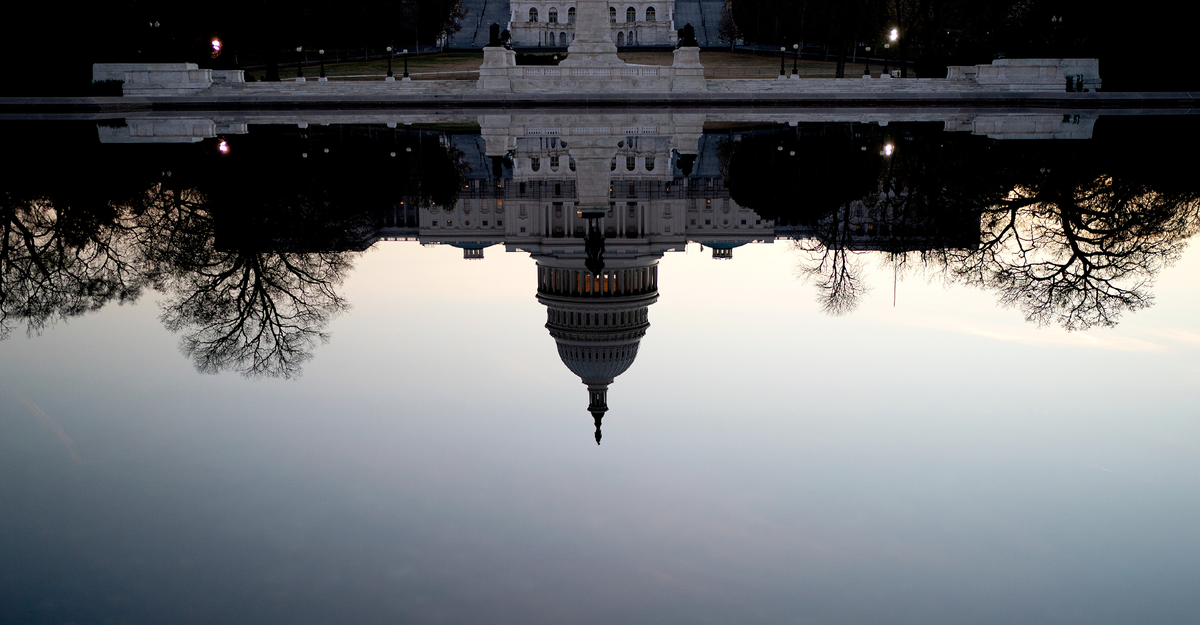
In the recent article "Public Anger Is Rising," we witness a stark illustration of the disconnect between Congress and the American public. Just as the Senate managed to reach a bipartisan agreement to fund the Department of Homeland Security (DHS), House Republicans, led by Speaker Mike Johnson, opted to retreat rather than engage in further negotiation. This decision not only places tens of thousands of federal employees in limbo but also exacerbates the already heightened frustrations of everyday Americans grappling with rising gas prices and inflation. The situation echoes themes found in other pressing issues, such as the legal battles surrounding academic freedom highlighted in "Court Rules Texas State Must Reinstate Prof Fired for Israel-Palestine Talk" and the grassroots movements against newly enacted laws as seen in "Kentucky State University Students, Alumni Sue to Block New State Law."
The consequences of inaction are palpable. With Congress in recess while constituents struggle with daily financial challenges, public trust is eroding. The fact that many lawmakers are avoiding town halls and public engagements further signals their awareness of the discontent brewing back home. As Representative David Schweikert aptly noted, this crisis represents a collective failure of leadership across party lines. The frustrations expressed by constituents—ranging from tightening budgets to the burdens of rising costs—illustrate a broader sentiment that those in power are failing to prioritize the needs of the people they serve. With the GOP's grip on the House appearing increasingly fragile, the ramifications of this political stalemate could extend beyond immediate funding concerns.
The public's anger is evident not just as a passing sentiment but as a potential catalyst for change. Approval ratings for President Biden have plummeted, and Republicans face the threat of an electoral backlash come midterm elections. Such dynamics underline a critical reality: voters are less engaged in partisan bickering and more focused on tangible outcomes that affect their lives. The moment may be ripe for a larger conversation about accountability and responsibility in governance. As evidenced by public reactions at places like Phoenix Sky Harbor International Airport, where citizens are rallying to support unpaid TSA workers, there remains a strong desire for collective action and community support even amid frustration.
Looking ahead, the question remains: will Congress heed the rising tides of public sentiment, or will they continue to prioritize political maneuvering over meaningful governance? As the political landscape shifts, it will be essential for lawmakers to engage earnestly with their constituents, particularly those in swing districts. The challenge lies not only in addressing immediate funding issues but also in rebuilding trust and demonstrating that elected officials can—and should—be responsive to the needs of the people. As we watch this situation unfold, the potential for significant electoral consequences looms large, and it may just take a few bold moves to shift the current trajectory. How Congress responds in the coming weeks will determine not just the fate of DHS funding, but also the broader narrative of accountability and effectiveness in American politics.