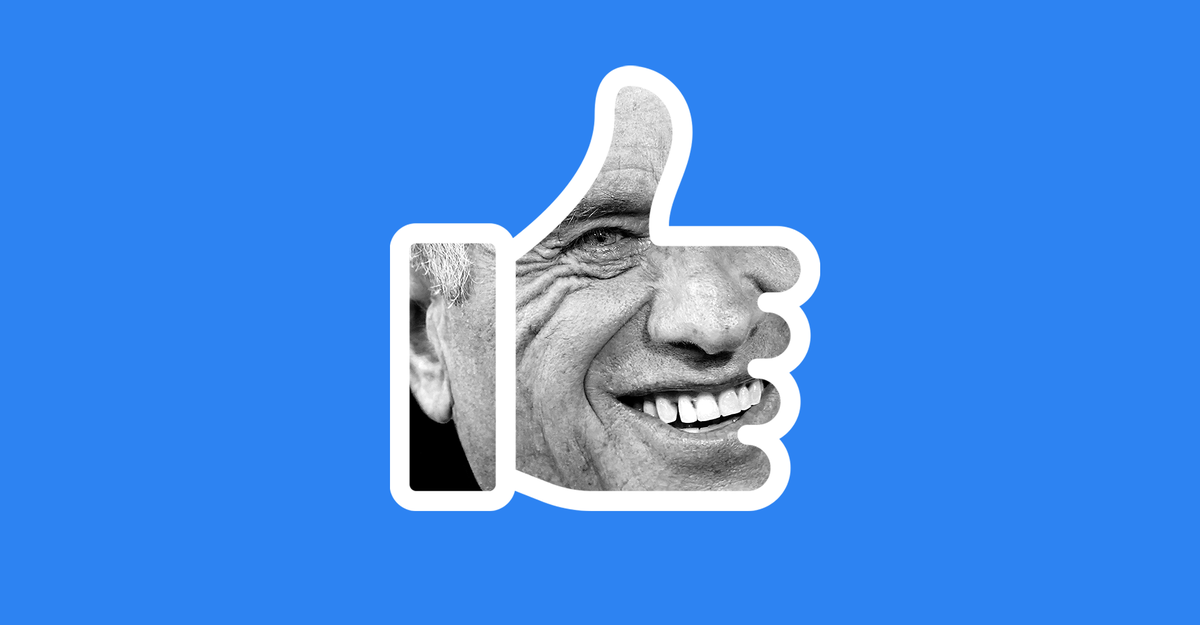
The recent viral antics of Robert F. Kennedy Jr. have taken an unexpected turn, blending the realms of political messaging and meme culture in a way that demands our attention. In an AI-generated video that has captivated millions, Kennedy body-slams a person dressed as a Twinkie, promoting his health campaign with a comedic flair that starkly contrasts with the often staid and serious nature of political discourse. This phenomenon isn’t merely an amusing distraction; it reflects a broader trend where politicians are increasingly leveraging the absurdity of social media to connect with younger audiences. As we noted in our recent piece, MAHA Has Been Given an Impossible Task, the political landscape is shifting towards a more meme-centric approach, with Kennedy’s efforts standing out for their unabashed humor and self-awareness.
Kennedy’s meme campaign is particularly noteworthy in its contrast to the often aggressive and fear-based messaging we’ve seen from other political figures, especially during the Trump administration. Where others have resorted to divisive tactics, Kennedy’s lighthearted approach, as demonstrated by his antics with Kid Rock and AI-generated clips promoting a healthy lifestyle, positions him as a more approachable figure. This contrast in tonality is significant; it could suggest a strategic pivot toward appealing to a health-conscious and younger demographic that values authenticity and relatability. The humor embedded in Kennedy's campaign can serve as a vehicle for discussing serious public health issues, even if the actual implementation of his health policies remains in question.
However, the effectiveness of this meme-washing is complicated by the underlying realities of Kennedy's political agenda. While his memes promote a message of healthy eating and active living, they also conveniently sidestep the more contentious aspects of his role, particularly his controversial stances on vaccines. As highlighted in the article, there is a noticeable absence of memes addressing his anti-vaccine advocacy, which remains unpopular across the political spectrum. This selective messaging raises important questions about authenticity in political communication. Are we witnessing a genuine attempt to engage with public health, or a calculated effort to distract from more divisive issues? The implications of such an approach could either enhance Kennedy's appeal or ultimately backfire, depending on public perception and media scrutiny.
As we look to the future, the question remains: can Kennedy effectively bridge the gap between meme culture and meaningful policy change? His current focus on promoting a healthy lifestyle resonates with a significant portion of the public, but without tangible results—like the promised bans on harmful food dyes—his meme-driven persona may be seen as little more than entertainment. The challenge for Kennedy will be to translate the viral success of his memes into substantive policy achievements that align with his campaign promises. As the conversation around health and wellness continues to evolve, we should keep an eye on whether this meme-centric strategy can yield real-world impacts or if it will fade into the background noise of political campaigning.