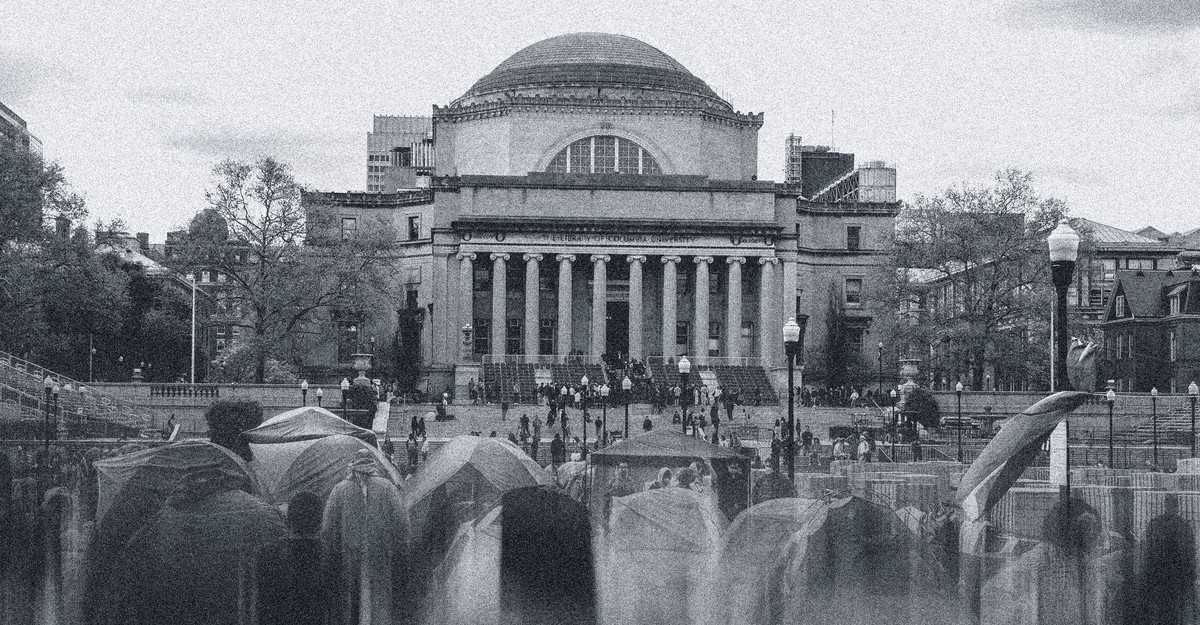
In the face of significant national crises, one might expect college campuses to become hotbeds of protest and student activism. The recent article on the lack of campus unrest amidst political upheaval paints a stark picture of a generation that seems to have lost its appetite for dissent. Events such as mass-deportation operations leading to violence, the deregulation of greenhouse-gas emissions, and military actions without congressional approval should have ignited an uproar among students. Yet, as noted, campuses are less vibrant with protest, and many students appear to be more focused on academics than activism. This shift raises important questions about the state of student engagement and the role of universities in fostering free speech and civic action.
The decline in protest activity can be traced to several interrelated factors. First, the response of university administrations to past demonstrations has set a precedent that may stifle future dissent. As highlighted in the article, following a series of chaotic protests over the Israel-Gaza conflict, many college leaders have taken steps to suppress student activism, fearing backlash from donors and government scrutiny. The resignation of several university presidents after being called to testify before Congress illustrates how administrative decisions can significantly impact campus culture. The resulting environment may leave students feeling vulnerable and hesitant to express their views or organize protests, fearing repercussions not just from their institutions, but potentially from federal authorities as well.
Additionally, the changing demographics and priorities of the student body play a critical role. As quoted in the piece, students like David Sengthay of Stanford recognize that many of their peers are more focused on navigating the complexities of adult life rather than engaging in activism. The pressures of an uncertain job market, combined with the chilling effect of potential legal consequences for protest participation, contribute to a culture where activism takes a back seat to academic and personal responsibilities. This reflects a broader societal trend where individuals, particularly younger generations, are increasingly wary of the risks associated with political engagement.
However, while the current climate may seem discouraging, it’s essential to consider the potential for a resurgence of activism in different forms. The recent article mentions that while protests are fewer, they still occur sporadically, often focused on pressing issues like immigration rights. These smaller gatherings indicate that, even in an environment where large-scale protests are less common, students are still finding ways to voice their concerns. This could suggest a shift in tactics rather than a complete disinterest in activism, as students may seek more sustainable and less confrontational methods of engagement.
Looking ahead, we must ask what this evolving landscape means for the future of student activism. Will universities find a way to support meaningful engagement without stifling dissent? As the political climate continues to shift, the potential for renewed student engagement remains. It’s crucial for universities to recognize their role as facilitators of free speech and civic responsibility. The question remains: how can both students and institutions ensure that the voices of the next generation continue to be heard in a rapidly changing world? The challenge lies in balancing the need for order and safety with the fundamental right to protest and express dissent.