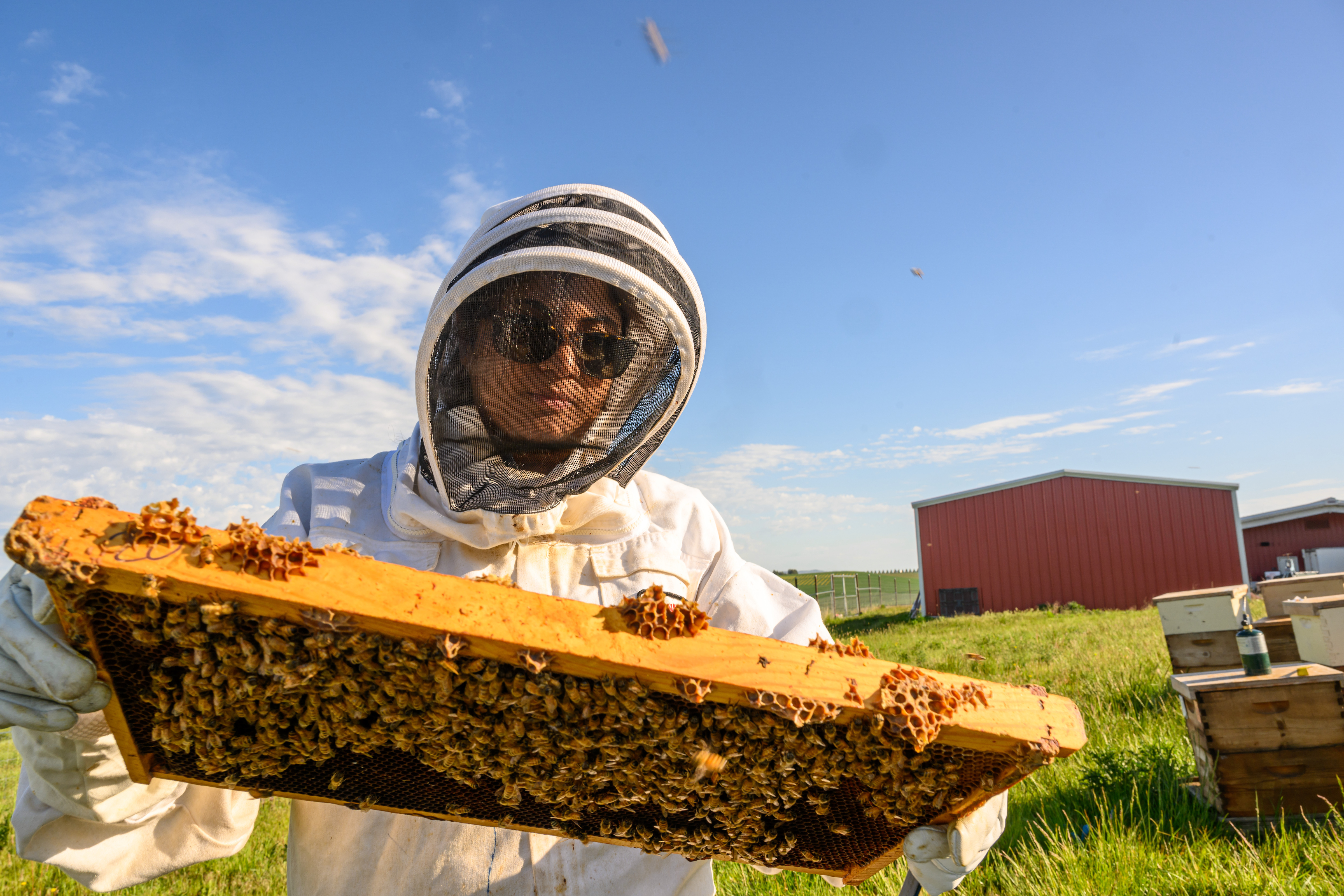
In a world increasingly aware of the interconnectedness of ecosystems, the plight of honey bees has become a symbol of environmental urgency. The recent article, "Bees on the brink," highlights the dedicated efforts of WSU scientists who are racing against time to protect these vital creatures from a myriad of threats. As they delve into the complexities of bee health and survival, it’s crucial for us as a community to understand why this fight matters not only for our natural environment but also for our food systems and local economies.
Honey bees play an essential role in pollinating crops and wild plants, contributing to the biodiversity that sustains our ecosystems. Yet, they face challenges from habitat loss, pesticide exposure, and diseases. This crisis is especially poignant when we consider the broader implications of bee decline. As outlined in the article, the work of WSU researchers is critical in addressing these challenges, especially in the context of other pressing issues such as those highlighted in recent news, like the court ruling affecting academic freedom at Texas State and the lawsuit by Kentucky State University students against new state legislation. Each of these stories reflects a broader struggle for sustainability, justice, and community well-being, resonating deeply with our values at WSU.
The intersection of science and community action is where we can see the potential for real change. WSU scientists are not just conducting research in isolation; they are actively engaging with local farmers and stakeholders to implement sustainable practices that can help protect honey bees. This collaborative approach exemplifies a community-first mindset, where sharing resources and knowledge can lead to practical solutions. It reminds us that the fight for bee conservation is not solely a scientific endeavor but a collective responsibility that involves everyone—from students to local businesses. It’s a call to action for all Cougs to engage with our environment actively and consider how our choices impact this vital species.
As we reflect on the challenges posed to honey bees, we must also consider the future. Will we take the necessary steps to create a sustainable environment for these pollinators? The ongoing research at WSU is a beacon of hope, yet it also raises questions about how we, as individuals and a community, can contribute to these efforts. Are we ready to advocate for policies that protect pollinators? Can we support local initiatives that prioritize sustainability? Our collective actions today will shape the environment for generations to come, and in this context, the mantra “future me will thank me” takes on new meaning.
In conclusion, the fight to save honey bees is an urgent reminder of our interconnectedness with nature and the importance of community involvement. As we engage with the findings from WSU's research, let’s also consider how we can play a role in this critical conversation. Whether through supporting local agriculture, reducing pesticide use, or simply spreading awareness, each of us has a part to play. The journey ahead will require curiosity and action, but the potential rewards—a thriving ecosystem and a robust food system—are worth the effort. So, how will you contribute to protecting our buzzing allies?