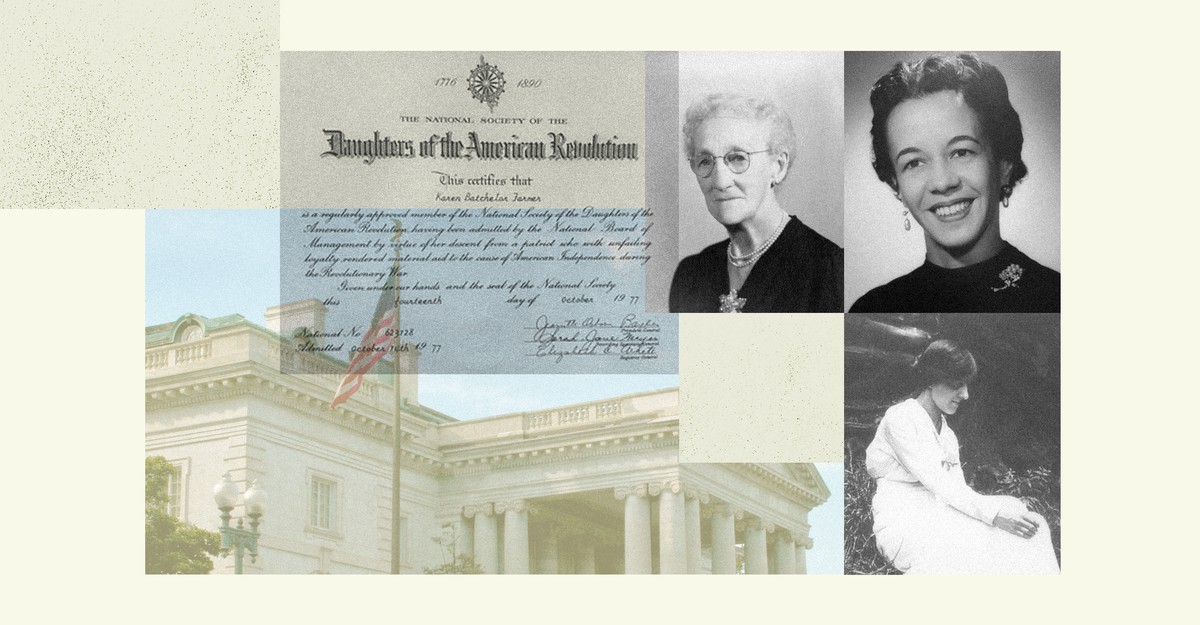
The rise of Black women within the Daughters of the American Revolution (DAR) marks a significant cultural shift for an organization once synonymous with elitism and racial exclusion. Karen Batchelor's journey from a hesitant seeker of her heritage to becoming the first openly Black member in 1977 is not just a personal triumph; it signals a broader movement toward inclusivity in spaces traditionally dominated by whiteness. This transformation resonates deeply in today's societal landscape, where conversations about race, history, and representation are more critical than ever. As seen in other recent events, like the court ruling that reinstated a Texas professor fired for discussing sensitive topics or the ongoing legal battles faced by Kentucky State University students against new state laws, the fight for representation and equity is a pressing concern across various sectors.
The narrative of Batchelor and her fellow Black members is emblematic of a larger reclamation of history that includes diverse voices. For decades, DAR's legacy was marred by its exclusionary practices, particularly its infamous rejection of Black opera singer Marian Anderson in 1939. Such an event highlighted the organization's systemic racism and pushed civil rights activists, including Batchelor's parents, to view DAR with skepticism. Yet, as Batchelor and others like Shelley Murphy began to infiltrate DAR, they not only sought to change the organization from within but also to redefine the narrative around American history itself. The fact that DAR is now welcoming a more diverse membership is a testament to the changing tides of historical scholarship and public awareness about the contributions of Black and Indigenous peoples to the American Revolution.
This integration is not merely a matter of membership numbers; it symbolizes a shift toward a more inclusive understanding of American history. The acknowledgment that thousands of Black men and women fought for freedom during the Revolution, despite being largely omitted from traditional narratives, is vital for fostering a sense of belonging among all Americans. As more women of color take on leadership roles within DAR, as noted in the growing number of chapters founded in cities like Cincinnati and Queens, we see a tangible shift in who gets to tell the story of America. This evolution is crucial, especially as we approach the 250th anniversary of the nation’s independence—an event that should reflect the diverse makeup of the country’s history.
However, challenges remain. While the DAR has made strides in addressing its past, the journey toward true inclusivity is ongoing. The recent emphasis on using DNA evidence alongside traditional genealogical research to validate claims of lineage demonstrates an understanding of the complexities surrounding African American ancestry. Yet, as Shelley Murphy aptly points out, there is still a need for the organization to deepen its understanding of the historical context surrounding these records. The question looms: will DAR continue to adapt and embrace this complexity in a way that honors the multifaceted stories of all its members?
The story of Karen Batchelor and the evolving DAR serves as a powerful reminder of the importance of inclusivity in historical narratives. As we witness the rise of diverse voices in traditional spaces, it beckons us to consider how we can collectively reshape our understanding of history to truly reflect the contributions of all Americans. The transformation within DAR is just one example of the broader societal shifts taking place. What other legacy organizations might follow suit, and how will their changes impact the way we understand our collective past? As these discussions unfold, it’s vital to stay engaged and advocate for a history that acknowledges and celebrates all its participants.