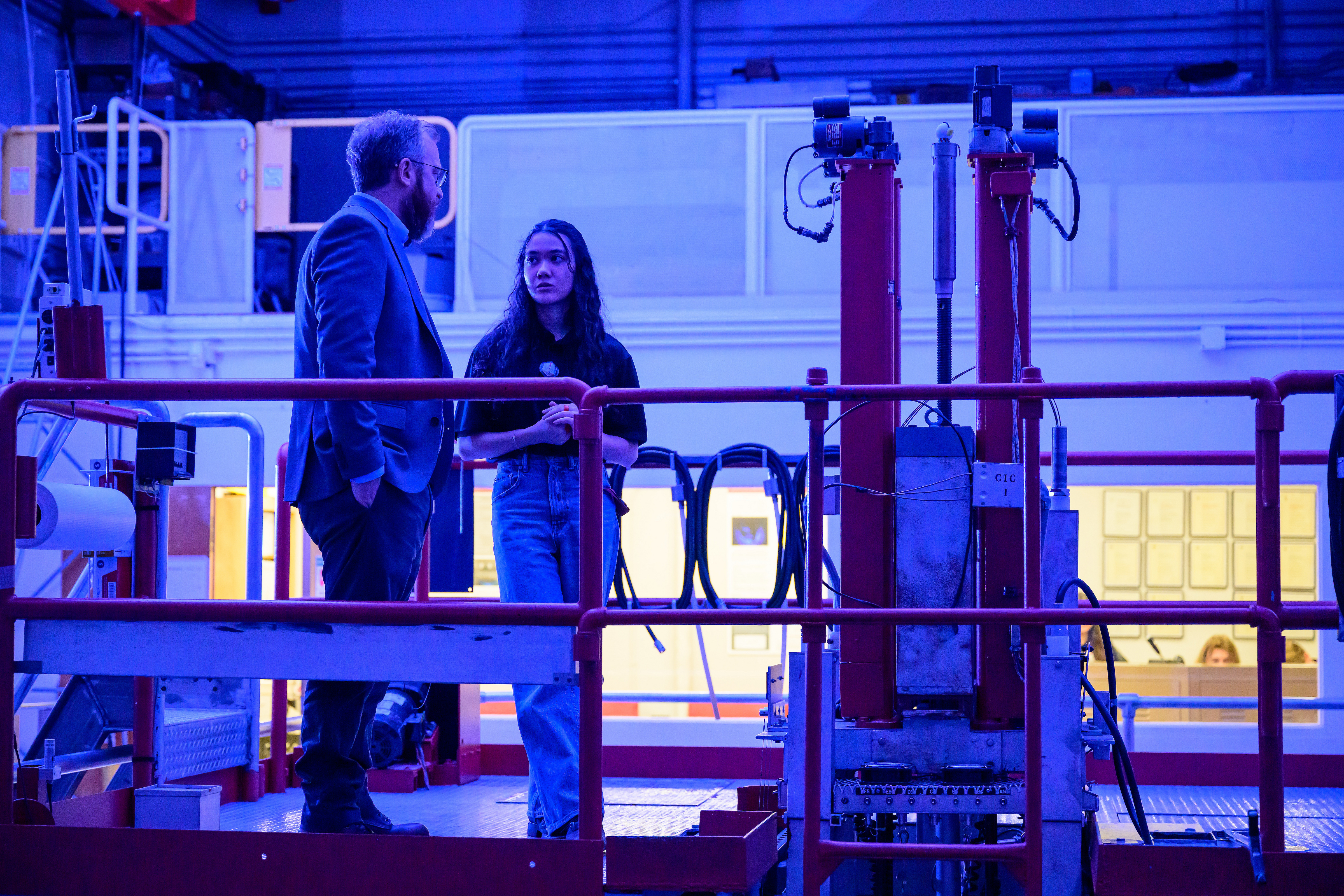
In a world increasingly focused on sustainable energy solutions, Washington State University (WSU) is stepping into the spotlight with its commitment to shaping the future of nuclear energy. The article titled "A positive reactor experience" highlights how WSU plans to leverage its rich history in the field to navigate this new era. This is not just about energy production; it’s about positioning WSU as a leader in scientific innovation and community engagement. As other universities are embroiled in challenges like the recent court ruling that Texas State must reinstate a professor or legal battles faced by Kentucky State University students against new state laws, WSU’s proactive approach serves as a compelling case study in focusing on progress rather than contention.
The emphasis on nuclear energy is particularly timely. As climate change becomes an ever-pressing concern, the need for clean, reliable energy sources is paramount. WSU’s initiative to innovate within the nuclear sector not only reflects a commitment to environmental stewardship but also addresses the growing job market in renewable energy. With the industry evolving, students at WSU are being given the chance to engage in cutting-edge research and hands-on experiences that will prepare them for future careers. This aligns with the ethos of being a Coug—balancing ambition with community impact and finding joy in the in-between moments of hard work and collaboration.
Moreover, WSU’s role in advancing nuclear technology is a perfect example of how universities can serve as catalysts for change. As seen in other educational institutions, such as the University of Washington’s recent efforts to decipher beluga calls for conservation, the intersection of community engagement and scientific inquiry can lead to meaningful outcomes. WSU is similarly positioned to make an impact, fostering a sense of belonging and collective purpose among its students and faculty. By investing in nuclear research and development, WSU is not only creating educational opportunities but is also contributing to a larger dialogue about energy sustainability and community resilience.
As we look toward the future, the question remains: how will WSU's advancements in nuclear energy influence broader societal attitudes towards this energy source? Historically, nuclear power has faced significant public skepticism, particularly following high-profile accidents. However, with informed advocacy and innovative practices, WSU can help reshape perceptions and highlight nuclear energy as a viable part of a comprehensive strategy for a sustainable future. This effort is essential not just for the university but for the entire Pacific Northwest, where energy production and environmental conservation must go hand in hand.
In conclusion, WSU’s commitment to nuclear energy is a forward-thinking response to pressing global challenges. It represents a blend of academic rigor, community responsibility, and innovative spirit that defines the WSU experience. As we witness these developments, Cougs and the broader community should keep a keen eye on how they unfold, engaging with and supporting initiatives that promise not only to enhance our energy landscape but also to deepen our connections to one another and our environment.