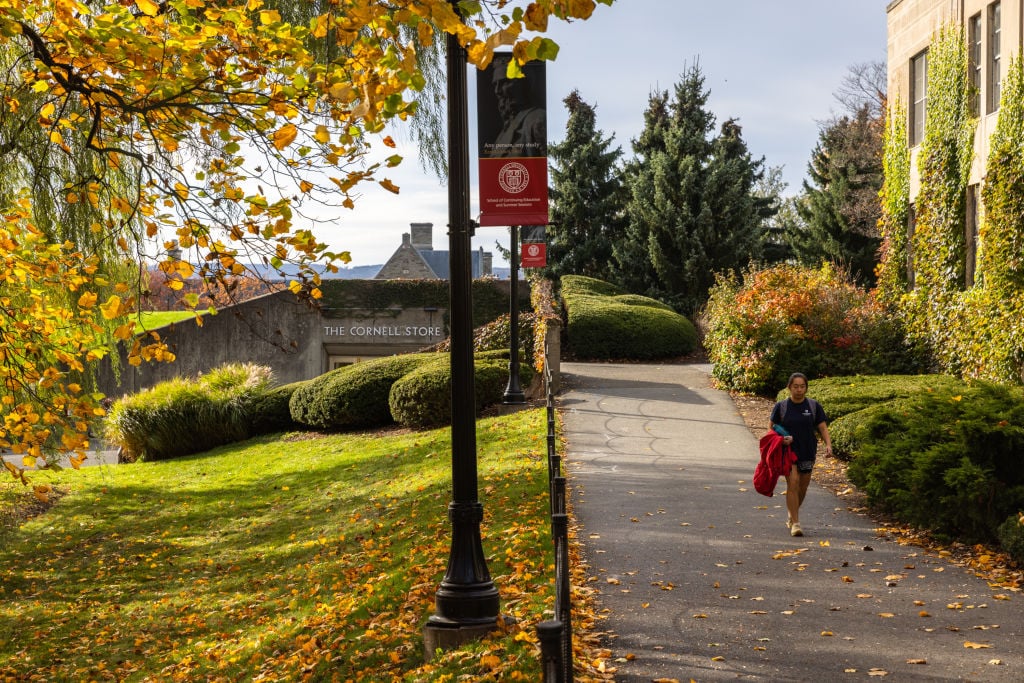
Cornell just agreed to an outside investigation, and honestly, it's about time. But let's not pretend this fixes the core issue: a survivor says she was assaulted by seven students at a fraternity house, and her first hurdle was getting the university to take it seriously enough to even process her request to leave. The fact that she had to fight for a tuition refund while navigating trauma isn't just a policy gap, it's a signal about where priorities sit. For students watching this from Pullman, the takeaway isn't about Cornell specifically, it's about what we should expect from our own institutions when things go sideways.
We talk a lot about community on this campus, and we should. But community falls apart when the people in charge protect process over people. The UW breaks ground on $231M chemistry hub built for collaboration and discovery story is a good reminder that universities love investing in buildings that bring people together. Yet the real test of collaboration isn't glass walls and open floor plans, it's how they handle the messy, uncomfortable moments. When a survivor has to go to the media before anyone listens, that's not a system glitch, that's a choice. And when Two years before suit, survivor told Cornell police she was certain of rape, the delay wasn't just bureaucratic, it was a failure to act on information that was already there. That's not a Cornell problem; it's a higher ed problem, and we should be paying attention because it could be any of our schools next.
Here's what this means for us in practical terms. First, know your rights before you need them. Tuition refunds, medical withdrawals, reporting options, these aren't fun to read about, but they're the difference between feeling stuck and having an exit plan. Second, pay attention to how your university responds to crises, not just during them, but after. The Ithaca Leaders Push for Greek Life Pause as Cornell Rape Case Reopens coverage shows that pressure from outside the administration often moves the needle more than internal reviews. That's a hard truth, but it's useful. It means students aren't powerless; we just have to be organized, loud, and specific about what we want changed.
The concrete thing to watch here is whether Cornell's independent investigation actually leads to policy shifts, or if it's just a PR move to ride out the news cycle. Will they publish the findings? Will they change how fraternity oversight works? Will the survivor get her refund and a real path forward? Those are the questions that matter. For us, the bar shouldn't be "at least they're looking into it." It should be "what happens next, and who's holding them to it?" Because in the end, belonging isn't just about showing up to club meetings or grabbing tacos after class. It's about knowing that if you're ever in a crisis, the institution you're a part of won't make you fight alone. And right now, too many students are learning that's not a given.