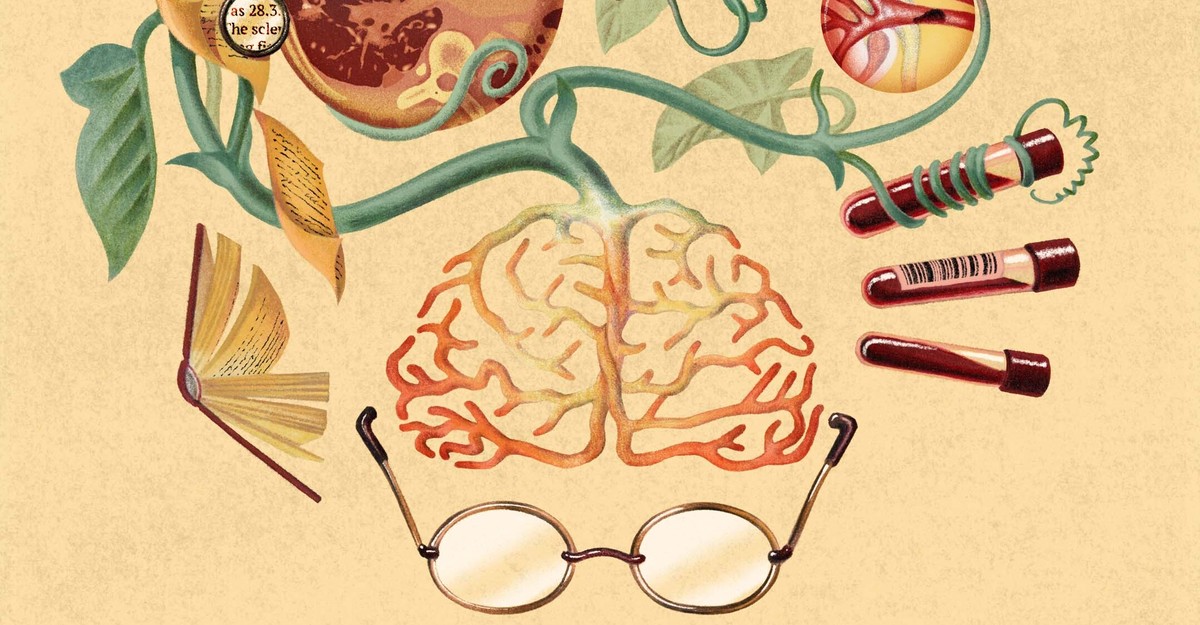
In a recent presentation at the Society to Improve Diagnosis in Medicine’s 2022 meeting, Gurpreet Dhaliwal showcased the intricate art of diagnosis, highlighting the blend of analytical reasoning and experiential learning that defines exceptional medical practice. This was not just a display of his clinical prowess; it was a moment of vital importance for the medical community, especially in the context of alarming statistics about diagnostic errors in healthcare. With a staggering 371,000 annual deaths attributed to misdiagnosis, as reported in various studies, including a 2015 National Academies of Sciences report, the stakes for improving diagnostic processes have never been higher. As future healthcare professionals, understanding these dynamics is crucial, especially amid contemporary discussions surrounding educational reforms and systemic changes in the medical field, such as those seen in the cases of Kentucky State University Students, Alumni Sue to Block New State Law and Court Rules Texas State Must Reinstate Prof Fired for Israel-Palestine Talk.
Dhaliwal's approach to diagnosis emphasizes the importance of cognitive processes in clinical judgment—an area that has often been neglected in medical training. His insights reveal that diagnostic excellence is not merely an innate talent but a skill that can be cultivated through diligent practice, reflection, and a commitment to continuous learning. By narrating his thought process aloud during the presentation, he demystifies the diagnostic journey, transforming a complex clinical challenge into a teachable moment. This resonates with the broader movement among medical educators to enhance clinical reasoning skills in students, addressing a gap that has persisted for decades. As students at Washington State University, we can draw parallels between Dhaliwal's methods and our own learning experiences, recognizing that mastery in any field, including medicine, requires a balance of theoretical knowledge and practical application.
Moreover, the emergence of AI in healthcare, as illustrated by Dhaliwal's recent competition with an AI diagnostic tool, raises important questions about the future of medicine. While AI may enhance diagnostic accuracy and efficiency, it also presents challenges regarding the human elements of care—empathy, ethical considerations, and nuanced decision-making. Dhaliwal's assertion that AI will not radically change the art of doctoring prompts us to consider how technology can complement rather than replace the critical thinking that defines effective medical practice. As we navigate our own educational paths, it is essential to think critically about the role of technology in our future careers, particularly in a world where tools like AI may become commonplace.
The intersection of human judgment and artificial intelligence in medicine invites a broader conversation about the nature of healthcare. As we contemplate the implications of AI in clinical settings, we must also advocate for a healthcare system that values the irreplaceable human touch, particularly in complex cases where patient preferences and values play a pivotal role. The prospect of AI assisting in routine diagnostics is promising, yet it should not overshadow the need for skilled practitioners who can navigate the richer, often more intricate aspects of patient care.
Moving forward, we should watch how the integration of AI influences medical education and practice. Will it empower clinicians to enhance their reasoning skills or create dependency on technological solutions? As we prepare to enter a healthcare landscape that is rapidly evolving, the balance between embracing innovation and nurturing human-centric care will be crucial. How we choose to engage with these changes could very well shape the future of medicine and the quality of care patients receive.