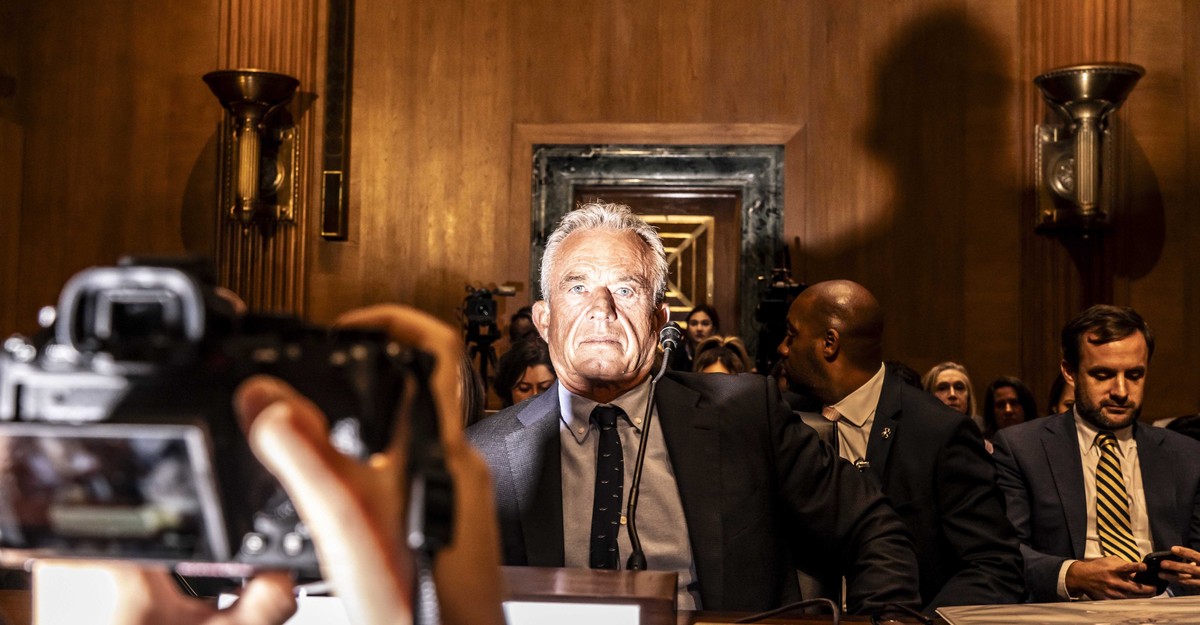
The recent statements by Acting CDC Director Jay Bhattacharya mark a significant shift in the narrative surrounding public health and vaccination policies under the Trump administration, particularly in light of the ongoing challenges posed by Robert F. Kennedy Jr. and the Make America Healthy Again (MAHA) movement. Bhattacharya’s unequivocal support for the measles vaccine—a stark contrast to Kennedy's previous hesitance—signals a potential turning point for the CDC, an agency that has been mired in controversy and internal strife. As detailed in our article, “MAHA Has Been Given an Impossible Task,” the MAHA’s agenda and Kennedy’s leadership style have raised serious questions about the integrity and direction of public health policy.
This shift is not just about vaccines; it reflects a broader need for the CDC to reclaim its position as a trusted authority in health matters. Bhattacharya’s call to “move on” from the chaos of the previous year illustrates a desire to depoliticize health decisions and restore faith among CDC staff and the public alike. The internal applause he received when addressing staff concerns indicates a yearning for clarity and scientific rigor that has been absent under Kennedy’s tenure. The tumultuous events leading to Bhattacharya's appointment—including the ousting of his predecessor, Susan Monarez, and the exodus of senior officials—highlight the urgent need for the CDC to establish stability and a forward-looking vision.
Moreover, the implications of Bhattacharya's statements extend beyond the walls of the CDC. The recent ruling that questioned the legality of Kennedy’s changes to the childhood vaccine schedule further compounds the pressure on his administration and signals waning support for his policies. With backlash from both the public and within the government, as seen in the stalled nomination of Casey Means and the departure of key FDA officials, Kennedy's influence appears to be diminishing. This sentiment aligns with findings from a December poll indicating electoral risks for candidates promoting anti-vaccine agendas. It raises critical questions about the sustainability of MAHA’s philosophy and the potential for a more science-driven approach to return to the forefront of public health.
As we move forward, the question remains: Can the CDC successfully navigate this turbulent landscape and restore public trust? With Bhattacharya at the helm, there’s potential for meaningful change, but it hinges on the appointment of a permanent director who values scientific integrity over political expediency. The search for such a leader is crucial, especially in light of Kennedy's ongoing presence in the administration. Will the next nominee prioritize established public health principles, or will they continue to cater to the whims of a faction more concerned with ideology than evidence-based health practices? The answer will significantly shape the future of the CDC and public health in America.
In this moment of transition, all eyes will be on how the CDC rebuilds its reputation and balances the competing interests within the administration. The path forward is fraught with challenges, yet it holds the promise of returning to a more grounded, science-focused approach that prioritizes the health of all Americans.