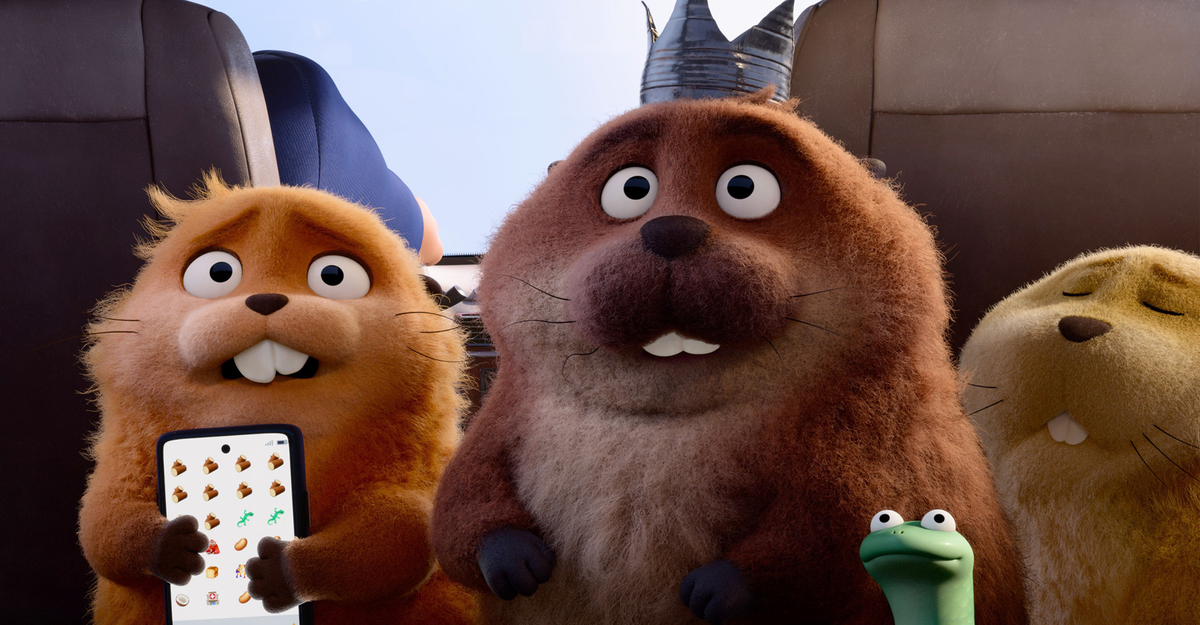
In the world of children's entertainment, movies often paint a rosy picture where animals coexist in harmony, as seen in hits like *Zootopia* and its successors. The recent article, “A Radical Message for a Kids’ Movie,” highlights how Pixar's latest offering, *Hoppers*, takes a significantly different approach. While previous films offered a utopian vision of animal society, *Hoppers* delves into the complexities of collective action and the challenges of fighting for a cause. This shift in narrative is not only refreshing but also relevant, especially in a time when young audiences are increasingly engaged with themes of activism and social justice. It raises questions about how we prepare the next generation for the realities of the world around them, much like the discussions surrounding the recent court ruling on academic freedom or the challenges faced by students at Kentucky State University regarding new state laws, which reflect real-world complexities that extend beyond the silver screen.
At the heart of *Hoppers* is Mabel Tanaka, a college student who fights to save a beloved habitat from destruction. Unlike the protagonists of *Zootopia* or *Goat*, who navigate a world of animated whimsy with clear-cut resolutions, Mabel’s journey is rife with complications. The film highlights that while activism can be well-intentioned, the outcomes can often lead to chaos rather than the hoped-for harmony. This is a pragmatic message for young viewers: change is messier than it seems. Mabel's struggle to unite various animal factions only leads to disorder rather than seamless cooperation. This distinction is crucial; it suggests that the road to progress is often fraught with challenges, a lesson that resonates with the realities of social movements today.
What makes *Hoppers* particularly compelling is its willingness to explore the limits of collective action. The film's portrayal of a chipper beaver named George, who embodies the incrementalist approach to activism, juxtaposes Mabel's more radical tactics. This dynamic serves as a powerful metaphor for the broader discourse on how change is achieved. It invites viewers to reflect on their own beliefs regarding activism: should we be idealistic, aiming for sweeping changes, or realistic, understanding that progress often requires compromise? This nuanced perspective is a departure from the simplistic narratives often found in children's films and encourages critical thinking. It echoes sentiments found in discussions on environmental conservation, as seen in the recent piece on deciphering beluga calls to enhance conservation efforts.
Ultimately, *Hoppers* challenges the notion that simply being "right" guarantees success. It emphasizes that understanding the complexities of any situation—including the necessity for collaboration among diverse parties—is essential for achieving meaningful outcomes. This narrative choice sets a new standard for children's cinema, which has often shied away from portraying the messiness of activism. As audiences engage with this film, they may find themselves reflecting on the implications of collective efforts in their own lives and communities.
As we look ahead, one wonders how this more sobering take on activism will influence future storytelling in children's media. Will other filmmakers follow suit, embracing the complexities of real-world issues as *Hoppers* has done? This thoughtful approach could reshape the landscape of animated films, encouraging a generation not just to dream but to grapple with the realities of making those dreams a reality.