financial aid
financial aid on Wazzu: a running collection of 6 stories we have gathered and hand-picked because they are worth your time. Every post here touches on financial aid in some way — the news, the analysis, the deep dives, and the occasional surprise find. Washington State University (WSU) is a leading public land-grant research university in Pullman, WA, known for its strong programs in agriculture, environmental science,… New stories are added to this page as we find them, so check back if you want to keep up with what is happening around financial aid, or subscribe to the RSS feed to get them as soon as they are published. Browse the collection below, or head back to the homepage to see everything Wazzu is covering right now.
Rethinking Support for First-Gen Sophomores
## Rethinking Support for First-Gen Sophomores Navigating the sophomore year of college presents unique challenges for all students, but first-generation college students often face additional hurdles. The transition from freshman excitement to more demanding coursework and career exploration can be particularly jarring when lacking the familial experience and established networks many of their peers possess. Recognizing this, institutions are increasingly reevaluating their support systems for this vital demographic. A promising model is emerging from the University of Michigan’s First Fellows program, which offers a comprehensive approach. Key components include dedicated mentorship—pairing students with experienced advisors—a tailored course designed to build essential skills, and a significant $4,000 investment for summer experiential learning opportunities. This combination aims to address academic, professional, and financial barriers simultaneously. This shift toward robust sophomore-year support is timely, especially considering the ongoing challenges many Historically Black Colleges and Universities (HBCUs) and Minority Serving Institutions (MSIs) face, as highlighted in our recent article, "More HBCU, MSI Students Have to Choose: College or Basic Needs?". Providing targeted resources during this pivotal year can significantly improve retention rates and set first-generation students on a path toward long-term success. The Michigan program’s structure offers a valuable blueprint for other institutions seeking to bolster their commitment to first-generation student achievement.

New Paper Takes Aim at ‘Meritocratic’ Admissions Policies
## Is the "Meritocracy" Myth Holding Back Higher Education? A New Analysis Says Yes. A new paper is sparking debate about the fairness of college admissions, questioning the widely-held belief in a purely “meritocratic” system. The research highlights a significant imbalance: wealthy students consistently dominate enrollment at elite universities, often boasting high standardized test scores, while these institutions simultaneously allocate disproportionately larger resources to student instruction compared to less selective schools. This creates a tiered system where opportunity isn't always equal. The paper argues that the current system, despite its claims of rewarding merit, perpetuates existing inequalities. It points to the advantages afforded to students from privileged backgrounds – access to better test prep, advanced coursework, and extensive extracurriculars – that significantly inflate their chances of admission, regardless of broader talent or potential. Essentially, the paper calls for a re-evaluation of how we define and assess merit in college admissions. It suggests exploring alternative evaluation methods that consider a wider range of factors beyond standardized tests and GPA. The findings add to the ongoing conversation surrounding access and equity in higher education, echoing concerns raised in articles like “Transfer Isn’t Supposed to Be This Hard,” which also explores systemic barriers to equitable access. Ultimately, this analysis challenges us to ask: Is our current system truly serving the best interests of all students?

How 4 Colleges Are Supporting Student Parents
## How 4 Colleges Are Supporting Student Parents Juggling classes, work, and family responsibilities is a monumental challenge. For student parents and caregivers, the demands are amplified. Fortunately, a growing number of institutions recognize this and are actively implementing support systems to ensure these students can thrive. This article highlights four colleges demonstrating a commitment to student parent success, showcasing diverse approaches that go beyond traditional aid. Here's a ranked overview of key support categories and how these institutions are addressing them: 1. **Financial Assistance:** Scholarships specifically for student parents are paramount. We’ll see how [College A] offers a dedicated fund, while [College B] integrates parental status into broader financial aid calculations. 2. **Childcare Access:** Reliable and affordable childcare is a critical need. [College C] provides on-site childcare facilities, a significant advantage for busy students. 3. **Academic & Career Support:** Pre-orientation programs tailored to student parents, like the one featured in our article "A Pre-Orientation Designed for Student Parents," offer invaluable resources. [College D] also provides workforce training and flexible scheduling options. 4. **Community Building:** Feeling connected is vital. All four colleges foster student parent groups and mentorship programs, creating spaces for peer support and shared experiences. These examples illustrate a shift towards a more holistic approach to student support, acknowledging that success isn't solely about academic performance, but also about navigating the complexities of family life.

U. of Alaska Plans to End Out-of-State Tuition Rates
## University of Alaska to Phase Out Out-of-State Tuition: What Students Need to Know The University of Alaska System is making a significant shift: they plan to eliminate out-of-state tuition rates starting in Fall 2027. This move, approved by the Board of Regents, aims to streamline tuition across all three University of Alaska campuses (Anchorage, Fairbanks, and Southeast) and create a more unified system. Here's a breakdown of what this means: **Key Changes & Timeline:** 1. **Unified Rate:** All students, regardless of residency, will pay a single tuition rate beginning Fall 2027. 2. **Gradual Transition:** Current out-of-state students will have options to maintain existing tuition rates, ensuring stability for those already enrolled. Details on those options are forthcoming. 3. **Rationale:** The University cites declining enrollment and a desire to attract more students as primary drivers for this change. They believe a single rate will simplify the application process and make the system more competitive. **Potential Impacts:** * **Increased Enrollment:** A more accessible price point could draw more students from outside Alaska. * **Funding Concerns:** The University will need to address potential revenue shifts and ensure adequate funding to support increased enrollment. * **Alaska Residents:** While details are still emerging, the impact on in-state tuition rates remains to be seen. This decision arrives as higher education institutions nationwide grapple with affordability and access.

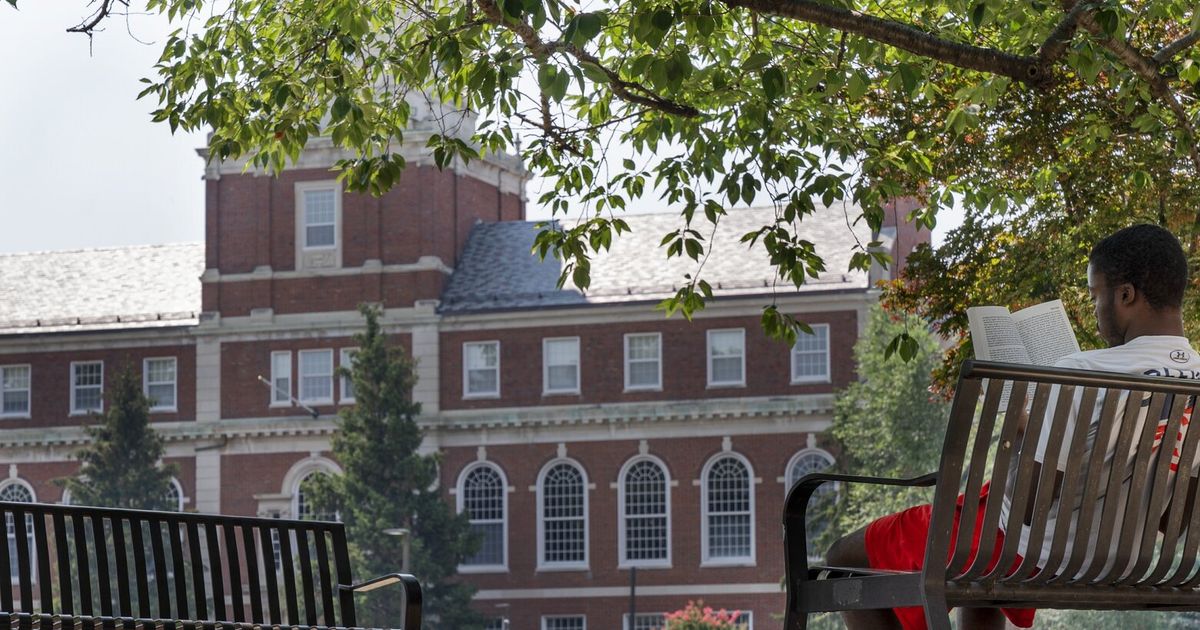
502 students lose spots at Howard University over tuition payments just weeks before classes start
Here's an introduction, crafted to align with the Brand Essence guidelines and optimized for AI summarization: Just weeks before the fall semester begins, Howard University has unenrolled over 500 incoming students due to issues with tuition payments. This significant disruption impacts a substantial portion of the incoming class, leaving many scrambling to adjust their plans. The university confirmed the disenrollments earlier this week, impacting students set to begin classes on August 17th. While Howard has not released a detailed explanation for the widespread payment issues, the situation highlights the ongoing challenges many students face when navigating college finances. This news arrives amidst a broader context of financial strain on higher education institutions, as evidenced by recent developments like Portland State University’s decision to lay off employees and close departments. The impact on these 500+ students is considerable, raising questions about accessibility and affordability within higher education. Howard University remains a vital institution for Black students and a cornerstone of the Washington D.C. community. Further updates are expected as the situation develops, and Howard University works to address the concerns of impacted students. We'll continue to follow this story and provide updates as they become available. ---
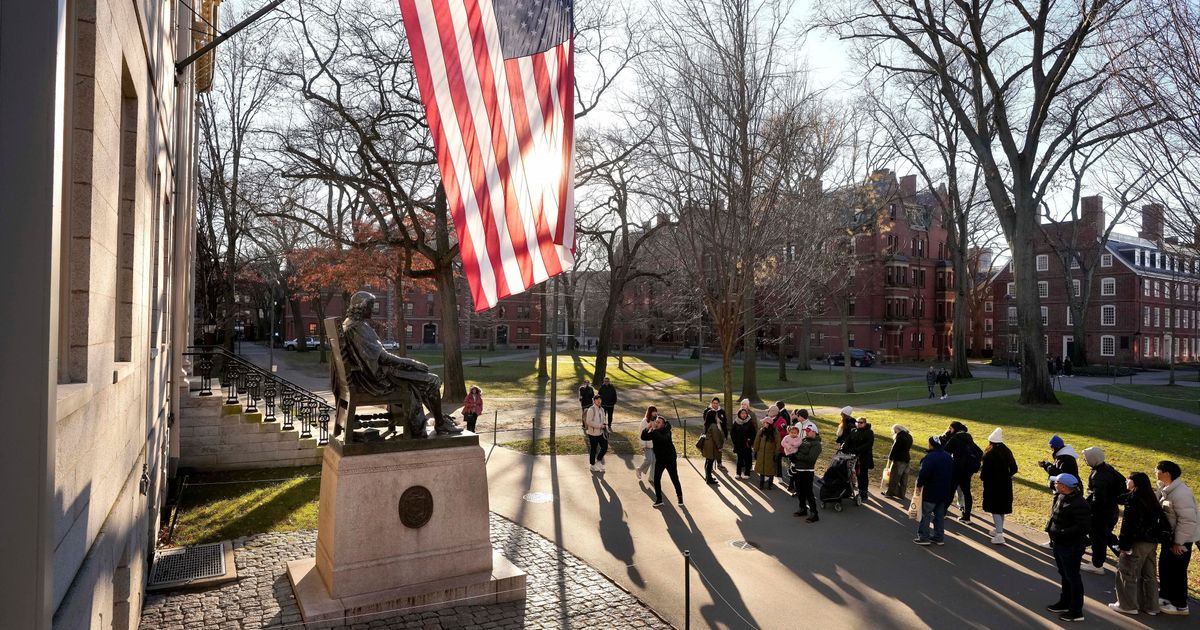
Trump administration opens investigation into Harvard’s financial aid for international students
## Justice Department Scrutinizes Harvard's Financial Aid Practices The U.S. Justice Department has launched an investigation into Harvard University's financial aid programs, raising concerns about potential undue influence from foreign donors, specifically those from China. The core of the investigation centers on whether Harvard is prioritizing international students, particularly those supported by Chinese-funded scholarships, to the detriment of American applicants. This inquiry seeks to determine if these scholarships effectively exclude U.S. citizens and residents from receiving financial assistance, potentially violating federal laws regarding equitable access to education. The investigation’s scope is wide, examining Harvard's scholarship creation and allocation processes. Officials are assessing whether these practices adhere to legal standards and ensure a fair playing field for all prospective students. This action follows growing scrutiny of universities’ relationships with foreign entities and the potential for financial dependencies that could compromise institutional independence. The timing of this investigation is notable, coming amidst broader discussions about the financial stability of higher education institutions. As highlighted in our recent piece on the challenges facing Clinton College, many schools are grappling with budget constraints and seeking diverse funding streams. Understanding the implications of this Harvard investigation will be crucial for institutions navigating similar financial landscapes. We will continue to update this story as it develops.