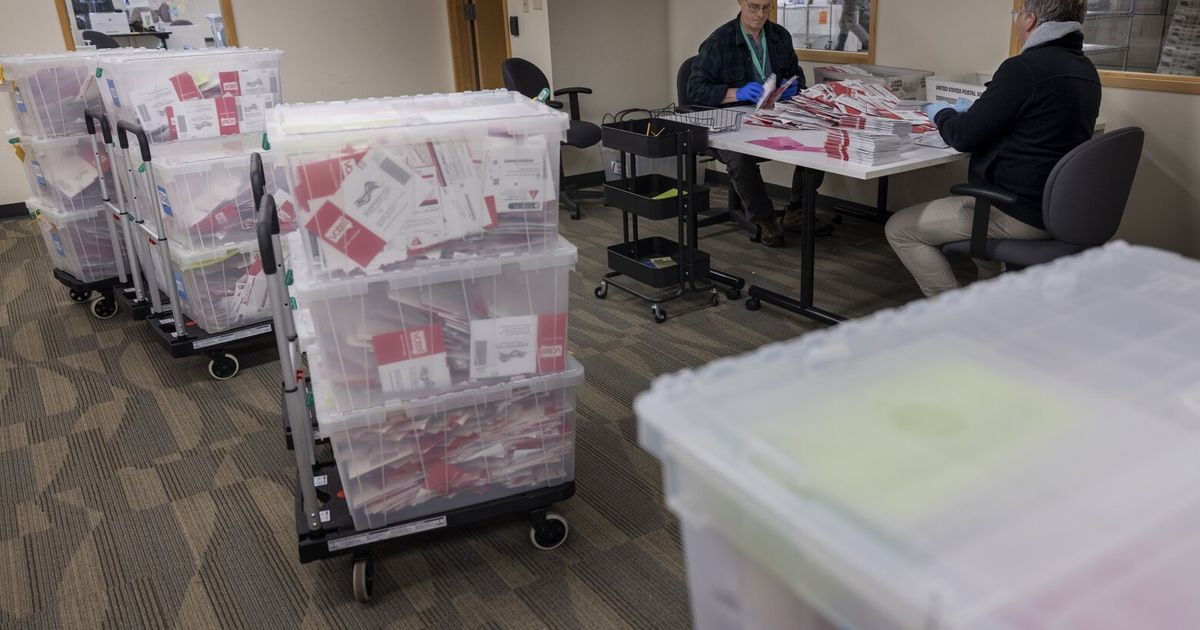
The 2026 Washington state primary results are in, and honestly, the biggest takeaway is that the ballots we all filled out between study sessions and work shifts actually shape the next few months more than we give them credit for. This is the first real signal of what voters are paying attention to heading into the general election, and for a lot of us, it's the first time we're seeing which issues actually moved people to show up. It's easy to treat primary day like a formality, but the Seattle Times coverage makes it clear that the margins here set the tone for November. For WSU students, that means the races we're casually scrolling past on our phones right now are the same ones that decide funding for state universities, financial aid, and housing policy that directly hits our wallets.
Here's the thing we don't always say out loud: primaries are where the real sorting happens. The candidates who made it through are the ones who get to define the choices we'll have in a few months, and the results tell us what kind of messaging actually landed. If you're the type who waits until October to pay attention, this is your reminder that by then, a lot of the decisions are already baked in. The full results page shows that some races are closer than expected, and those close margins are exactly what we should be watching. It's not about doom-scrolling election night. It's about knowing that the people who vote in primaries are the ones who decide what's on the menu, and if we want a say in what we're eating, we can't skip the appetizer.
What would I tell a fellow Coug who asked, "Does this even matter?" Yeah, it does, but not in the way the pundits mean. It matters because every race that gets decided now is one less thing we have to stress about later. It's like doing your homework the week before instead of the night before. The practical move here isn't to obsess over every county result. It's to look at who won and ask, "Does this person actually understand my life?" Not in a vague, "they seem nice" way, but in a real, "are they going to make it easier or harder for me to afford rent near campus and graduate on time" way. That's the filter. That's always been the filter.
So here's my specific takeaway, something you can actually use: check your own ballot status and make sure your registration is current, because the primary is the dry run for the general, and the general is where the real consequences land. The fact that we're seeing competitive races now means the fall election isn't a foregone conclusion. The open question is whether students will treat November like another assignment we procrastinate on, or like the one exam we actually studied for. The results in August are just a preview, but they're telling us who showed up. The real test is whether we can beat that turnout in November. That's the number that matters, and it's still entirely unwritten.