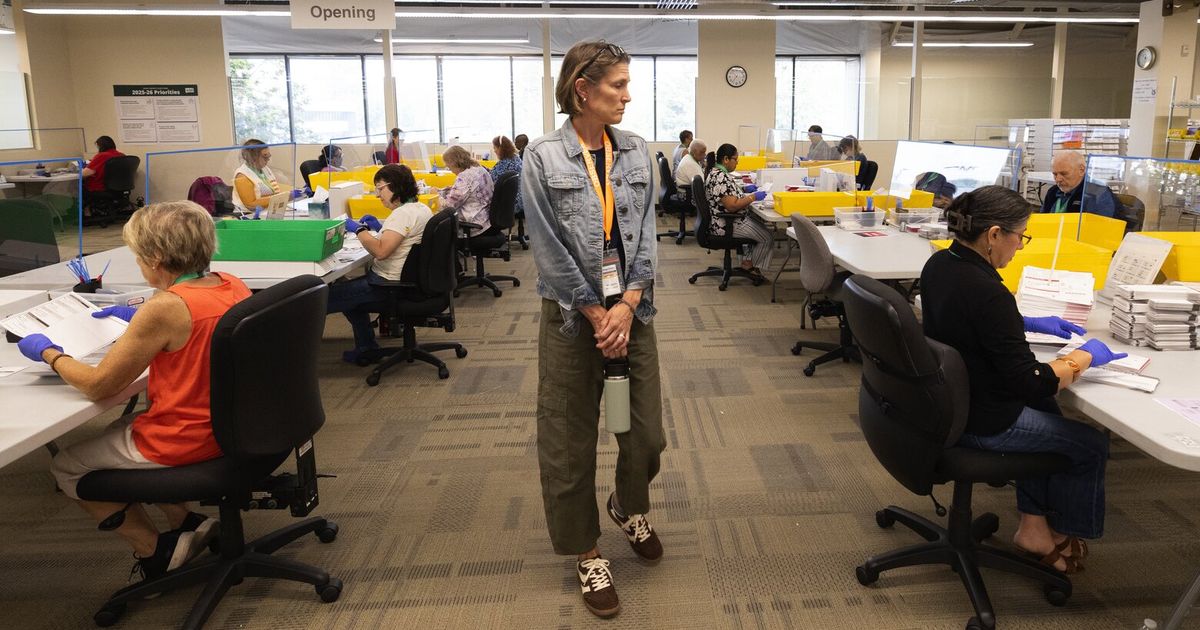
Washington’s decision to decline participation in the federal database intended for identifying and potentially removing noncitizen voters is a significant, and frankly, reassuring development. The move, spearheaded by Secretary of State Steve Hobbs, highlights a commitment to accurate voter rolls achieved through reliable processes, rather than reliance on a system widely criticized for its potential inaccuracies and discriminatory impact. It’s a choice that aligns with Washington's history of prioritizing accessible and equitable elections. The decision feels particularly pertinent given ongoing challenges elsewhere, such as the Texas Voter Registration Backlog Creates Midterm Crunch for County Offices, which underscores the complexities and vulnerabilities within election administration even without the added complication of a potentially flawed federal database. Considering the historical context of voter suppression tactics and the importance of ensuring every eligible citizen has the opportunity to participate in our democracy, this is a decision deserving of praise.
The original Trump-era database proposal faced immediate scrutiny from voting rights advocates and election officials across the country. Concerns centered around the database's reliance on inconsistent and often unreliable data sources, raising the specter of legitimate voters being wrongly flagged and disenfranchised. It’s not simply about preventing non-citizens from voting, a goal everyone can agree on; it’s about safeguarding the integrity of the process and ensuring that the system doesn’t inadvertently exclude eligible voters, particularly those from marginalized communities. This resonates with the historical struggles documented in pieces like A Century of Silence: ArtsWest Stages a Stark Look at History, which reminds us of the persistent need to be vigilant against systems that marginalize and silence vulnerable populations. Washington's rejection of the database represents a clear rejection of a system perceived as potentially harmful to democratic participation.
Beyond the immediate implications for Washington's elections, this decision sends a powerful signal to other states contemplating participation in the database. It demonstrates that states can, and should, prioritize accuracy and fairness over potentially expedient, but ultimately flawed, solutions. The focus should remain on robust, state-led efforts to verify voter eligibility, utilizing established and proven methods. This approach is not just about avoiding errors; it's about fostering public trust in the electoral process. The ongoing conversations surrounding childcare subsidies, as reflected in articles like Seattle Times letters roundup, September 20, 2026, highlight the broader societal concerns about accessibility and equitable resource distribution – principles that should also inform our approach to elections. A system that undermines the right to vote undermines the foundation of a just and representative society.
Ultimately, Washington’s choice to forgo the federal voter database underscores a fundamental principle: safeguarding the democratic process requires careful consideration, rigorous verification, and a commitment to fairness above all else. While ensuring accurate voter rolls is a critical responsibility, it should never come at the expense of potentially disenfranchising eligible citizens. The question now is whether other states will follow Washington’s lead, or whether the pressure to adopt potentially flawed federal initiatives will continue to compromise the integrity of our elections. Will we see a broader shift toward prioritizing state-level accuracy and accessibility, or will the pursuit of perceived efficiency outweigh the critical need for a fair and equitable voting system?