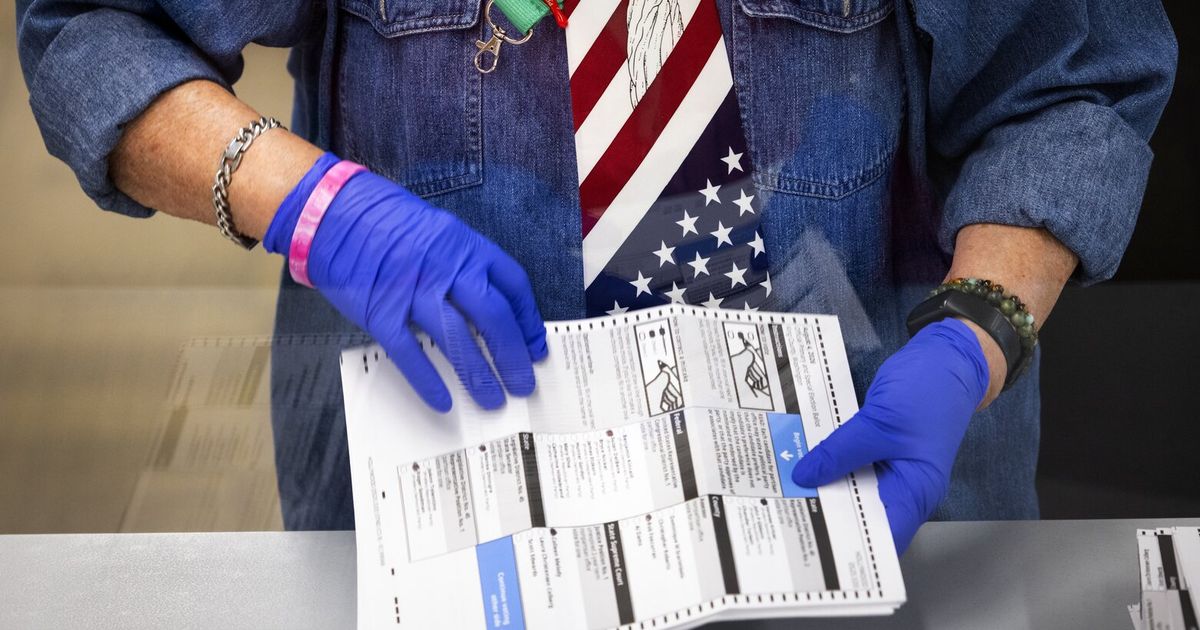
The courtroom clash between the Justice Department and Washington Secretary of State Steve Hobbs over voter data is the kind of story that sounds like inside baseball until you realize it's actually about whether your name stays on the rolls. This is the 21st time the feds have swung at a state over this, and Washington is still standing its ground. That matters. We're not lawyers here, and we didn't sit through the hearing, but we know a pattern when we see one: the federal government demanding something, the state saying no, and the whole thing turning into a legal tug-of-war that most people only hear about in passing.
What's worth paying attention to is how this fits with the state's earlier call to skip the Trump-era voter database. That move, which we flagged when it happened, was about caution over convenience. Washington didn't want to plug into a system that looked like it might be fishing for noncitizens in a way that could snag eligible voters by accident. Now you've got a direct lawsuit pushing for that same data, and Hobbs is still holding the line. That's consistent. It's not flashy, but it's real. And for students like us, who move every few years and register at campus addresses, the stakes are personal. A bad data pull could mean a challenge to your ballot because your dorm zip code looks weird to someone in another state.
Here's the thing we'd tell a friend who asked what this means: watch what happens to the timeline. If the court forces a handover, counties are the ones who have to scramble. That's not a hypothetical. We just saw in Texas how a backlog of registration applications created a midterm crunch for local offices. Washington's systems are better funded than some, but not by magic. Every hour spent responding to this lawsuit is an hour not spent on processing, outreach, or fixing the small stuff that makes voting easier. The related reporting on past emissions and the UW study is a different fight entirely, but it shares a thread: decisions made now have long tails, and the people who deal with the mess are rarely the ones who asked for it.
Our take is simple. This lawsuit isn't about election integrity in any way that helps a regular voter. It's about pressure. And pressure works best when people are distracted. So we're not distracted. We're watching the docket, we're tracking the next hearing date, and we're reminding ourselves that Hobbs is an elected official, not a shield. If he folds, we need to know why. If he holds, we need to back him up. The specific thing to watch is whether the judge allows the case to move toward discovery, because that's when documents get requested, and that's when things get messy. A concrete takeaway you can carry with you: if you're registered in Washington, your vote is not currently on the line, but your data is. And how this judge rules will tell us whether the state's caution was smart or just expensive. Bet on it going to appeal. It always does.