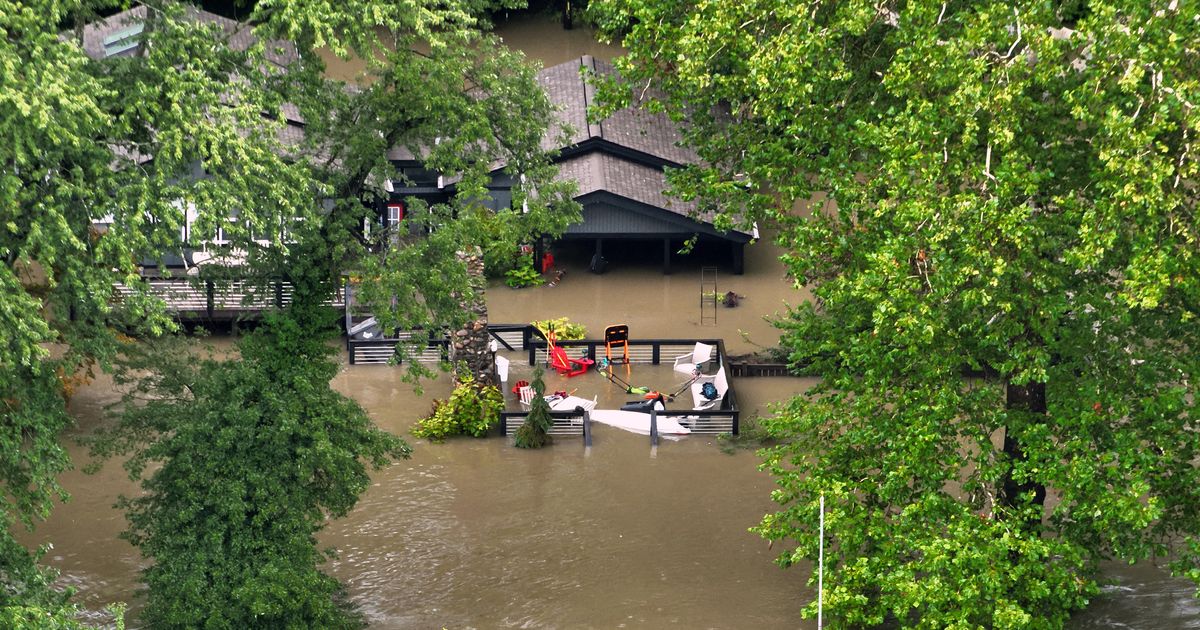
Five people dead in Indiana, and the water is still rising. That's the kind of sentence that stops you mid-scroll, especially when you're sitting in a Pullman apartment watching rain streak the window, wondering if you should've grabbed a second jacket for the walk to class. The storms that tore through the state this week weren't a distant headline for the folks in Indianapolis; they were the sound of first responders pushing boats through neighborhoods that used to be streets. It's a raw reminder that "severe weather" isn't a meme or a hashtag. It's someone's living room underwater.
We don't usually cover Indiana here, but we should care anyway. Not because it's trendy to feel bad from afar, but because the same systems that left Hoosiers scrambling are already shaping our own backyard. A recent University of Washington study shows past emissions from major polluters will keep warming the planet for years, which means the atmosphere is basically holding a grudge. That's not a political point; it's just physics. And when we see towns like those along the White River flood, it's not some far-off tragedy. It's a preview. Washington's already shelling out millions for flood- and fire-related repairs, and that's not a flex. That's a bill coming due for all of us who call the PNW home.
Here's the part that hits different for me as a student: we're the generation inheriting the planning meetings. The report on security lapses at a university where a speaker was killed is grim, but it's also a warning about what happens when we ignore the boring stuff, like evacuation routes, backup power, and who's actually trained to make a call in a crisis. We joke about "adulting" but this is the real version: knowing where your drains are, having a go-bag, and not pretending the weather forecast is just a suggestion. I'm not saying we should all become preppers. I'm saying being a good neighbor means being prepared enough to help when the water rises, literally or otherwise.
So what do we do with this? We pay attention to the systems we can actually influence. That means showing up to city council meetings about drainage, supporting mutual aid groups before the emergency hits, and remembering that "community" isn't just a buzzword for a group project. It's the person next door who checks if you're okay after a storm. The takeaway I'm holding onto is simple: you don't need to be a first responder to be useful. You just need to be present, practical, and willing to get your shoes wet. The question that's sticking with me is this: when the water rises in our own lives, will we have already built the relationships and systems that make us feel less alone? That's the real test, and it's not graded on a curve.