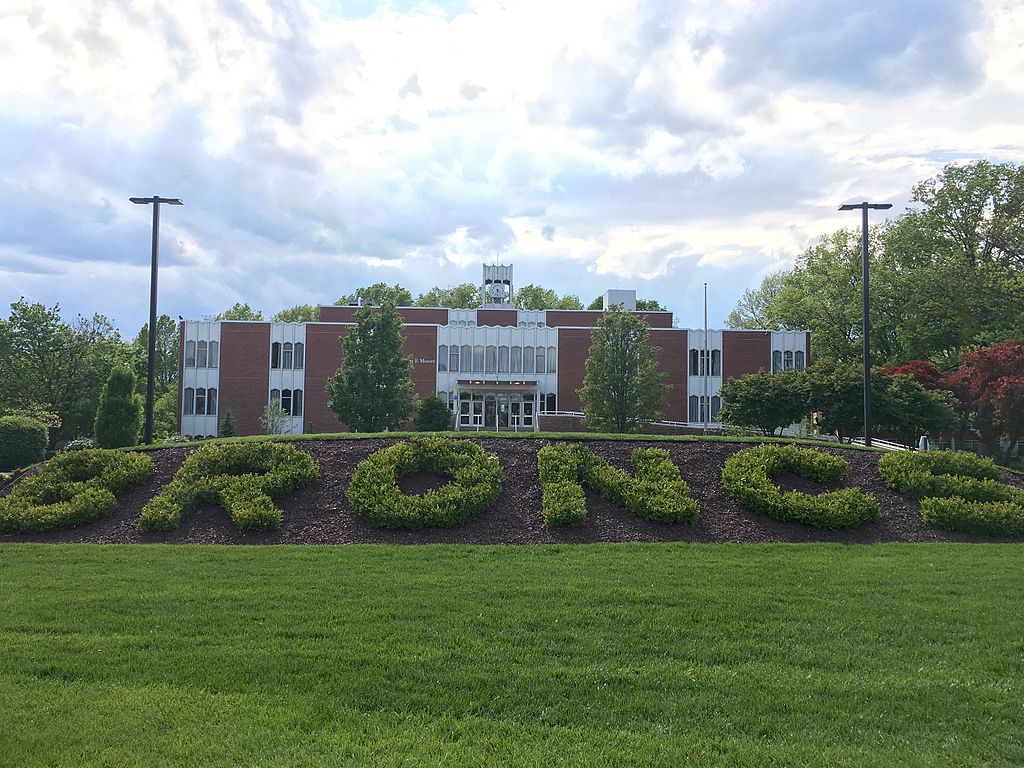
Rider University's decision to end its partnership with a Chinese university is the kind of news that sounds distant until you realize it lands right in your lap. For students, especially those of us juggling classes, a part-time grind, and trying to keep our lives organized-ish, this isn't just an administrative footnote. It's a reminder that the institutions we trust to open doors are also making calculated calls about who they want to walk through them. Rider's move didn't happen in a vacuum, and it's worth asking what it signals for the rest of us before we assume our own campus connections are built to last.
The practical takeaway here isn't about geopolitics or boardroom strategy. It's about the fragility of the bridges we lean on. When a university ends an international partnership, it's not just a contract expiring. It's students who planned semesters abroad, faculty who built research ties, and communities that counted on that exchange of ideas. For a student like me, who's big on learning by doing, this hits differently. I've seen how much value comes from showing up, whether it's a club meeting or a study group. But this story is a nudge to ask harder questions about what our own schools are building, and whether those structures are solid or just convenient for now.
If a friend asked me about this over tacos (assuming we both had cash, which is rare), I'd say this: don't panic, but pay attention. Rider's choice is a specific case, but it's part of a broader pattern where universities are rethinking international ties based on risk, politics, and money. That doesn't mean every exchange program is doomed, but it does mean we should stop treating our school's partnerships like they're permanent fixtures. We should be asking our advisors what happens if a program shifts, what alternatives exist, and how we can build skills that aren't tied to one specific institution's deals. That's not cynical. That's being a practical optimist. Plan ahead, expect bumps.
Here's the thing I'd tell any Coug feeling rattled by this news: your education is more than the logo on your diploma. It's the people you learn with, the projects you build, and the way you adapt when plans fall through. Rider students will land on their feet, and so will you. But only if you treat this as a cue to get more hands-on with your own path, not less. Ask what your school is doing to diversify study abroad options. Push for more local, project-based learning that doesn't hinge on a single international agreement. And if your university ever announces a big partnership change, don't wait for the official statement. Go talk to your professors, your career center, and your friends. The concrete point to watch here isn't just what Rider does next, it's whether other schools follow suit and how quickly students start demanding more transparency in return. That's the real test, and it's one we can't afford to skip.