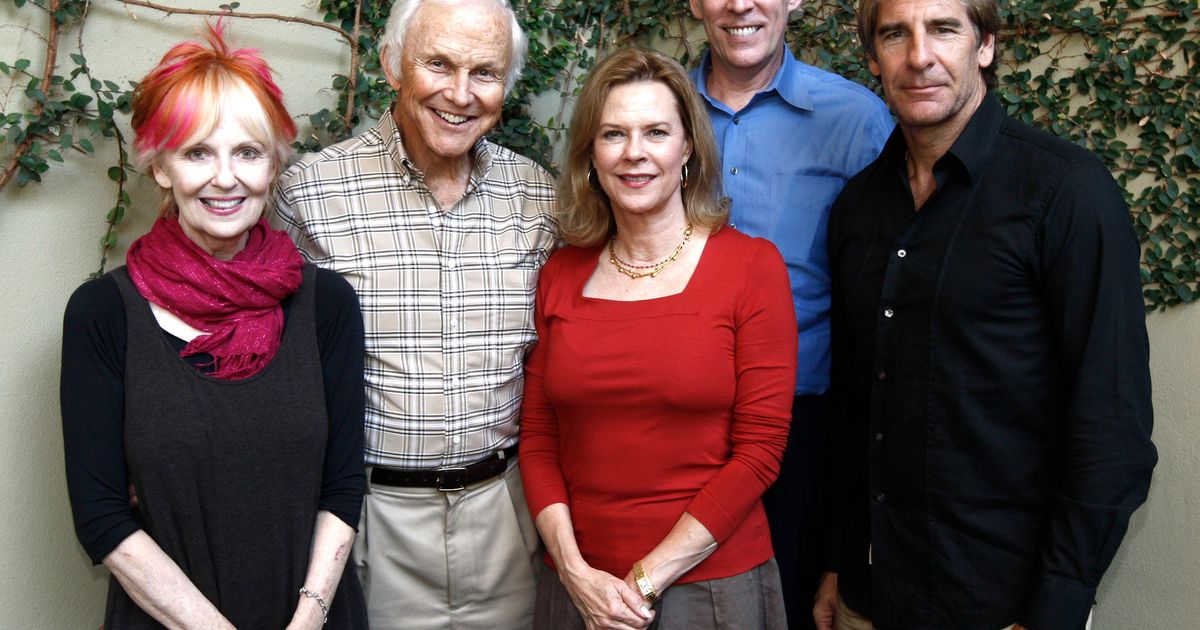
Shelley Fabares didn't need to shout to be remembered. She showed up, did the work, and let her presence carry the moment. That's a skill that translates pretty directly to 2026, whether you're in a lecture hall, a club meeting, or a part-time shift that's eating your weekend. She's the kind of actor who made it look easy because she didn't try to make it look like anything at all. And at 82, after a career spanning "The Donna Reed Show," "One Day at a Time," and "Coach," the news of her passing hits different because it reminds us that longevity isn't about being loud. It's about being reliable.
Here's the thing we'd tell a friend who asked why this matters: Fabares wasn't a headline-chaser, and that's exactly why we should care. She had a No. 1 hit with "Johnny Angel" back in 1962, but she didn't build her name on reinvention or drama. She built it on showing up, episode after episode, year after year. That's a quieter kind of ambition, and honestly, it's the kind we respect most around here. It's the same reason we show up to the same study spot every morning or volunteer for the same event even when we're tired. Consistency is its own flex. So when we say her work on "Coach" felt like a warm blanket, we mean it in the most practical sense: she made the show better just by being in it. No fireworks, just steady competence.
For our readers, the takeaway isn't to go rewatch old sitcoms (though you could do worse). It's to notice the people in your own life who make things run smoother without asking for credit. The professor who stays after class. The friend who always brings snacks to the group project. That's the energy Fabares carried, and it's worth naming. We'd tell a reader asking about her legacy to stop treating "understated" like a weakness. In a world that's constantly yelling for attention, there's real power in being the person who just handles it. She didn't need a catchphrase or a costume change. She needed to be present, and she was.
So here's the concrete thing to watch: the next time you're tempted to skip the smaller commitment because it won't get you noticed, don't. Show up anyway. That's what Shelley Fabares did for decades, and it's why we're still talking about her today. You don't need to be the lead in every scene. Sometimes the best role is the one that makes everyone else look good. That's a lesson that ages well, and it's one we'll carry with us long after the final credits roll.