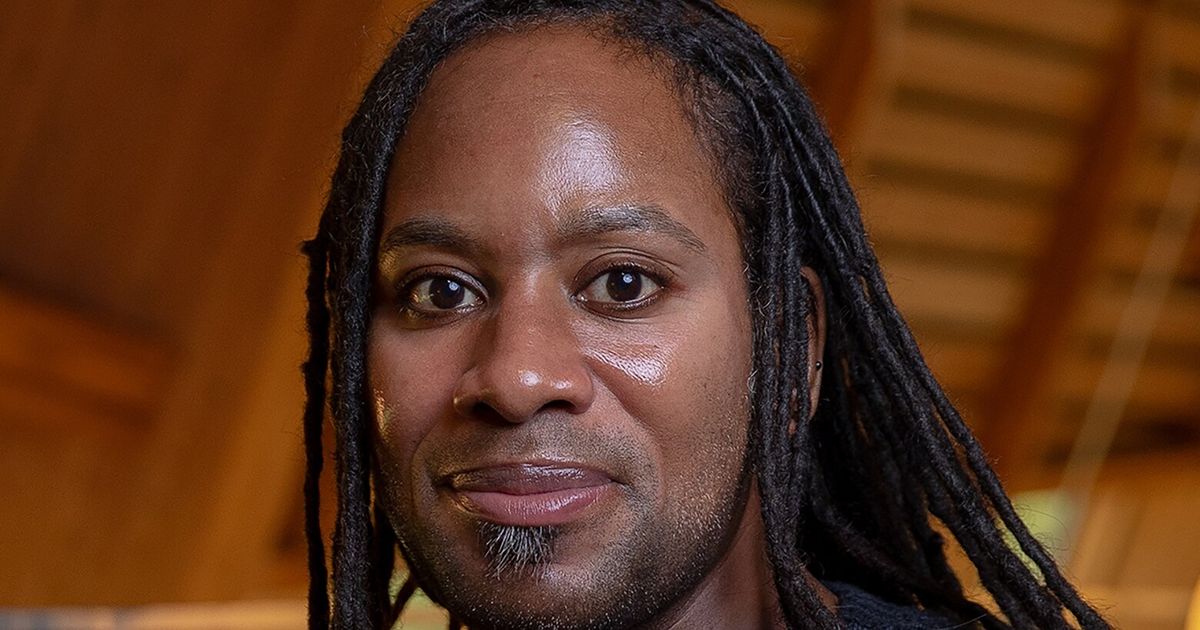
Jason Arday was the kind of story we're supposed to celebrate. A Cambridge scholar, a rise that seemed to defy every odd, someone who carried the weight of representation like it was nothing. Then came the investigation into plagiarism and fabrication, his resignation, and now this: police confirming a man was found dead at a home linked to him. The news hits different when you're a student who's just trying to figure out how to build something honest. We don't know the full story, and we won't pretend to. But we do know what it feels like to watch someone's reputation unravel in public, and we know how lonely that has to be when the spotlight turns into a microscope.
There's a thread here that connects to the other stories we've covered recently. A report on security lapses at a university where a speaker was killed shows how institutions fumble the basics when pressure spikes. And the misconduct report on Connecticut State Colleges reminds us that systems under scrutiny often circle the wagons before they circle the truth. Arday's case isn't isolated. It's part of a pattern where we pedestal people, then tear them down without pausing to consider the human cost. We're not here to defend plagiarism. We're here to say that the way we handle failure in academia is broken, and real people pay for it.
Here's our honest take: we're tired of the binary. Either you're a genius or a fraud. Either you're "crushing it" or you're cancelled. That leaves no room for the messy middle, where most of us actually live. For our readers, the practical lesson isn't about Arday specifically. It's about the culture that made his rise and fall so predictable. We tell students to reach, to aim for the top, to lock in and hustle. But we don't teach them what to do when they slip. We don't build safety nets for the moment the pressure gets too heavy. We just watch them fall and click "next story."
If you asked us what to do with this, we'd say this: let it be a reminder that no accomplishment is worth losing yourself over. Build your life with people who'll actually show up, not just clap when you win. And when you see someone in the middle of a public unraveling, don't add to the noise. You don't have to defend their mistakes to acknowledge their humanity. The real question we're left with isn't whether Arday made errors. It's why our first instinct is always to punish before we understand. Watch how this story gets handled in the coming weeks. That'll tell us more about who we are than anything else.