Portland State Will Lay Off 36 Employees, Close 2 Departments
Our take
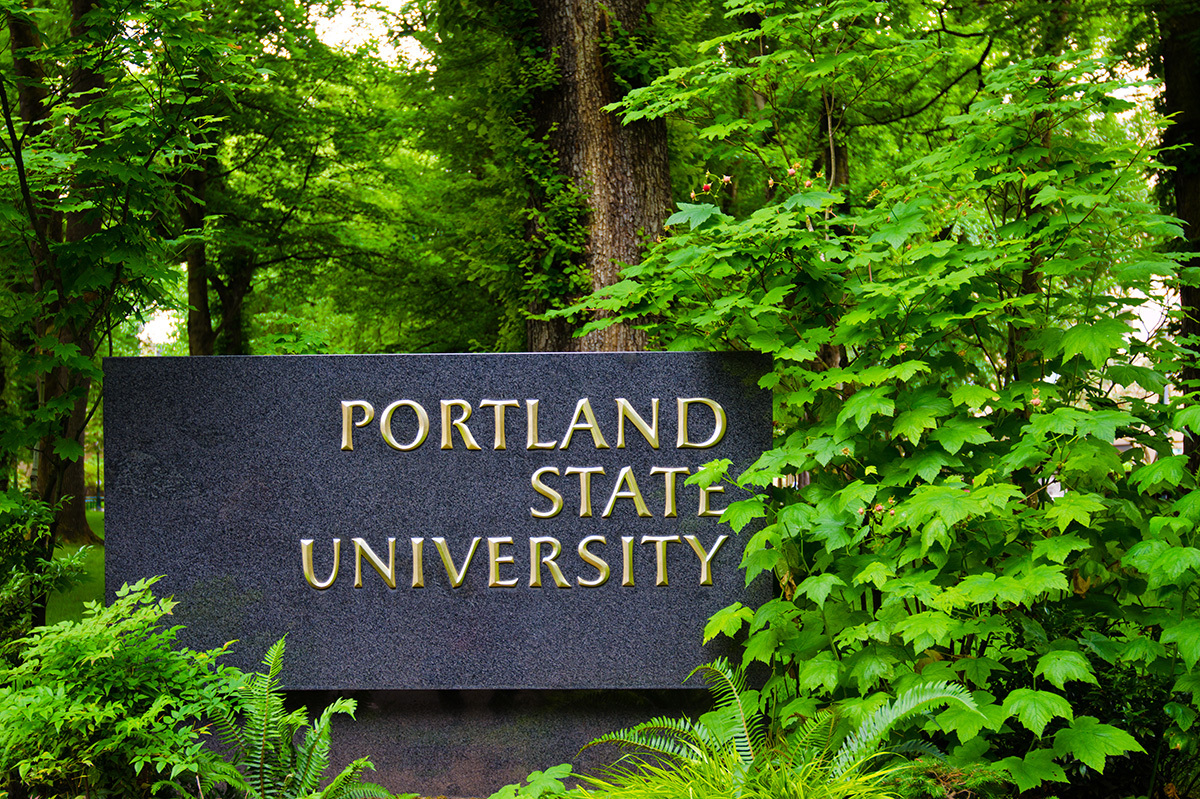
The news coming out of Portland State University – the layoff of 36 employees and the closure of two departments – is a stark reminder of the ongoing financial pressures facing higher education institutions nationwide. This isn't an isolated incident; recent data highlights the struggles of institutions like California’s Black-Serving Institutions New Data Shows How California’s Black-Serving Institutions Are Performing, demonstrating systemic challenges to equitable funding and resource allocation. Furthermore, the potential consequences of new accountability metrics on loan access for colleges How Soon Could Colleges Lose Loan Access Under New Accountability Metric? underscore the precariousness of the current landscape. Portland State’s situation, while specific to its circumstances, is emblematic of a larger trend fueled by declining state support, shifting demographics, and increasing operational costs. The university’s attempt to address a $35 million shortfall through these measures highlights the difficult choices institutions are being forced to make.
The decision to close entire departments is particularly concerning. It goes beyond simply reducing staff; it eliminates entire areas of expertise and potentially diminishes the breadth of academic offerings available to students. While budget cuts are often framed as necessary evils, the long-term impact on program quality, faculty morale, and student opportunities shouldn't be underestimated. Portland State's history as a vital public institution serving a diverse student population—including many first-generation and transfer students—makes these cuts even more poignant. Losing faculty and programs disproportionately affects these students, limiting their access to crucial resources and support systems. The fact that these decisions came after months of negotiation with the faculty union further points to the severity of the financial constraints and the lack of readily available solutions. It’s easy to point fingers at administrative bloat or wasteful spending, but the reality is that many public institutions have been operating with increasingly limited budgets for years, creating a situation where cuts are inevitable.
The broader significance of Portland State’s situation extends beyond the immediate impact on the university itself. It’s a harbinger of what we might see across the higher education sector, particularly at regional public institutions that rely heavily on state funding. The trend of institutions exploring consolidation, shared services, and even outright closures is likely to continue as financial pressures mount. The investigation into Harvard's financial aid practices Trump administration opens investigation into Harvard’s financial aid for international students illustrates the increased scrutiny and outside forces impacting institutional finances, adding another layer of complexity to the challenges. This shift will undoubtedly reshape the landscape of higher education, potentially leading to fewer options for students and a decline in the availability of accessible, affordable education.
Looking ahead, it’s crucial to monitor how individual states respond to the financial crises facing their public universities. Will legislatures prioritize higher education funding, or will they continue to shift the burden onto institutions and students? The decisions made in the coming months and years will determine the future of public higher education and its role in fostering opportunity and economic mobility. The question remains: how can institutions like Portland State, and others facing similar challenges, innovate and adapt to ensure they can continue to serve their communities and provide a quality education for future generations, even in an increasingly constrained environment?
The university announced its “final plan” on Tuesday after negotiating with the faculty union for several months. The cuts will help address a $35 million budget shortfall that the university must close in the next two years.
Read on the original site
Open the publisher's page for the full experience