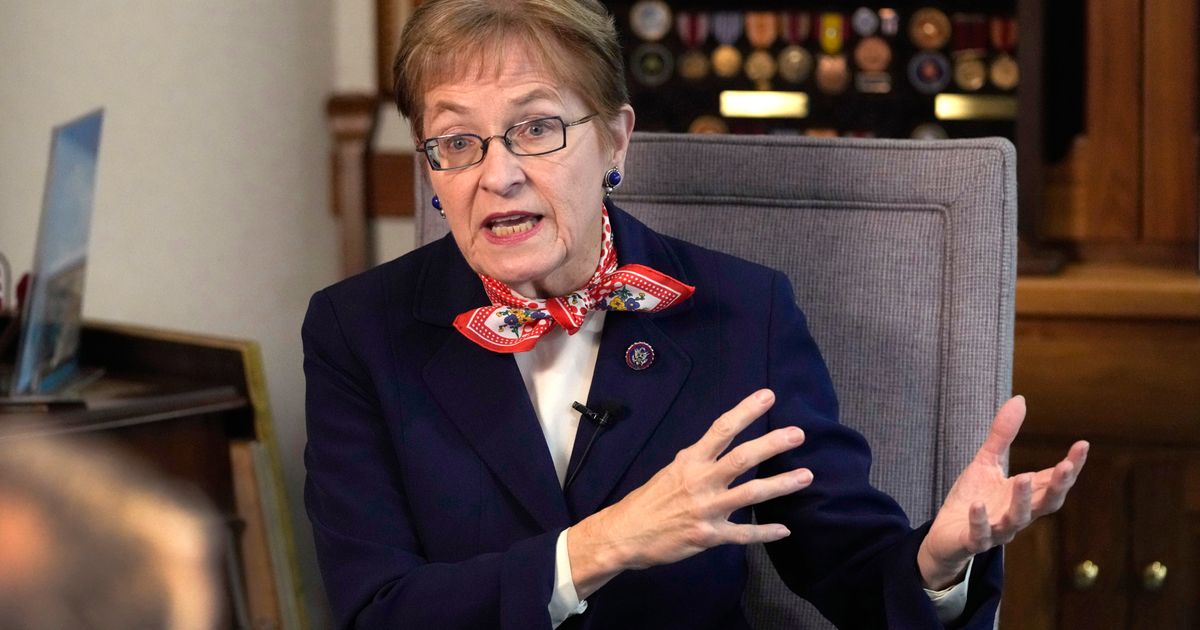
There's a specific kind of quiet that hits when someone you've never met gets hurt, and you realize how much of your own life is tied up in theirs. Ohio Rep. Marcy Kaptur is being treated for non-life threatening injuries after a car accident in Toledo. That's the whole update, and it's a good one, all things considered. She's alive, she's being cared for, and the story isn't tragic. But it's a reminder that the people making decisions about our communities are still people driving on the same roads we are.
We talk a lot about the big stuff in politics. The policy, the votes, the endless debates. But then something like this happens, and it snaps into focus that these are actual humans with actual days. It's the same reason we've been following how Northeastern Loses Eminent Domain Fight or why More HBCU, MSI Students Have to Choose: College or Basic Needs? hits harder than a headline. Those aren't abstract concepts. They're decisions that land on real people, sometimes at 60 miles an hour.
Here's our take, and it's a practical one. We're not going to spin this into some grand political statement, because it's not one. It's a car accident. It's a person. But it does tell you something about how we should be reading the news. When a story like this crosses your feed, the instinct is to scroll past it or wait for the next update. Don't. Pay attention to the small stuff, because the small stuff is where the real life is. The same way we'd tell you to actually read the fine print on a lease or check the syllabus before asking the professor what's due, the news works better when you show up for the mundane parts.
If a student asked us about this, we'd say this: don't let the noise make you numb. It's easy to treat public figures as characters in a show, but they're not. They're neighbors with commutes and bad luck and, in this case, a hospital bed. The takeaway isn't about Kaptur's politics or her party. It's about the fact that she's okay, and that we should be glad about that, and then we should keep moving with a little more care for the people around us. Maybe that means slowing down at an intersection. Maybe it means sending a text to someone you know had a rough day. It's not complicated.
The open question we're watching is what happens next for her, not just medically, but logistically. A car accident can shake anyone's schedule, and in a job where the calendar is brutal, that matters. We'll be looking to see if she takes time to recover or jumps back in, because that says something about how she operates. But honestly, the detail we're holding onto is simpler: she's being treated for injuries that aren't life threatening. That's the win. That's the concrete thing to hold onto while the rest of the world keeps spinning.