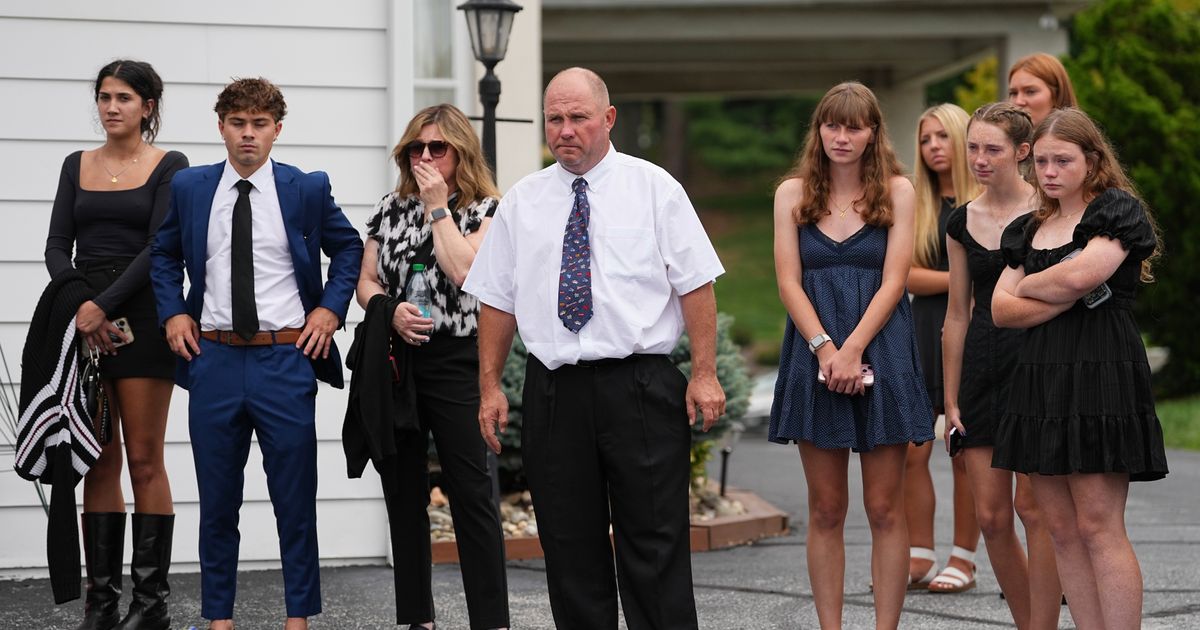
A Pennsylvania police officer was charged with voluntary manslaughter this week after fatally shooting a 22-year-old college student who had pulled up to the wrong house late at night and was waiting for friends to pick him up. The charge is a small, necessary step, but it doesn't undo the gut-punch reality that a young person's life ended over a mistake many of us have made: being tired, being a little lost, and knocking on the wrong door. We've all been that student, the one just trying to get home or meet up with people, and this case hits close to a familiar feeling of vulnerability that has nothing to do with grades or deadlines.
This isn't an isolated story, and it's worth sitting with that. We've seen the headlines pile up, from Ex-fraternity member pleads guilty to hazing an Arizona university pledge to death to the quiet shock of University of Valley Forge to Close. Each one is a different kind of loss, but they share a thread: young people in spaces that should be about growth and belonging, ending up in harm's way because systems, or individuals, failed them. This shooting isn't just about one bad night; it's about what happens when fear or training or just plain poor judgment meets a person who's already in a vulnerable spot. The charge of voluntary manslaughter says the officer acted with reckless disregard, not that this was some split-second tragedy with no accountability. That distinction matters.
For our readers, the practical takeaway is less about waiting for the next headline and more about what we can control in our own lives. We talk a lot about community, about showing up for each other, but this is a reminder that "showing up" also means knowing your surroundings, sharing your live location with a friend, and trusting that gut feeling when a street or a house feels off. It's not about living in fear; it's about being smart. And it's about demanding better from the people we're supposed to trust with our safety, which is a harder conversation but an essential one. If a friend asks you what they can do, tell them to be the person who picks up the phone at 1 a.m., no questions asked. That's the real work of belonging.
The open question here is whether a voluntary manslaughter charge will actually lead to a conviction, or if this becomes another case where the system talks a big game and then fumbles the follow-through. We'll be watching the trial, but we're also watching how our own communities respond. The specific detail to keep an eye on is how the defense frames the officer's state of mind, whether they lean on the fear of a late-night encounter or admit to a miscalculation. Either way, this is a lesson in accountability, and it's one we shouldn't let slip away. For now, the charge is a concrete point, but the real test is what happens next.